
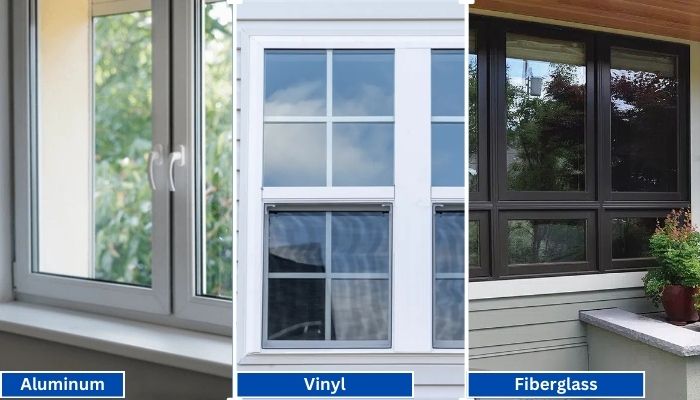
Vinyl generally has the shortest lead times because it is widely produced in standard configurations. Fiberglass is mid-range, especially for factory-painted colors.
Read More
PROUDLY CANADIAN COMPANY OWNED & OPERATED IN TORONTO SINCE 1989!
Vinyl generally has the shortest lead times because it is widely produced in standard configurations. Fiberglass is mid-range, especially for factory-painted colors.
Read More
Vinyl windows have become the go-to choice for homeowners in Toronto, thanks to their durability, energy efficiency, and low maintenance requirements. Whether you're upgrading your home for better insulation or enhancing
Read More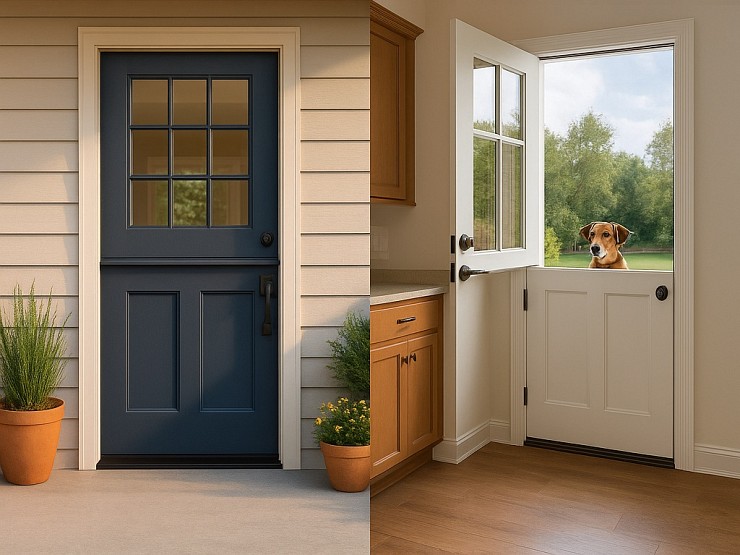
Thinking about changing your front door? A fiberglass Dutch door might have caught your eye. It’s not just a door. It’s part style statement, part smart functionality.
Read More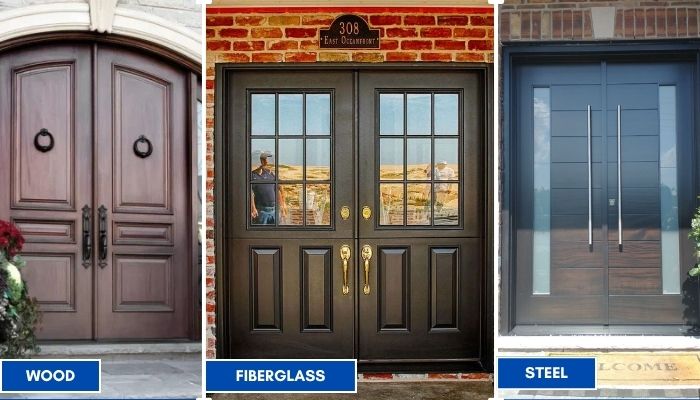
Thinking about replacing your front doors? Double doors are a bold upgrade. They look great, let in more light, and make moving big stuff easier. But the material you choose makes all the difference; especially here in Toronto.
Read More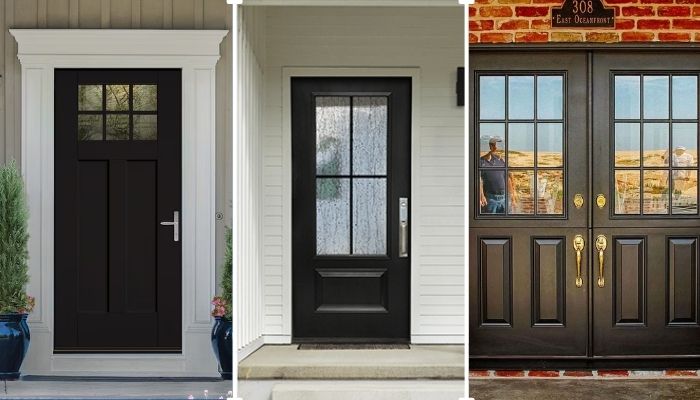
Thinking of giving your home that cozy, farmhouse charm? Let’s talk doors. Specifically, the fiberglass front doors in farmhouse style. You get the rustic look, without the rot, warping, or constant upkeep that comes with wood.
Read More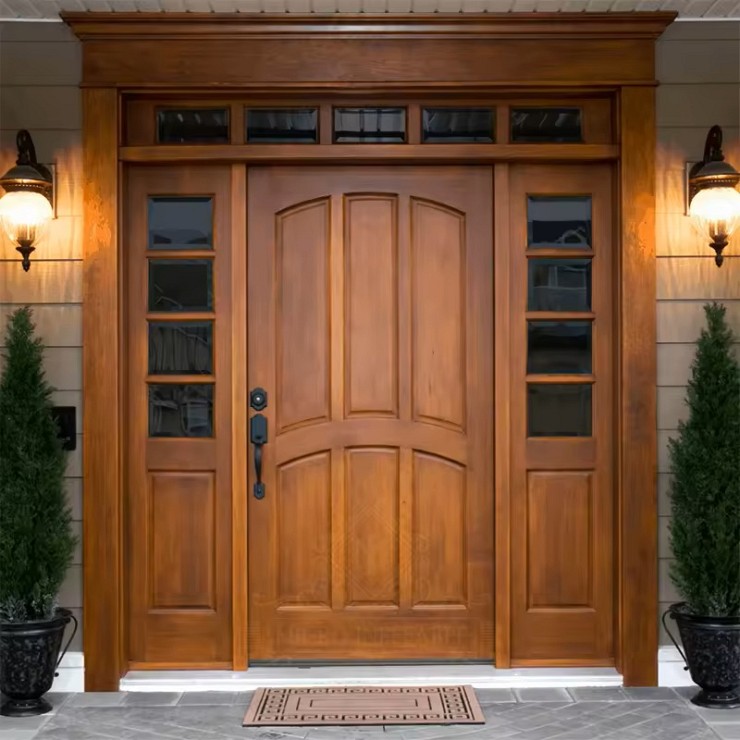
You want something that looks great, lasts long, and doesn’t stress you out with maintenance. You’re not alone. That’s exactly why more and more Toronto homeowners are choosing...
Read More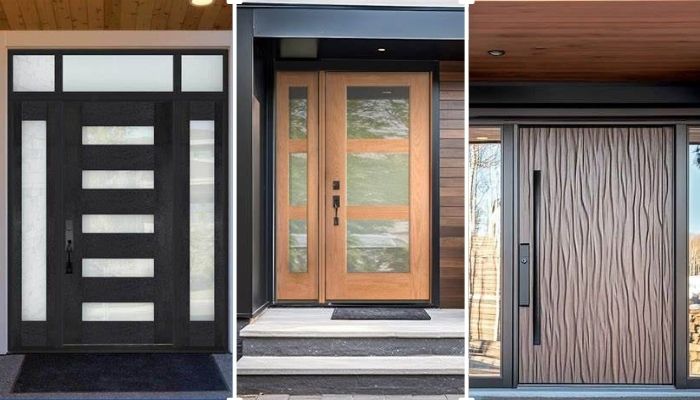
Thinking about replacing your front door? Let’s talk fiberglass. It's one of the smartest upgrades you can make, especially if you're living in Toronto. Whether your current door is drafty, outdated, or just plain boring.
Read More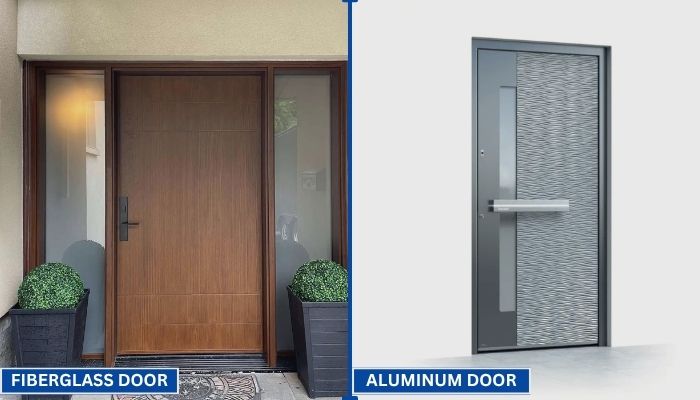
Your front door does more than just open and close. It protects your home, adds curb appeal, and helps control indoor temperature. That’s why picking the right door material matters.
Read More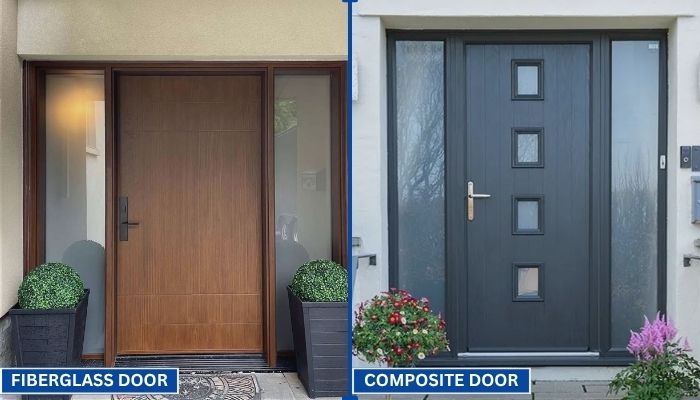
Choosing the right door can be confusing. You want something that looks good, lasts long, and keeps your home secure. Two of the most popular options today are fiberglass and composite doors.
Read More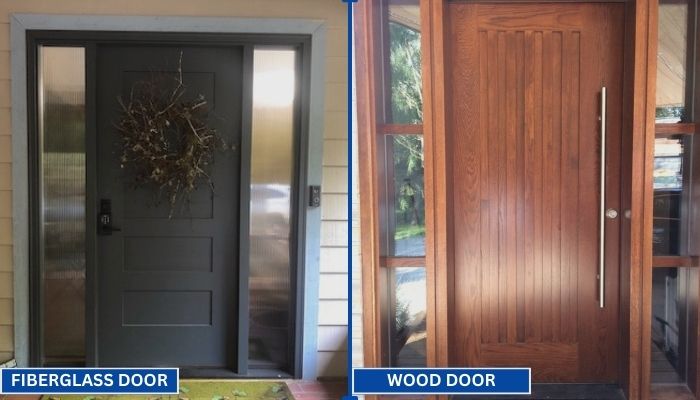
Replacing your front door is a big decision. Wood and fiberglass are two of the most popular materials for entry doors. Each has its own strengths in terms of style, durability, and maintenance. To help you choose the right one for your home, we have to go through a clear comparison.
Read MoreChoosing a Modular Container in 2026 starts with a clear question: what must the space do every day? A site office needs different insulation, windows, power, and access than a secure storage unit. Measure the available ground, delivery route, and doorway before comparing layouts. A container that looks spacious on a drawing may feel tight once desks, shelving, or equipment are inside. Small details matter.
Next, compare the construction and the supplier’s documentation. Ask for dimensions, materials, insulation details, load information, and plans for lifting and installation. Check how doors, joints, and roof edges are finished; these areas can affect weather protection and upkeep. Consider local climate, expected use, future relocation, and the services the unit will need. Get important specifications in writing, and have qualified professionals review site or structural questions when appropriate.
Price is only one part of the decision. Include delivery, foundations, connections, maintenance, and any modifications in your budget. Ask what is included, what is optional, and how replacement parts or support are handled. Compare equivalent specifications rather than headline prices alone. That takes time.
There is no universally best unit. Even careful plans can overlook a narrow turning area or a cable route. Use this guide to weigh practical requirements, check claims, and choose a Modular Container that fits its real site—not just the product photograph.
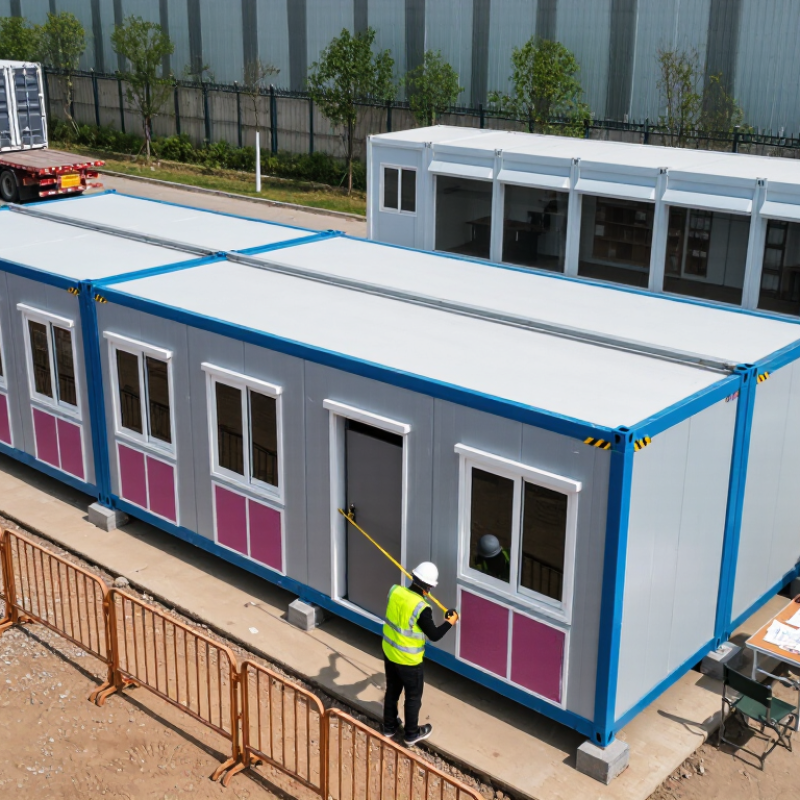
How to Choose a Modular Container in 2026? Define the Intended Use, Occupancy, and Site Conditions
Start with the job the container must do: provide a quiet office, a temporary classroom, or secure equipment storage. Each use affects insulation, ventilation, windows, power, and interior finishes. Estimate peak occupancy, not just the usual headcount. A room that feels comfortable for four workers may become cramped when eight people gather around a table. The Modular Building Institute’s 2024 annual report estimated North America’s modular construction market at $20.3 billion in 2023, reflecting broad use across project types. That scale does not make every unit suitable for every site. A specification still needs to match the actual work.
Tips: Measure access routes before ordering. Record gate width, turning space, overhead wires, and delivery-truck clearance. Check the ground after rain, too. Soft soil can complicate leveling and support. Note slope, drainage, wind exposure, and utility connection points, then share the measurements with the supplier. Confirm local occupancy and accessibility requirements with qualified professionals; conditions vary by location. One detail is easy to miss: future use. A storage unit may later become a staffed workspace, so plan for safe exits, fresh air, lighting, and enough electrical capacity. Plans change. Leave room for that. A site sketch and a realistic headcount often reveal problems that a product checklist misses.
We’ll Come To You!
Quality New Windows & Doors. Competitively Priced!
Christine R.
Please, enter a valid value