
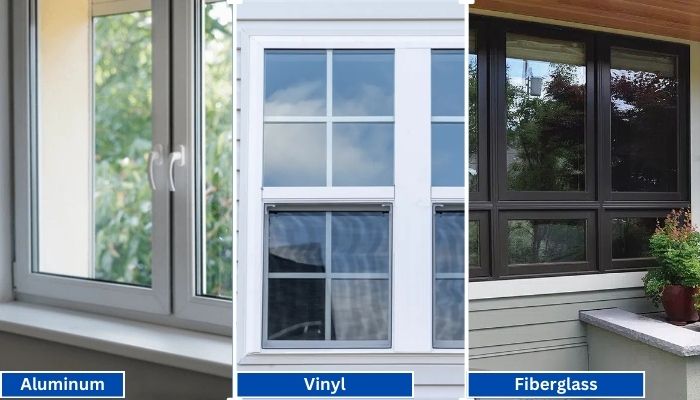
Vinyl generally has the shortest lead times because it is widely produced in standard configurations. Fiberglass is mid-range, especially for factory-painted colors.
Read More
PROUDLY CANADIAN COMPANY OWNED & OPERATED IN TORONTO SINCE 1989!
Vinyl generally has the shortest lead times because it is widely produced in standard configurations. Fiberglass is mid-range, especially for factory-painted colors.
Read More
Vinyl windows have become the go-to choice for homeowners in Toronto, thanks to their durability, energy efficiency, and low maintenance requirements. Whether you're upgrading your home for better insulation or enhancing
Read More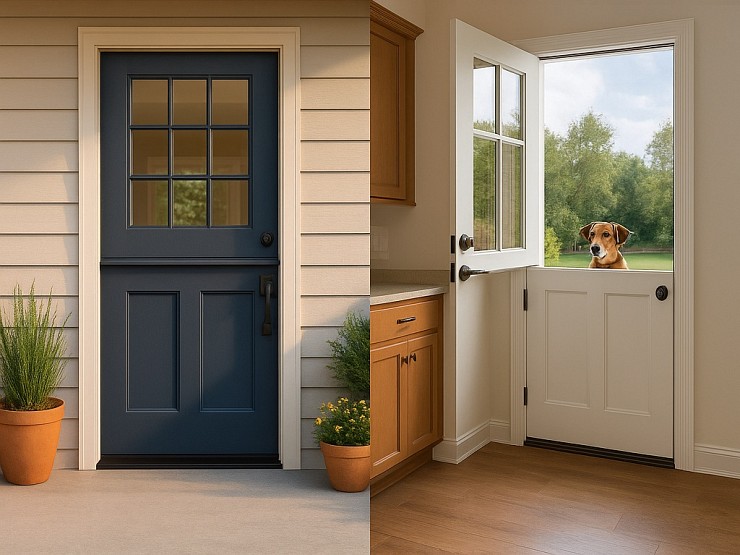
Thinking about changing your front door? A fiberglass Dutch door might have caught your eye. It’s not just a door. It’s part style statement, part smart functionality.
Read More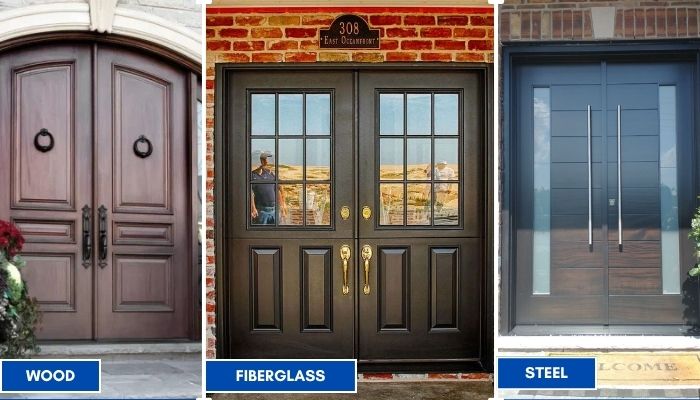
Thinking about replacing your front doors? Double doors are a bold upgrade. They look great, let in more light, and make moving big stuff easier. But the material you choose makes all the difference; especially here in Toronto.
Read More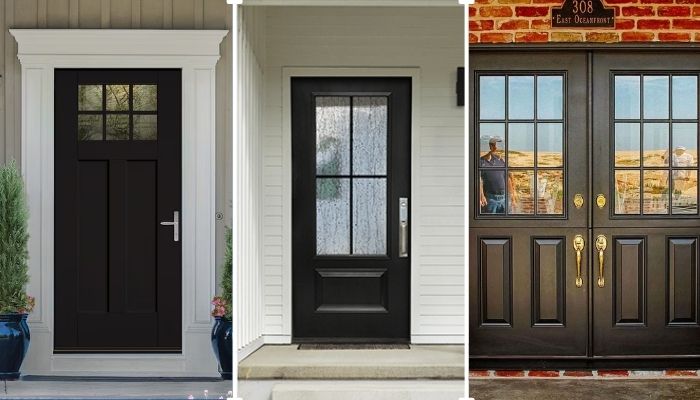
Thinking of giving your home that cozy, farmhouse charm? Let’s talk doors. Specifically, the fiberglass front doors in farmhouse style. You get the rustic look, without the rot, warping, or constant upkeep that comes with wood.
Read More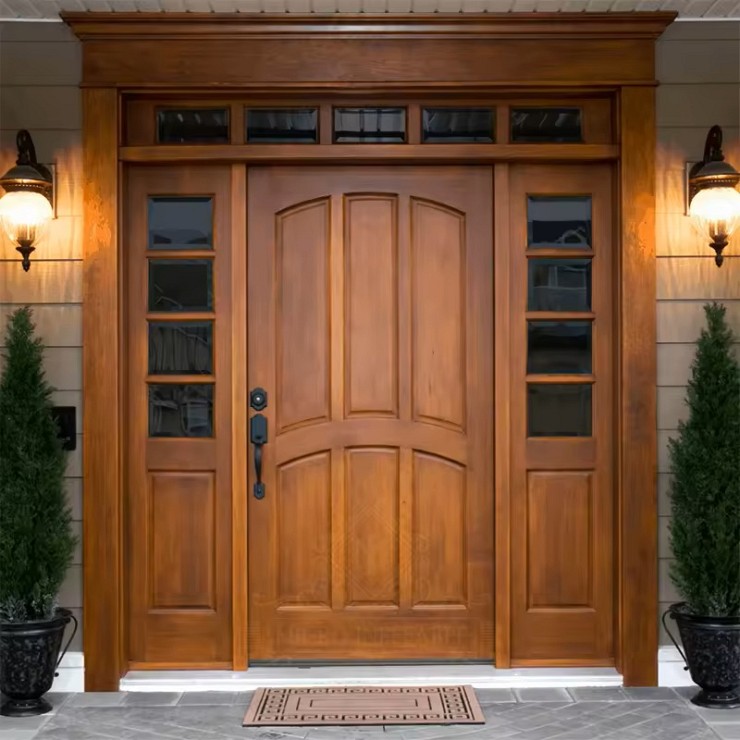
You want something that looks great, lasts long, and doesn’t stress you out with maintenance. You’re not alone. That’s exactly why more and more Toronto homeowners are choosing...
Read More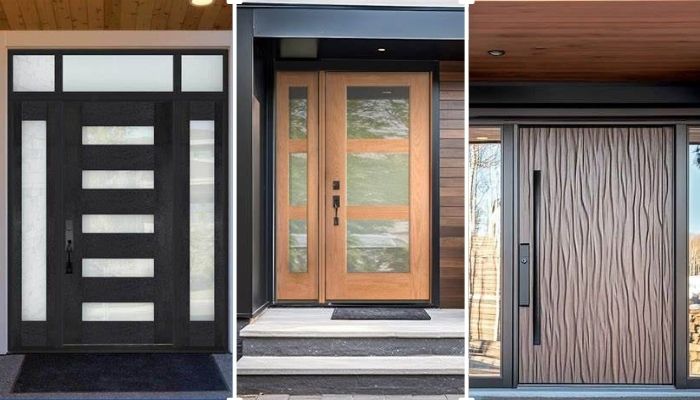
Thinking about replacing your front door? Let’s talk fiberglass. It's one of the smartest upgrades you can make, especially if you're living in Toronto. Whether your current door is drafty, outdated, or just plain boring.
Read More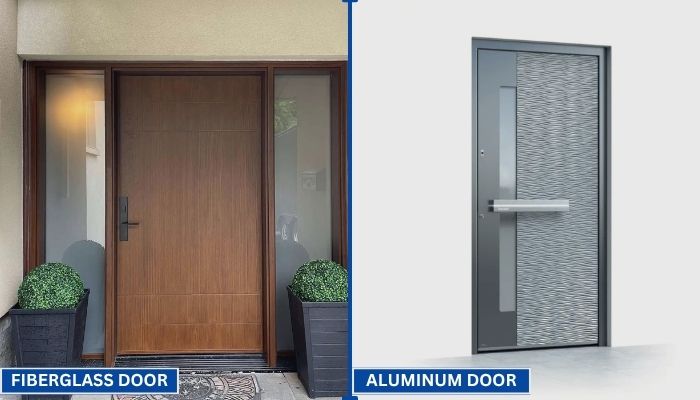
Your front door does more than just open and close. It protects your home, adds curb appeal, and helps control indoor temperature. That’s why picking the right door material matters.
Read More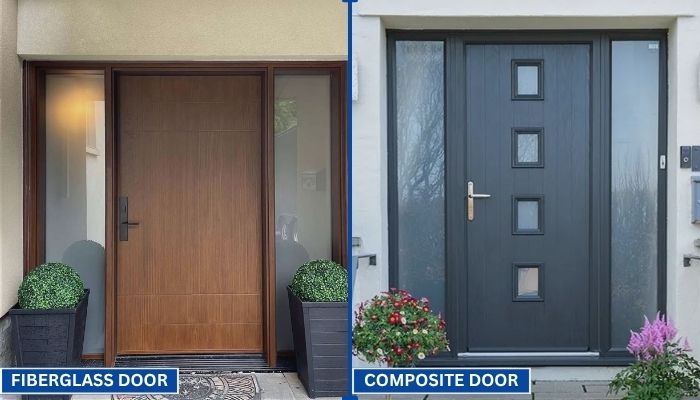
Choosing the right door can be confusing. You want something that looks good, lasts long, and keeps your home secure. Two of the most popular options today are fiberglass and composite doors.
Read More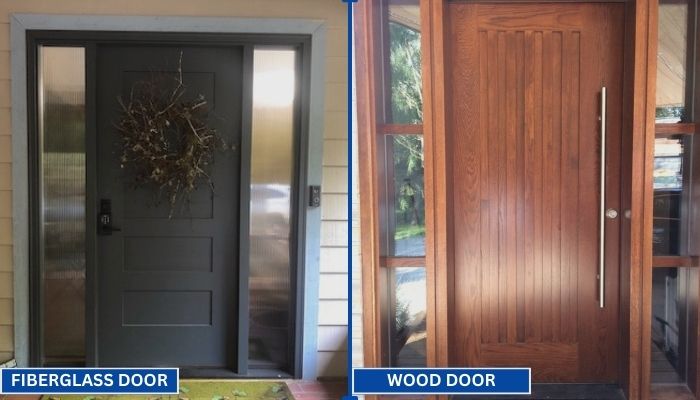
Replacing your front door is a big decision. Wood and fiberglass are two of the most popular materials for entry doors. Each has its own strengths in terms of style, durability, and maintenance. To help you choose the right one for your home, we have to go through a clear comparison.
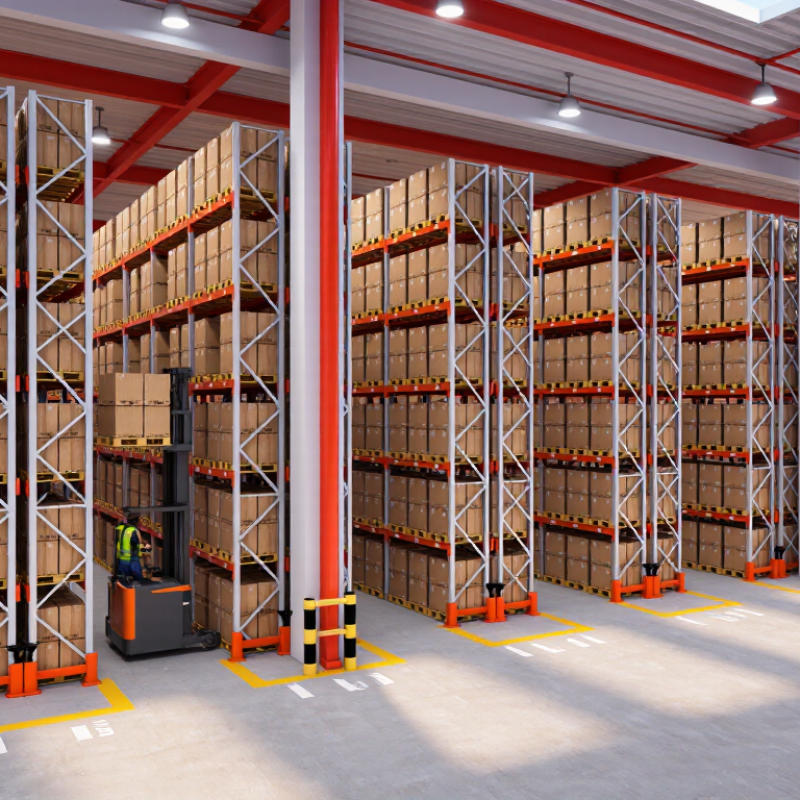
Read MoreChoosing Racking Equipment in 2026 requires more than comparing prices or warehouse photographs. Storage density, load capacity, forklift movement, and future expansion must work together. A rack that fits today’s pallets may restrict tomorrow’s automation. Measure the building first. Note clear heights, column positions, floor conditions, and emergency access routes.
Reliable selection begins with verified data. Confirm pallet dimensions, unit weights, beam deflection limits, and expected loading cycles. Ask suppliers for engineering calculations, inspection procedures, and documented installation experience. Regional building, fire, and workplace requirements also matter. Local professionals should review the final design, especially in seismic areas or high-rise warehouses. Small details can prevent expensive failures.
Walk through the proposed layout before ordering. Mark rack lines with tape and move a loaded pallet through each aisle. This simple test often reveals turning problems. It is not perfect. Operational habits change, and forecasts can be wrong. Leave adjustable levels and a realistic growth allowance where possible. Consider selective racks, drive-in systems, cantilever storage, or automated solutions based on product behavior, not fashion.
The best decision balances safety, accessibility, productivity, and lifetime cost. Cheap equipment can become costly after repeated damage, difficult inspections, or poor access. Ask how damaged components will be identified and replaced. Review maintenance responsibilities in writing. A practical plan should remain understandable to operators, auditors, and future managers. Good storage starts with evidence, not assumptions.
How to Choose Racking Equipment in 2026?
Storage decisions should begin with demand, not equipment catalogs. List each SKU’s dimensions, weight, pallet type, turnover rate, and replenishment pattern. A 1,000-kilogram pallet needs different support than cartons picked individually.
The 2024 MHI Annual Industry Report found that 55% of supply chain leaders planned to increase technology investment. That trend makes accurate inventory data essential. Review at least twelve months of receipts and shipments before selecting rack capacity. Separate fast-moving items from reserve stock. Measure peak demand, not only average demand. Small errors become expensive.
Load profiles need practical testing. Check pallet deflection, beam ratings, frame capacity, and uneven loading risks. Leave required clearance below sprinklers. Confirm the floor slab can support concentrated loads. Measure column spacing, ceiling height, dock positions, fire exits, and forklift turning paths. Aisles may look generous on paper. They often are not.
Warehouse constraints also include people. The U.S. Bureau of Labor Statistics reported 1.9 million nonfatal workplace injuries and illnesses in private industry during 2022. Safer layouts deserve measurable attention. Use guarded rack ends, visible load plaques, and inspection routines. Standards still need local verification.
Do not trust a clean spreadsheet completely. Real pallets lean, labels disappear, and seasonal peaks arrive early. Recheck assumptions with operators who touch the inventory daily. That conversation can expose the missing constraint.
We’ll Come To You!
Quality New Windows & Doors. Competitively Priced!
Christine R.
Please, enter a valid value