
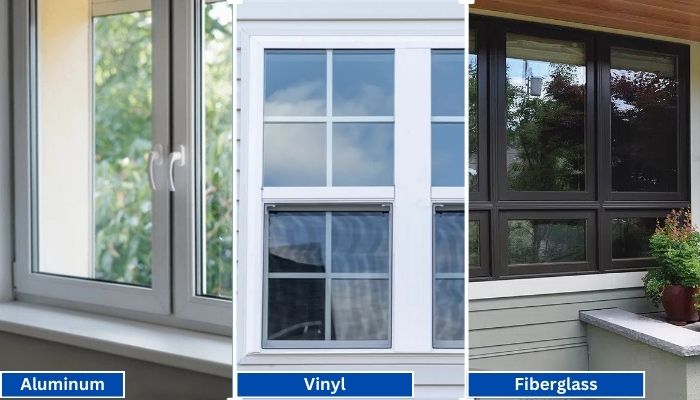
Vinyl generally has the shortest lead times because it is widely produced in standard configurations. Fiberglass is mid-range, especially for factory-painted colors.
Read More
PROUDLY CANADIAN COMPANY OWNED & OPERATED IN TORONTO SINCE 1989!
Vinyl generally has the shortest lead times because it is widely produced in standard configurations. Fiberglass is mid-range, especially for factory-painted colors.
Read More
Vinyl windows have become the go-to choice for homeowners in Toronto, thanks to their durability, energy efficiency, and low maintenance requirements. Whether you're upgrading your home for better insulation or enhancing
Read More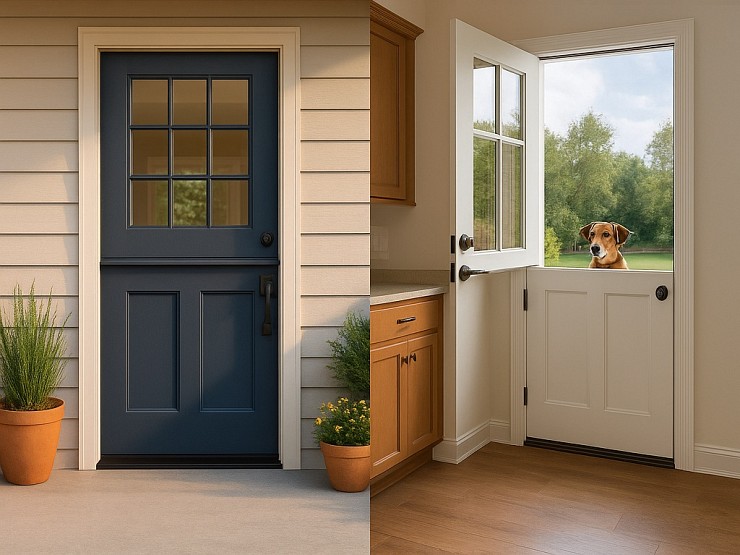
Thinking about changing your front door? A fiberglass Dutch door might have caught your eye. It’s not just a door. It’s part style statement, part smart functionality.
Read More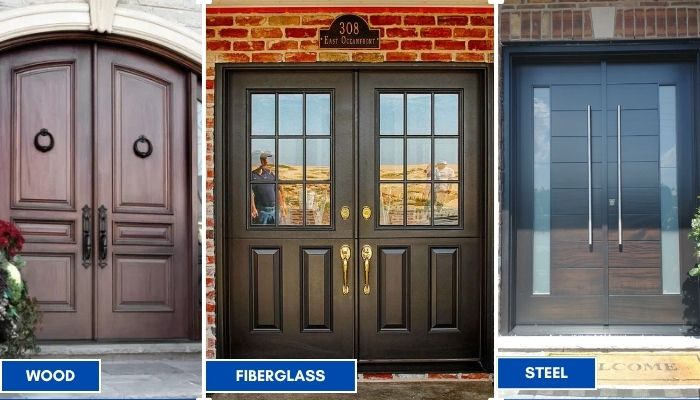
Thinking about replacing your front doors? Double doors are a bold upgrade. They look great, let in more light, and make moving big stuff easier. But the material you choose makes all the difference; especially here in Toronto.
Read More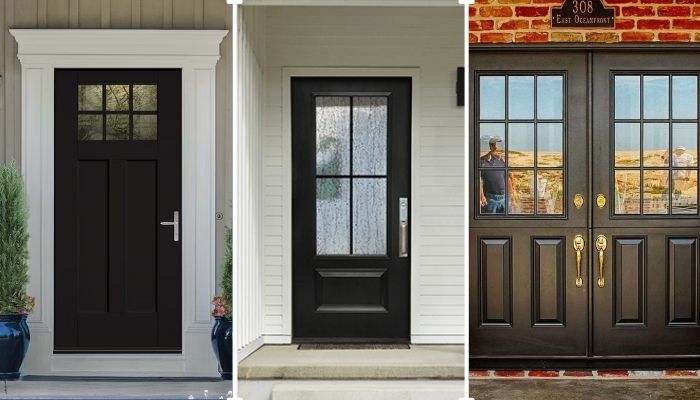
Thinking of giving your home that cozy, farmhouse charm? Let’s talk doors. Specifically, the fiberglass front doors in farmhouse style. You get the rustic look, without the rot, warping, or constant upkeep that comes with wood.
Read More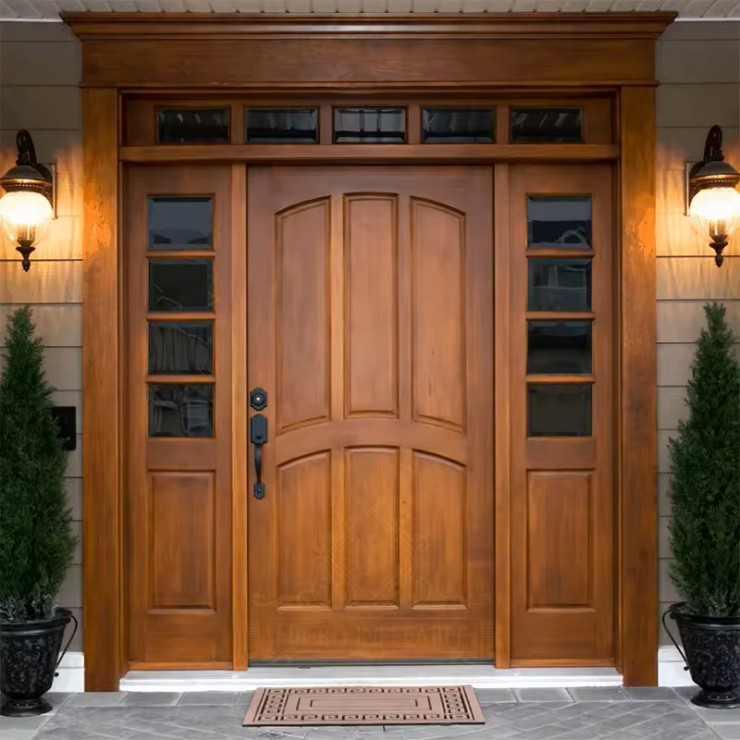
You want something that looks great, lasts long, and doesn’t stress you out with maintenance. You’re not alone. That’s exactly why more and more Toronto homeowners are choosing...
Read More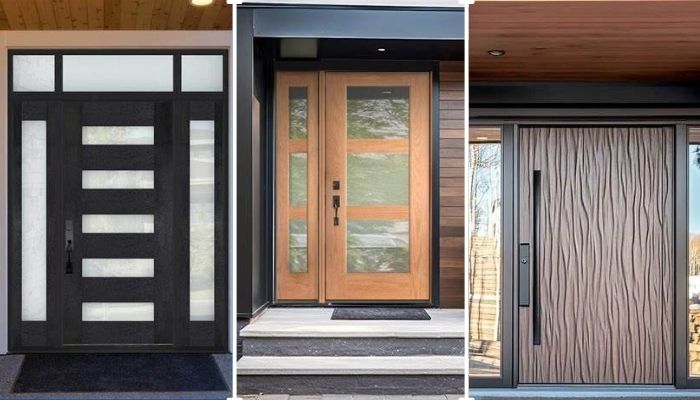
Thinking about replacing your front door? Let’s talk fiberglass. It's one of the smartest upgrades you can make, especially if you're living in Toronto. Whether your current door is drafty, outdated, or just plain boring.
Read More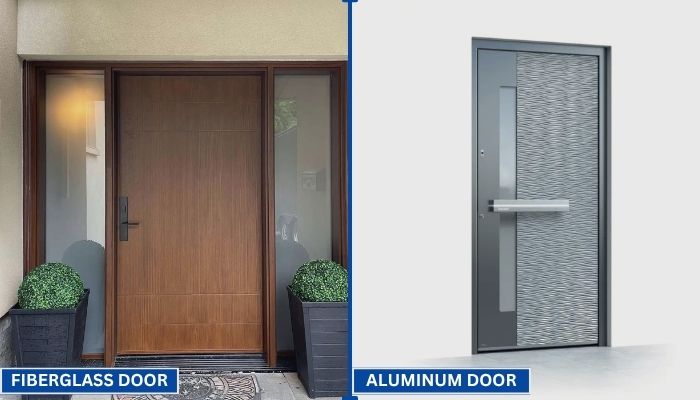
Your front door does more than just open and close. It protects your home, adds curb appeal, and helps control indoor temperature. That’s why picking the right door material matters.
Read More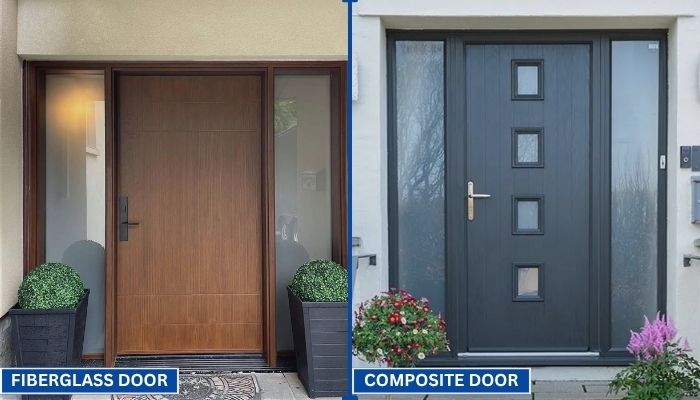
Choosing the right door can be confusing. You want something that looks good, lasts long, and keeps your home secure. Two of the most popular options today are fiberglass and composite doors.
Read More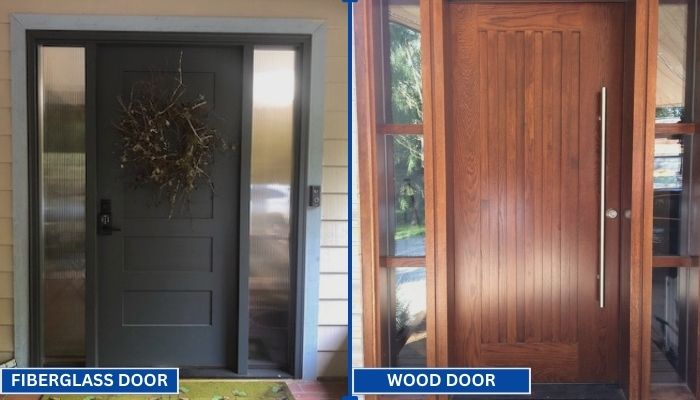
Replacing your front door is a big decision. Wood and fiberglass are two of the most popular materials for entry doors. Each has its own strengths in terms of style, durability, and maintenance. To help you choose the right one for your home, we have to go through a clear comparison.
Read MoreChoosing Soundproof aluminum folding doors is not simply a matter of selecting the thickest frame or heaviest glass. The real question is how the complete door system controls sound. Acoustics expert Dr. Lily M. Wang explains, “Sound isolation is not the same as sound absorption.” That distinction is easy to miss.
A reliable choice begins with practical evidence. Check the tested sound transmission rating, glass composition, panel thickness, seals, hinges, and threshold design. Look for continuous magnetic or compression seals around every meeting edge. A small gap beneath the panels can undermine an otherwise expensive installation. Laminated acoustic glass may reduce voices, traffic, and machinery noise, while still allowing daylight into the room.
Folding doors also create compromises. Their multiple panels offer wide openings, but each joint can become a weak acoustic point. A higher laboratory rating may not match real performance if the wall, ceiling, or floor transmits noise around the door. Site measurements and professional installation matter. Very much.
Consider the room’s purpose. A home office may need speech control, while a conference room may require stronger privacy. A restaurant might prioritize music reduction and frequent operation. Ask suppliers for certified test reports, maintenance guidance, and project references. Do not rely only on attractive product photographs.
This guide examines the details behind Soundproof aluminum folding doors, including acoustic ratings, frame construction, glazing, sealing, installation, and long-term reliability. The perfect solution may not exist. A thoughtful, well-tested compromise usually performs better than an impressive specification sheet.
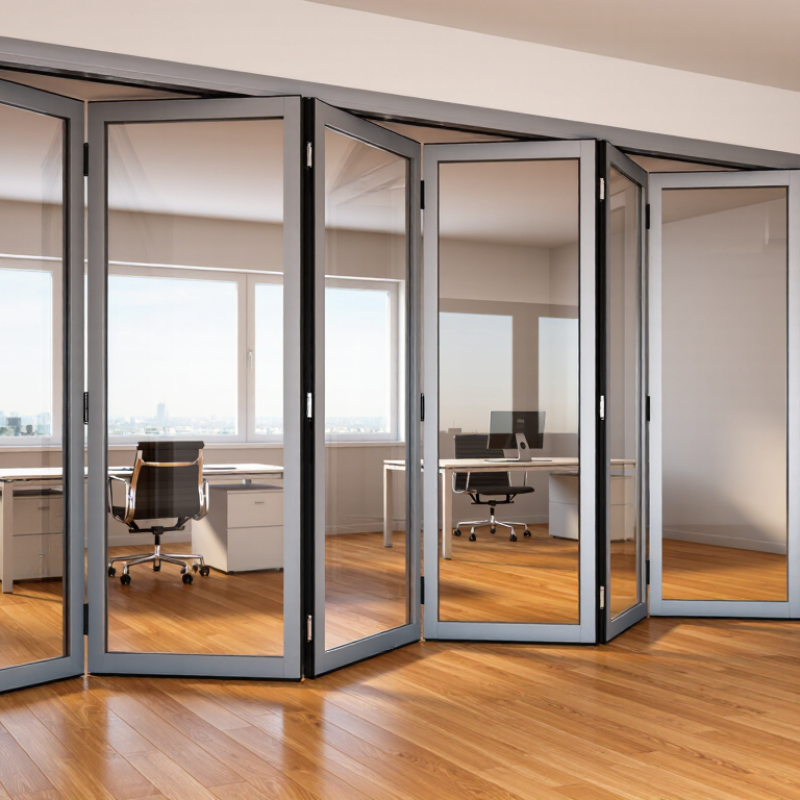
Defining the soundproofing goal is the real starting point for aluminum folding doors. Noise is not one thing. Traffic produces low-frequency rumble, while voices and dishes occupy higher frequencies. Identify the source, room, operating hours, and acceptable indoor level before selecting a door. The World Health Organization’s Environmental Noise Guidelines for the European Region recommend keeping bedroom noise below 30 dB(A) at night. That figure is a useful reference, not a universal promise. A bedroom beside a busy road needs a different target from a meeting room facing a quiet garden.
Ask suppliers for laboratory sound ratings, such as Rw or STC, and check which test method was used. ASTM E90 measures airborne sound transmission, while ASTM E413 explains how STC ratings are classified. These results describe a complete tested assembly, not only the glass. In practice, folding panels can lose performance through worn gaskets, uneven alignment, thin thresholds, or gaps at the meeting stiles. Installation matters greatly. A beautiful specification can fail on site. The ISO 16283-1 field-testing standard is useful when verifying installed performance. Request frequency data, especially below 250 Hz, because a single rating may hide weak bass performance. I would also review ventilation paths and adjacent walls, since sound may bypass the door entirely. Define the target honestly, then match the glass, frame, seals, hardware, and installation to that target.
| Soundproofing Dimension | Recommended Target or Data | What to Specify for the Door | Selection Notes |
|---|---|---|---|
| Primary Noise Source | Identify whether the noise is speech, television, traffic, music, machinery, or low-frequency impact noise. | Choose glazing, seals, framing, and panel construction according to the dominant frequency range. | A door that performs well against speech may not provide the same reduction against bass, engines, or vibration. |
| Required Acoustic Rating | Use a tested assembly rating such as STC or Rw rather than relying on the aluminum frame material alone. | For general privacy, consider approximately STC/Rw 30–35; for stronger speech privacy, approximately 35–45; higher ratings require specialized tested systems. | STC and Rw are laboratory ratings. The installed result can be lower because of gaps, adjacent walls, ceilings, floors, and installation quality. |
| Glazing Configuration | Single glazing generally provides less sound insulation than insulated or laminated glazing. | Prioritize laminated acoustic glass, different glass thicknesses, and an air space in double-glazed units where the tested design supports it. | Laminated glass can improve damping, while unequal glass thicknesses can broaden performance across different frequencies. |
| Panel Joint Sealing | Continuous air leakage is one of the most common causes of poor acoustic performance. | Specify continuous compression gaskets, interlocking meeting stiles, and sealed panel-to-panel joints. | Small gaps can significantly reduce the overall performance of a folding door, even when the glass has a good laboratory rating. |
| Perimeter Seals | The head, jambs, sill, and meeting edges should form a continuous acoustic barrier when closed. | Request multi-point compression seals and an acoustically sealed perimeter compatible with the operating hardware. | Brush seals may help with dust and drafts, but compression seals generally provide a more reliable airtight closure. |
| Bottom Track and Threshold | The sill area must control the gap beneath the panels without preventing smooth operation or drainage. | Select a sealed threshold or drop seal where applicable, and confirm accessibility and water-management requirements. | A low or flush threshold may require a different sealing detail; never assume a weather-resistant track is automatically acoustically airtight. |
| Frame and Panel Mass | Greater surface mass and rigid, well-damped panels generally improve airborne sound reduction. | Use thermally broken aluminum profiles with suitable panel depth, reinforced meeting stiles, and tested infill construction. | Aluminum is durable and rigid, but the frame itself does not guarantee soundproofing; joints, glazing, and seals are equally important. |
| Opening Size and Number of Panels | Wider openings and more folding leaves create more joints and more potential leakage paths. | Minimize unnecessary panel joints and confirm that the acoustic rating applies to the actual width, height, and panel count. | A laboratory result for a small sample may not represent a large multi-panel installation. |
| Installation Accuracy | The frame must be square, plumb, level, and firmly connected to the surrounding structure. | Require sealed perimeter interfaces, correctly adjusted rollers, aligned panels, and a documented installation procedure. | An acoustic door cannot compensate for unsealed wall joints, warped openings, or misaligned hardware. |
| Adjacent Construction | The weakest element in the room envelope often controls the final result. | Check the acoustic performance of adjoining walls, windows, ceilings, floors, vents, and other doors. | Improving only the folding door may have limited benefit if sound bypasses it through a lightweight wall or ceiling. |
| Testing and Documentation | Request laboratory test data for the complete door assembly, including frame, glazing, seals, hardware, and operating configuration. | Verify the test standard, specimen dimensions, glass build-up, panel count, and whether the result is STC, Rw, or another metric. | Do not compare isolated glass ratings with complete-door ratings; they describe different products or assemblies. |
| Operating Frequency | Folding doors are opened frequently, so seals and hardware must maintain compression over repeated cycles. | Choose durable gaskets, adjustable hardware, and a maintenance plan for seal inspection and panel alignment. | Worn seals, loose rollers, and reduced closing pressure can gradually reduce acoustic performance. |
| Final Acceptance Check | Confirm that the installed door meets the intended privacy and noise-reduction objective under actual site conditions. | Inspect daylight gaps, gasket compression, threshold contact, locking points, and the interface with the surrounding wall. | For critical projects, use field acoustic testing by a qualified professional rather than relying only on product literature. |
Important: Acoustic performance values are indicative selection targets. The final result depends on the complete tested assembly, opening dimensions, installation quality, surrounding construction, and site conditions.
We’ll Come To You!
Quality New Windows & Doors. Competitively Priced!
Christine R.
Please, enter a valid value