
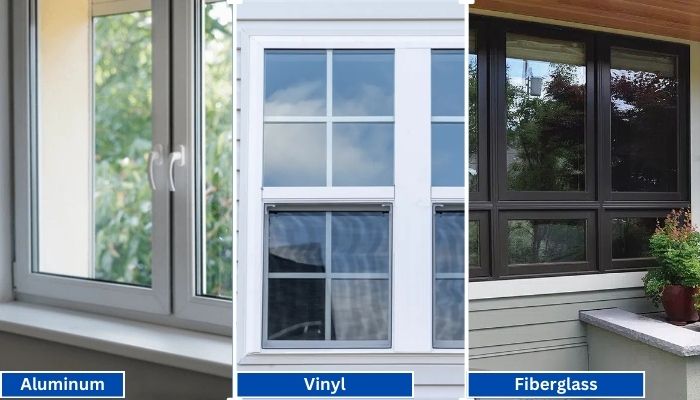
Vinyl generally has the shortest lead times because it is widely produced in standard configurations. Fiberglass is mid-range, especially for factory-painted colors.
Read More
PROUDLY CANADIAN COMPANY OWNED & OPERATED IN TORONTO SINCE 1989!
Vinyl generally has the shortest lead times because it is widely produced in standard configurations. Fiberglass is mid-range, especially for factory-painted colors.
Read More
Vinyl windows have become the go-to choice for homeowners in Toronto, thanks to their durability, energy efficiency, and low maintenance requirements. Whether you're upgrading your home for better insulation or enhancing
Read More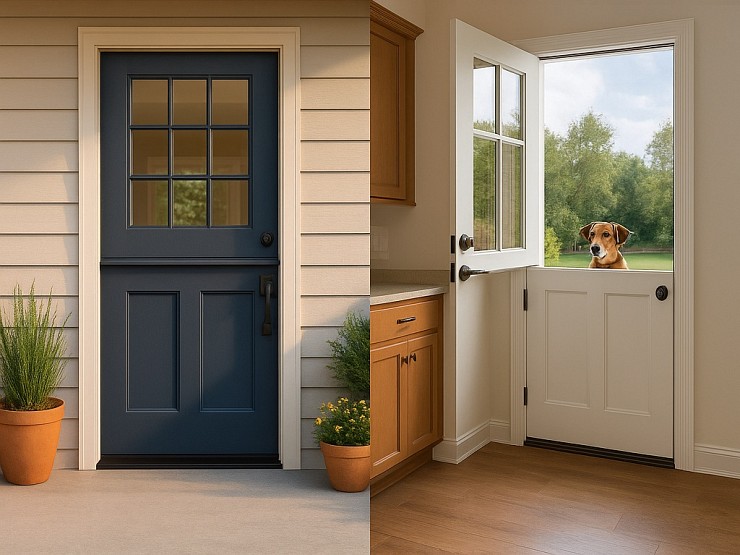
Thinking about changing your front door? A fiberglass Dutch door might have caught your eye. It’s not just a door. It’s part style statement, part smart functionality.
Read More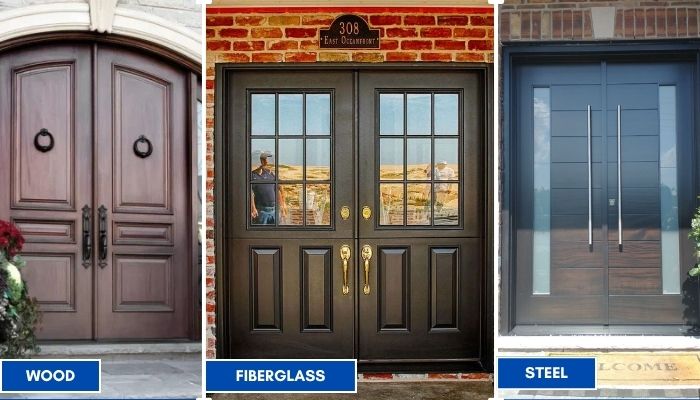
Thinking about replacing your front doors? Double doors are a bold upgrade. They look great, let in more light, and make moving big stuff easier. But the material you choose makes all the difference; especially here in Toronto.
Read More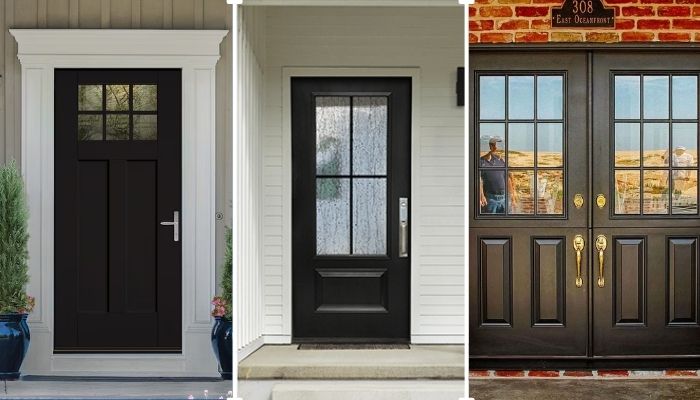
Thinking of giving your home that cozy, farmhouse charm? Let’s talk doors. Specifically, the fiberglass front doors in farmhouse style. You get the rustic look, without the rot, warping, or constant upkeep that comes with wood.
Read More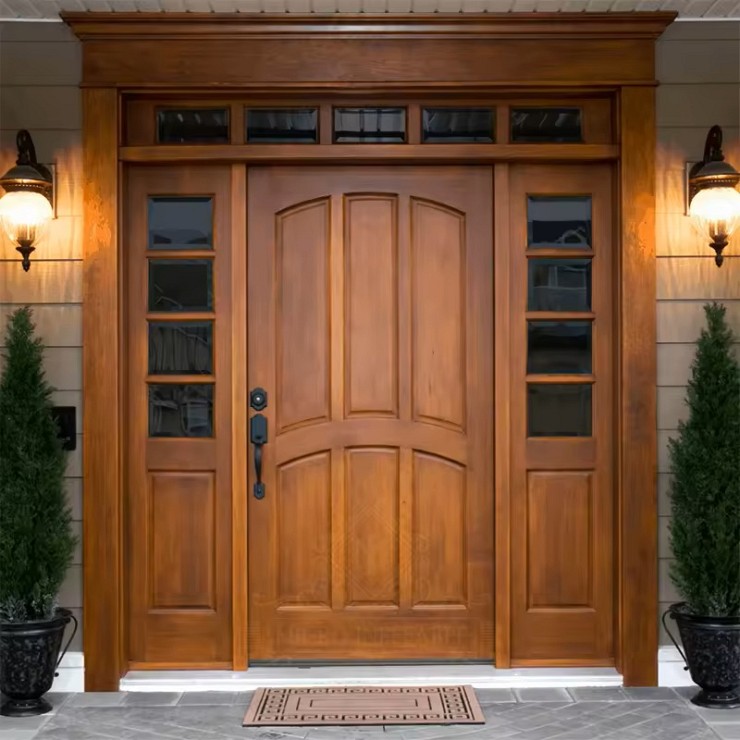
You want something that looks great, lasts long, and doesn’t stress you out with maintenance. You’re not alone. That’s exactly why more and more Toronto homeowners are choosing...
Read More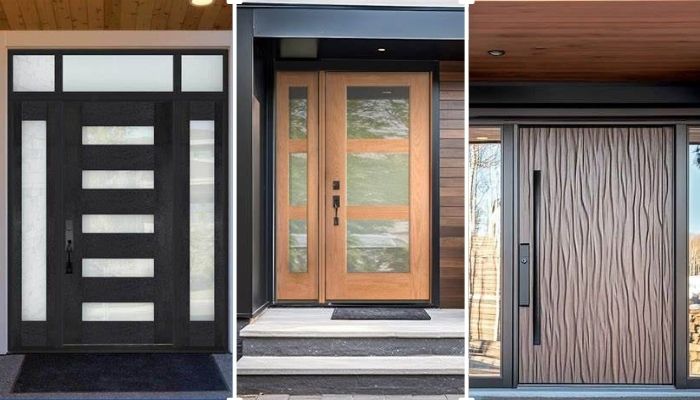
Thinking about replacing your front door? Let’s talk fiberglass. It's one of the smartest upgrades you can make, especially if you're living in Toronto. Whether your current door is drafty, outdated, or just plain boring.
Read More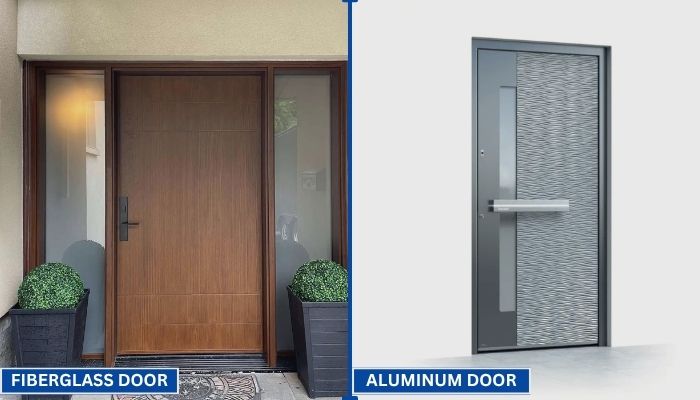
Your front door does more than just open and close. It protects your home, adds curb appeal, and helps control indoor temperature. That’s why picking the right door material matters.
Read More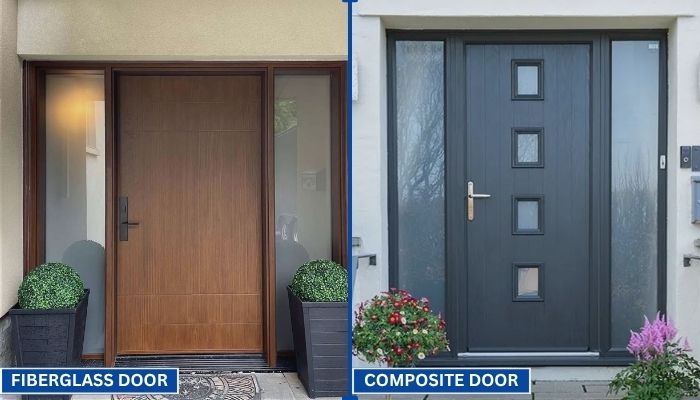
Choosing the right door can be confusing. You want something that looks good, lasts long, and keeps your home secure. Two of the most popular options today are fiberglass and composite doors.
Read More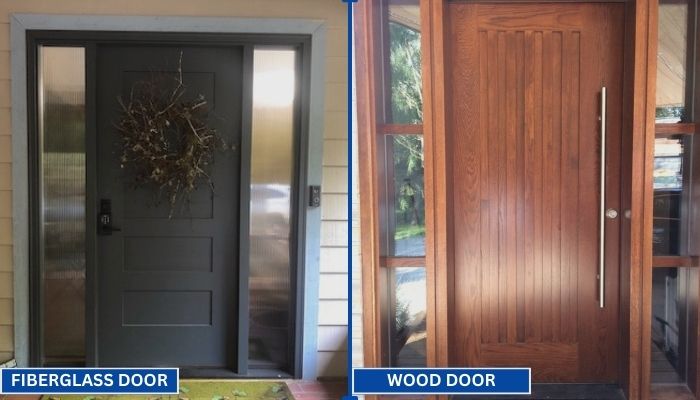
Replacing your front door is a big decision. Wood and fiberglass are two of the most popular materials for entry doors. Each has its own strengths in terms of style, durability, and maintenance. To help you choose the right one for your home, we have to go through a clear comparison.
Read MoreChoosing the best carbon fiber tube in 2026 starts with the job it must perform. A lightweight tube may look ideal on a specification sheet, yet fail under repeated bending, impact, or heat. Load direction matters. So do diameter, wall thickness, fiber orientation, resin system, and joining method. Small details can change performance.
The market is growing, but market growth does not prove that every tube suits every application. Grand View Research valued the global carbon fiber market at approximately US$5.48 billion in 2023 and projected an 11.0% compound annual growth rate from 2024 to 2030. That figure covers carbon fiber broadly, not carbon fiber tubes alone. It signals wider adoption, not a shortcut to product selection. Lucintel CEO Sanjay Mazumdar has emphasized that composite choices should be guided by application requirements and performance needs. In practical terms: begin with the load case, not the sales brochure. Then check the manufacturer’s test data, tolerances, surface finish, and quality controls. Ask how the tube performs under the conditions you actually expect. A tidy datasheet can still leave gaps. This guide compares the factors that matter, from stiffness and strength to cost and inspection, so buyers can make a defensible choice—and recognize where more testing is needed.
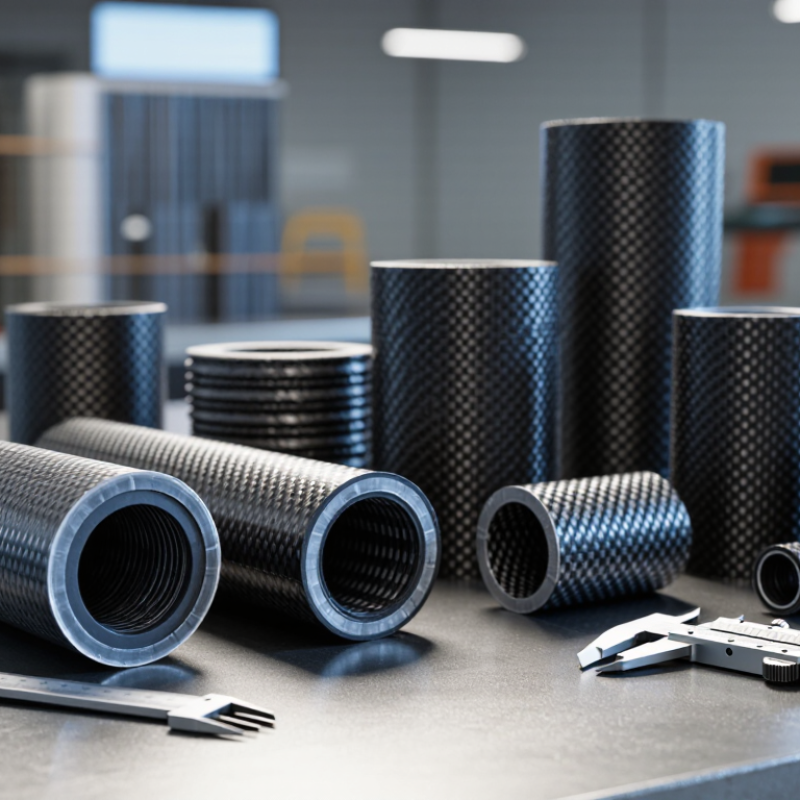
Define the tube’s job before comparing grades. Is it a camera mast, robotic arm, or structural brace? Record the unsupported length, load direction, peak force, vibration, temperature, and expected service cycles. Carbon tubes can be stiff along their fibers yet much weaker across them. Layup direction matters.
CMH-17, Volume 3, provides material-property data for polymer-matrix composites; typical carbon/epoxy laminate density is roughly 1.5–1.6 g/cm³, but actual values depend on the layup and resin. That is not enough. Set a measurable deflection limit, then specify the tube’s outer diameter, wall thickness, and end connections. For bending, a larger diameter can improve stiffness without simply adding wall thickness. For crushing or clamp loads, local reinforcement may matter more. ASTM D3039 and D6641 describe tensile and compression testing methods, useful when comparing verified laminate data. A catalog strength value alone can mislead: it may describe a coupon, not a finished tube. The awkward part is that real joints and drilled holes can change performance. Include them in the requirement, even if the first estimate feels incomplete.
We’ll Come To You!
Quality New Windows & Doors. Competitively Priced!
Christine R.
Please, enter a valid value