
Vinyl generally has the shortest lead times because it is widely produced in standard configurations. Fiberglass is mid-range, especially for factory-painted colors.
Read More
PROUDLY CANADIAN COMPANY OWNED & OPERATED IN TORONTO SINCE 1989!
Vinyl generally has the shortest lead times because it is widely produced in standard configurations. Fiberglass is mid-range, especially for factory-painted colors.
Read More
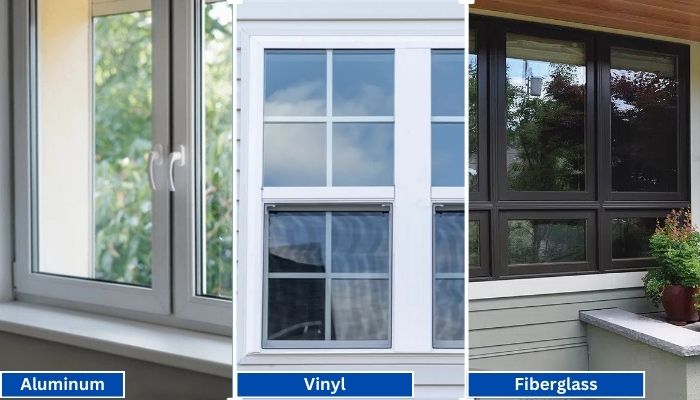
Vinyl windows have become the go-to choice for homeowners in Toronto, thanks to their durability, energy efficiency, and low maintenance requirements. Whether you're upgrading your home for better insulation or enhancing
Read More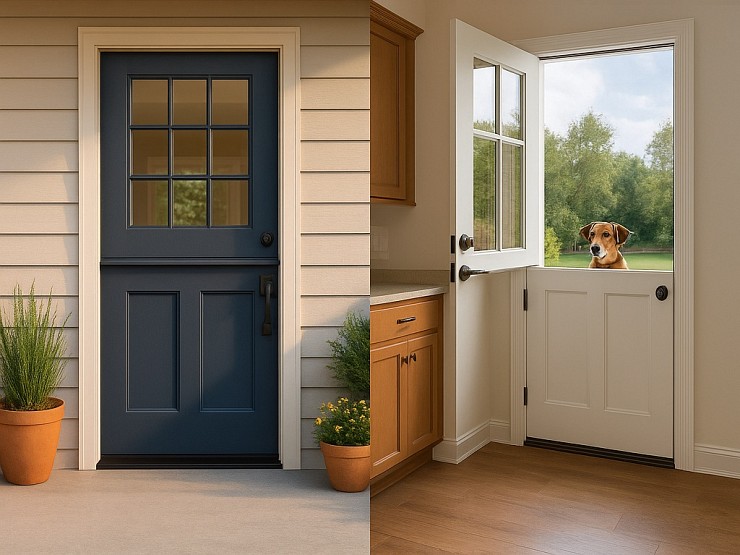
Thinking about changing your front door? A fiberglass Dutch door might have caught your eye. It’s not just a door. It’s part style statement, part smart functionality.
Read More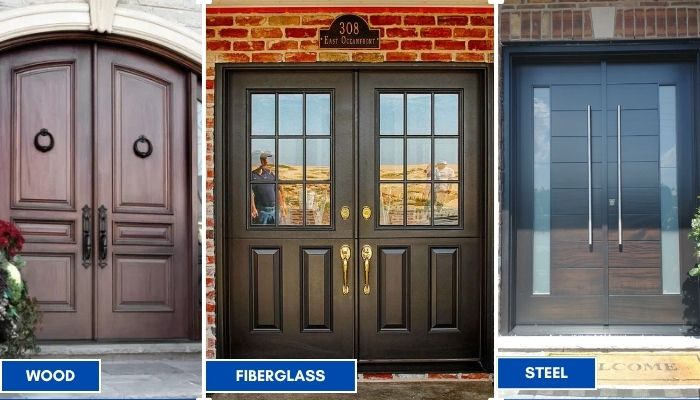
Thinking about replacing your front doors? Double doors are a bold upgrade. They look great, let in more light, and make moving big stuff easier. But the material you choose makes all the difference; especially here in Toronto.
Read More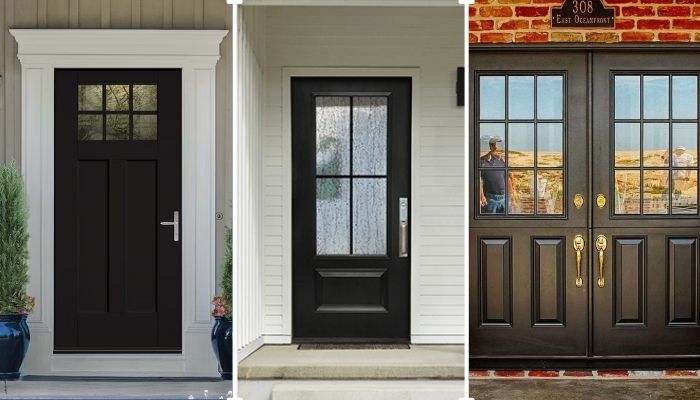
Thinking of giving your home that cozy, farmhouse charm? Let’s talk doors. Specifically, the fiberglass front doors in farmhouse style. You get the rustic look, without the rot, warping, or constant upkeep that comes with wood.
Read More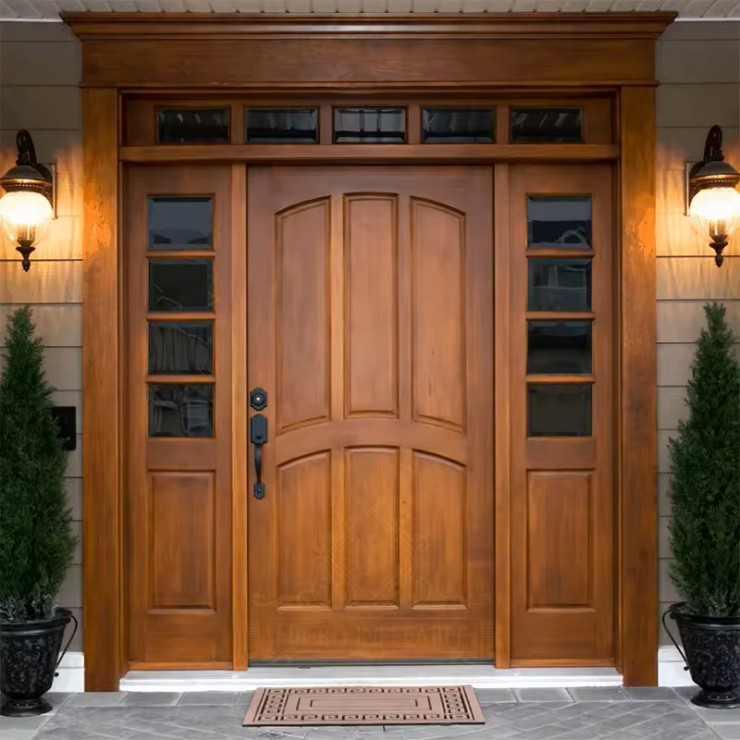
You want something that looks great, lasts long, and doesn’t stress you out with maintenance. You’re not alone. That’s exactly why more and more Toronto homeowners are choosing...
Read More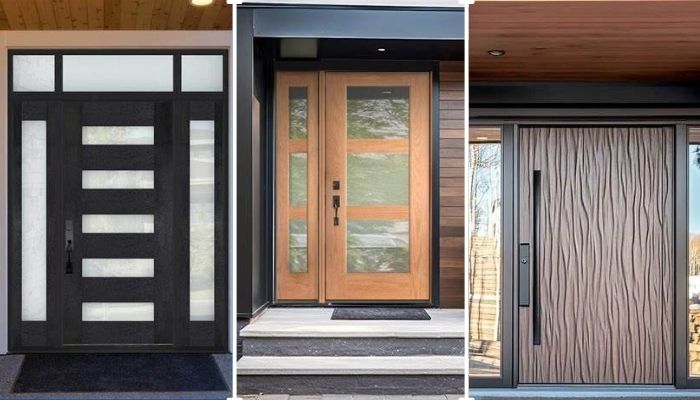
Thinking about replacing your front door? Let’s talk fiberglass. It's one of the smartest upgrades you can make, especially if you're living in Toronto. Whether your current door is drafty, outdated, or just plain boring.
Read More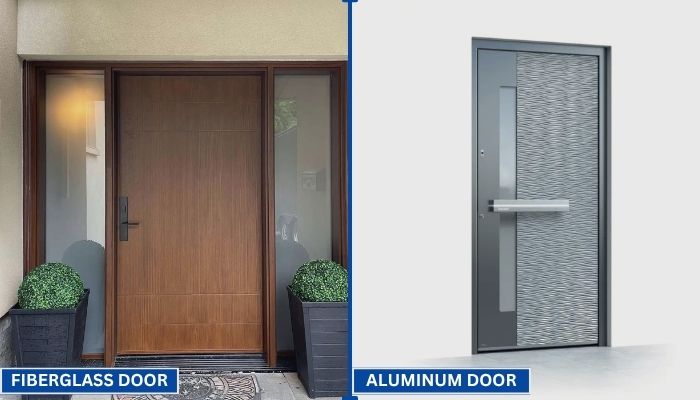
Your front door does more than just open and close. It protects your home, adds curb appeal, and helps control indoor temperature. That’s why picking the right door material matters.
Read More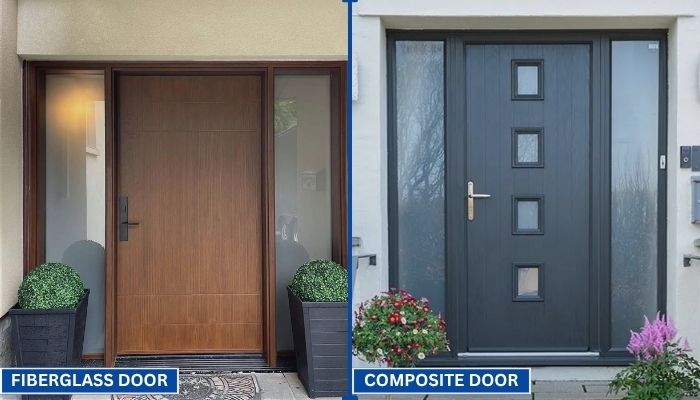
Choosing the right door can be confusing. You want something that looks good, lasts long, and keeps your home secure. Two of the most popular options today are fiberglass and composite doors.
Read More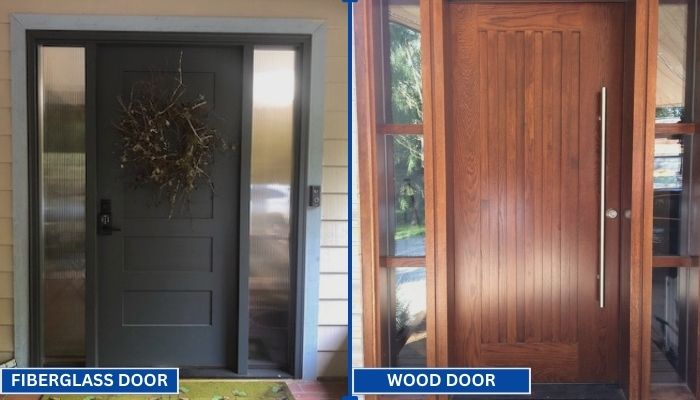
Replacing your front door is a big decision. Wood and fiberglass are two of the most popular materials for entry doors. Each has its own strengths in terms of style, durability, and maintenance. To help you choose the right one for your home, we have to go through a clear comparison.
Read MoreChoosing the right fiberglass doors is more than selecting a color, panel design, or attractive glass insert. A quality door must withstand weather, protect indoor comfort, support home security, and remain easy to operate for years. The best choice depends on your climate, entryway exposure, budget, maintenance expectations, and installation conditions.
Building-performance educator Mark LaLiberte often emphasizes, “The building envelope is a system, not a collection of products.” That principle matters here. Even excellent fiberglass doors can underperform when the frame is poorly fitted, the sill is unprotected, or the weatherstripping is compressed incorrectly. Small gaps around the jamb can invite cold air, rain, and insects. You may notice them first as a draft near your ankle.
This guide examines the details that are easy to overlook. We will compare insulation values, skin thickness, core materials, hardware, glazing, finishes, and warranty coverage. We will also consider how sunlight affects darker finishes and how coastal air can accelerate hardware corrosion. Some impressive-looking doors are not suitable for every entrance. That is worth admitting.
A sensible evaluation should include the rough opening, threshold height, swing direction, and local weather patterns. Ask how the manufacturer tests water resistance and how replacement parts are supplied. Check the installer’s experience, not just the door brand. Fiberglass doors offer strength and design flexibility, but they are not automatically maintenance-free. The right decision comes from matching verified performance with real household needs.
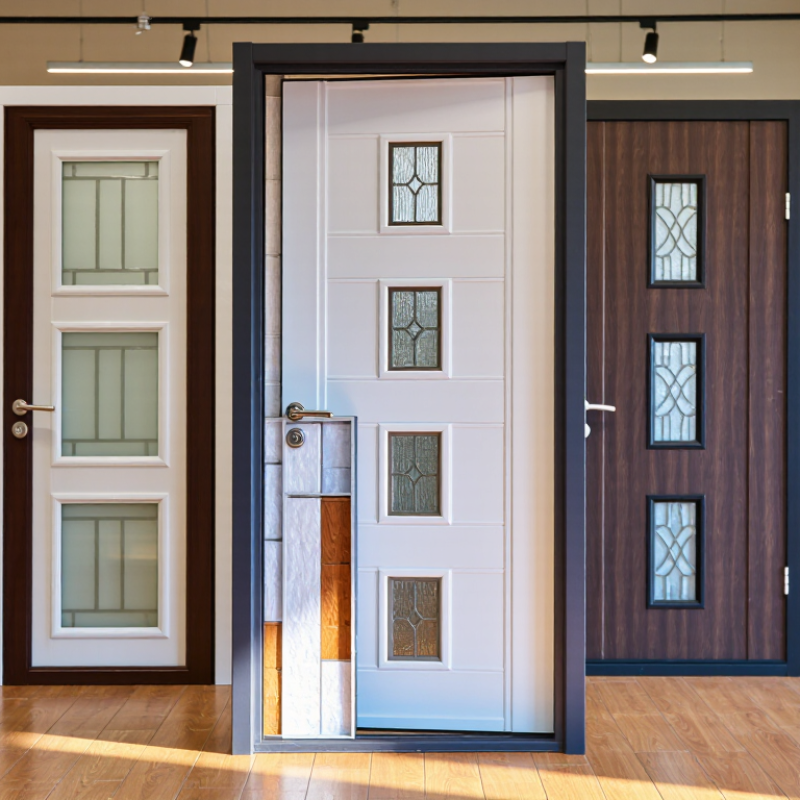
Fiberglass doors combine a molded fiberglass skin with a structural frame and insulated core. The core matters most for comfort. Polyurethane foam usually provides better insulation than polystyrene, but density and installation quality still affect performance. The U.S. Department of Energy reports that insulated steel and fiberglass doors commonly reach R-5 to R-6. However, this range describes the door panel, not the complete doorway.
A fiberglass skin resists moisture, dents, and temperature changes better than many wood surfaces. Inside, polyurethane foam fills much of the panel, reducing cold spots near the center. The frame, hinges, sill, and weatherstripping can still create weak points. The National Fenestration Rating Council evaluates products using U-factor and air-leakage measurements. A lower U-factor generally indicates better insulation. Ask for the complete NFRC label, not only a claimed center-panel R-value. I have seen attractive doors perform poorly because installers compressed the weather seal.
Tips: Check the core type, panel thickness, sill material, and frame insulation. Measure the opening carefully. Look for continuous weatherstripping around all edges. Confirm the product’s U-factor and air-leakage rating. A high-performance core cannot correct a badly fitted frame. Also inspect the bottom corner after installation; small daylight gaps often reveal larger sealing problems. DOE guidance is useful, but local climate and installation workmanship deserve equal attention.
We’ll Come To You!
Quality New Windows & Doors. Competitively Priced!
Christine R.
Please, enter a valid value