
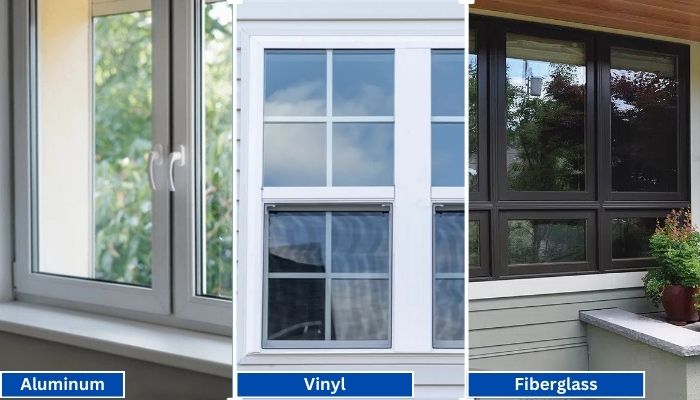
Vinyl generally has the shortest lead times because it is widely produced in standard configurations. Fiberglass is mid-range, especially for factory-painted colors.
Read More
PROUDLY CANADIAN COMPANY OWNED & OPERATED IN TORONTO SINCE 1989!
Vinyl generally has the shortest lead times because it is widely produced in standard configurations. Fiberglass is mid-range, especially for factory-painted colors.
Read More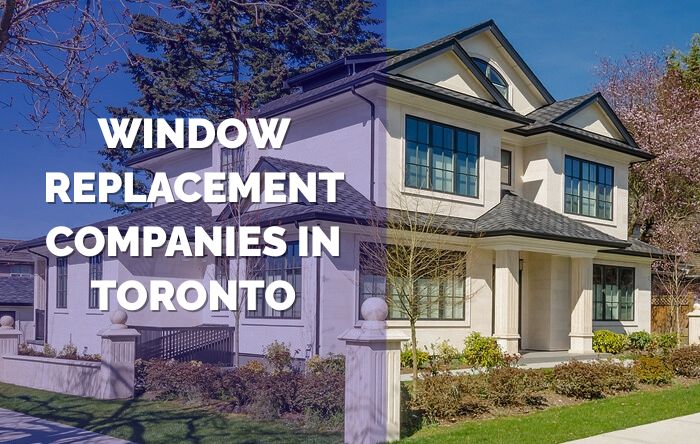
Vinyl windows have become the go-to choice for homeowners in Toronto, thanks to their durability, energy efficiency, and low maintenance requirements. Whether you're upgrading your home for better insulation or enhancing
Read More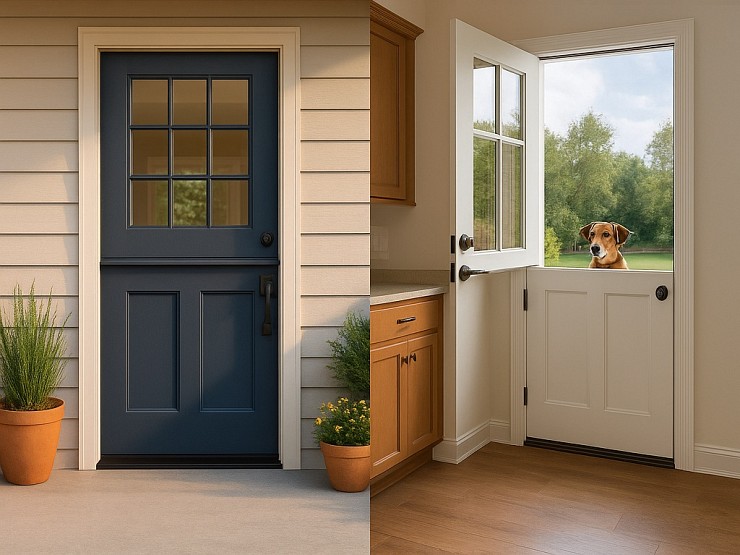
Thinking about changing your front door? A fiberglass Dutch door might have caught your eye. It’s not just a door. It’s part style statement, part smart functionality.
Read More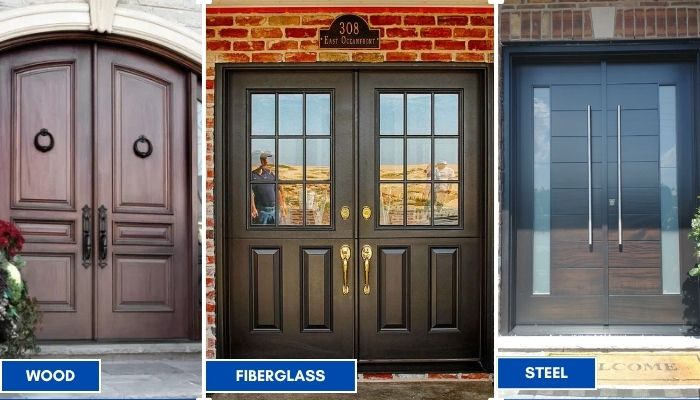
Thinking about replacing your front doors? Double doors are a bold upgrade. They look great, let in more light, and make moving big stuff easier. But the material you choose makes all the difference; especially here in Toronto.
Read More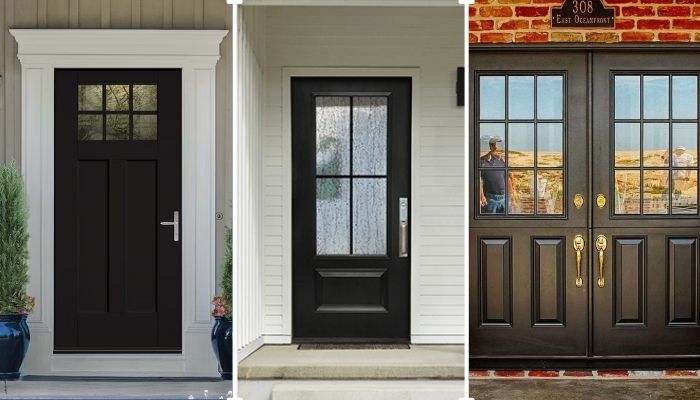
Thinking of giving your home that cozy, farmhouse charm? Let’s talk doors. Specifically, the fiberglass front doors in farmhouse style. You get the rustic look, without the rot, warping, or constant upkeep that comes with wood.
Read More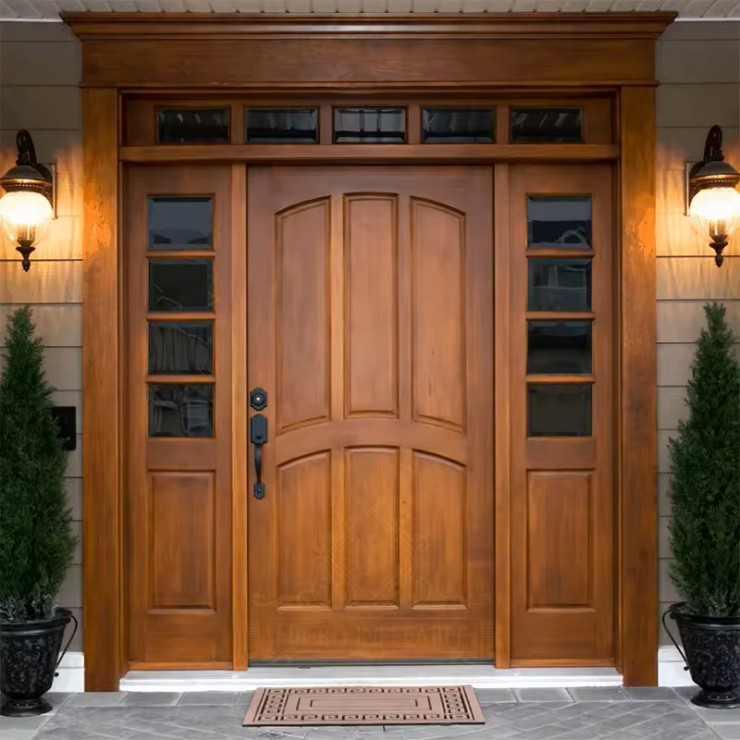
You want something that looks great, lasts long, and doesn’t stress you out with maintenance. You’re not alone. That’s exactly why more and more Toronto homeowners are choosing...
Read More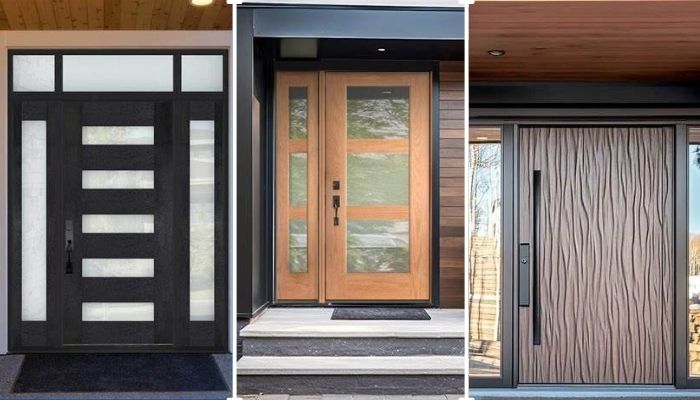
Thinking about replacing your front door? Let’s talk fiberglass. It's one of the smartest upgrades you can make, especially if you're living in Toronto. Whether your current door is drafty, outdated, or just plain boring.
Read More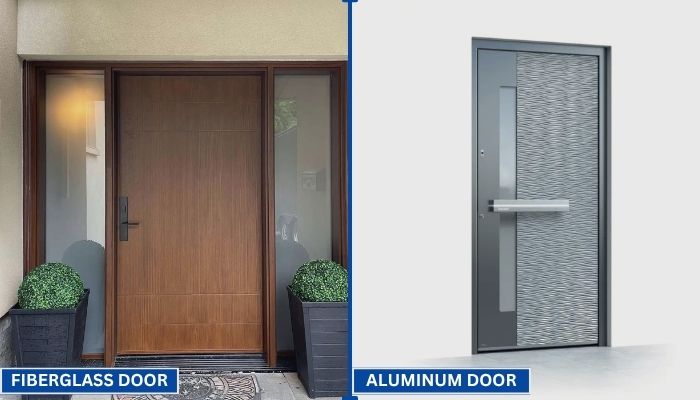
Your front door does more than just open and close. It protects your home, adds curb appeal, and helps control indoor temperature. That’s why picking the right door material matters.
Read More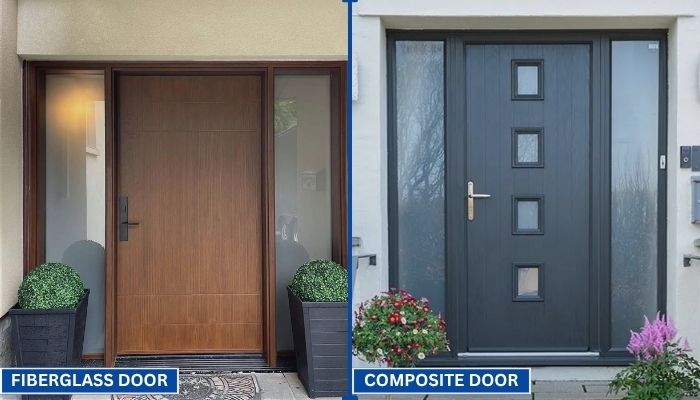
Choosing the right door can be confusing. You want something that looks good, lasts long, and keeps your home secure. Two of the most popular options today are fiberglass and composite doors.
Read More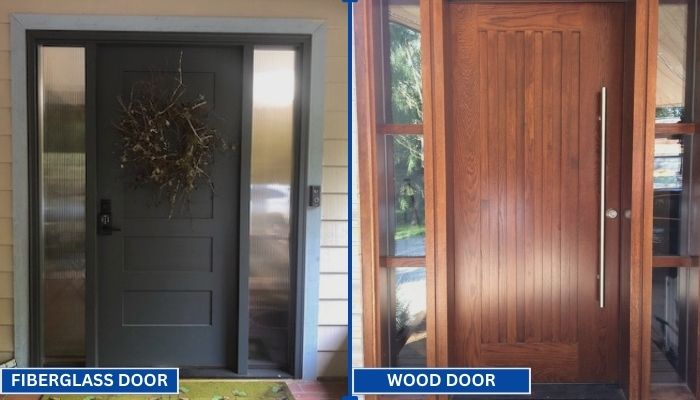
Replacing your front door is a big decision. Wood and fiberglass are two of the most popular materials for entry doors. Each has its own strengths in terms of style, durability, and maintenance. To help you choose the right one for your home, we have to go through a clear comparison.
Read MoreChoosing the right fiberglass windows is more than comparing prices and frame colors. It requires attention to climate, installation quality, glass performance, and long-term maintenance. A window that performs well in a coastal home may not suit a cold, dry region. Even attractive designs can disappoint when measurements are inaccurate or drainage details are ignored.
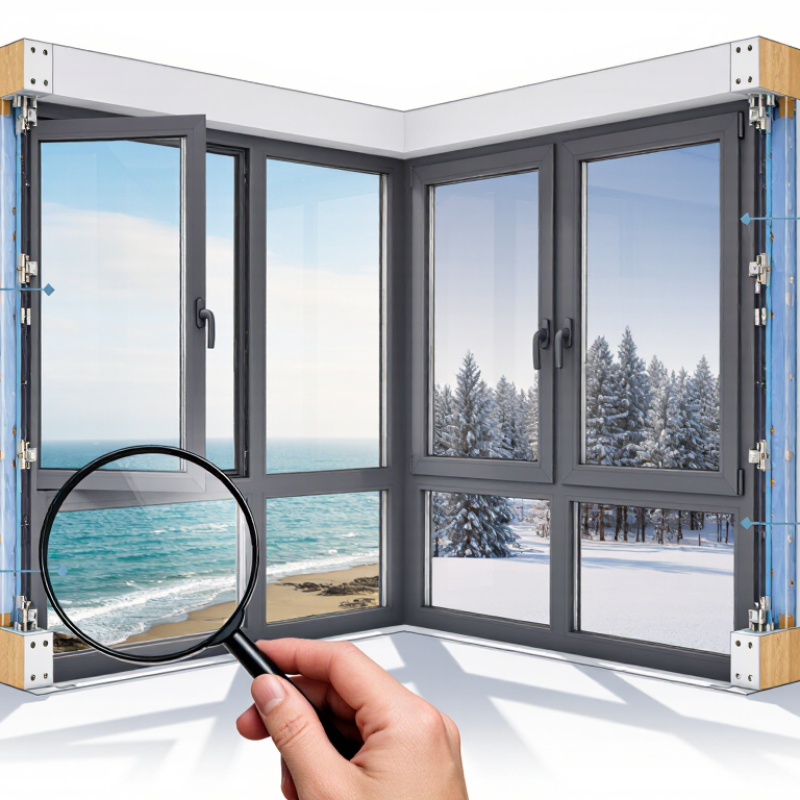
This guide examines the practical factors professionals use when evaluating fiberglass windows. We will consider frame strength, thermal efficiency, air leakage, water resistance, glazing options, hardware, warranties, and installer credentials. Look closely at the sample. Check the corners, seals, locks, and finish under natural light. Ask how the window performs during heavy rain and sharp temperature changes. Manufacturer test data and recognized energy certifications can provide useful evidence, but they should not replace independent judgment.
No single window is perfect. That matters. A highly efficient model may cost more upfront, while a budget option may require compromises in hardware or customization. Homeowners should also review local building requirements and the installer’s experience with similar properties. A reliable decision balances comfort, durability, appearance, and total ownership cost. This article will help you compare those details clearly, while recognizing one common mistake: choosing based only on the product label or showroom appearance.
How to Choose the Best Fiberglass Windows?
Understanding Fiberglass Window Construction and Performance
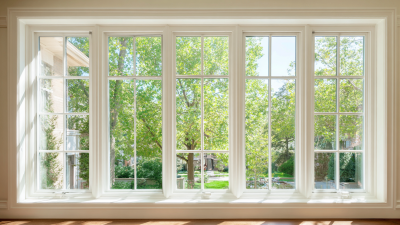
Fiberglass windows combine fine glass fibers with a resin matrix, creating a rigid and stable frame. Many frames use pultruded sections, where fibers run continuously through the profile. This structure helps resist warping during hot summers and freezing winters. Fiberglass also expands less than vinyl, but it is not completely immune to movement. I once assumed stronger frames solved every window problem. They do not.
Performance depends on more than the frame material. Check the window’s U-factor, solar heat gain coefficient, air leakage, and water resistance ratings. Lower U-factors usually indicate better insulation. In sunny rooms, the solar heat gain rating needs careful consideration. High-quality glazing, reliable corner joints, and accurate installation work together. A strong window can still leak air if the opening is poorly prepared. Look for independently verified test results, not vague efficiency claims.
Tips: Inspect the frame corners and drainage paths before purchase. Ask how the joints are sealed and tested. Compare ratings for your local climate. A slightly lower price may hide thinner profiles or weaker hardware. Also, consider operation. A large casement window may seal tightly, but it needs clearance for the handle and sash. Request a written warranty, then read its exclusions. Small details matter.
We’ll Come To You!
Quality New Windows & Doors. Competitively Priced!
Christine R.
Please, enter a valid value