
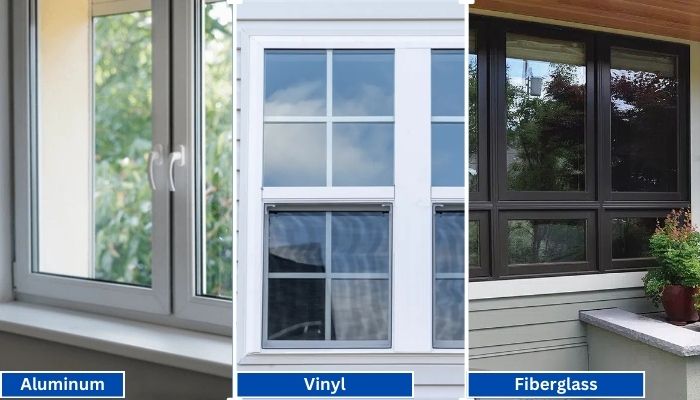
Vinyl generally has the shortest lead times because it is widely produced in standard configurations. Fiberglass is mid-range, especially for factory-painted colors.
Read More
PROUDLY CANADIAN COMPANY OWNED & OPERATED IN TORONTO SINCE 1989!
Vinyl generally has the shortest lead times because it is widely produced in standard configurations. Fiberglass is mid-range, especially for factory-painted colors.
Read More
Vinyl windows have become the go-to choice for homeowners in Toronto, thanks to their durability, energy efficiency, and low maintenance requirements. Whether you're upgrading your home for better insulation or enhancing
Read More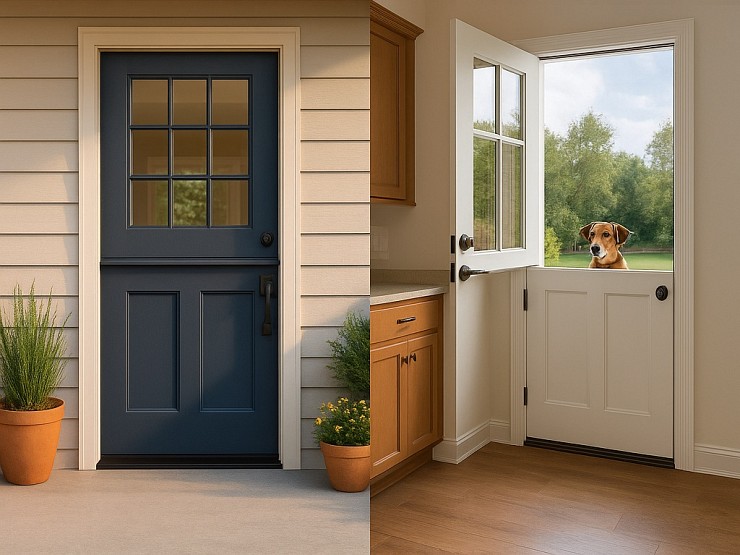
Thinking about changing your front door? A fiberglass Dutch door might have caught your eye. It’s not just a door. It’s part style statement, part smart functionality.
Read More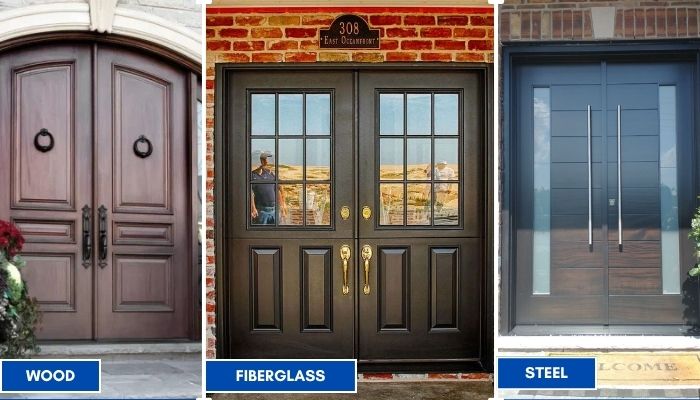
Thinking about replacing your front doors? Double doors are a bold upgrade. They look great, let in more light, and make moving big stuff easier. But the material you choose makes all the difference; especially here in Toronto.
Read More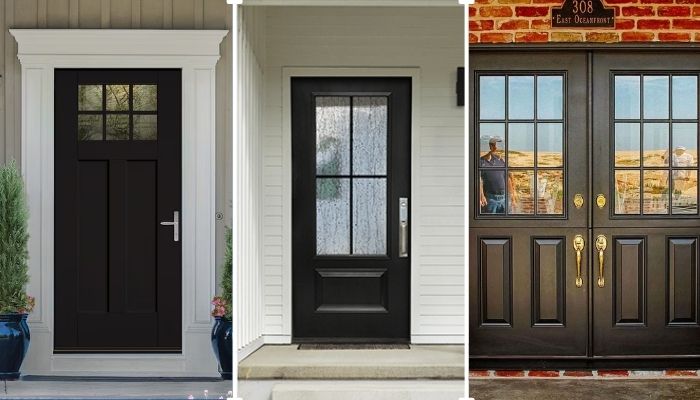
Thinking of giving your home that cozy, farmhouse charm? Let’s talk doors. Specifically, the fiberglass front doors in farmhouse style. You get the rustic look, without the rot, warping, or constant upkeep that comes with wood.
Read More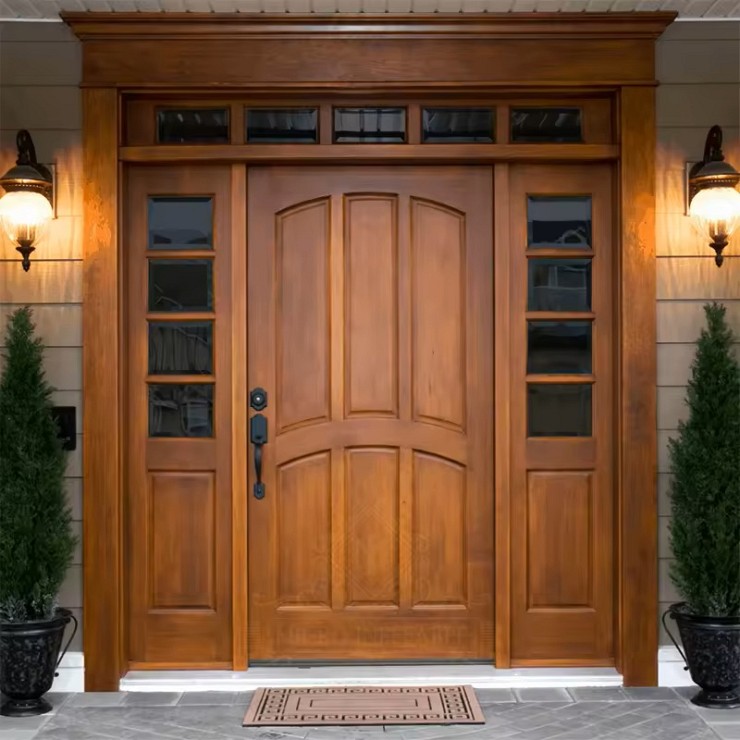
You want something that looks great, lasts long, and doesn’t stress you out with maintenance. You’re not alone. That’s exactly why more and more Toronto homeowners are choosing...
Read More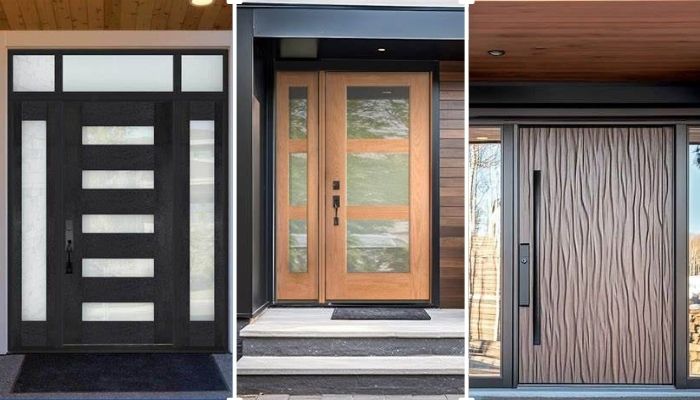
Thinking about replacing your front door? Let’s talk fiberglass. It's one of the smartest upgrades you can make, especially if you're living in Toronto. Whether your current door is drafty, outdated, or just plain boring.
Read More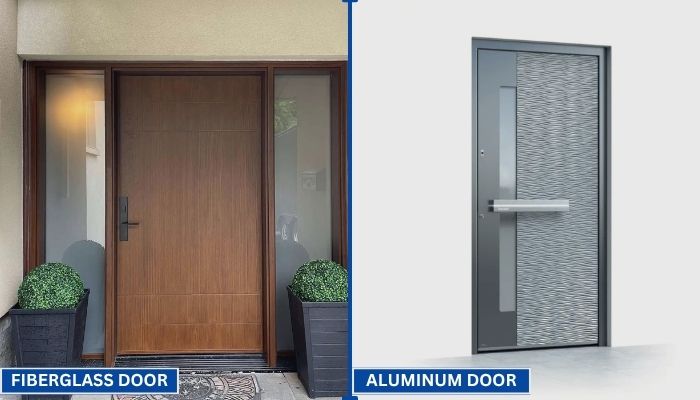
Your front door does more than just open and close. It protects your home, adds curb appeal, and helps control indoor temperature. That’s why picking the right door material matters.
Read More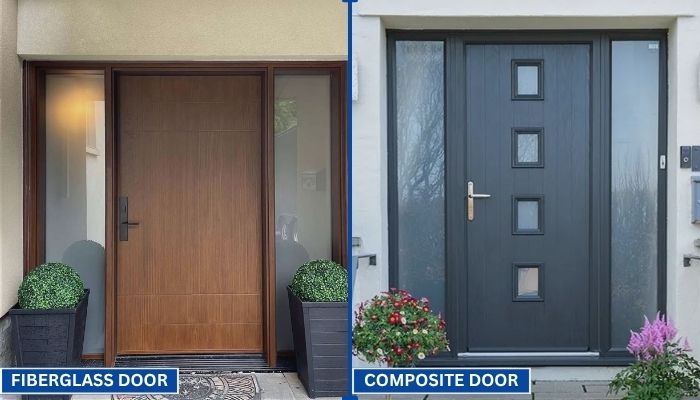
Choosing the right door can be confusing. You want something that looks good, lasts long, and keeps your home secure. Two of the most popular options today are fiberglass and composite doors.
Read More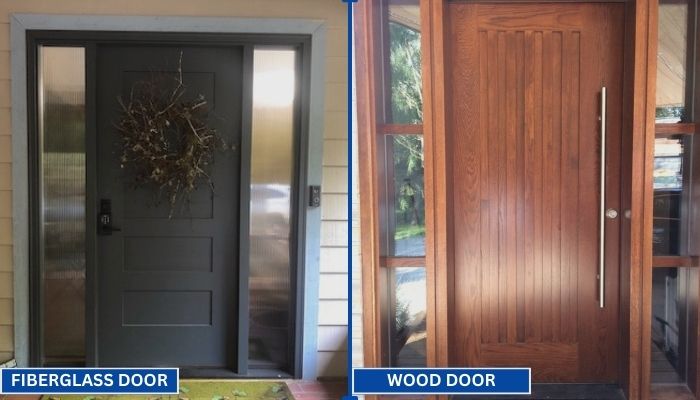
Replacing your front door is a big decision. Wood and fiberglass are two of the most popular materials for entry doors. Each has its own strengths in terms of style, durability, and maintenance. To help you choose the right one for your home, we have to go through a clear comparison.
Read MoreChoosing the right Jail Downlight begins with the conditions it must handle every day: long operating hours, frequent cleaning, limited access, and close human contact. A fixture can look robust on a specification sheet yet disappoint when glare, poor color rendering, or difficult servicing affects the space. Small details matter. Lens strength, sealed construction, mounting security, and accessible maintenance all deserve careful review.
The U.S. Department of Energy’s 2020 U.S. Lighting Market Characterization estimates that lighting used about 244 terawatt-hours of electricity in the United States that year. This national data puts efficiency in perspective, but energy use is only one part of a secure-facility decision. The Illuminating Engineering Society’s Lighting Handbook offers established guidance on visual comfort, illuminance, and lighting quality; project teams should apply those principles alongside facility-specific specifications. A bright fixture is not automatically a better fixture.
This guide compares optical performance, durability, controls, energy use, and replacement needs so teams can assess options against actual room conditions. Check the product’s test documentation, warranty, and maintenance method—not just its advertised rating. A sample installed in a corridor may reveal glare that a catalog photo hides. That matters. Some specifications remain incomplete, and no single fixture suits every secure environment. Use the recommendations as a practical starting point, then verify the final choice with qualified lighting and facility professionals.
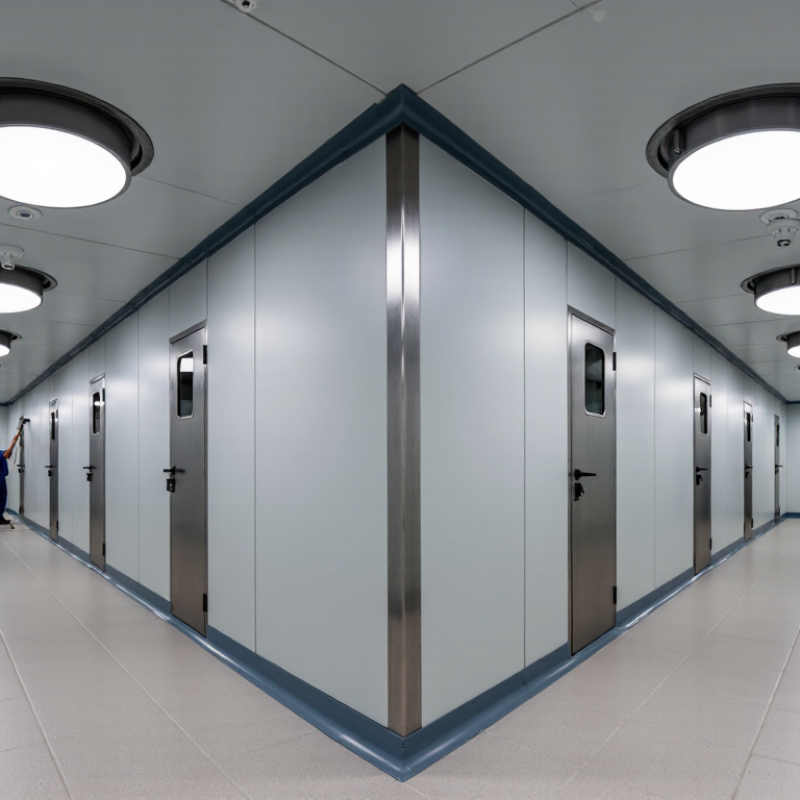
Before selecting a jail downlight, map each space and its actual use. A cell, corridor, interview room, and healthcare area may need different maintained illuminance, uniformity, and glare control. Check ceiling height, mounting depth, existing wiring, and access for maintenance. Note moisture, cleaning routines, temperature changes, and possible impact exposure. These conditions affect the housing, lens, seals, and service life. A specification based only on wattage can miss the real risks.
Measure existing light at working level, both during the day and after dark. Record dark corners, sharp shadows, and glare on polished surfaces. Then compare proposed photometric data with the project’s task needs and applicable facility criteria. The U.S. Energy Information Administration’s 2018 Commercial Buildings Energy Consumption Survey reports that lighting used about 17% of commercial-building electricity. That figure is not specific to jails, but it shows why efficient fixtures and suitable controls deserve review. Do not trade away visibility to chase savings. I would also verify emergency-lighting needs separately; assumptions here can be costly.
Tips: Photograph each ceiling condition, note fixture spacing, and test a sample unit before specifying the full project. Confirm that lenses and trims are cleanable, securely retained, and compatible with the maintenance plan. A small mock-up may reveal glare that drawings miss.
We’ll Come To You!
Quality New Windows & Doors. Competitively Priced!
Christine R.
Please, enter a valid value