
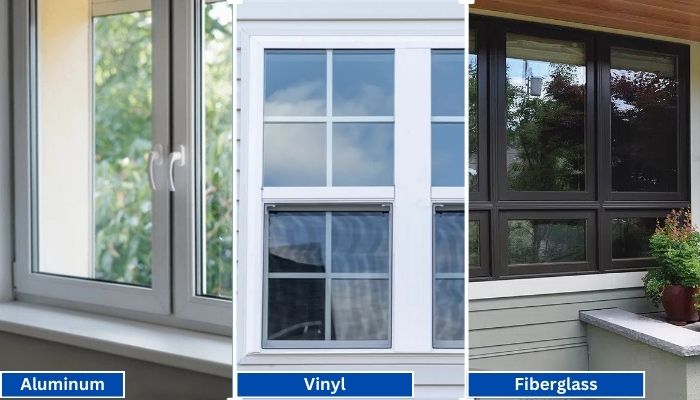
Vinyl generally has the shortest lead times because it is widely produced in standard configurations. Fiberglass is mid-range, especially for factory-painted colors.
Read More
PROUDLY CANADIAN COMPANY OWNED & OPERATED IN TORONTO SINCE 1989!
Vinyl generally has the shortest lead times because it is widely produced in standard configurations. Fiberglass is mid-range, especially for factory-painted colors.
Read More
Vinyl windows have become the go-to choice for homeowners in Toronto, thanks to their durability, energy efficiency, and low maintenance requirements. Whether you're upgrading your home for better insulation or enhancing
Read More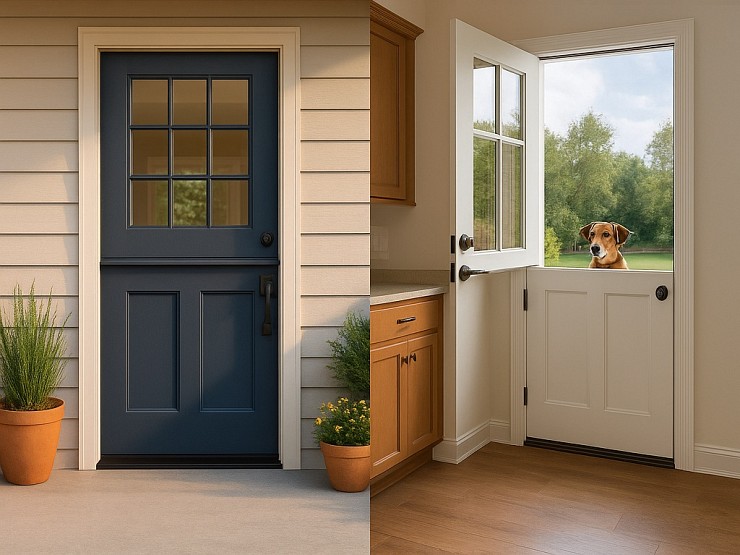
Thinking about changing your front door? A fiberglass Dutch door might have caught your eye. It’s not just a door. It’s part style statement, part smart functionality.
Read More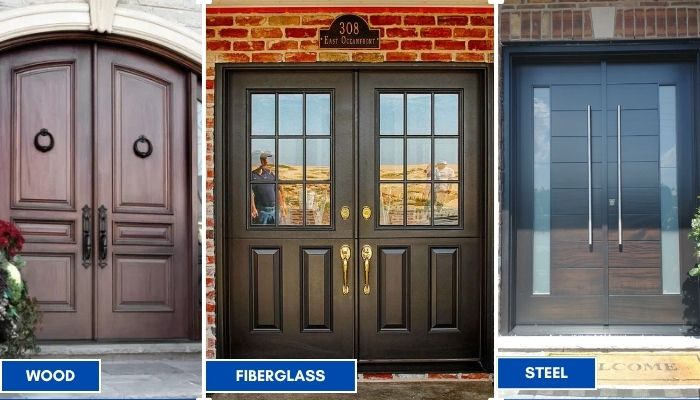
Thinking about replacing your front doors? Double doors are a bold upgrade. They look great, let in more light, and make moving big stuff easier. But the material you choose makes all the difference; especially here in Toronto.
Read More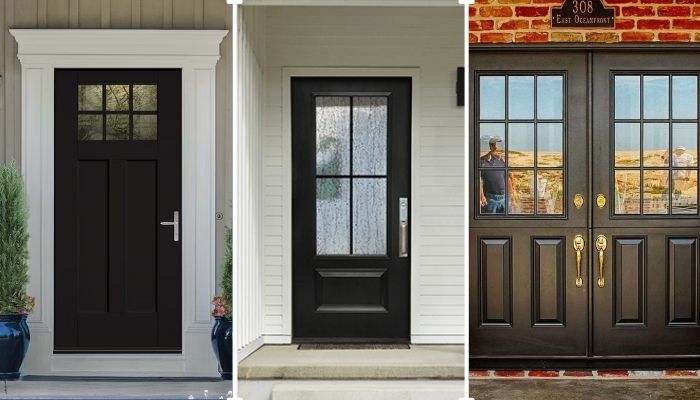
Thinking of giving your home that cozy, farmhouse charm? Let’s talk doors. Specifically, the fiberglass front doors in farmhouse style. You get the rustic look, without the rot, warping, or constant upkeep that comes with wood.
Read More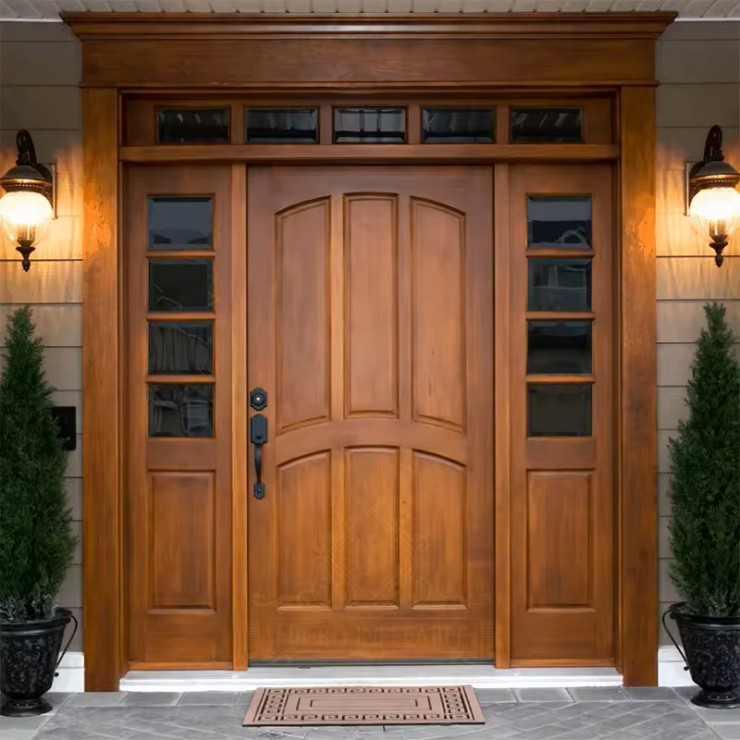
You want something that looks great, lasts long, and doesn’t stress you out with maintenance. You’re not alone. That’s exactly why more and more Toronto homeowners are choosing...
Read More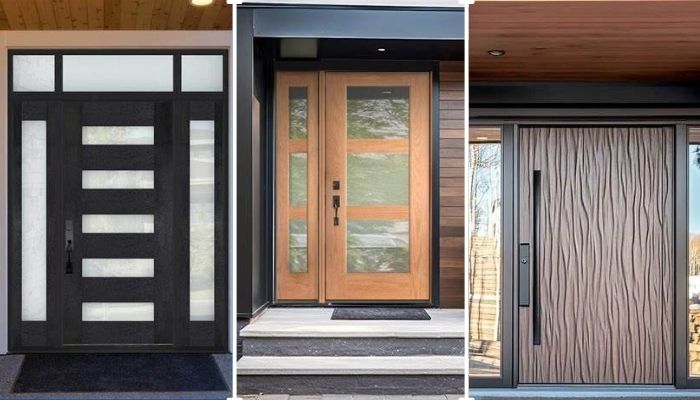
Thinking about replacing your front door? Let’s talk fiberglass. It's one of the smartest upgrades you can make, especially if you're living in Toronto. Whether your current door is drafty, outdated, or just plain boring.
Read More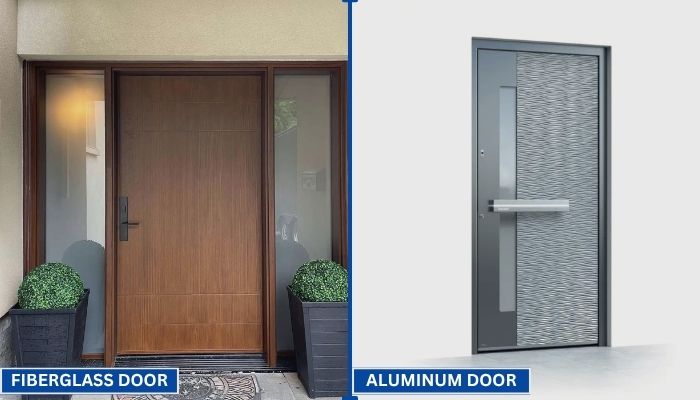
Your front door does more than just open and close. It protects your home, adds curb appeal, and helps control indoor temperature. That’s why picking the right door material matters.
Read More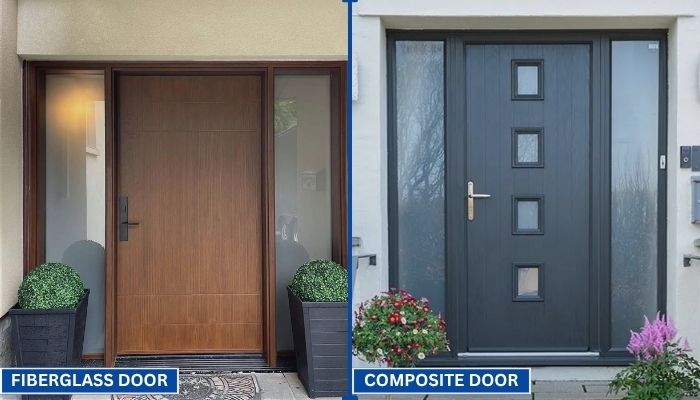
Choosing the right door can be confusing. You want something that looks good, lasts long, and keeps your home secure. Two of the most popular options today are fiberglass and composite doors.
Read More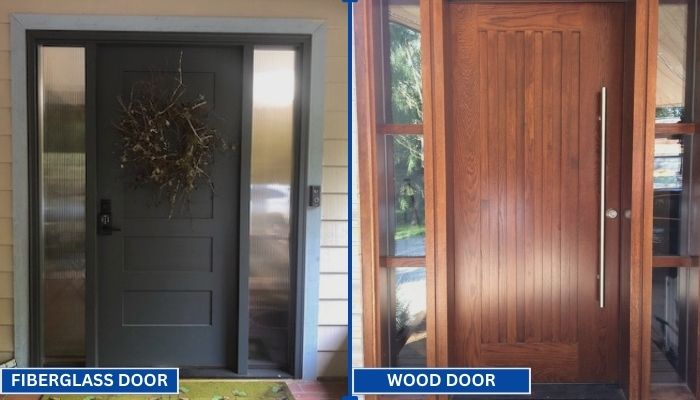
Replacing your front door is a big decision. Wood and fiberglass are two of the most popular materials for entry doors. Each has its own strengths in terms of style, durability, and maintenance. To help you choose the right one for your home, we have to go through a clear comparison.
Read MoreBuying an Office Chair across borders is not a simple catalog decision. It affects comfort, productivity, maintenance, and long-term health. The World Health Organization reported that low back pain affected about 619 million people worldwide in 2020. That figure is a warning, not a sales promise. A poorly fitted chair may worsen daily discomfort, especially during long desk sessions.
Grand View Research’s 2024 office furniture market analysis identifies ergonomic design as a major industry driver. Yet “ergonomic” remains an overused label. Buyers should examine seat depth, lumbar adjustment, armrest range, tilt control, base stability, and recommended user height. Alan Hedge, an ergonomics researcher, often expressed the practical rule: “The best posture is the next posture.” Movement matters. A rigid chair can still fail.
This guide, “10 Office Chair Buying Tips for Global Buyers,” connects product claims with measurable checks. It considers international dimensions, packaging, warranty coverage, replacement parts, and regional service capacity. Buyers should also review applicable safety testing, including ANSI/BIFMA X5.1 where relevant. Certification must match the exact model, not merely the factory’s general reputation.
A polished product page proves little.
Real evaluation is messier. Sit-test results vary by body shape, clothing, desk height, and working habits. Global buyers should request technical sheets, test reports, material details, and clear delivery terms before ordering. No checklist removes every uncertainty. However, careful comparisons can reduce expensive returns and uncomfortable surprises.

Choosing an office chair globally starts with workplace conditions, not appearance. Task chairs suit focused desk work and frequent adjustment. Conference chairs prioritize short sessions and easy movement. Stools or sit-stand seats may support active zones, but they cannot replace regular walking.
The World Health Organization’s 2022 Global Status Report on Physical Activity estimates that 31% of adults are insufficiently active. A chair should support movement, not encourage immobility. OSHA data also links musculoskeletal disorders with roughly one-third of U.S. lost-workday injury cases. These figures make seat height, lumbar support, armrest adjustment, and stable casters practical buying criteria.
Tip: Test the chair with the actual desk. Feet should rest flat, knees should stay near 90 degrees, and shoulders should remain relaxed. For hot or humid regions, breathable mesh can improve comfort. In colder offices, lightly padded upholstery may feel better. Durability matters more in shared workspaces. Look for replaceable components and clear weight ratings.
Tip: Compare user sizes before selecting one model. A compact chair may restrict taller workers, while a deep seat can pressure shorter legs. Adjustable seat depth is useful. Do not assume “ergonomic” means universally suitable. It does not. ISO 9241-5 offers ergonomic guidance, but local testing remains essential. Even careful buyers may overlook cleaning routines, noise, or uneven flooring; these small details can weaken a good specification.
We’ll Come To You!
Quality New Windows & Doors. Competitively Priced!
Christine R.
Please, enter a valid value