
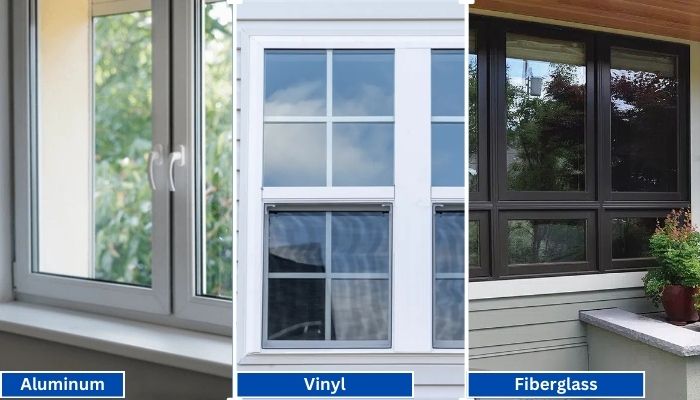
Vinyl generally has the shortest lead times because it is widely produced in standard configurations. Fiberglass is mid-range, especially for factory-painted colors.
Read More
PROUDLY CANADIAN COMPANY OWNED & OPERATED IN TORONTO SINCE 1989!
Vinyl generally has the shortest lead times because it is widely produced in standard configurations. Fiberglass is mid-range, especially for factory-painted colors.
Read More
Vinyl windows have become the go-to choice for homeowners in Toronto, thanks to their durability, energy efficiency, and low maintenance requirements. Whether you're upgrading your home for better insulation or enhancing
Read More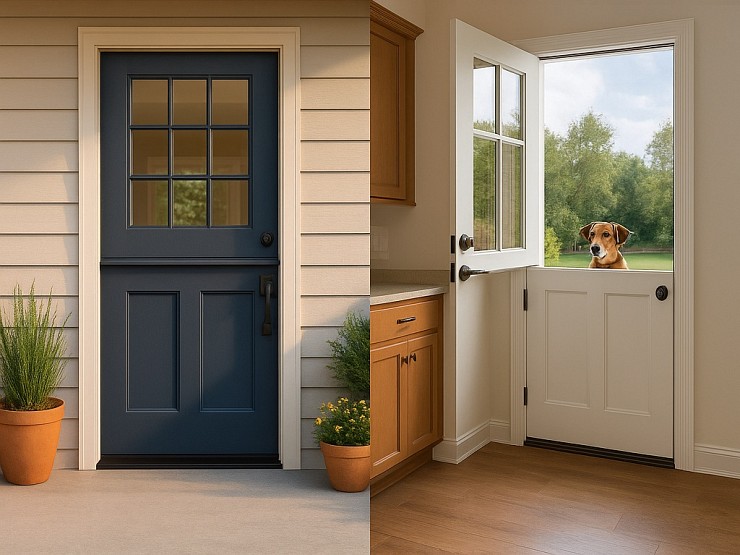
Thinking about changing your front door? A fiberglass Dutch door might have caught your eye. It’s not just a door. It’s part style statement, part smart functionality.
Read More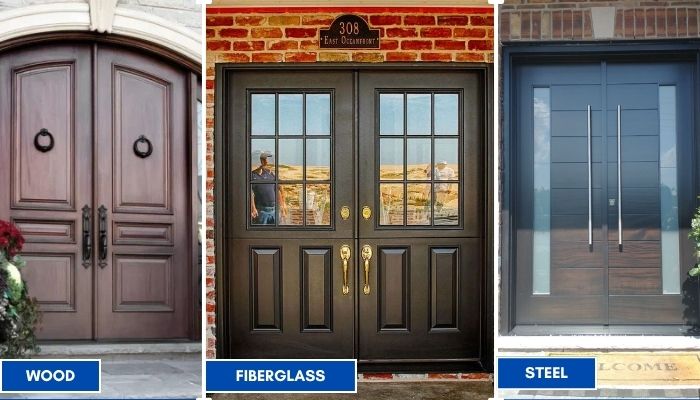
Thinking about replacing your front doors? Double doors are a bold upgrade. They look great, let in more light, and make moving big stuff easier. But the material you choose makes all the difference; especially here in Toronto.
Read More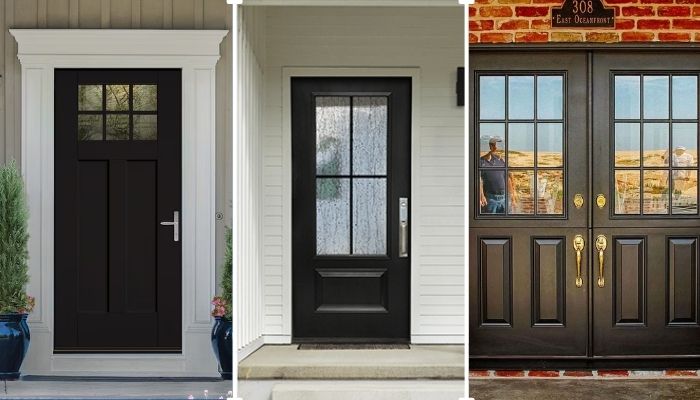
Thinking of giving your home that cozy, farmhouse charm? Let’s talk doors. Specifically, the fiberglass front doors in farmhouse style. You get the rustic look, without the rot, warping, or constant upkeep that comes with wood.
Read More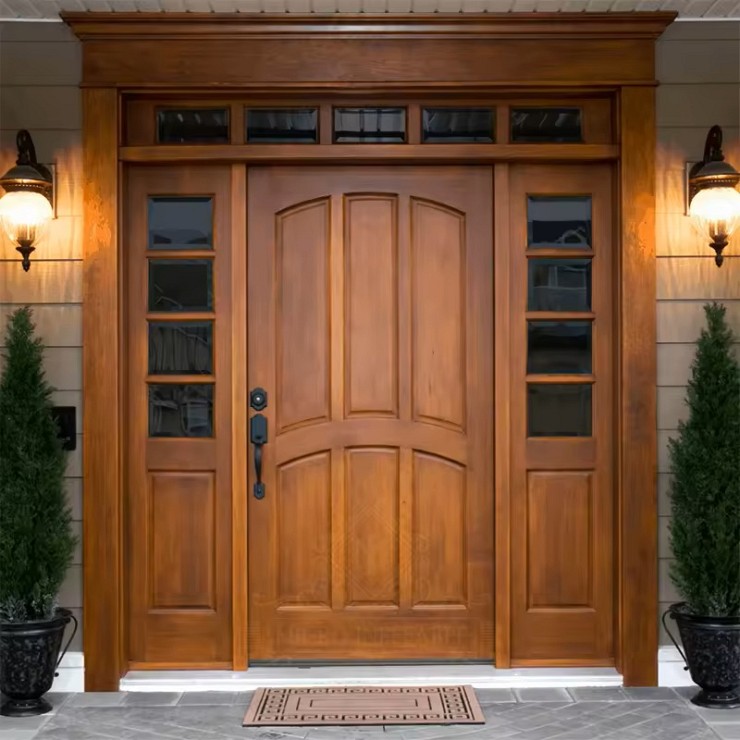
You want something that looks great, lasts long, and doesn’t stress you out with maintenance. You’re not alone. That’s exactly why more and more Toronto homeowners are choosing...
Read More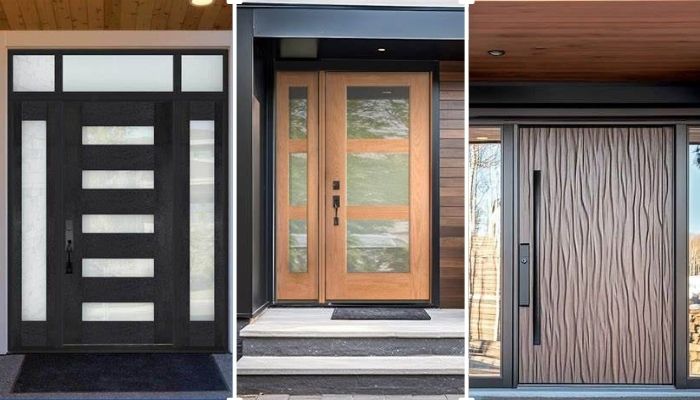
Thinking about replacing your front door? Let’s talk fiberglass. It's one of the smartest upgrades you can make, especially if you're living in Toronto. Whether your current door is drafty, outdated, or just plain boring.
Read More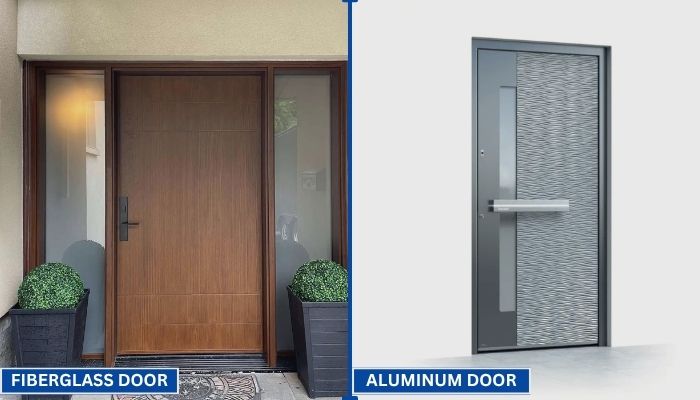
Your front door does more than just open and close. It protects your home, adds curb appeal, and helps control indoor temperature. That’s why picking the right door material matters.
Read More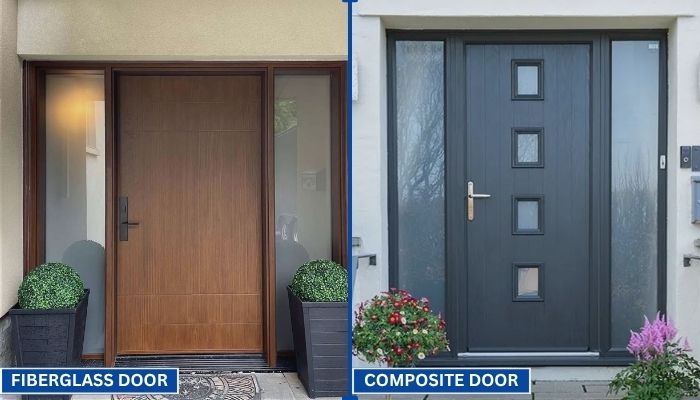
Choosing the right door can be confusing. You want something that looks good, lasts long, and keeps your home secure. Two of the most popular options today are fiberglass and composite doors.
Read More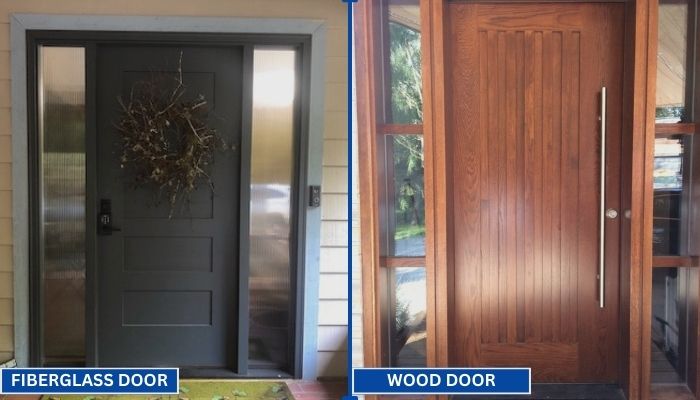
Replacing your front door is a big decision. Wood and fiberglass are two of the most popular materials for entry doors. Each has its own strengths in terms of style, durability, and maintenance. To help you choose the right one for your home, we have to go through a clear comparison.
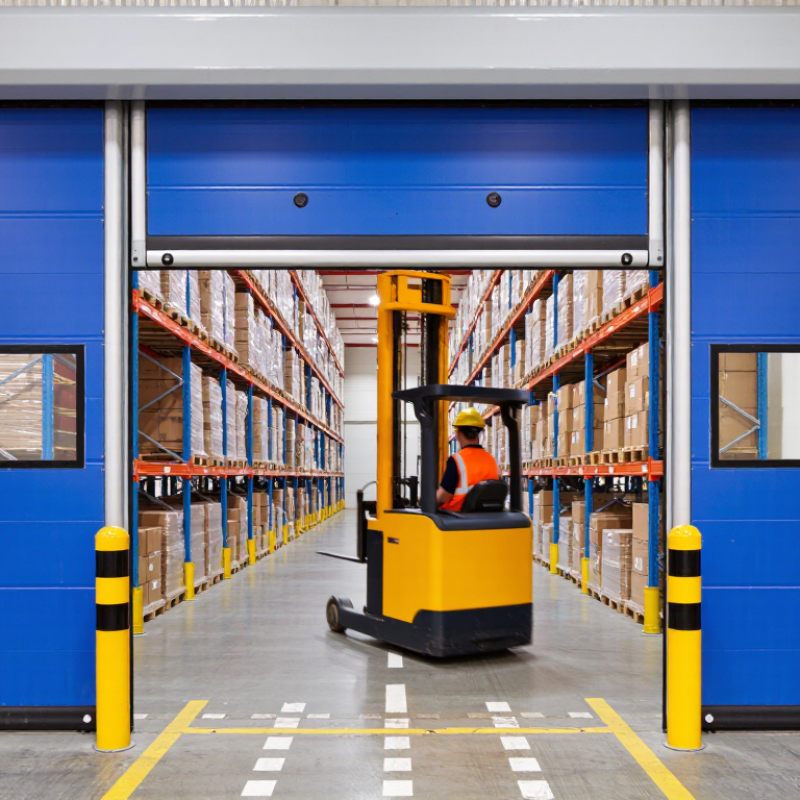
Read MoreRapid Action Doors are engineered for speed, control, and repeated daily movement. Unlike traditional doors, they open and close within seconds. This reduces waiting time, limits air exchange, and helps separate busy working zones. In a warehouse, a forklift can pass through quickly without leaving a wide opening exposed.
Their operation is surprisingly practical. Sensors, pull cords, remote controls, or floor loops activate the door. A motor lifts or rolls the curtain along guided tracks. Safety photocells detect people, vehicles, or unexpected obstacles. The system then stops or reverses. Simple, but not foolproof.
According to Mike McMahon, former president of Rytec Corporation, “High-performance doors are designed to improve safety, productivity, and energy efficiency.” This observation captures their wider value. Rapid Action Doors are not merely faster versions of standard industrial doors. They support temperature control, cleaner workflows, and safer traffic management when correctly specified.
Their performance depends on more than opening speed. The door must match the building layout, traffic frequency, wind exposure, and maintenance capacity. A cold-storage facility may need insulated panels. A busy loading bay may require impact-resistant materials and reliable sensors. Small design errors can create costly delays.
This guide examines what Rapid Action Doors are and how they work. It also considers their components, operating cycles, safety features, and practical limitations. Speed matters. Reliability matters more. Even advanced systems need inspection, cleaning, and thoughtful human oversight.
What Are Rapid Action Doors and How Do They Work?
Definition and Core Purpose of Rapid Action Doors
Rapid action doors are industrial doors designed to open and close quickly. Their core purpose is controlling movement between working areas while limiting air exchange. Unlike conventional doors, they support frequent daily traffic with shorter waiting times. This can improve workflow, temperature stability, cleanliness, and workplace separation. Speed matters here.
A typical system includes a flexible curtain, motor, guides, sensors, and a control unit. When a person, vehicle, or signal approaches, the sensor activates the motor. The curtain rises or rolls into its housing. After passage, it closes automatically. Some systems use safety edges or light sensors to stop movement when an obstruction appears. The exact mechanism depends on the building layout and operating conditions.
The phrase “rapid action” can sound simple, but real sites are rarely simple. A fast door is not automatically a good door. In a cold room, repeated opening can increase energy loss if the closing cycle is delayed. In a busy loading area, poor sensor placement may cause unnecessary movement. Site assessments often reveal overlooked details, such as dust, washdown water, uneven floors, or heavy vehicle traffic. These conditions affect reliability. Regular inspection of guides, sensors, seals, and controls remains important. Even a well-designed door can perform poorly when maintenance is treated as an afterthought.
| Data Dimension | Definition or Operating Detail | Typical Data or Range | Core Purpose and Practical Benefit |
|---|---|---|---|
| Basic Definition | A rapid action door is a powered industrial door designed to open and close significantly faster than a conventional sectional, rolling, or hinged door. | High-cycle door system for frequent traffic | Reduces the time an opening remains exposed and supports smoother movement of people, vehicles, and materials. |
| Primary Operating Principle | An electric motor drives a curtain, panel, or flexible door assembly through a guided opening. A control system coordinates movement, sensing, and safety functions. | Motor-driven vertical or horizontal travel | Provides repeatable, controlled access between adjacent areas. |
| Opening Speed | The opening speed varies according to door construction, size, operating conditions, and control configuration. | Often about 0.8–3.0 m/s for industrial high-speed doors | Shortens waiting time and helps maintain traffic flow at busy openings. |
| Closing Speed | Closing is controlled to limit impact risk and may be adjusted to suit the application, traffic pattern, and safety requirements. | Commonly about 0.5–1.5 m/s | Helps restore separation between areas while balancing productivity and safe operation. |
| Activation Methods | Radar Loop detector Photo sensor Push button Remote signal | Manual, automatic, or access-controlled activation | Allows the door to respond to vehicles, pedestrians, production equipment, or authorized access requests. |
| Control Sequence | A typical cycle is: activation signal received, door opens, open position maintained for a preset period, obstruction status checked, and door closes automatically or by command. | Programmable open time and cycle logic | Automates routine movement and minimizes unnecessary door exposure. |
| Door Curtain or Panel | Depending on the design, the moving barrier may use flexible fabric, insulated sections, rigid slats, transparent panels, or a combination of materials. | Material selected for temperature, impact, visibility, and hygiene needs | Provides the required balance of durability, insulation, visibility, and recovery performance. |
| Safety Detection | Safety systems may include photoelectric sensors, pressure-sensitive edges, monitored controls, warning lights, audible signals, and emergency stop devices. | Non-contact and contact-based protection may be combined | Detects people, vehicles, or obstacles and helps prevent unsafe closing or continued movement. |
| Impact Recovery | Some flexible high-speed doors are designed to release from their guides after accidental impact and reset automatically or manually, depending on the design. | Recovery capability depends on door construction and impact conditions | Can reduce downtime and limit damage after contact with handling equipment. |
| Cycle Frequency | Rapid action doors are intended for repeated daily operation and are typically specified according to traffic intensity and duty cycle. | Often used for dozens to several hundred cycles per day; application limits vary | Supports high-throughput facilities where conventional doors would operate too slowly or wear prematurely. |
| Environmental Separation | When closed, the door can help separate spaces with different temperatures, cleanliness levels, humidity conditions, pressure zones, or operational risks. | Performance depends on seals, insulation, door fit, and surrounding construction | Limits air exchange, dust movement, drafts, noise transmission, and unwanted access. |
| Energy Efficiency | Fast opening and closing reduces the duration of air exchange through the doorway, although total energy performance also depends on building pressure, HVAC design, and door sealing. | Energy benefit is application-dependent rather than fixed | Helps control heating and cooling losses in frequently used openings. |
| Common Applications | Frequently used in warehouses, manufacturing areas, logistics routes, food-processing spaces, clean production zones, parking facilities, and temperature-controlled rooms. | Indoor, exterior, cold-room, and controlled-environment configurations | Matches high-frequency access requirements across industrial and commercial environments. |
| Key Selection Factors | Important factors include opening dimensions, traffic type, cycle frequency, wind exposure, temperature difference, hygiene requirements, impact risk, available headroom, and required safety features. | Specification should be based on site conditions and traffic analysis | Ensures the selected door performs reliably without being under- or over-specified. |
| Maintenance Requirements | Routine maintenance commonly includes inspecting guides, seals, sensors, fasteners, controls, emergency devices, and moving components, together with cleaning where required. | Inspection frequency depends on use, environment, and applicable safety rules | Preserves operating speed, safety performance, service life, and compliance. |
| Difference from Conventional Doors | Conventional doors may prioritize insulation, security, or structural resistance, while rapid action doors prioritize frequent operation, short open time, and controlled access. | The best solution may combine a rapid action door with another door type | Clarifies that speed-focused doors are selected for traffic efficiency and environmental control, not every application. |
We’ll Come To You!
Quality New Windows & Doors. Competitively Priced!
Christine R.
Please, enter a valid value