canada flag

PROUDLY CANADIAN COMPANY OWNED & OPERATED IN TORONTO SINCE 1989!

CALL NOW

Windows | Doors Blog

What Is Silicone Adhesive and How Does It Work?

Silicone Adhesive is no longer limited to bathroom sealants or simple household repairs. It now supports electronics, automotive glazing, medical devices, solar modules, and flexible assemblies. Grand View Research estimates that the global silicone adhesives market was worth approximately USD 3.4 billion in 2023, with continued growth expected through 2030. Fortune Business Insights reports similar expansion, although market estimates vary by product definition and regional coverage.

The material works through a careful balance of chemistry, surface contact, and controlled curing. Before curing, silicone adhesive flows into microscopic gaps between surfaces. Moisture, heat, or another catalyst then transforms it into a flexible elastomer. That flexibility helps absorb vibration, thermal expansion, and repeated movement. It also explains why silicone often performs better than rigid epoxies in changing temperatures.

Dr. Michael J. Owen, a widely cited silicone-polymer researcher, described the central advantage this way: “Silicones combine inorganic backbone stability with organic-group flexibility.” That balance is the reason many engineers specify them. Still, adhesive selection is rarely automatic. Contamination, poor surface preparation, incorrect cure depth, and uncertain service temperatures can weaken a sound-looking bond. Real workshops often reveal this gap. A bead may appear smooth while remaining uncured inside.

This guide examines how Silicone Adhesive bonds, cures, and behaves under stress. It also compares common formulations, application methods, limitations, and testing considerations. The evidence is useful, but not perfect. Product datasheets remain essential because chemistry, substrate, humidity, and manufacturing conditions can change the final result.
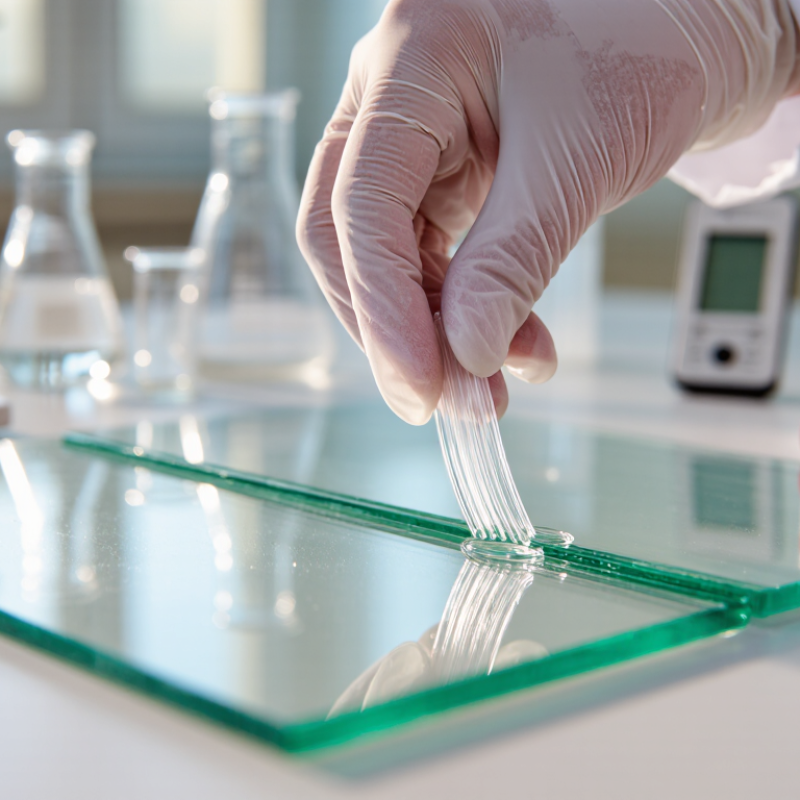
What Is Silicone Adhesive and How Does It Work?

What Is Silicone Adhesive?

Silicone adhesive is a flexible polymer material that joins surfaces and resists moisture, sunlight, and temperature changes. It is not simply liquid glue. Most grades cure when moisture in the air reacts with reactive groups in the silicone. This process creates a rubber-like network. Some formulas release acetic acid, while neutral-cure types release less corrosive byproducts. That difference matters near metal, electronics, and porous stone.

The material bonds well with glass, ceramic, aluminum, and several coated surfaces. Low-energy plastics can be more difficult. Dust, oil, or trapped water may weaken the joint. MarketsandMarkets estimated the global silicone adhesives market at about USD 3.5 billion in 2023, with growth toward roughly USD 4.8 billion by 2028. These figures show expanding demand, not guaranteed performance. Report definitions also vary. That part is easy to overlook.

Tips: Clean surfaces with a suitable solvent, then let them dry completely. Apply a small test bead first. Press parts together without squeezing out every bit of adhesive. Cure speed depends on humidity, temperature, bead thickness, and ventilation. A thin surface may skin quickly, while the center remains soft. It happens. Check the technical data sheet for adhesion, service temperature, and cure depth. For safety-critical joints, use a documented test method, such as ASTM or ISO guidance, rather than relying on appearance alone.

What Materials and Properties Define Silicone Adhesives?

Silicone adhesives are built around polysiloxane polymers, whose backbone contains alternating silicon and oxygen atoms. This structure gives the adhesive unusual flexibility after curing. It stays flexible. The material can absorb vibration, tolerate movement, and resist sunlight, moisture, ozone, and many temperature changes. These properties make it useful for glass, ceramic, metal, coated surfaces, and selected plastics.

The adhesive also contains curing agents, fillers, pigments, and adhesion promoters. Moisture-cure formulas react with water vapor in the air, forming a rubber-like network from the surface inward. Therefore, thick beads may cure slowly. A practical detail matters here: clean, dry surfaces usually produce stronger bonds than rough-looking surfaces covered with oil or dust. Silicone wets glass and metal well, but untreated polyethylene, polypropylene, and fluoropolymers can remain difficult to bond. Surface treatment or a suitable primer may be necessary.

Its performance depends on more than “strong” or “weak.” Engineers examine hardness, tensile strength, tear resistance, elongation, peel adhesion, and temperature stability. A softer grade may handle movement better, while a harder grade may support heavier loads. These choices are not interchangeable. A neat bead can still fail if the joint is too thick, poorly designed, or exposed before curing. In practice, small sample tests are wise. Even then, results may vary with humidity and surface coatings. That uncertainty deserves attention.

How Does Silicone Adhesive Bond and Cure?

Silicone adhesive bonds by wetting a surface and forming a flexible connection as it cures. Its low surface tension helps it spread into tiny scratches and pores. Clean, dry surfaces usually produce stronger results. Dust, oil, moisture, and release agents can weaken adhesion.

Many silicone adhesives cure through moisture in the air. After application, a thin skin forms first. The inner material then cures gradually as moisture moves inward. A thick bead may feel firm outside but remain soft inside. Temperature, humidity, bead thickness, and ventilation all affect curing speed. In practical work, I allow extra time rather than trusting the surface appearance. That judgment is not always perfect.

During curing, chemical groups in the silicone react and create a stable elastic network. This network grips the substrate while retaining flexibility. The adhesive can absorb vibration, expansion, and small movements between different materials. Strong bonding still depends on preparation. I usually test a small area, especially on glass, metal, painted surfaces, or plastics with unknown additives. Light abrasion may improve mechanical grip, but it can also damage delicate finishes. A controlled test reveals more than a quick assumption. Full strength may require several days, depending on the product and environment.

What Are the Main Types of Silicone Adhesive?

Silicone adhesive is a flexible bonding material that cures into rubber-like silicone. It works by reacting with moisture or by mixing two chemical components. During curing, the adhesive changes from a paste into a durable elastomer. This flexibility helps it absorb vibration, temperature changes, and slight movement between surfaces.

The main type is one-part RTV silicone adhesive. It comes ready to use and cures when exposed to air moisture. It suits glass, ceramics, metal, and many sealed joints. Acetoxy-cure formulas release an acidic odor and often bond well to glass. They may corrode some metals, though. Neutral-cure formulas release fewer corrosive by-products and are often safer for metal, coated surfaces, and sensitive equipment. Their slower curing speed can be inconvenient.

Two-part RTV silicone adhesive uses a base and a curing agent. The user mixes them in a measured ratio. This type cures more evenly in thicker layers and offers better production control. It is common where consistent strength matters. Some silicone adhesives are also designed for high temperatures, while others focus on faster handling or stronger adhesion. These features are not interchangeable.

Surface preparation remains critical. Dust, oil, and trapped moisture can weaken the bond. A clean, dry surface usually performs better. A small test area is wise. I have found that “universal” silicone claims deserve careful checking, because painted plastics and low-energy surfaces can behave unpredictably. Cure time also depends on bead thickness, humidity, and ventilation. Thick applications may feel firm outside while remaining soft inside.

Where Is Silicone Adhesive Used and How Is It Applied?

Silicone adhesive is a flexible sealant that bonds materials while resisting moisture, heat, and movement. It cures when exposed to moisture in the air, forming a rubber-like layer. Unlike rigid glues, silicone can stretch slightly when surfaces expand or vibrate. This makes it useful around sinks, windows, aquariums, electrical housings, and ventilation joints.

Application quality depends heavily on surface preparation. Remove dust, grease, old sealant, and loose paint before bonding. Dry the area completely. Apply a continuous bead to one surface, then press the parts together without excessive force. A narrow, even bead usually performs better than a thick, uneven layer. Smooth the exposed joint with a suitable tool before skin formation begins. Curing may take several hours or longer, depending on bead thickness, humidity, and airflow. Do not load the joint too early. In practical workshop testing, rushed handling is a frequent cause of weak bonds. I also check compatibility first, because some plastics, natural stones, and painted surfaces may stain or bond poorly.

Tips: Test a small hidden area first. Use masking tape for cleaner edges. Wear gloves and provide ventilation. Choose a sanitary formulation for damp areas, but do not assume every silicone adhesive suits food contact or continuous water immersion. For heavy or safety-critical parts, use mechanical fasteners or professional engineering guidance. Mistakes happen. A neat surface cannot compensate for unsuitable materials.

What Is Silicone Adhesive and How Does It Work? - Where Is Silicone Adhesive Used and How Is It Applied?

Data Dimension Typical Information Practical Significance
Material Definition Silicone adhesive is a flexible polymer-based adhesive and sealant made primarily from silicone polymers. It can bond surfaces while also sealing joints against air, moisture, dust, and selected chemicals.
How It Cures Most one-part formulations cure at room temperature by reacting with moisture in the air. Two-part formulations cure after their components are mixed. Curing changes the material from a paste or gel into a durable, elastic solid.
Common Formulation Types One-part, two-part, neutral-cure, and acetoxy-cure silicone adhesives. The appropriate type depends on substrate compatibility, curing speed, odor, corrosion sensitivity, and required strength.
Typical Appearance Available as clear, white, black, gray, and other cured colors; supplied as paste, gel, or liquid. Color and viscosity influence appearance, dispensing method, and suitability for vertical or overhead applications.
Temperature Resistance Many cured silicone adhesives operate approximately from -50°C to 200°C, while specialized grades may provide wider ranges. Silicone is useful where bonded parts experience temperature changes, heat, or cold. The product specification should be checked for the exact limit.
Flexibility Cured silicone generally remains flexible and elastic rather than becoming rigid like many conventional structural adhesives. It can accommodate vibration, movement, thermal expansion, and differences in substrate expansion.
Moisture Resistance Fully cured silicone usually provides strong resistance to water and humidity. It is commonly selected for bathrooms, glazing joints, outdoor enclosures, and other damp environments.
Chemical and Weather Resistance Cured silicone generally resists ultraviolet exposure, ozone, weathering, and many mild chemicals. Performance varies with the formulation and chemical involved; strong solvents, fuels, and concentrated chemicals require compatibility testing.
Substrates Commonly Bonded Glass, ceramic, aluminum, many metals, painted surfaces, some plastics, and selected rubber materials. Surface energy and cleanliness strongly affect adhesion. Low-energy plastics such as polyethylene and polypropylene may require special treatment or a different adhesive.
Common Applications Window and door glazing, appliance assembly, lighting enclosures, electronic protection, automotive sealing, plumbing joints, and general maintenance. The combination of bonding, sealing, flexibility, and weather resistance makes silicone suitable for many indoor and outdoor applications.
Surface Preparation Surfaces should be dry, clean, and free from dust, oil, grease, release agents, rust, and loose coatings. Cleaning and, when appropriate, abrasion or primer use can improve adhesion and reduce early bond failure.
Typical Application Methods Manual cartridge gun, squeeze tube, pneumatic dispenser, automated dispensing equipment, or mixing-and-dispensing equipment for two-part products. The method should deliver a continuous bead or controlled coating without trapping excessive air.
Recommended Bond-Line Design A continuous, even layer is preferred. A controlled bond-line thickness is often better than pressing all adhesive out of the joint. Adequate adhesive thickness helps maintain flexibility and allows the cured material to absorb movement.
Skin Formation Many moisture-cure products form a surface skin within minutes to roughly one hour, depending on temperature, humidity, bead size, and formulation. Tooling and repositioning should generally be completed before the surface skins over.
Cure Rate A common moisture-cure rate is approximately 2–3 mm per 24 hours under standard room conditions, although actual rates vary widely. Thick sections, low humidity, low temperature, and limited air exposure can significantly extend the cure time.
Clamping and Support Temporary fixtures, tape, or clamps may be needed until the adhesive develops sufficient holding strength. Parts should remain aligned and undisturbed during the initial cure period specified for the product.
Key Advantages Flexibility, water resistance, weatherability, thermal stability, electrical insulation, and good gap-filling capability. These properties support long-term sealing and bonding in environments subject to movement or exposure.
Important Limitations Silicone may have lower initial strength than rigid structural adhesives, may be difficult to paint, and may adhere poorly to some low-energy plastics. A different adhesive or a specialized silicone grade may be more suitable when high structural strength, paintability, or rapid handling strength is required.
Safety and Handling Use adequate ventilation, avoid uncured contact with eyes and skin, and follow the product safety data and curing instructions. Some curing systems release acidic or other vapors during cure, so the formulation should be selected for the environment and substrate.

Read Our 5-Star Testimonials

quotes

Amazing service and quality products. Installation was on time and on budget. Our windows look awesome. Edan gave us his full attention from the first call and every step of the way after. Highly recommend.

Adam Rivers Reviewer Image

Adam Rivers

quotes

New windows and door for basement and new metal/glass back door for main house - even through my indecisiveness and the covid-19 challenges Ayal and his installers were patient with me and I am very happy with the look and quality of the install.

homestars logo image
Geraint Reviewer Image

Geraint

quotes

It was a pleasure dealing with Jack and all Delco's stuff. The windows arrived on the date for which were promised. The quality of the service, product and workmanship were excellent. I would gladly recommend Delco to anyone need Windows and Doors

Ruven Y. Reviewer Image

Ruven Y.

quotes

We're so happy with our new front door. Very high quality finish, beautiful window. Installation was impeccable and done very quickly. Hinge and 3-point lock mechanism fit perfectly and feel very solid. Very attentive customer service. Door really ups our curb appeal!

homestars logo image
Jim Bird Reviewer Image

Jim Bird

quotes

I just had my front door replaced and cannot say enough good things about this company. From start to finish their professionalism is outstanding, and the workmanship excellent. Would highly recommend

Maureen Fuller Reviewer Image

Maureen Fuller

quotes

Delco supplies my windows and doors for renovations throughout the GTA. Edan and his staff are the best. Well priced quality products and personalized service. Highly recommended.

homestars logo image
Noah Klar Reviewer Image

Noah Klar

quotes

We have 3 sliding doors and a double front door replaced. All work was done professionally but well qualified craftsman. Watching them work it was clear they new what they were doing and work is first class.

homestars logo image
R. Pierce Reviewer Image

R. Pierce

quotes

We used Delco to replace our windows and patio door and door glass inserts. We are very happy with the quality of the windows and patio door and were very impressed with the installers as well who were very professional and clean. Thank you Nasho and George for your hard work and patience. Also, a big thank you to Ayal who always returned my calls and answered all my questions.

homestars logo image
Sandra Reviewer Image

Sandra

quotes

Delco provided all the exterior doors for our new home build. Ayal was great and the company is very customer service oriented. The doors look beautiful, the hardware is high end and the install went very well. Overall we are very happy with the product and service.

homestars logo image
Sarah Reviewer Image

Sarah

quotes

Ayal and Edan were great to work with. They provided extensive product knowledge and had a great selection in their showroom. The windows and doors changed the whole look of the house and gave a much needed modern yet classic update. Great quality and workmanship! Thank you!

Stephanie Lannaci Reviewer Image

Stephanie Lannaci

quotes

Both my wife and I could not have been happier with the product and service displayed by the owner and the installers. They had kept true to there word and the timelines. The process was catered to our schedule and was seamless.

Fabrizio Macieri Reviewer Image

Fabrizio Macieri

quotes

Had a great experience with Delco. They were professional and did a great job on time.

Joey Oliveira Reviewer Image

Joey Oliveira

quotes

Our experience with Delco Doors has been very good. We needed to replace out front door. Our old 6 feet Steel doors were removed and replaced with Delco 8 feet Fiberglass Doors. The installation went very smoothly, and the guys made sure that everything was fitting squarely and tight. They cleaned up after they were done and were very pleasant to work with. Would highly recommend them.

Angie Gandhi Reviewer Image

Angie Gandhi

quotes

A fantastic company to deal with from start to finish. They were professional, courteous and the project was completed in the timeframe agreed upon. Would highly recommend Delco.

homestars logo image
Linda Reviewer Image

Linda

quotes

I would recommend Delco Windows and Doors without any hesitation. The quality of the products is very good, the installation exceeded my expectations and the responsiveness and punctuality is impressive.

homestars logo image
Serban Dinca Reviewer Image

Serban Dinca

quotes

Very good and timely service. A pleasure to work with Edan Next time I need windows and doors I will definitely call them again

Adrian Nema Reviewer Image

Adrian Nema

quotes

Recently ordered a custom window from Delco. We are extremely happy with the level of customer service - Elyse went out of her way to notify us when the window came in and came in to work on her day off so we could come pick up the window. If we need another window we will definitely come back to Delco!

Jonathon & Sheri Mcintosh Reviewer Image

Jonathon & Sheri Mcintosh

quotes

I would highly recommend this company, the final product was beyond my expectations, My new front door makes my house standout so happy thank you Delco Windows and doors. I will definitely use Delco Windows and doors again in the future thanks to Edan and the installers

Maria Reviewer Image

Maria

quotes

Existing door replacement is a delicate project. I am very satisfied with job well done by Ayal Jack and his installer. Highly professional team, they know their business well, easy to deal with, very accommodating. He guided us step by step to select the best fit for our purpose.

homestars logo image
Alfy Reviewer Image

Alfy

quotes

I would highly recommend this company. They were very easy to deal with, accommodating and professional. The final product was beyond my expectations. The products completely transformed the front of my house and for sure increased its value and curb appeal. Thanks!

homestars logo image
Mi Reviewer Image

Mi

quotes

Happy experience from start to finish. Thank you to Edan for going out of his way to meet us late one evening and his helpful consultation in the showroom especially thank you to the extremely professional, clean and friendly crew of installers. Everything was as promised, the men arrived on time, their work was immaculate and complete, their craftsmanship beyond reproach.

Esther Tobin Reviewer Image

Esther Tobin

We’ll Come To You!

GET A FREE QUOTE

Quality New Windows & Doors. Competitively Priced!

Christine R.

Please, enter a valid value