
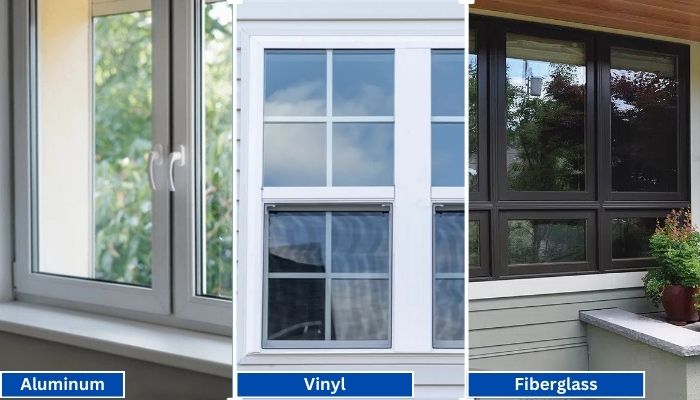
Vinyl generally has the shortest lead times because it is widely produced in standard configurations. Fiberglass is mid-range, especially for factory-painted colors.
Read More
PROUDLY CANADIAN COMPANY OWNED & OPERATED IN TORONTO SINCE 1989!
Vinyl generally has the shortest lead times because it is widely produced in standard configurations. Fiberglass is mid-range, especially for factory-painted colors.
Read More
Vinyl windows have become the go-to choice for homeowners in Toronto, thanks to their durability, energy efficiency, and low maintenance requirements. Whether you're upgrading your home for better insulation or enhancing
Read More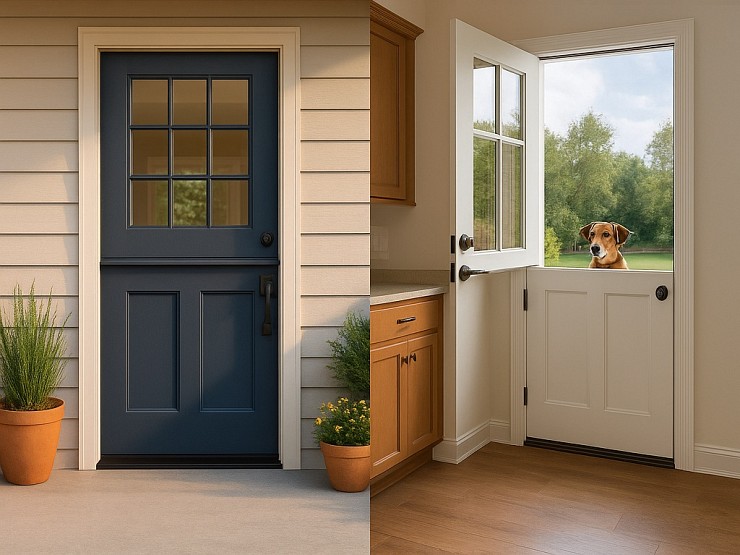
Thinking about changing your front door? A fiberglass Dutch door might have caught your eye. It’s not just a door. It’s part style statement, part smart functionality.
Read More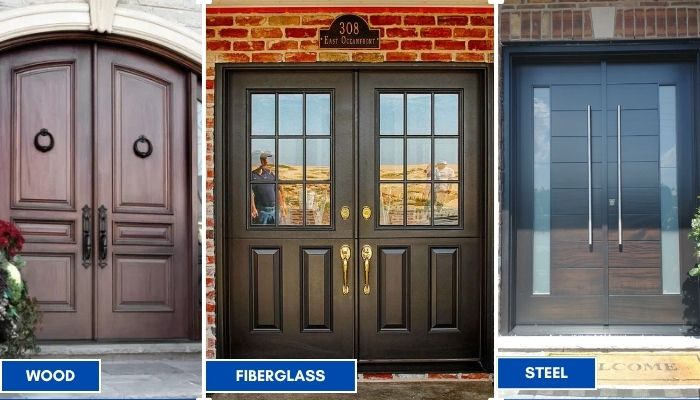
Thinking about replacing your front doors? Double doors are a bold upgrade. They look great, let in more light, and make moving big stuff easier. But the material you choose makes all the difference; especially here in Toronto.
Read More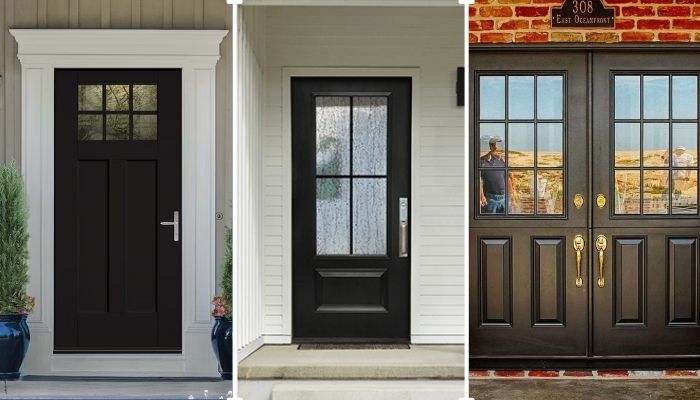
Thinking of giving your home that cozy, farmhouse charm? Let’s talk doors. Specifically, the fiberglass front doors in farmhouse style. You get the rustic look, without the rot, warping, or constant upkeep that comes with wood.
Read More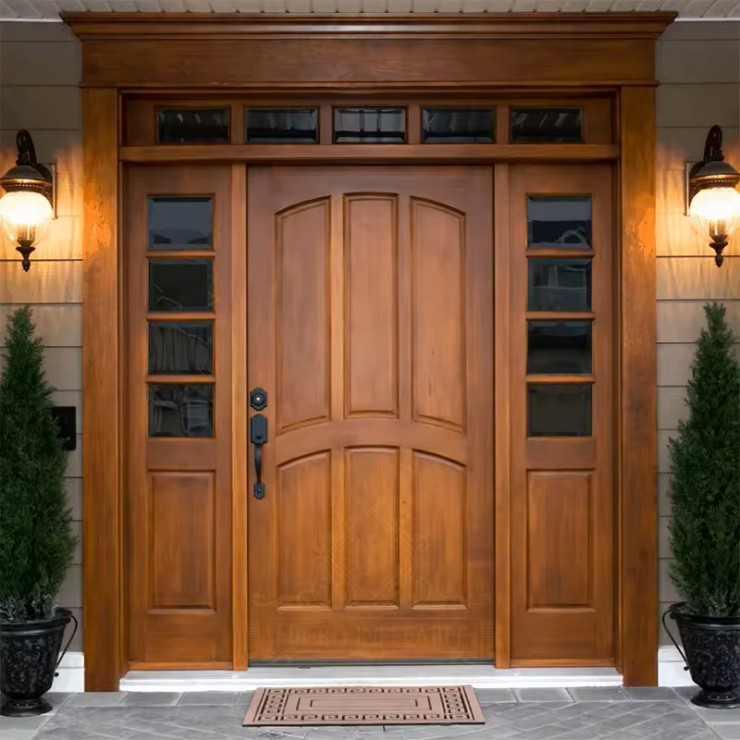
You want something that looks great, lasts long, and doesn’t stress you out with maintenance. You’re not alone. That’s exactly why more and more Toronto homeowners are choosing...
Read More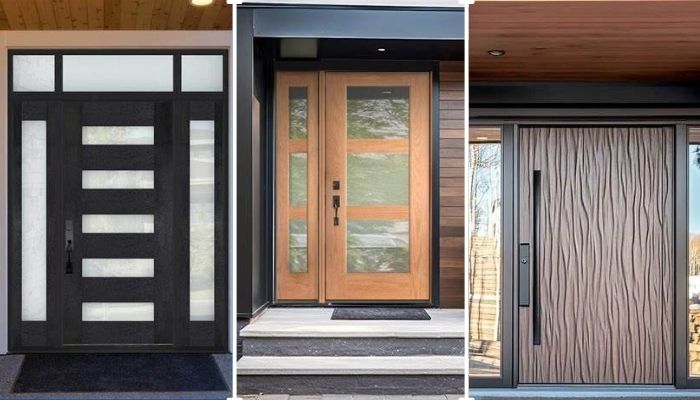
Thinking about replacing your front door? Let’s talk fiberglass. It's one of the smartest upgrades you can make, especially if you're living in Toronto. Whether your current door is drafty, outdated, or just plain boring.
Read More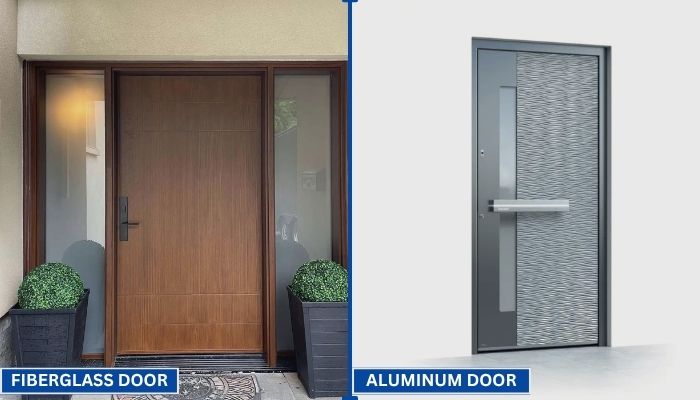
Your front door does more than just open and close. It protects your home, adds curb appeal, and helps control indoor temperature. That’s why picking the right door material matters.
Read More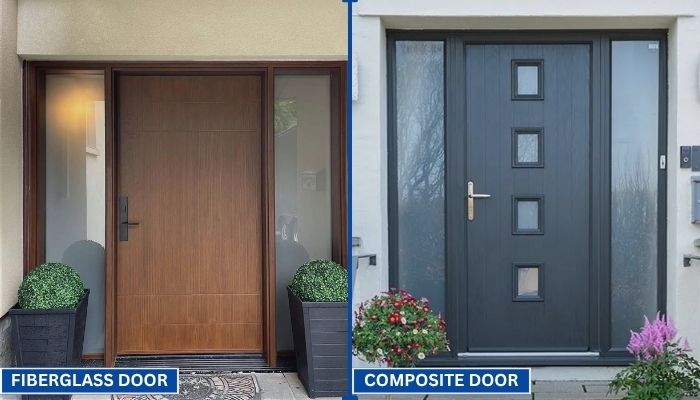
Choosing the right door can be confusing. You want something that looks good, lasts long, and keeps your home secure. Two of the most popular options today are fiberglass and composite doors.
Read More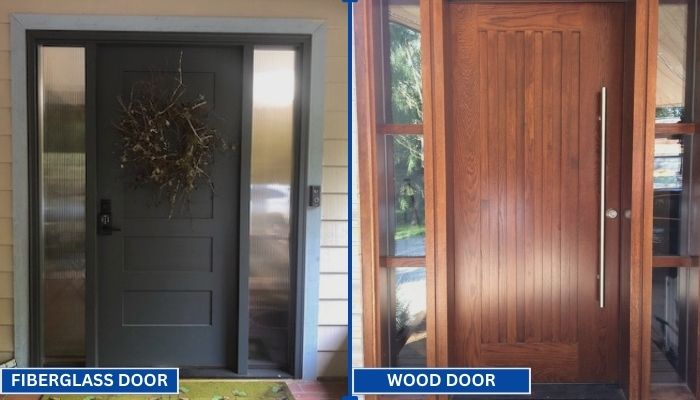
Replacing your front door is a big decision. Wood and fiberglass are two of the most popular materials for entry doors. Each has its own strengths in terms of style, durability, and maintenance. To help you choose the right one for your home, we have to go through a clear comparison.
Read MoreChoosing a high speed packaging machine is not simply a race for maximum packs per minute. It is a decision about uptime, product protection, operator safety, and long-term operating cost. PMMI’s 2024 State of the Industry report highlights labor shortages, automation needs, and pressure to improve production efficiency. Smithers’ The Future of Global Packaging to 2029 also points to continued packaging-market growth, driven by food, healthcare, and e-commerce demand.
The practical question is more specific: Can the machine maintain speed when film tension changes, product sizes vary, or a sealing jaw collects residue? A machine that reaches 300 packs per minute in a demonstration may perform differently during a twelve-hour shift. Watch the changeover. Measure cleaning time. Ask for verified output data, not impressive claims.
Dr. John Henry, a recognized packaging machinery author, offers a useful principle: “Packaging machinery is a system, not a collection of individual machines.” That view matters when comparing feeding systems, conveyors, controls, sealing units, inspection tools, and service support. A faster filler cannot compensate for unstable infeed flow. A precise wrapper still fails if spare parts arrive slowly.
Small details matter.
This guide presents seven practical tips for evaluating a high speed packaging machine. It considers throughput, compatibility, sanitation, energy use, controls, maintenance, and supplier reliability. Some recommendations may challenge the usual buying checklist. That is intentional. Speed looks attractive, but dependable performance is harder to prove.
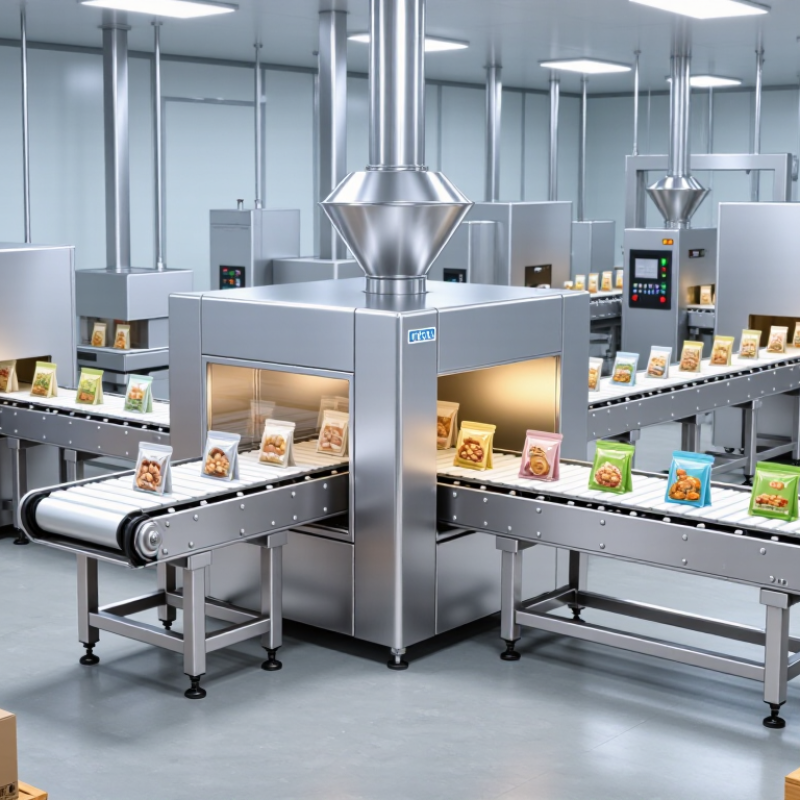
Choosing a high-speed packaging machine starts with a clear production baseline. Define required packs per minute, product weight, package dimensions, and operating hours. Do not trust the machine’s headline speed alone. Ask whether that figure includes changeovers, rejected packs, cleaning, and film splices. A line rated at 180 packs per minute may deliver only 145 in daily production.
Calculate demand by shift. For example, 60,000 packs across two eight-hour shifts requires about 63 good packs per minute, before planned downtime. Add a realistic safety margin, not an extreme one. PMMI industry reports repeatedly identify labor availability, uptime, and flexible production as major packaging priorities. A machine that needs constant manual adjustment may defeat its advertised speed. Small details matter, such as a three-minute film change or poorly placed sensors.
Check your product range before selecting the machine. Thin pouches, fragile snacks, dusty powders, and irregular products behave differently at high speeds. The International Federation of Robotics reported 541,302 industrial robots installed worldwide in 2023, showing the wider move toward automated production. Automation helps, but it cannot correct unstable feeding or inconsistent materials. Request a factory acceptance test using your actual product and packaging film. Measure good output, seal quality, waste, and recovery time after a jam. A faster line is not always the better investment. Sometimes, the honest answer is slower.
We’ll Come To You!
Quality New Windows & Doors. Competitively Priced!
Christine R.
Please, enter a valid value