
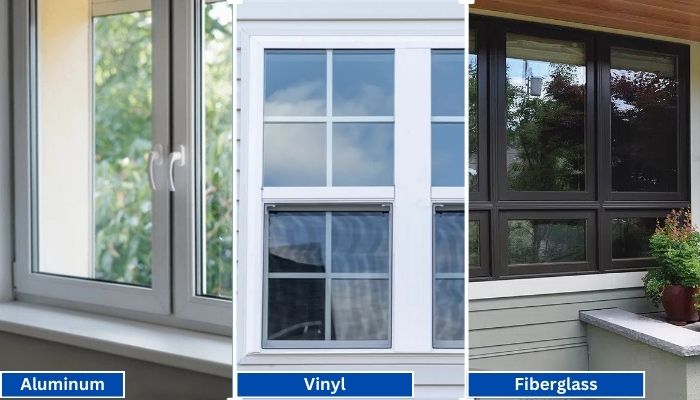
Vinyl generally has the shortest lead times because it is widely produced in standard configurations. Fiberglass is mid-range, especially for factory-painted colors.
Read More
PROUDLY CANADIAN COMPANY OWNED & OPERATED IN TORONTO SINCE 1989!
Vinyl generally has the shortest lead times because it is widely produced in standard configurations. Fiberglass is mid-range, especially for factory-painted colors.
Read More
Vinyl windows have become the go-to choice for homeowners in Toronto, thanks to their durability, energy efficiency, and low maintenance requirements. Whether you're upgrading your home for better insulation or enhancing
Read More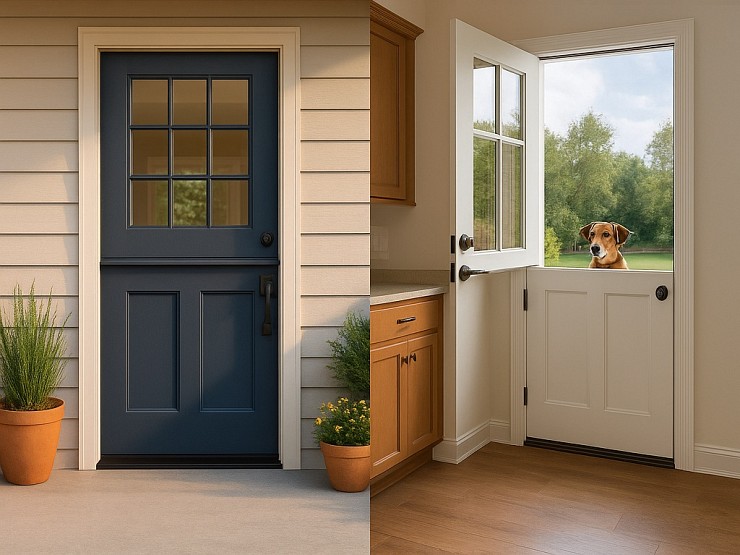
Thinking about changing your front door? A fiberglass Dutch door might have caught your eye. It’s not just a door. It’s part style statement, part smart functionality.
Read More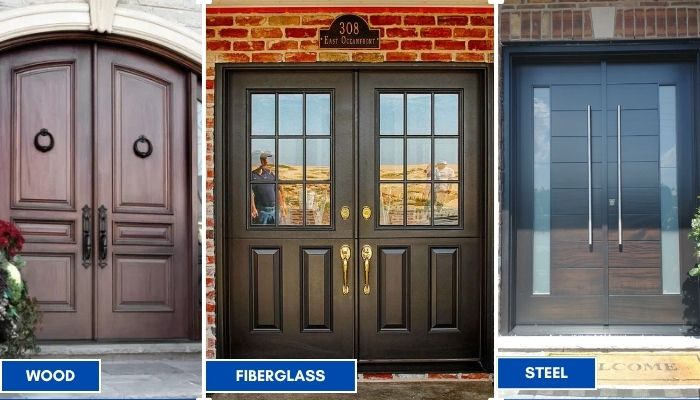
Thinking about replacing your front doors? Double doors are a bold upgrade. They look great, let in more light, and make moving big stuff easier. But the material you choose makes all the difference; especially here in Toronto.
Read More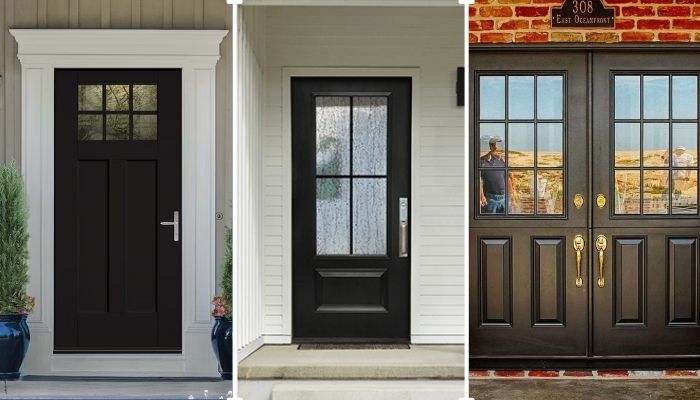
Thinking of giving your home that cozy, farmhouse charm? Let’s talk doors. Specifically, the fiberglass front doors in farmhouse style. You get the rustic look, without the rot, warping, or constant upkeep that comes with wood.
Read More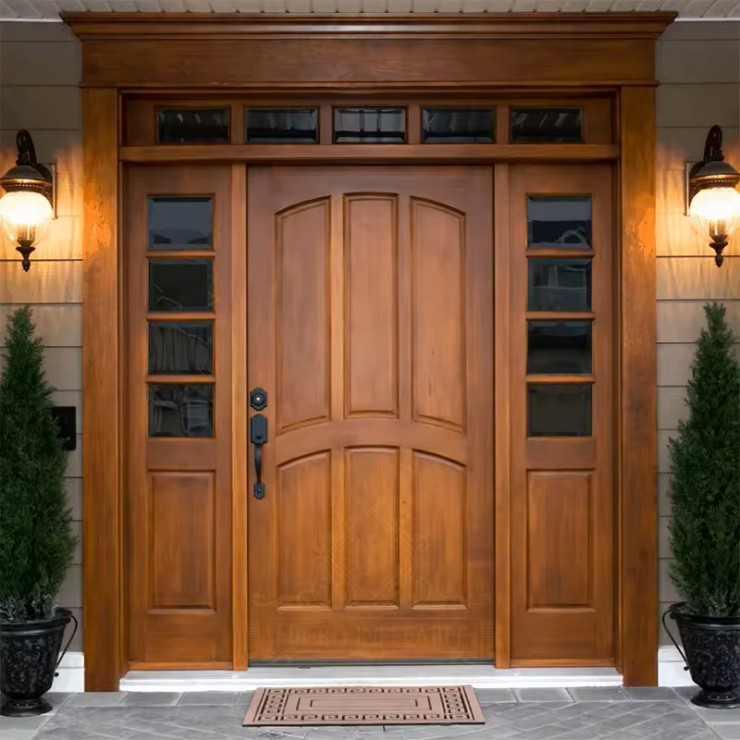
You want something that looks great, lasts long, and doesn’t stress you out with maintenance. You’re not alone. That’s exactly why more and more Toronto homeowners are choosing...
Read More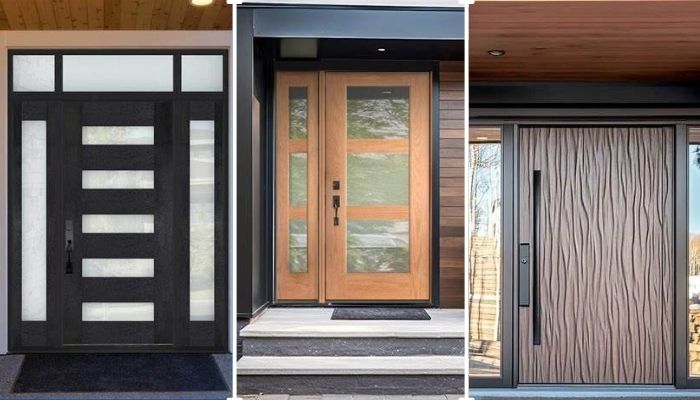
Thinking about replacing your front door? Let’s talk fiberglass. It's one of the smartest upgrades you can make, especially if you're living in Toronto. Whether your current door is drafty, outdated, or just plain boring.
Read More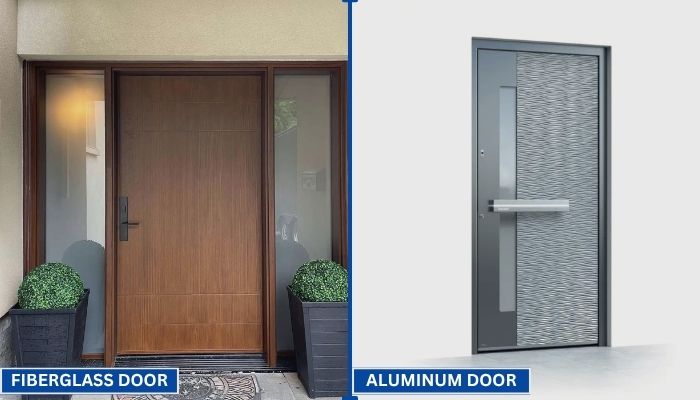
Your front door does more than just open and close. It protects your home, adds curb appeal, and helps control indoor temperature. That’s why picking the right door material matters.
Read More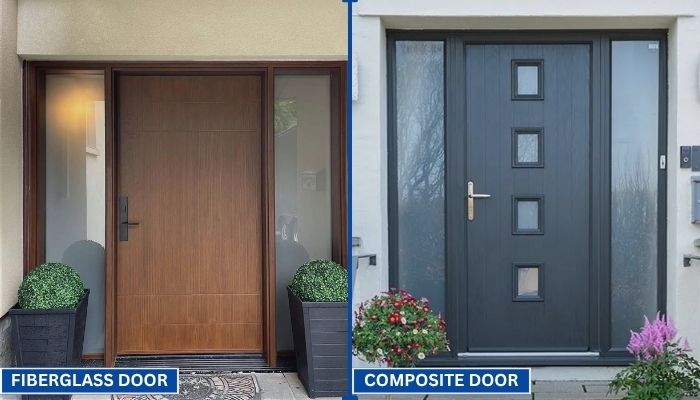
Choosing the right door can be confusing. You want something that looks good, lasts long, and keeps your home secure. Two of the most popular options today are fiberglass and composite doors.
Read More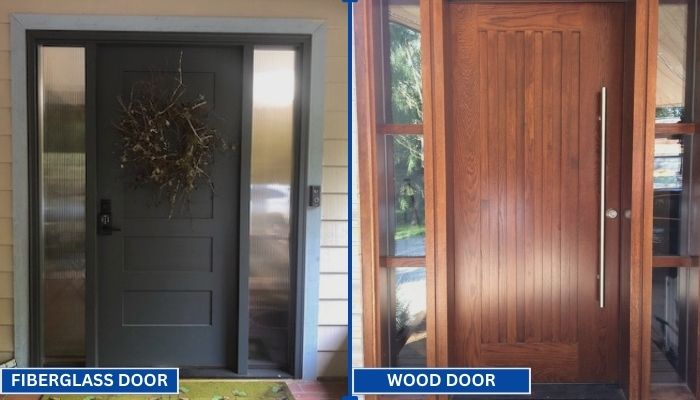
Replacing your front door is a big decision. Wood and fiberglass are two of the most popular materials for entry doors. Each has its own strengths in terms of style, durability, and maintenance. To help you choose the right one for your home, we have to go through a clear comparison.
Read MoreChoosing the right exterior windows for your home can be a daunting task. According to John Smith, a renowned expert in the exterior windows industry, "Quality windows enhance both beauty and functionality." His insight highlights the importance of making informed choices.
When selecting exterior windows, consider materials, styles, and insulation. Different materials can dramatically affect energy efficiency. Vinyl, wood, and fiberglass each have unique benefits and challenges. Not all windows provide the same level of comfort. Explore designs that match your home’s aesthetic while ensuring durability.
Factors like climate and location cannot be overlooked. Windows must withstand local weather conditions. Some homeowners may overlook these aspects, leading to regrets later on. Taking the time to evaluate various options will lead to better decisions. Remember that exterior windows are not just a design choice; they play a crucial role in your everyday life.

Choosing exterior windows for your home involves careful consideration. Various factors can influence your decision. First, think about the climate in your area. Windows need to withstand specific weather conditions. For instance, homes in windy regions should have sturdy frames. A weak frame will lead to energy loss and discomfort.
Next, consider the aesthetic appeal. The right windows enhance your home's exterior. They should match your architectural style. Large windows can brighten spaces but may not offer as much privacy. Balancing functionality with design is vital. Reflect on what look you prefer.
Energy efficiency is another important aspect. Windows come in different glass types, affecting heat transfer. Low-emissivity glass can reduce energy costs. Consider insulation as well; poor insulation leads to drafts. Be cautious. Sometimes, cheap options seem appealing but can lead to higher repair bills later.


We’ll Come To You!
Quality New Windows & Doors. Competitively Priced!
Christine R.
Please, enter a valid value