
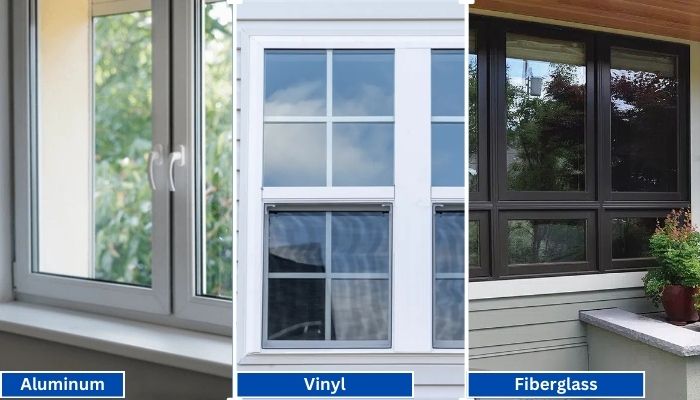
Vinyl generally has the shortest lead times because it is widely produced in standard configurations. Fiberglass is mid-range, especially for factory-painted colors.
Read More
PROUDLY CANADIAN COMPANY OWNED & OPERATED IN TORONTO SINCE 1989!
Vinyl generally has the shortest lead times because it is widely produced in standard configurations. Fiberglass is mid-range, especially for factory-painted colors.
Read More
Vinyl windows have become the go-to choice for homeowners in Toronto, thanks to their durability, energy efficiency, and low maintenance requirements. Whether you're upgrading your home for better insulation or enhancing
Read More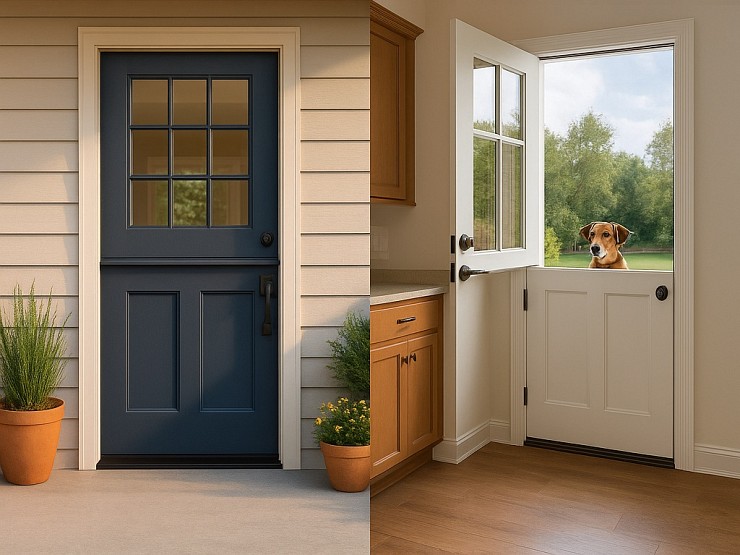
Thinking about changing your front door? A fiberglass Dutch door might have caught your eye. It’s not just a door. It’s part style statement, part smart functionality.
Read More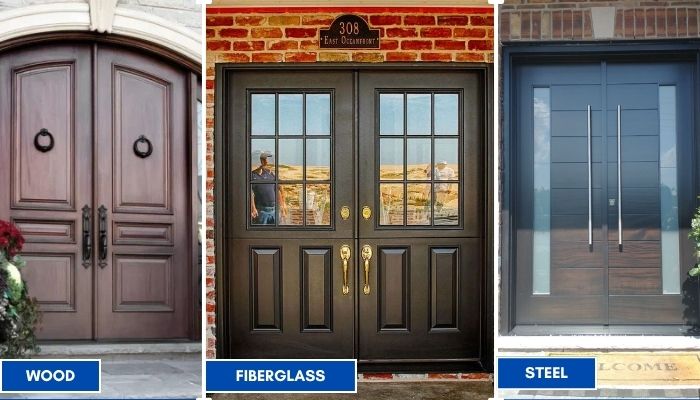
Thinking about replacing your front doors? Double doors are a bold upgrade. They look great, let in more light, and make moving big stuff easier. But the material you choose makes all the difference; especially here in Toronto.
Read More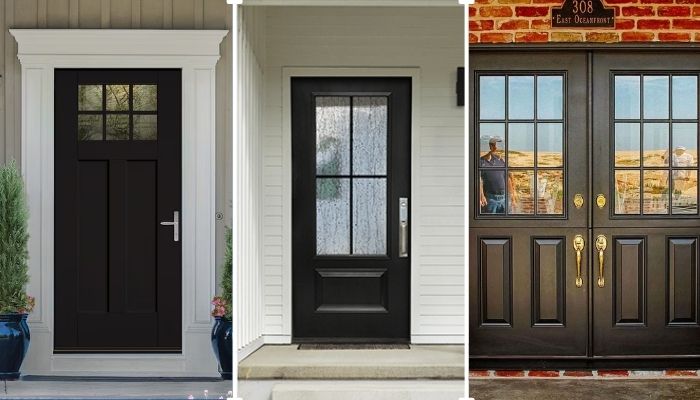
Thinking of giving your home that cozy, farmhouse charm? Let’s talk doors. Specifically, the fiberglass front doors in farmhouse style. You get the rustic look, without the rot, warping, or constant upkeep that comes with wood.
Read More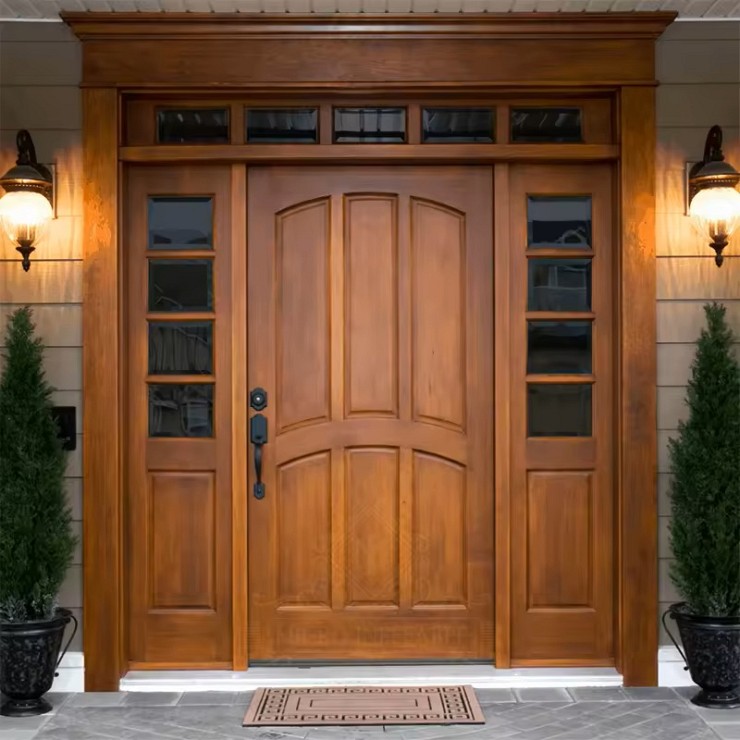
You want something that looks great, lasts long, and doesn’t stress you out with maintenance. You’re not alone. That’s exactly why more and more Toronto homeowners are choosing...
Read More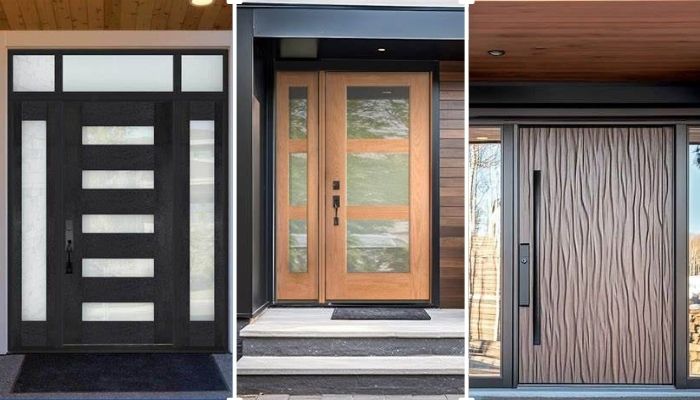
Thinking about replacing your front door? Let’s talk fiberglass. It's one of the smartest upgrades you can make, especially if you're living in Toronto. Whether your current door is drafty, outdated, or just plain boring.
Read More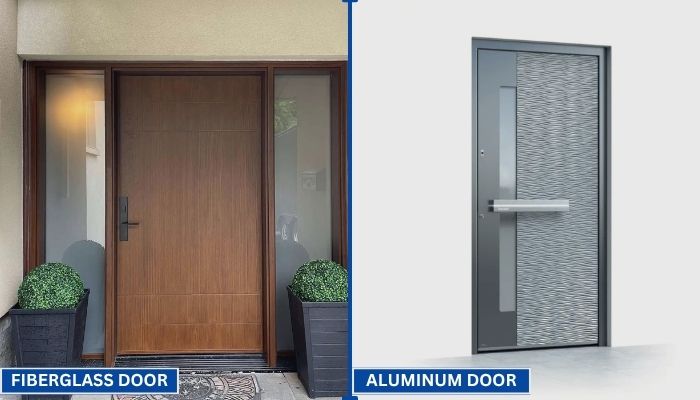
Your front door does more than just open and close. It protects your home, adds curb appeal, and helps control indoor temperature. That’s why picking the right door material matters.
Read More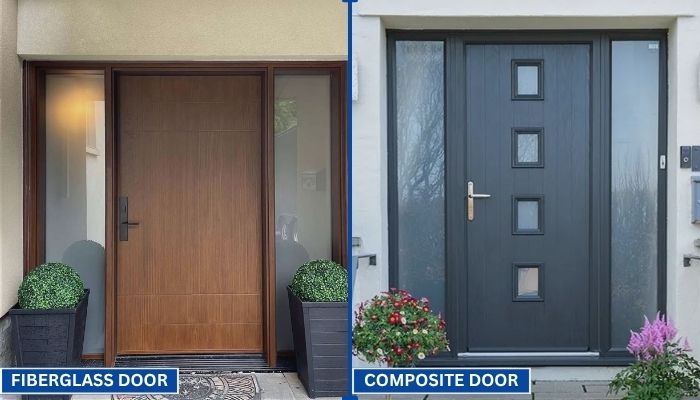
Choosing the right door can be confusing. You want something that looks good, lasts long, and keeps your home secure. Two of the most popular options today are fiberglass and composite doors.
Read More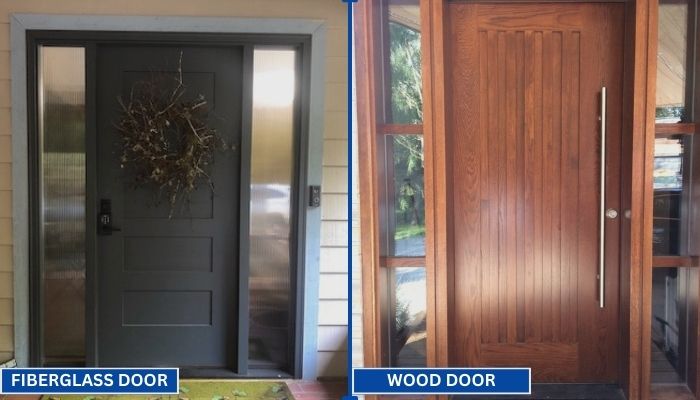
Replacing your front door is a big decision. Wood and fiberglass are two of the most popular materials for entry doors. Each has its own strengths in terms of style, durability, and maintenance. To help you choose the right one for your home, we have to go through a clear comparison.
Read MoreChoosing a global window supplier is not just a price comparison. Product construction, tested performance, finish options, lead times, and after-sales support all shape the final result. Aluminum Clad Windows often pair a weather-resistant aluminum exterior with a warmer interior finish, but designs differ between manufacturers. Buyers should confirm the exact materials and system details.
Performance deserves careful attention. The U.S. Department of Energy’s Energy Saver guidance estimates that windows account for 25%–30% of residential heating and cooling energy use. That figure applies to windows generally, not to every aluminum-clad product. Actual results depend on glazing, frame design, installation quality, climate, and building use. Small details matter.
This guide introduces ten suppliers for global buyers, with attention to product range, customization, documentation, and international support. A supplier’s catalog can look impressive; verified test reports and project references offer more useful evidence. Compare whole-window ratings where available, and ask how products perform in the intended climate. Check warranty terms and replacement-part availability, too.
There is no universal winner. A strong fit for a coastal residence may not suit a high-rise project or a tight delivery schedule. Supplier capabilities and certifications can also vary by market, so verify claims directly and request current documentation. This shortlist is a starting point, not a procurement guarantee. Even careful comparisons leave room for surprises.
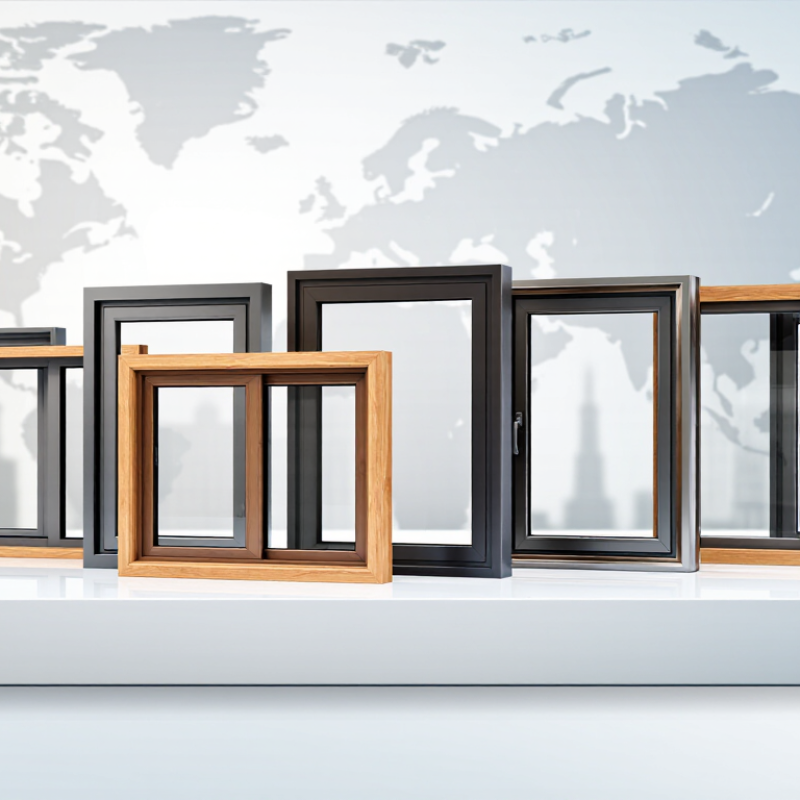
An aluminum-clad window typically pairs a wood interior with an aluminum exterior. The wood side brings a warm, paintable or stainable surface into the room. The outer aluminum cladding shields much of the frame from rain, sun, and repeated repainting. It is not an all-aluminum window: wood remains an important structural and insulating component.
Core construction varies by product. Some frames use solid wood; others use engineered wood made from bonded layers for more consistent dimensions. Certain designs add insulating materials or cavities, but these details differ by manufacturer and window series. Ask for a cross-section, not just a surface description. Small details matter. A thermal break, where included, can reduce heat transfer through metal components, while well-designed drainage paths help move water back outside. Cladding edges and joints deserve a close look, since poor detailing may allow moisture to reach the wood.
For global buyers, compare the full frame-and-glass assembly rather than judging the aluminum finish alone. Check stated thermal and air-leakage performance for the exact size and configuration. Also confirm how the interior wood is finished and maintained. A dark exterior may look crisp on a sample, yet perform differently under strong sun. I would not assume every aluminum-clad frame needs no upkeep; seals, finishes, and drainage still need periodic inspection.
We’ll Come To You!
Quality New Windows & Doors. Competitively Priced!
Christine R.
Please, enter a valid value