
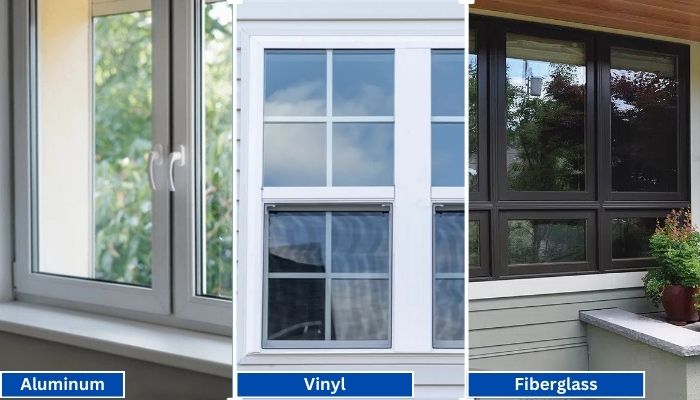
Vinyl generally has the shortest lead times because it is widely produced in standard configurations. Fiberglass is mid-range, especially for factory-painted colors.
Read More
PROUDLY CANADIAN COMPANY OWNED & OPERATED IN TORONTO SINCE 1989!
Vinyl generally has the shortest lead times because it is widely produced in standard configurations. Fiberglass is mid-range, especially for factory-painted colors.
Read More
Vinyl windows have become the go-to choice for homeowners in Toronto, thanks to their durability, energy efficiency, and low maintenance requirements. Whether you're upgrading your home for better insulation or enhancing
Read More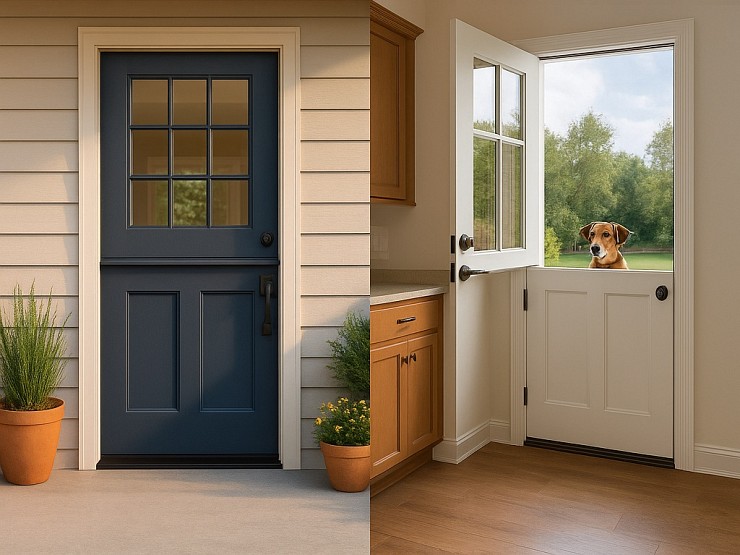
Thinking about changing your front door? A fiberglass Dutch door might have caught your eye. It’s not just a door. It’s part style statement, part smart functionality.
Read More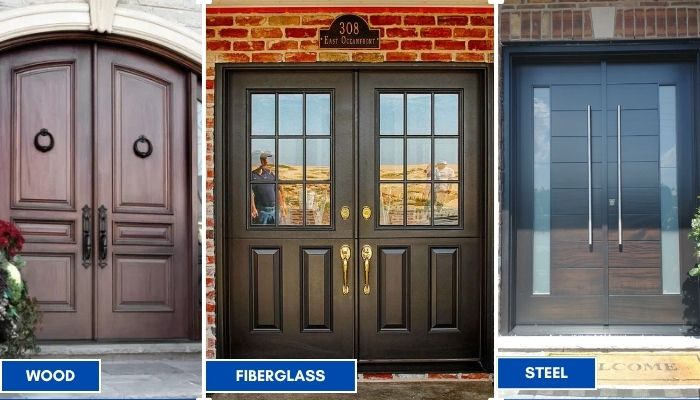
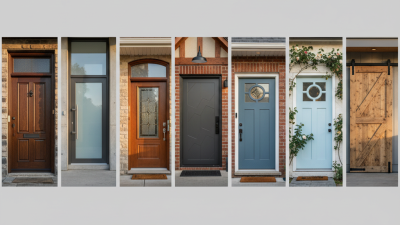
Thinking about replacing your front doors? Double doors are a bold upgrade. They look great, let in more light, and make moving big stuff easier. But the material you choose makes all the difference; especially here in Toronto.
Read More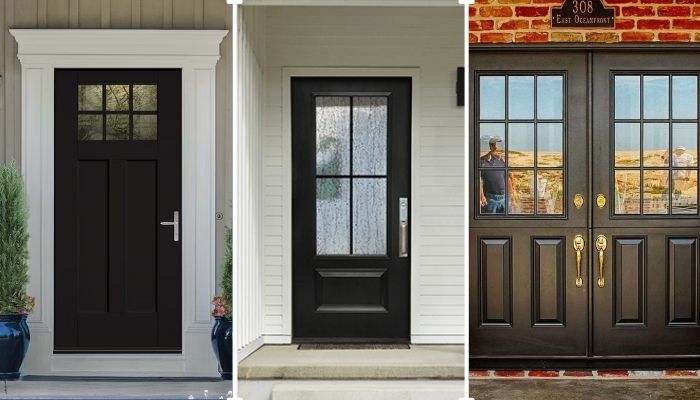
Thinking of giving your home that cozy, farmhouse charm? Let’s talk doors. Specifically, the fiberglass front doors in farmhouse style. You get the rustic look, without the rot, warping, or constant upkeep that comes with wood.
Read More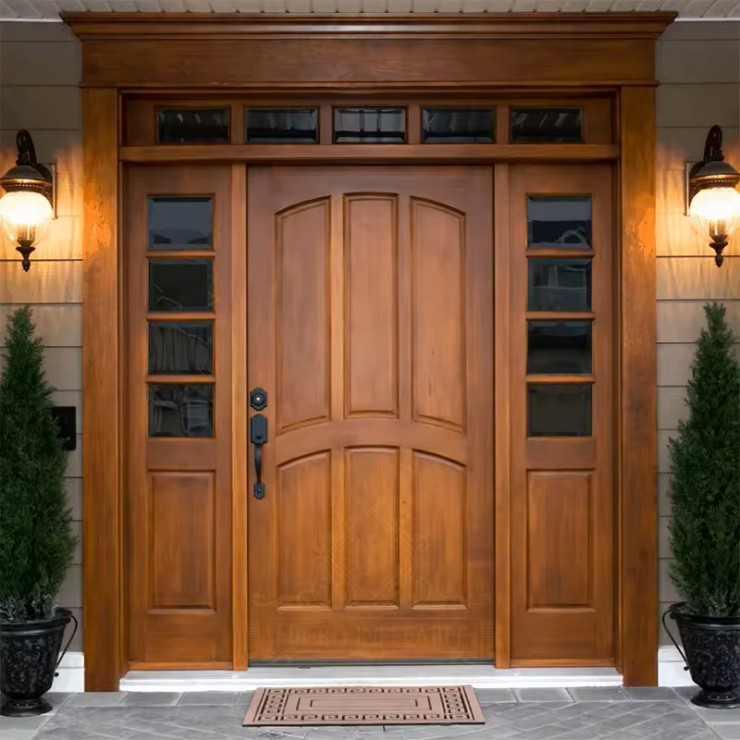
You want something that looks great, lasts long, and doesn’t stress you out with maintenance. You’re not alone. That’s exactly why more and more Toronto homeowners are choosing...
Read More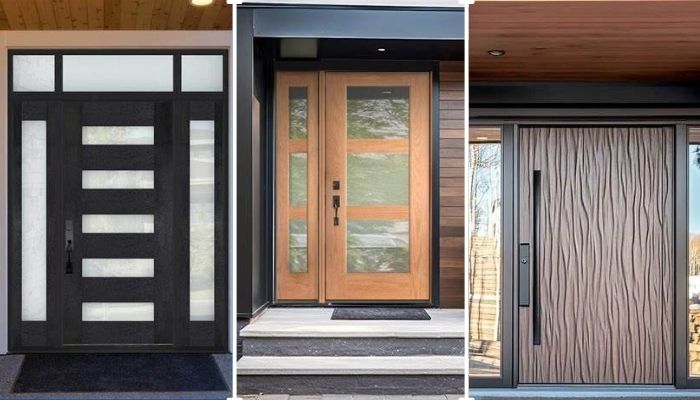
Thinking about replacing your front door? Let’s talk fiberglass. It's one of the smartest upgrades you can make, especially if you're living in Toronto. Whether your current door is drafty, outdated, or just plain boring.
Read More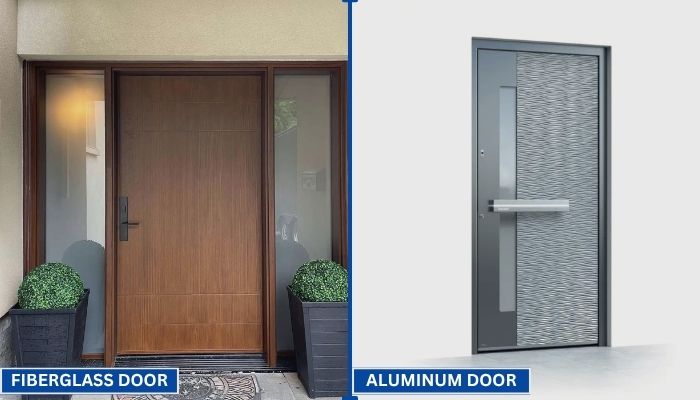
Your front door does more than just open and close. It protects your home, adds curb appeal, and helps control indoor temperature. That’s why picking the right door material matters.
Read More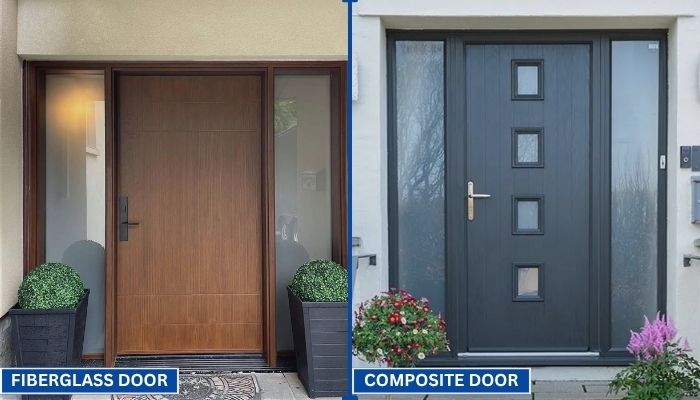
Choosing the right door can be confusing. You want something that looks good, lasts long, and keeps your home secure. Two of the most popular options today are fiberglass and composite doors.
Read More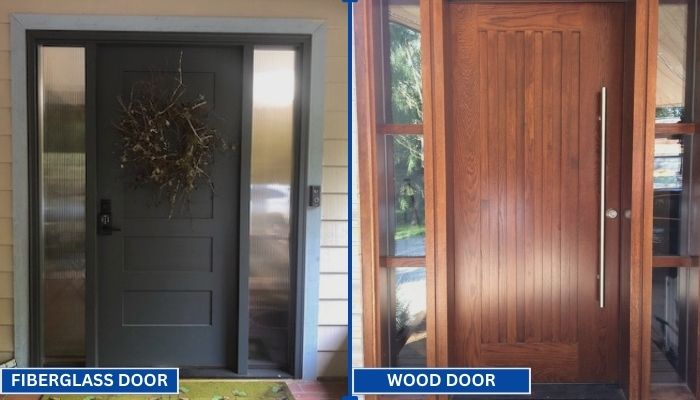
Replacing your front door is a big decision. Wood and fiberglass are two of the most popular materials for entry doors. Each has its own strengths in terms of style, durability, and maintenance. To help you choose the right one for your home, we have to go through a clear comparison.
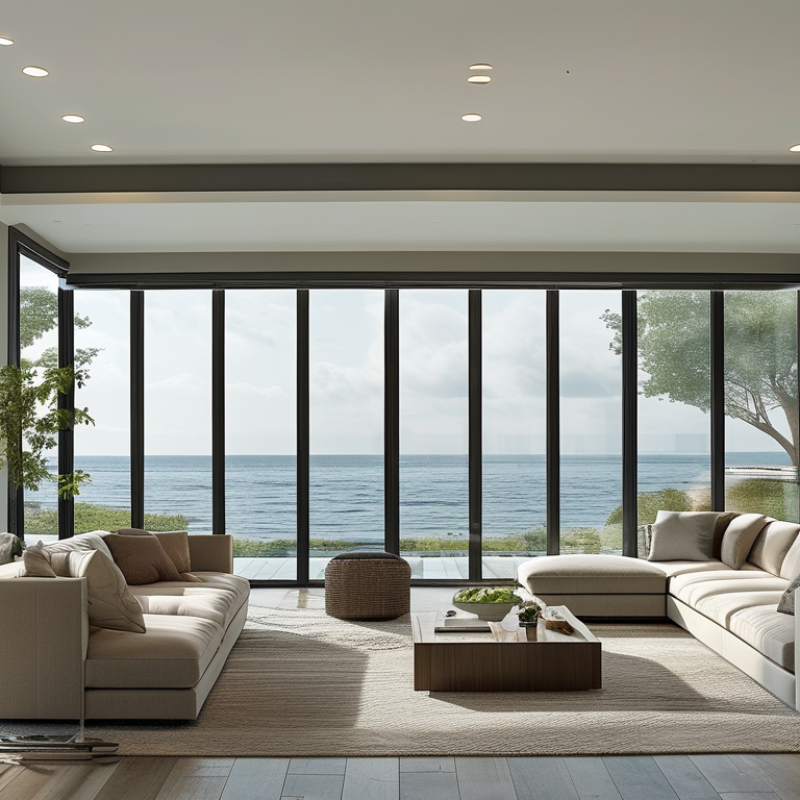
Read MoreChoosing among the top 10 types of residential windows is not simply a matter of appearance. Global buyers must compare climate, building orientation, ventilation needs, energy performance, and installation conditions. A wide picture window may brighten a coastal living room, while a smaller awning window could perform better in a rainy, windy region. Details matter.
This guide examines casement, sliding, double-hung, awning, bay, bow, picture, hopper, specialty, and roof windows. Each style offers practical advantages and possible limitations. Frame materials, glazing layers, opening direction, hardware quality, and drainage design can change the final result. A triple-glazed unit may reduce heat transfer, but it can also increase weight and cost. Local professionals should verify structural loads, emergency egress, ventilation rules, and applicable building standards before purchase.
No single ranking fits every market. That is worth remembering. A product described as “energy efficient” may perform differently after poor installation or prolonged exposure to humidity, dust, salt, or extreme temperatures. Buyers should request documented performance data, warranty terms, maintenance guidance, and replacement-part availability. Site measurements should be checked twice. Even experienced teams sometimes miss an uneven opening or an overlooked shading problem.
The following overview is designed to support informed comparison rather than push one universal solution. It combines practical observations with key technical considerations for homeowners, architects, contractors, and distributors. By studying how each type of residential windows operates in real buildings, readers can identify suitable options, recognize trade-offs, and ask better questions before committing to a global purchase.
Top 10 Types of Residential Windows for Global Buyers
NFRC ratings make window comparison more practical than appearance alone. The ten common types are single-hung, double-hung, casement, awning, sliding, picture, bay, bow, hopper, and specialty geometric windows. Each type can achieve different thermal results, depending on frame material, glazing, seals, and installation quality. U.S. Department of Energy guidance states that windows may account for 25–30% of residential heating and cooling energy use. That figure deserves attention.
Use NFRC U-factor to compare heat transfer. Lower values generally indicate better insulation. Check Solar Heat Gain Coefficient, or SHGC, before choosing glass for a hot climate. Lower SHGC can reduce unwanted solar heat, while higher SHGC may help passive heating in colder regions. Visible Transmittance measures daylight, and Air Leakage shows how much air passes through the assembly. Condensation Resistance also matters near bathrooms, kitchens, and cold exterior walls. These metrics help compare casement, awning, hopper, and fixed picture windows fairly.
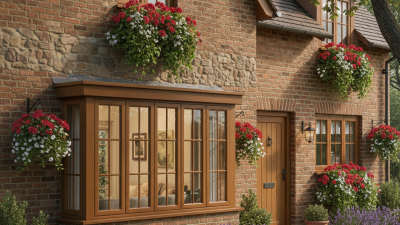
Sliding and hung windows often offer simple operation, but their moving joints can affect air leakage. Bay and bow windows add space, yet their larger structure may increase installation complexity. Specialty shapes create visual character, though replacement costs can rise. The NFRC Certified Products Directory provides independently verified ratings for tested products, not promises based on appearance. A higher rating is not automatically better for every climate. That is the difficult part. Buyers should match U-factor, SHGC, VT, and air leakage with local weather, orientation, and ventilation needs. Installation remains the weak link. Even excellent glass can perform poorly inside a badly sealed opening.
| Rank | Residential Window Type | Typical Operating Style | Representative U-Factor Range (Btu/h·ft²·°F) |
Typical SHGC Range | Typical VT Range | Typical Air Leakage (cfm/ft² at 1.57 psf) |
Typical Condensation Resistance (CR, 0–100) |
Common Buyer Considerations |
|---|---|---|---|---|---|---|---|---|
| 1 | Fixed / Picture Window | Non-operable; sealed frame and sash | 0.20–0.35 | 0.25–0.55 | 0.45–0.75 | ≤ 0.05 | 55–70 | Usually provides the lowest air leakage and strong thermal performance. Suitable where ventilation is not required. |
| 2 | Casement Window | Side-hinged sash operated by a crank | 0.22–0.38 | 0.20–0.55 | 0.45–0.70 | ≤ 0.10 | 50–65 | Compression seals can support good airtightness. The outward opening sash offers effective ventilation and clear views. |
| 3 | Awning Window | Top-hinged sash that opens outward | 0.22–0.40 | 0.20–0.55 | 0.45–0.70 | ≤ 0.10 | 50–65 | Can provide ventilation during light rain when correctly installed, while maintaining a comparatively tight compression seal. |
| 4 | Tilt-and-Turn Window | Tilts inward for ventilation and turns inward for full opening | 0.22–0.40 | 0.20–0.55 | 0.40–0.70 | ≤ 0.10 | 50–65 | Offers two ventilation modes and generally uses multiple locking points. Installation tolerances are important for performance. |
| 5 | Double-Hung Window | Both upper and lower sashes slide vertically | 0.26–0.46 | 0.25–0.55 | 0.40–0.70 | ≤ 0.20 | 45–60 | Provides flexible ventilation and easy cleaning from indoors. Performance depends heavily on sash seals and locking hardware. |
| 6 | Single-Hung Window | Lower sash slides vertically; upper sash is fixed | 0.27–0.48 | 0.25–0.55 | 0.40–0.70 | ≤ 0.20 | 45–60 | Often has a simpler operating mechanism than a double-hung unit. It can offer a practical balance of ventilation, cost, and maintenance. |
| 7 | Horizontal Sliding Window | One or more sashes slide horizontally | 0.28–0.50 | 0.25–0.55 | 0.40–0.70 | ≤ 0.20 | 40–55 | Requires no exterior swing clearance and is convenient near walkways or patios. Sliding tracks and interlocks require regular maintenance. |
| 8 | Hopper Window | Bottom-hinged sash that opens inward | 0.24–0.42 | 0.20–0.50 | 0.35–0.65 | ≤ 0.15 | 45–60 | Common in basements and utility areas. The inward-opening sash can support ventilation but requires interior clearance. |
| 9 | Bay or Bow Window | Angled or curved projection assembled from multiple window units | 0.28–0.50 | 0.25–0.55 | 0.40–0.70 | ≤ 0.20 | 40–60 | Expands interior views and can add usable space. Overall performance is influenced by every individual unit, joint, roof, seat board, and installation detail. |
| 10 | Residential Skylight | Fixed or operable roof-mounted window | 0.35–0.60 | 0.20–0.55 | 0.35–0.70 | ≤ 0.30 | 35–55 | Introduces daylight from above but receives stronger solar exposure and weather loads. Roof pitch, flashing, drainage, and installation quality are critical. |
We’ll Come To You!
Quality New Windows & Doors. Competitively Priced!
Christine R.
Please, enter a valid value