
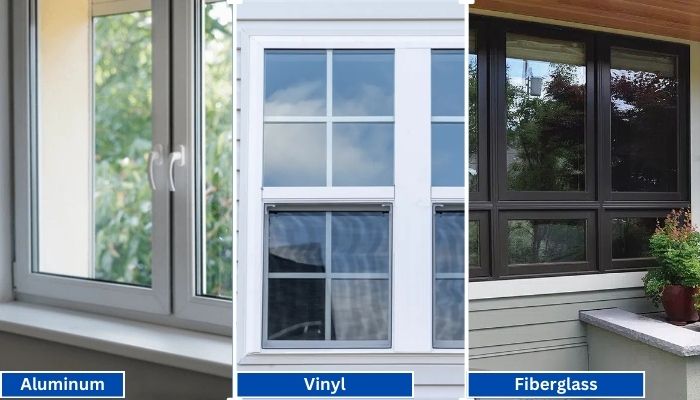
Vinyl generally has the shortest lead times because it is widely produced in standard configurations. Fiberglass is mid-range, especially for factory-painted colors.
Read More
PROUDLY CANADIAN COMPANY OWNED & OPERATED IN TORONTO SINCE 1989!
Vinyl generally has the shortest lead times because it is widely produced in standard configurations. Fiberglass is mid-range, especially for factory-painted colors.
Read More
Vinyl windows have become the go-to choice for homeowners in Toronto, thanks to their durability, energy efficiency, and low maintenance requirements. Whether you're upgrading your home for better insulation or enhancing
Read More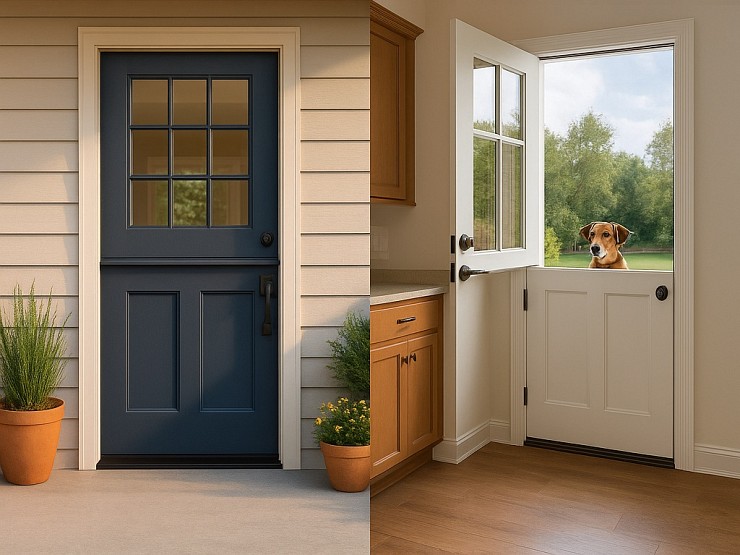
Thinking about changing your front door? A fiberglass Dutch door might have caught your eye. It’s not just a door. It’s part style statement, part smart functionality.
Read More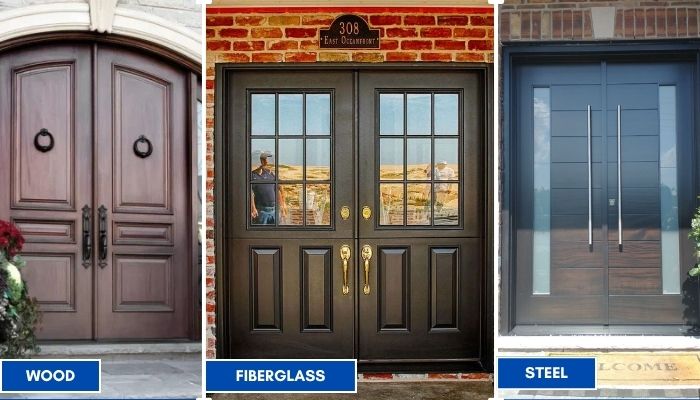
Thinking about replacing your front doors? Double doors are a bold upgrade. They look great, let in more light, and make moving big stuff easier. But the material you choose makes all the difference; especially here in Toronto.
Read More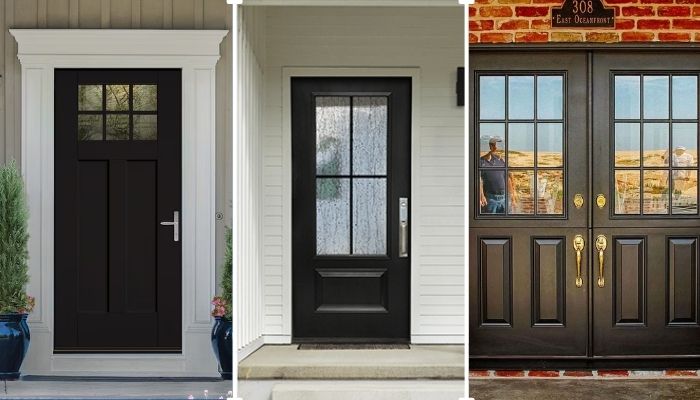
Thinking of giving your home that cozy, farmhouse charm? Let’s talk doors. Specifically, the fiberglass front doors in farmhouse style. You get the rustic look, without the rot, warping, or constant upkeep that comes with wood.
Read More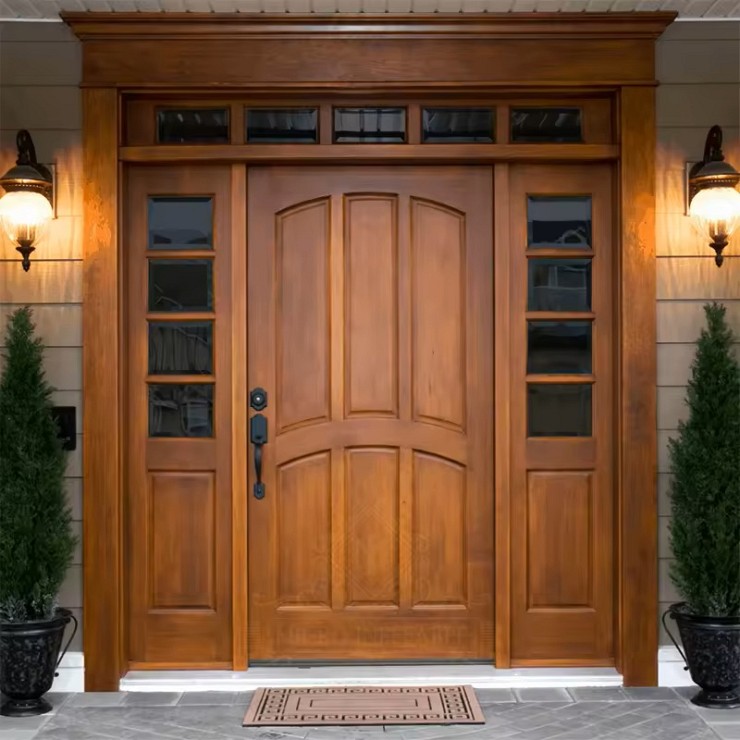
You want something that looks great, lasts long, and doesn’t stress you out with maintenance. You’re not alone. That’s exactly why more and more Toronto homeowners are choosing...
Read More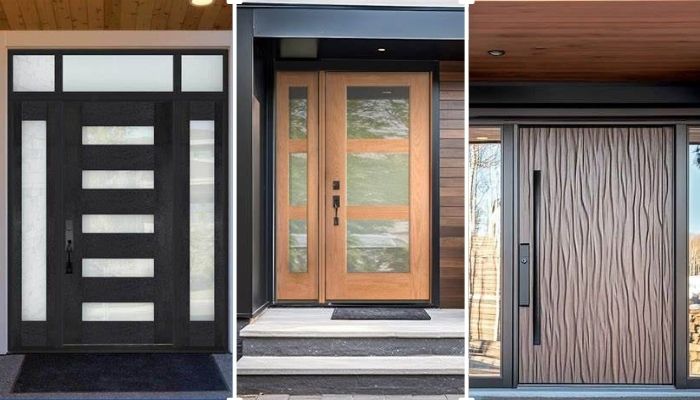
Thinking about replacing your front door? Let’s talk fiberglass. It's one of the smartest upgrades you can make, especially if you're living in Toronto. Whether your current door is drafty, outdated, or just plain boring.
Read More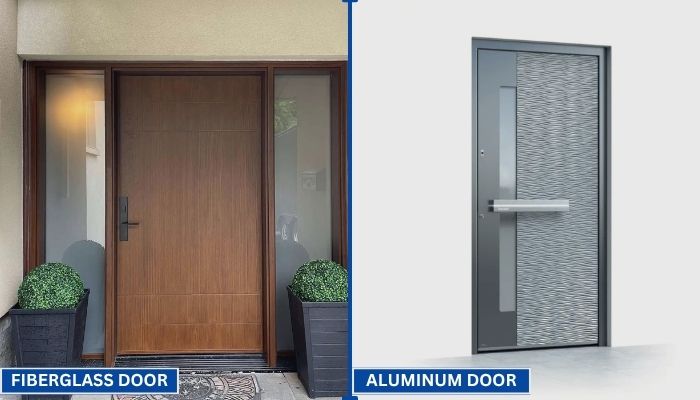
Your front door does more than just open and close. It protects your home, adds curb appeal, and helps control indoor temperature. That’s why picking the right door material matters.
Read More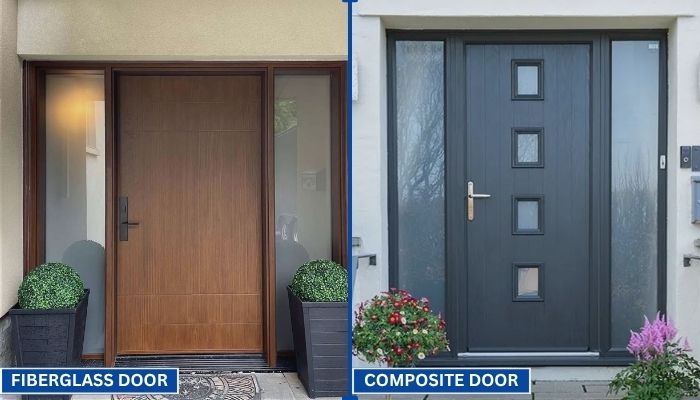
Choosing the right door can be confusing. You want something that looks good, lasts long, and keeps your home secure. Two of the most popular options today are fiberglass and composite doors.
Read More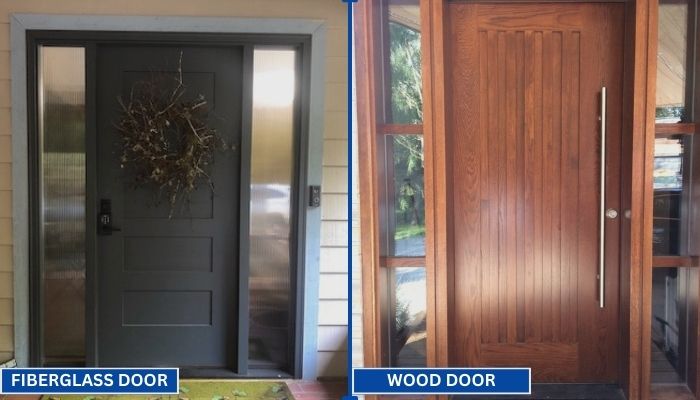
Replacing your front door is a big decision. Wood and fiberglass are two of the most popular materials for entry doors. Each has its own strengths in terms of style, durability, and maintenance. To help you choose the right one for your home, we have to go through a clear comparison.
Read MoreChoosing among the top 10 Window Awnings requires more than comparing colors, prices, and attractive product photos. Global buyers face different sunlight levels, rainfall patterns, wind conditions, building styles, and installation practices. A compact drop-arm awning may suit a narrow apartment balcony, while a motorized cassette model can protect large glass doors beside a coastal patio.
Solar-control consultant Peter Weinert explains, “A good awning manages sunlight before it becomes indoor heat.” This principle guides our comparison. The selection considers fabric performance, frame durability, drainage, operating systems, maintenance needs, warranty clarity, and suitability for different climates. It also considers practical details, such as whether installers can access upper-floor windows safely.
Real-world performance matters. A fabric sample may look excellent indoors, yet fade faster under intense tropical sunlight. A strong frame may perform well in wind, but require deeper wall anchoring. These small details can change the buying decision.
No single awning fits every market. That is worth admitting. Product availability, technical ratings, and local installation quality can vary widely. The following guide therefore presents ten strong options, not ten permanent winners. It encourages buyers to check manufacturer specifications, verified testing, and installer experience before ordering.
From manual retractable designs to sensor-controlled systems, these Window Awnings are assessed for comfort, protection, appearance, and long-term value. The aim is simple: help buyers choose with evidence, not impulse.
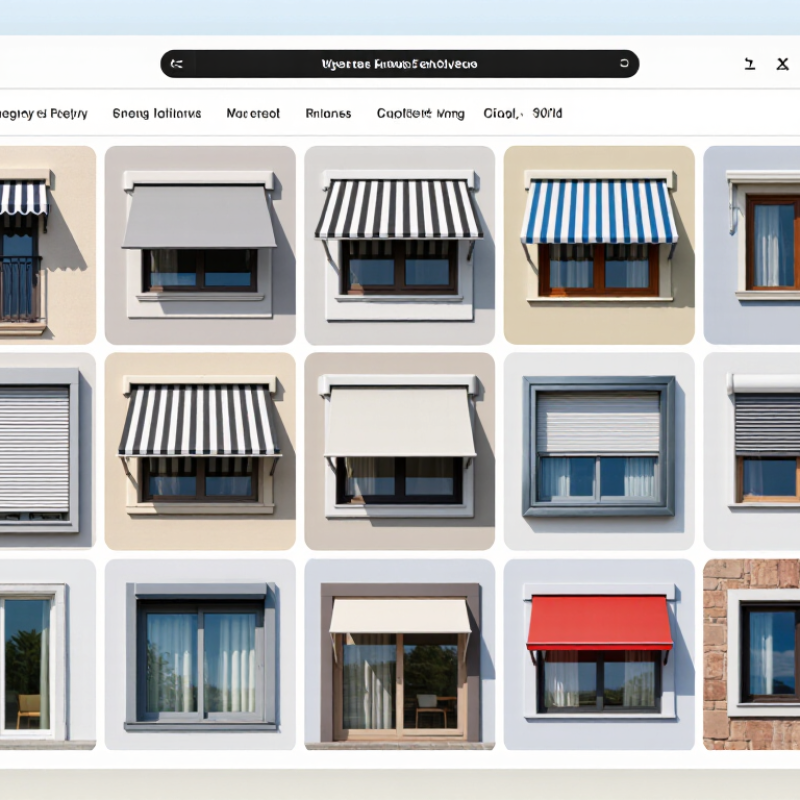
Window awnings are exterior covers fixed above windows. They project outward and block sunlight before it reaches the glass. This simple position matters. Interior blinds reduce glare, but they cannot stop heat entering the window first.
For global buyers comparing the top 10 window awnings, the working principle is similar. Fabric, aluminum, or coated materials create shade over the glazing. Fixed awnings offer steady protection. Retractable, drop-arm, and folding-arm models allow seasonal control. Motorized versions can respond to sunlight, wind, or indoor temperature sensors. The U.S. Department of Energy reports that awnings may reduce solar heat gain by up to 65% on south-facing windows and 77% on west-facing windows. These figures vary with fabric color, window direction, climate, and projection depth. The number is not a promise.
Tips: Measure the window, wall clearance, and required projection before ordering. Select breathable, UV-resistant fabric in humid regions. In windy coastal areas, prioritize tested frames and safe retraction systems. Check drainage paths after installation. Small mistakes become expensive.
From practical site experience, awnings work best when shading matches the sun’s path. A shallow awning may fail against low evening sun. A deep model may block daylight unnecessarily. Buyers should request test results, maintenance guidance, and wind-load information. Energy savings also depend on ventilation, glazing, and air-conditioning habits. Awnings are useful, not magic.
We’ll Come To You!
Quality New Windows & Doors. Competitively Priced!
Christine R.
Please, enter a valid value