
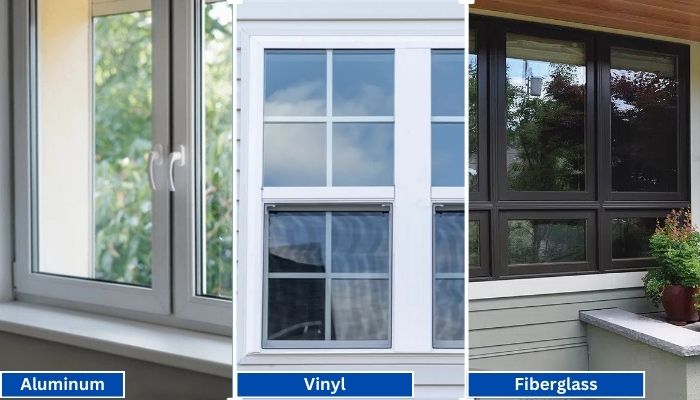
Vinyl generally has the shortest lead times because it is widely produced in standard configurations. Fiberglass is mid-range, especially for factory-painted colors.
Read More
PROUDLY CANADIAN COMPANY OWNED & OPERATED IN TORONTO SINCE 1989!
Vinyl generally has the shortest lead times because it is widely produced in standard configurations. Fiberglass is mid-range, especially for factory-painted colors.
Read More
Vinyl windows have become the go-to choice for homeowners in Toronto, thanks to their durability, energy efficiency, and low maintenance requirements. Whether you're upgrading your home for better insulation or enhancing
Read More
Thinking about changing your front door? A fiberglass Dutch door might have caught your eye. It’s not just a door. It’s part style statement, part smart functionality.
Read More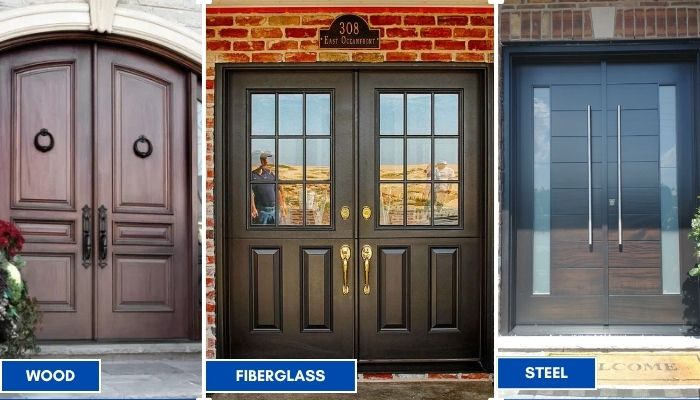
Thinking about replacing your front doors? Double doors are a bold upgrade. They look great, let in more light, and make moving big stuff easier. But the material you choose makes all the difference; especially here in Toronto.
Read More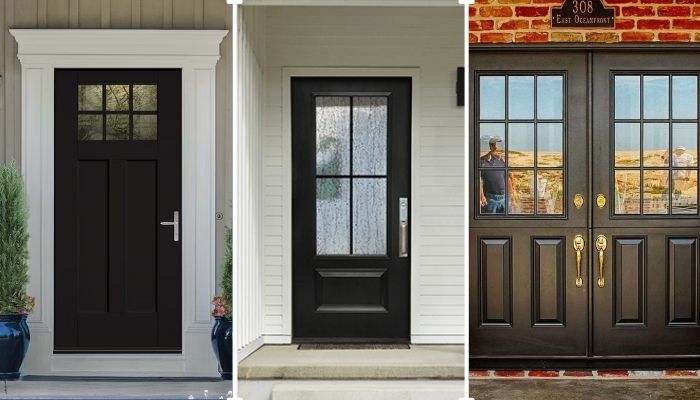
Thinking of giving your home that cozy, farmhouse charm? Let’s talk doors. Specifically, the fiberglass front doors in farmhouse style. You get the rustic look, without the rot, warping, or constant upkeep that comes with wood.
Read More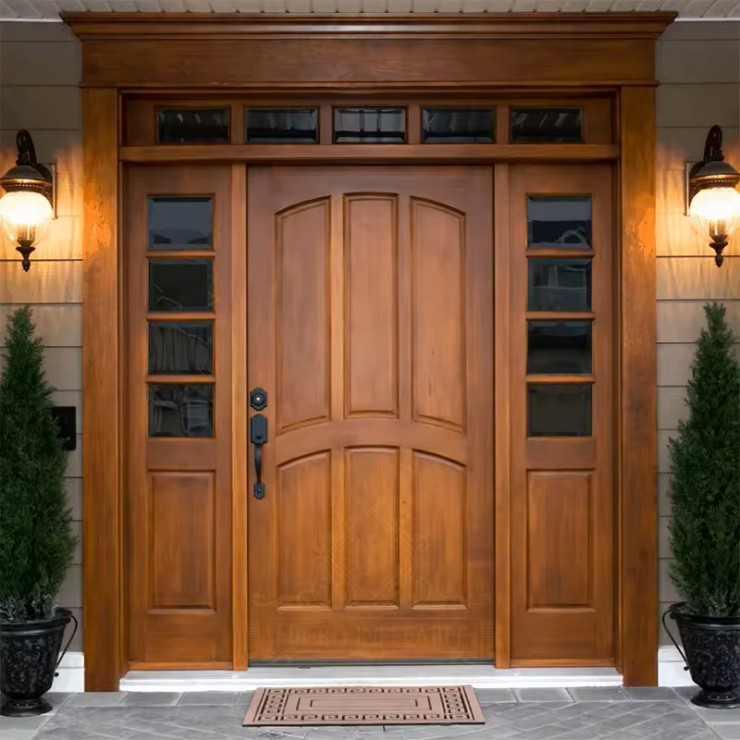
You want something that looks great, lasts long, and doesn’t stress you out with maintenance. You’re not alone. That’s exactly why more and more Toronto homeowners are choosing...
Read More
Thinking about replacing your front door? Let’s talk fiberglass. It's one of the smartest upgrades you can make, especially if you're living in Toronto. Whether your current door is drafty, outdated, or just plain boring.
Read More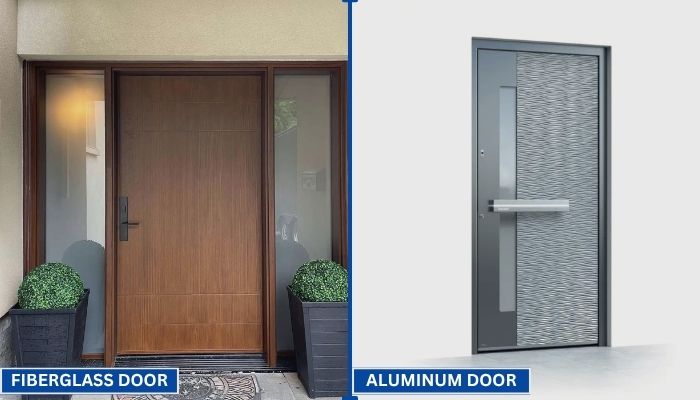
Your front door does more than just open and close. It protects your home, adds curb appeal, and helps control indoor temperature. That’s why picking the right door material matters.
Read More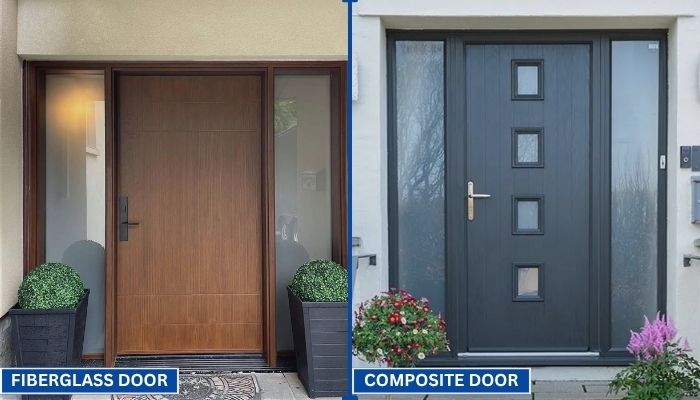
Choosing the right door can be confusing. You want something that looks good, lasts long, and keeps your home secure. Two of the most popular options today are fiberglass and composite doors.
Read More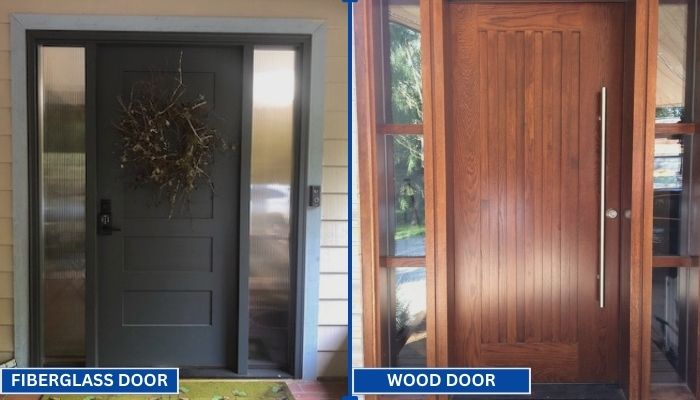
Replacing your front door is a big decision. Wood and fiberglass are two of the most popular materials for entry doors. Each has its own strengths in terms of style, durability, and maintenance. To help you choose the right one for your home, we have to go through a clear comparison.
Read MoreChoosing the right Biology Dissection Kit can shape how students understand anatomy, evidence, and scientific responsibility. In a classroom, the difference appears in small details: sharp but manageable instruments, sealed specimen containers, clear labels, durable trays, and instructions that a first-year learner can follow. A laboratory needs more than attractive packaging. It needs consistent materials, accurate diagrams, safe storage, and practical guidance for cleaning and disposal.
Steve Spangler, a science-education expert and founder of Steve Spangler Science, says, “Science is not a spectator sport.” That principle fits dissection education well. Students learn more when they observe structure directly, record findings, and discuss uncertainty with a teacher. Still, a kit cannot replace instruction. It is only a tool.
Good teaching matters most.
This guide examines the top Biology Dissection Kit options for schools and labs. It considers specimen quality, instrument control, classroom durability, accessibility, documentation, and value over time. Some kits may perform well in one setting but fail in another. A compact student kit may suit a supervised lesson, while a larger laboratory kit may support repeated training and detailed comparison. No product is perfect. Even experienced instructors may need to replace missing tools, improve labeling, or adapt activities for different learners. That limitation deserves attention, not concealment. The strongest choice balances educational purpose, responsible practice, and real classroom conditions.
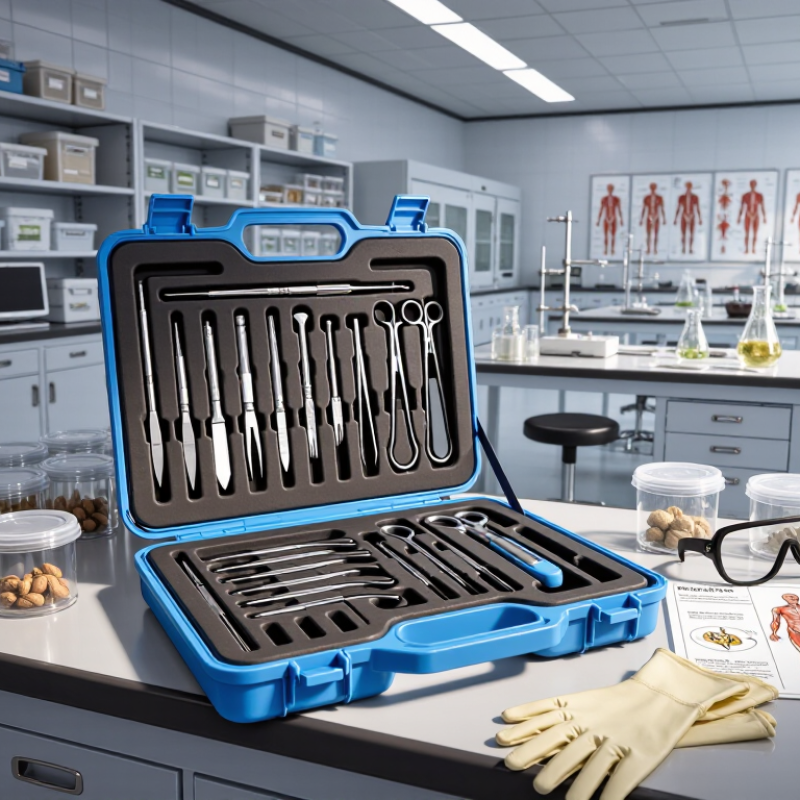
Biology dissection kits are structured sets for examining organs, tissues, and body systems through supervised practical study. A typical kit includes preserved specimens, dissecting tools, trays, gloves, eye protection, labels, and waste containers. Some also provide diagrams, lesson plans, and digital alternatives. The purpose is not simply cutting tissue. Students observe structure, record evidence, compare functions, and practise careful scientific handling.
The OECD PISA 2022 report recorded an average science score of 485 points across OECD countries, four points below 2018. This decline does not prove that dissection kits improve results. It does show why concrete learning experiences deserve careful attention. UNESCO’s Global Report on Teachers estimates a worldwide shortage of 44 million teachers by 2030. Clear instructions and reusable equipment may reduce preparation pressure, but they cannot replace professional judgment. Safety remains central. The World Health Organization’s Laboratory Biosafety Manual recommends risk assessment, protective equipment, controlled procedures, and responsible waste management.
A reliable kit should match student age, curriculum goals, specimen availability, and laboratory facilities. Sharp instruments must feel manageable, not intimidating. Labels should be readable at a crowded bench. Poor kits often include too many parts and too little guidance. That is easy to overlook. Teachers should also consider allergies, cultural concerns, accessibility, and students who prefer non-animal models. My practical view is imperfect: real specimens can create powerful memories, yet digital models may offer better repetition and less waste. The best choice depends on the lesson, not the most impressive box.
We’ll Come To You!
Quality New Windows & Doors. Competitively Priced!
Christine R.
Please, enter a valid value