
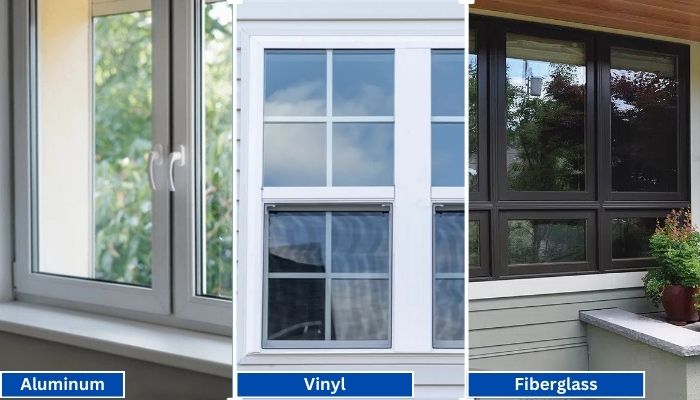
Vinyl generally has the shortest lead times because it is widely produced in standard configurations. Fiberglass is mid-range, especially for factory-painted colors.
Read More
PROUDLY CANADIAN COMPANY OWNED & OPERATED IN TORONTO SINCE 1989!
Vinyl generally has the shortest lead times because it is widely produced in standard configurations. Fiberglass is mid-range, especially for factory-painted colors.
Read More
Vinyl windows have become the go-to choice for homeowners in Toronto, thanks to their durability, energy efficiency, and low maintenance requirements. Whether you're upgrading your home for better insulation or enhancing
Read More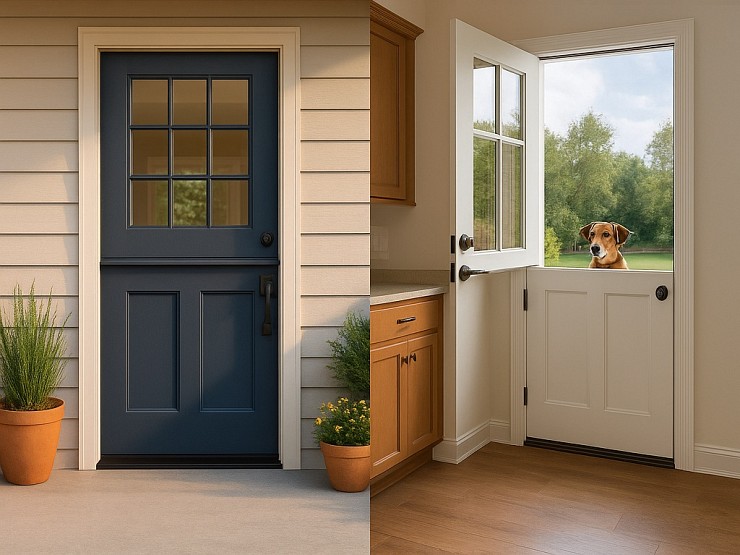
Thinking about changing your front door? A fiberglass Dutch door might have caught your eye. It’s not just a door. It’s part style statement, part smart functionality.
Read More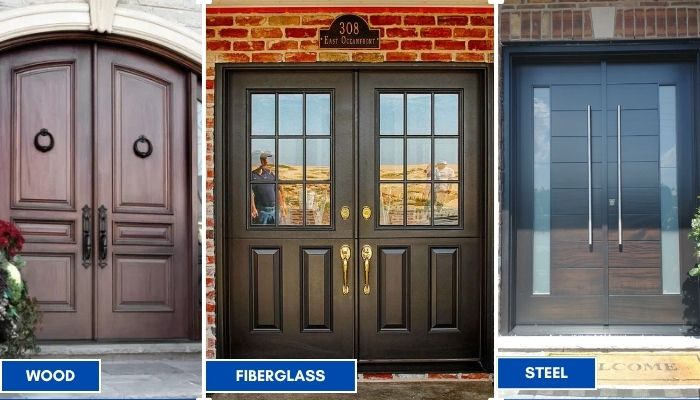
Thinking about replacing your front doors? Double doors are a bold upgrade. They look great, let in more light, and make moving big stuff easier. But the material you choose makes all the difference; especially here in Toronto.
Read More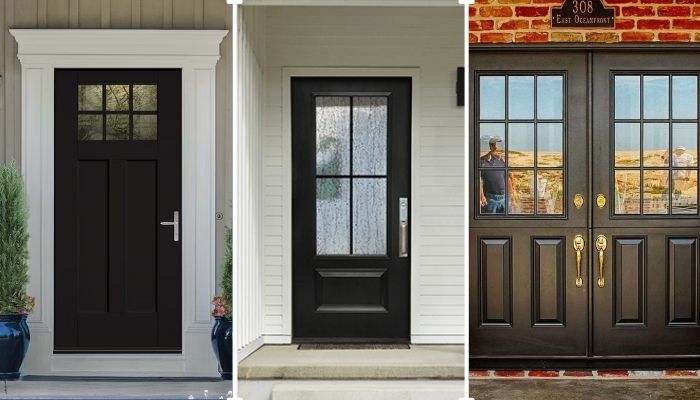
Thinking of giving your home that cozy, farmhouse charm? Let’s talk doors. Specifically, the fiberglass front doors in farmhouse style. You get the rustic look, without the rot, warping, or constant upkeep that comes with wood.
Read More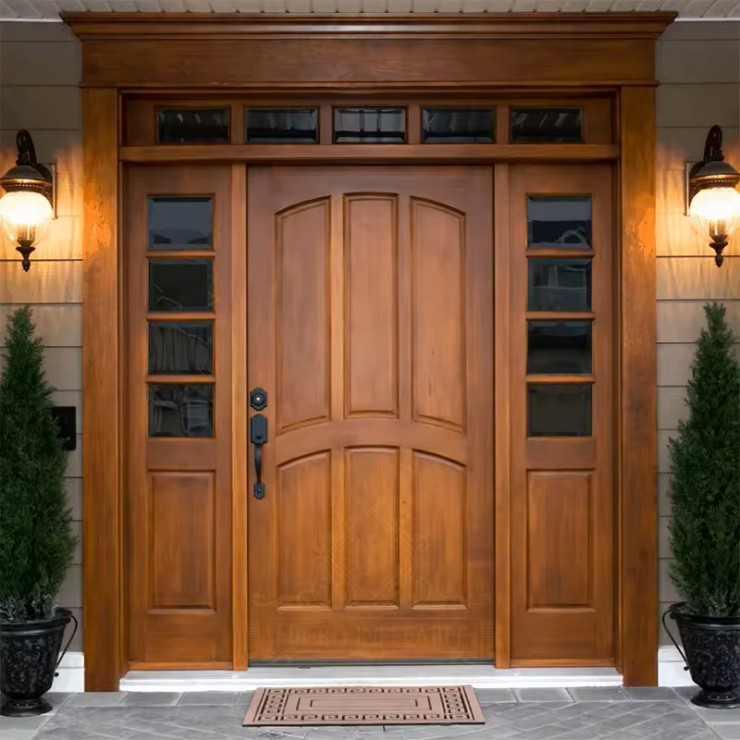
You want something that looks great, lasts long, and doesn’t stress you out with maintenance. You’re not alone. That’s exactly why more and more Toronto homeowners are choosing...
Read More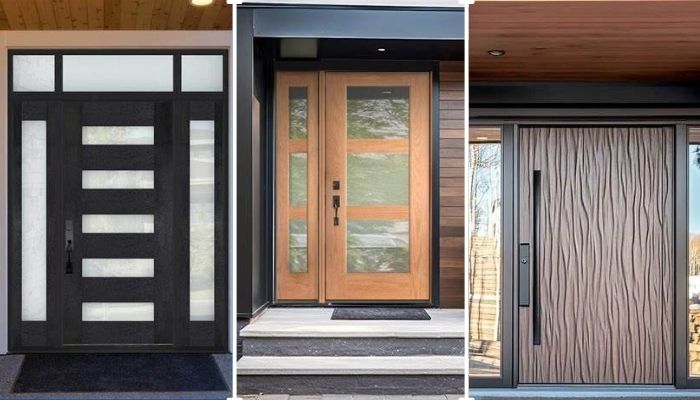
Thinking about replacing your front door? Let’s talk fiberglass. It's one of the smartest upgrades you can make, especially if you're living in Toronto. Whether your current door is drafty, outdated, or just plain boring.
Read More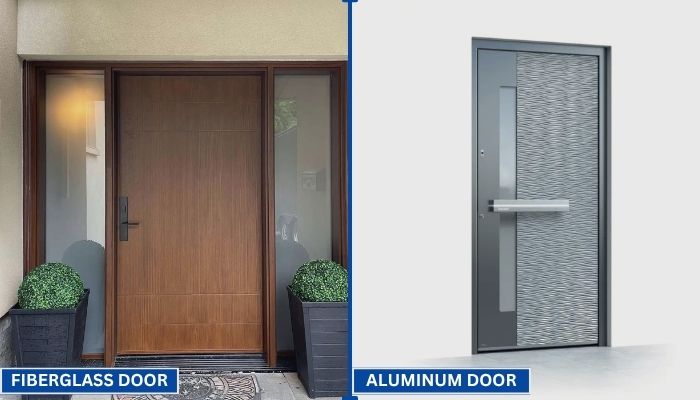
Your front door does more than just open and close. It protects your home, adds curb appeal, and helps control indoor temperature. That’s why picking the right door material matters.
Read More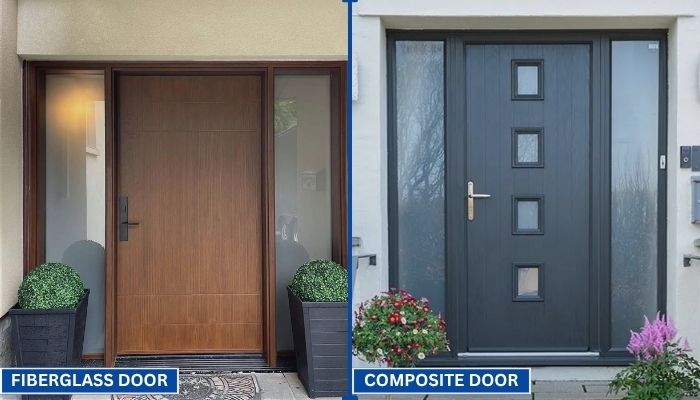
Choosing the right door can be confusing. You want something that looks good, lasts long, and keeps your home secure. Two of the most popular options today are fiberglass and composite doors.
Read More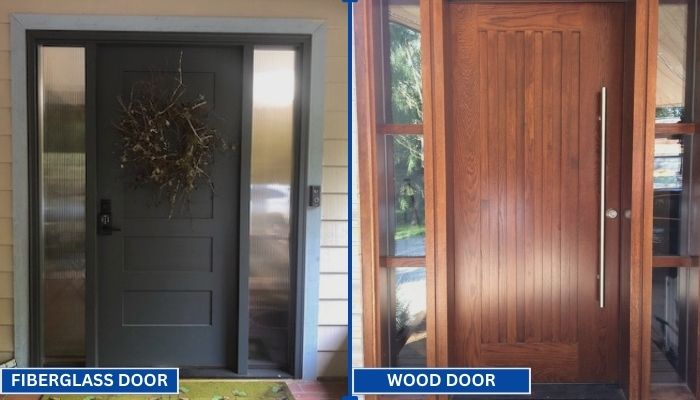
Replacing your front door is a big decision. Wood and fiberglass are two of the most popular materials for entry doors. Each has its own strengths in terms of style, durability, and maintenance. To help you choose the right one for your home, we have to go through a clear comparison.
Read MoreChoosing the right Smart Door Lock supplier requires more than comparing prices, app features, or polished product photos. Global buyers need dependable hardware, clear communication, stable production, and evidence of long-term quality. A strong supplier should explain its cylinder design, encryption methods, battery performance, emergency access, and manufacturing controls without hiding technical limitations.
Bruce Schneier, a respected security technologist, famously said, “Security is a process, not a product.” His warning applies directly to connected door locks. A reliable Smart Door Lock must support secure firmware updates, controlled user permissions, audit records, and practical recovery methods. It should also perform consistently in real settings, from humid apartments to busy hotel corridors. Small details matter. A loose thumb-turn does.
This guide examines leading Smart Door Lock suppliers for global buyers, focusing on product engineering, customization, testing, certifications, after-sales service, and supply-chain reliability. It considers both established manufacturers and specialized factories serving residential, commercial, rental, and hospitality markets. However, no supplier is perfect. Factory claims may sound stronger than the available evidence, and one successful sample cannot prove years of performance. Buyers should request test reports, inspect production procedures, verify software support, and clarify warranty responsibilities before signing contracts. That extra work feels slow. It can prevent expensive surprises later. The best supplier is not always the cheapest or most famous. It is the partner that combines secure design, honest documentation, responsive service, and measurable manufacturing experience.
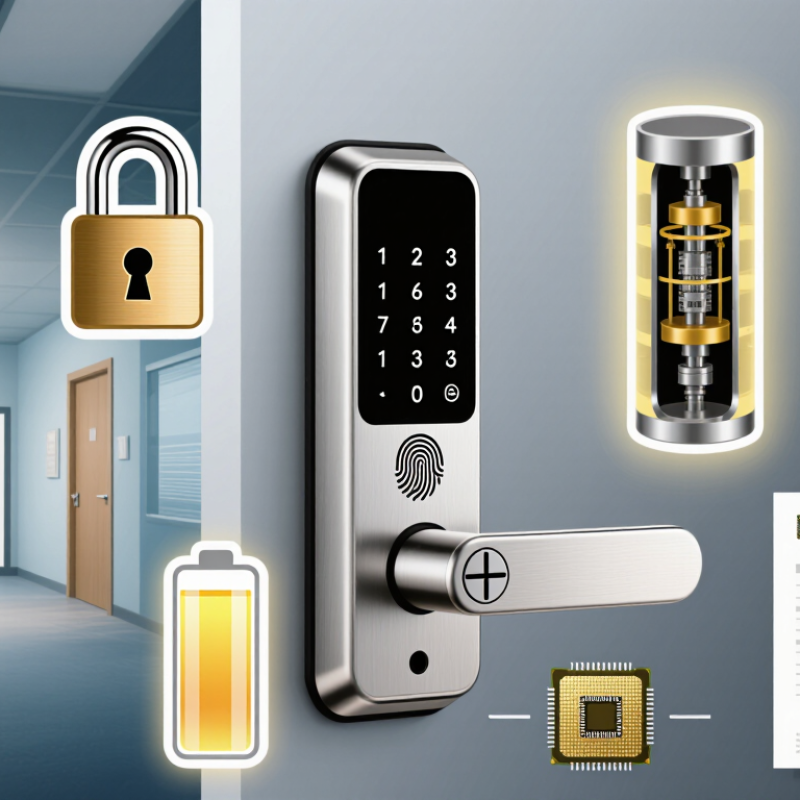
China’s smart door lock supplier market is broad, capable, and difficult to compare from catalogs alone. Fortune Business Insights estimated the global smart lock market at about USD 2.5 billion in 2023, with strong growth expected through 2032. This demand has encouraged Chinese factories to expand beyond basic keypad models. Many now offer fingerprint readers, temporary access codes, mobile control, and mechanical backup systems.
The supplier landscape has several layers. Some factories design core hardware, while others assemble products around purchased modules. That difference matters. A polished sample may not represent stable mass production. Buyers should inspect production records, firmware update procedures, battery testing, and quality-control checkpoints. Intertek and TÜV-style test reports can support evaluation, but a certificate alone is not proof of consistent manufacturing. Small details matter.
China’s export strength also comes from flexible customization. Suppliers can adjust mortise sizes, packaging, languages, and access methods for different housing markets. However, customization may increase tooling costs and delay certification work. The market is not perfectly transparent. A low quotation can hide weaker sensors, limited after-sales support, or unclear software ownership. I would request ten to twenty production samples before placing a large order. That approach feels slow, but it reveals repeated failures that one sample cannot show. Industry forecasts are useful, yet they should not replace factory audits, traceable testing, and direct technical discussions.
We’ll Come To You!
Quality New Windows & Doors. Competitively Priced!
Christine R.
Please, enter a valid value