
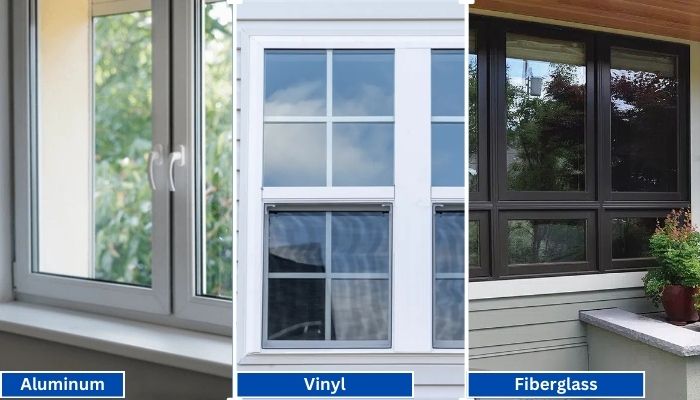
Vinyl generally has the shortest lead times because it is widely produced in standard configurations. Fiberglass is mid-range, especially for factory-painted colors.
Read More
PROUDLY CANADIAN COMPANY OWNED & OPERATED IN TORONTO SINCE 1989!
Vinyl generally has the shortest lead times because it is widely produced in standard configurations. Fiberglass is mid-range, especially for factory-painted colors.
Read More
Vinyl windows have become the go-to choice for homeowners in Toronto, thanks to their durability, energy efficiency, and low maintenance requirements. Whether you're upgrading your home for better insulation or enhancing
Read More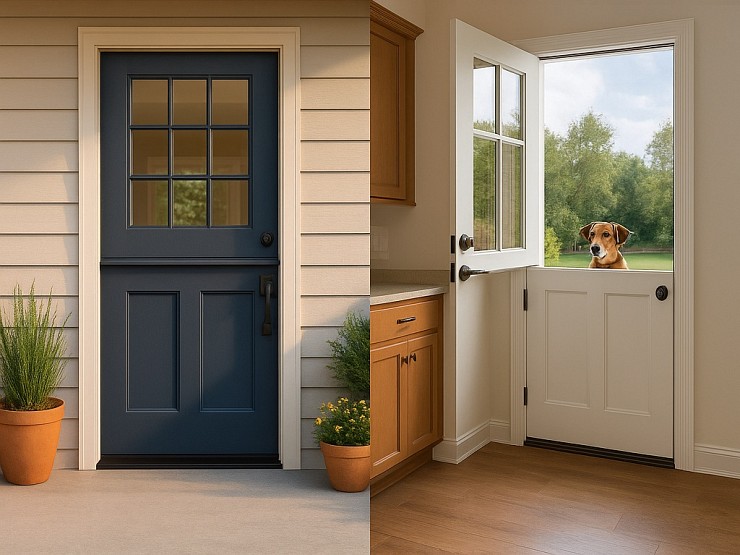
Thinking about changing your front door? A fiberglass Dutch door might have caught your eye. It’s not just a door. It’s part style statement, part smart functionality.
Read More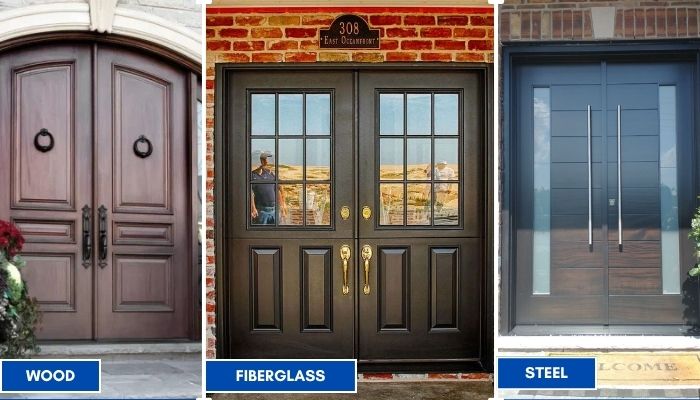
Thinking about replacing your front doors? Double doors are a bold upgrade. They look great, let in more light, and make moving big stuff easier. But the material you choose makes all the difference; especially here in Toronto.
Read More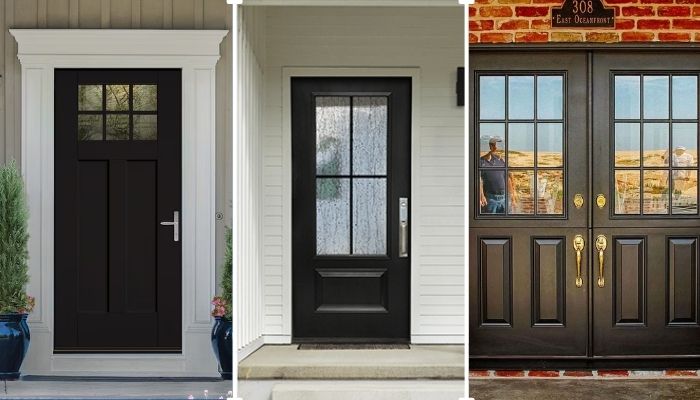
Thinking of giving your home that cozy, farmhouse charm? Let’s talk doors. Specifically, the fiberglass front doors in farmhouse style. You get the rustic look, without the rot, warping, or constant upkeep that comes with wood.
Read More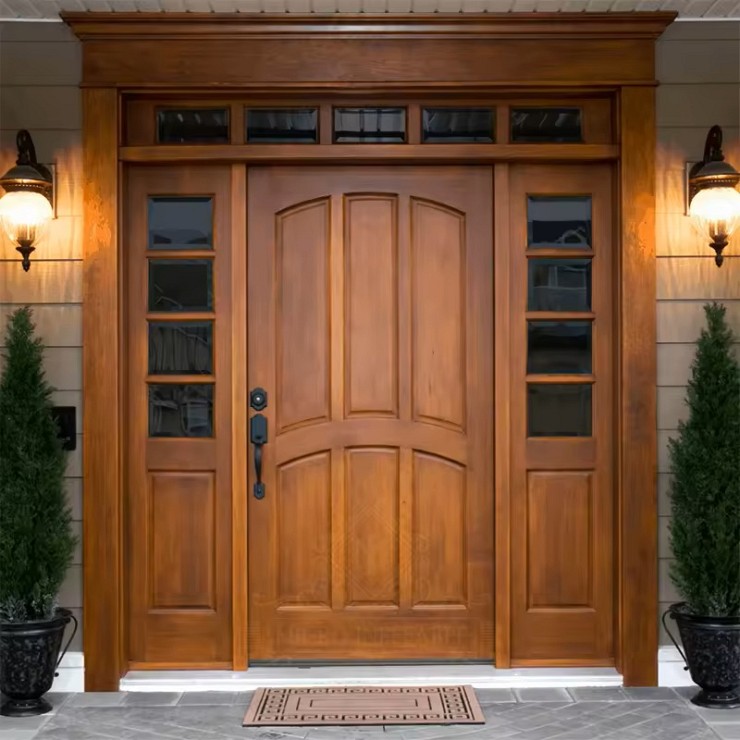
You want something that looks great, lasts long, and doesn’t stress you out with maintenance. You’re not alone. That’s exactly why more and more Toronto homeowners are choosing...
Read More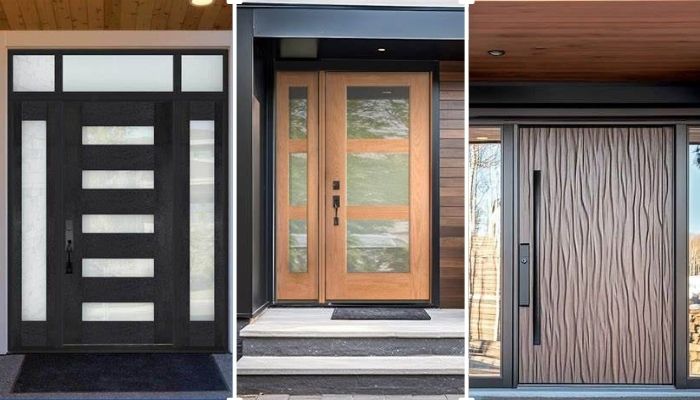
Thinking about replacing your front door? Let’s talk fiberglass. It's one of the smartest upgrades you can make, especially if you're living in Toronto. Whether your current door is drafty, outdated, or just plain boring.
Read More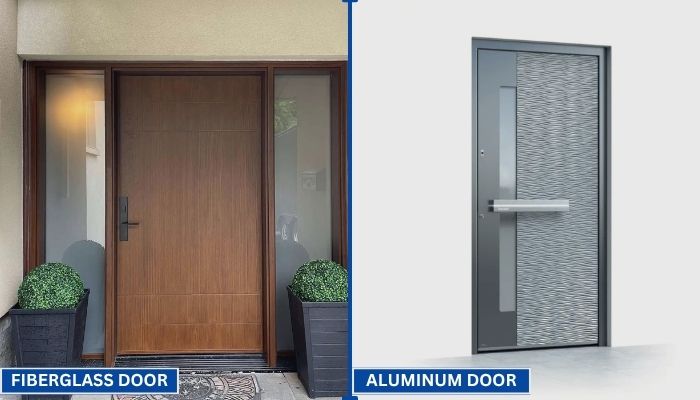
Your front door does more than just open and close. It protects your home, adds curb appeal, and helps control indoor temperature. That’s why picking the right door material matters.
Read More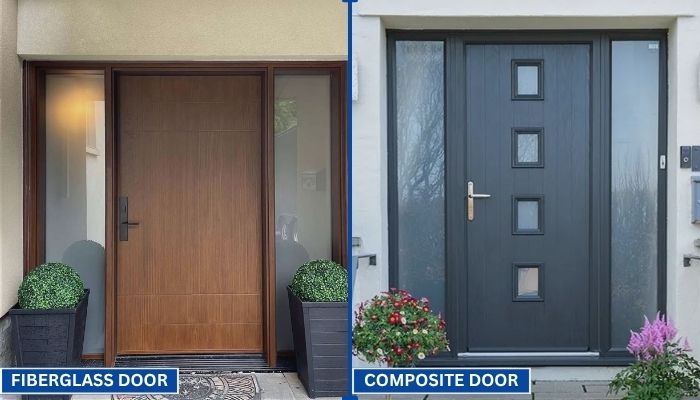
Choosing the right door can be confusing. You want something that looks good, lasts long, and keeps your home secure. Two of the most popular options today are fiberglass and composite doors.
Read More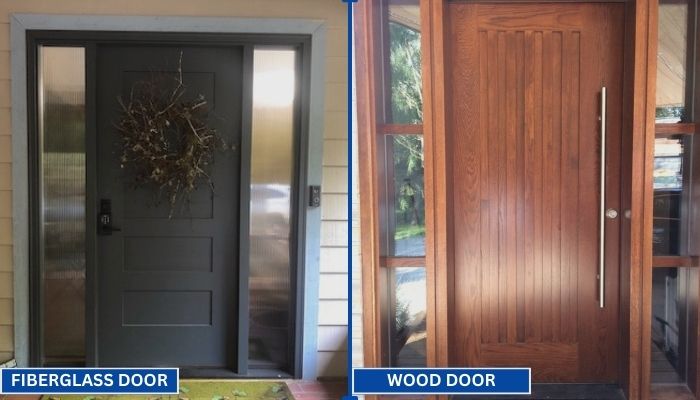
Replacing your front door is a big decision. Wood and fiberglass are two of the most popular materials for entry doors. Each has its own strengths in terms of style, durability, and maintenance. To help you choose the right one for your home, we have to go through a clear comparison.
Read MoreChoosing a Fusion Bonded Epoxy Pipe supplier in 2026 means looking beyond a polished catalog. The coating’s performance depends on details buyers can verify: steel preparation, application controls, coating thickness, holiday testing, and traceable inspection records. Ask how the supplier handles a real production run, not only how its brochure describes one. A clean test report matters. So does a clear answer when a result falls outside specification.
This guide compares suppliers through practical criteria, including manufacturing capability, quality documentation, project experience, delivery reliability, and technical support. It also considers the intended service conditions, because a coating suitable for one pipeline may not fit another. Buyers should check the applicable project requirements and request current evidence rather than relying on broad claims. That extra step can feel tedious. It is still worthwhile.
A named expert quotation can strengthen this introduction, but no verifiable quotation or source was provided. I won’t invent a statement or attribute one to a coatings specialist. Before publication, add a checked quotation from a named expert, with its original source and context. That small omission deserves attention: trust depends not only on technical detail, but also on accurate attribution.
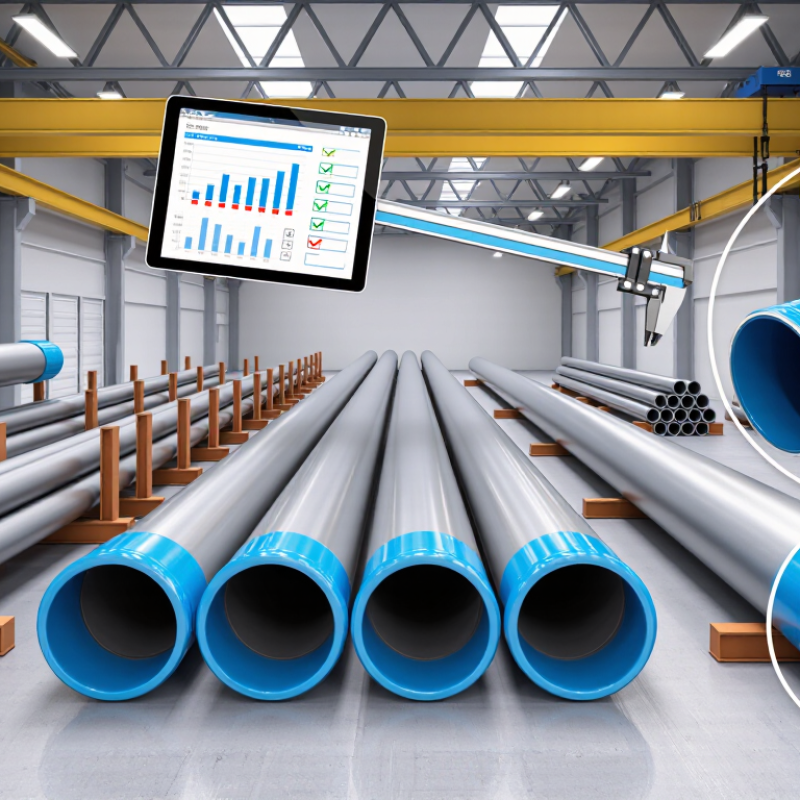
Fusion-bonded epoxy (FBE) pipe is steel pipe protected by a thermoset epoxy coating applied as dry powder. The pipe is cleaned, heated, and sprayed; the powder melts, flows, and cures into a bonded layer. It forms a continuous barrier. Unlike a loose sleeve, FBE adheres directly to prepared steel, making surface preparation and controlled curing essential to performance. No coating is invulnerable.
FBE coatings are used on pipelines carrying water, oil, gas, and industrial fluids. On buried lines, they help limit corrosion from damp soil and salts, while external coatings must also withstand handling during installation. Inside water or process pipes, a suitable formulation can protect the bore and provide a smoother flow surface. Fit matters. Temperature, fluid chemistry, and cleaning procedures can affect suitability, so project conditions should guide the specification.
When evaluating suppliers, request coating-thickness records, adhesion results, holiday-test reports, and traceable inspection documents. Ask how pipe ends are masked and how damaged areas are repaired in the field. These details are easy to overlook. Even careful application has limits. Sharp impacts or poor repairs can expose steel, and FBE cannot compensate for weak pipe design.
We’ll Come To You!
Quality New Windows & Doors. Competitively Priced!
Christine R.
Please, enter a valid value