
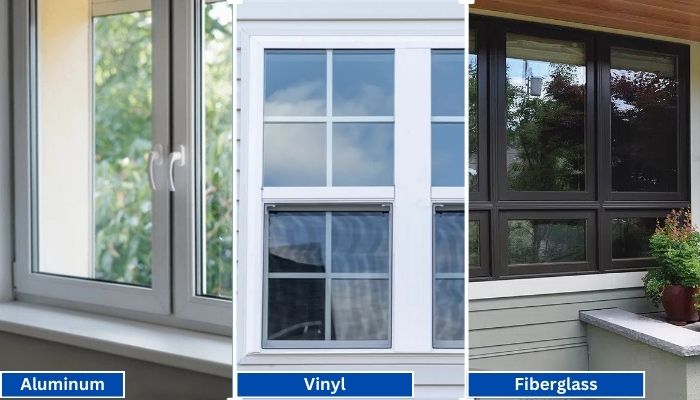
Vinyl generally has the shortest lead times because it is widely produced in standard configurations. Fiberglass is mid-range, especially for factory-painted colors.
Read More
PROUDLY CANADIAN COMPANY OWNED & OPERATED IN TORONTO SINCE 1989!
Vinyl generally has the shortest lead times because it is widely produced in standard configurations. Fiberglass is mid-range, especially for factory-painted colors.
Read More
Vinyl windows have become the go-to choice for homeowners in Toronto, thanks to their durability, energy efficiency, and low maintenance requirements. Whether you're upgrading your home for better insulation or enhancing
Read More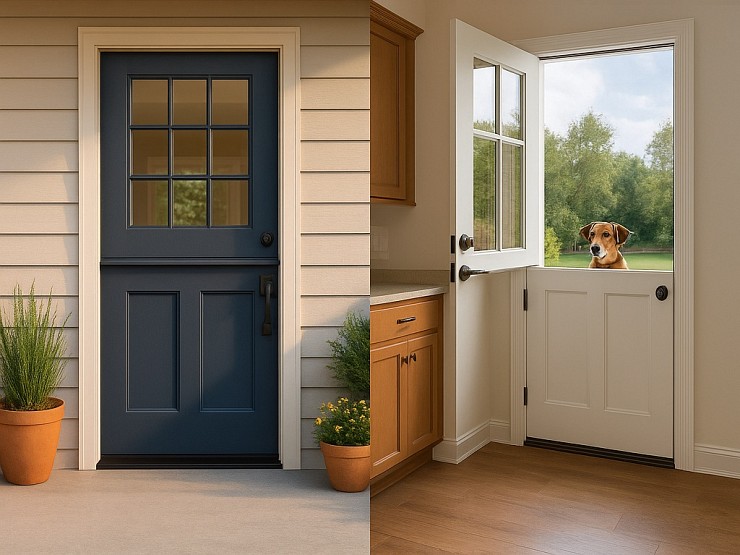
Thinking about changing your front door? A fiberglass Dutch door might have caught your eye. It’s not just a door. It’s part style statement, part smart functionality.
Read More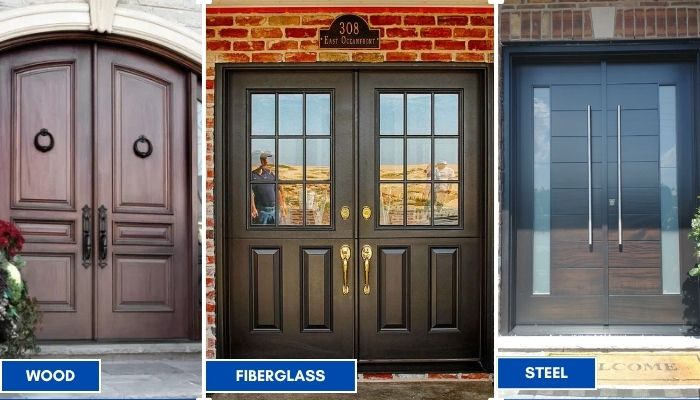
Thinking about replacing your front doors? Double doors are a bold upgrade. They look great, let in more light, and make moving big stuff easier. But the material you choose makes all the difference; especially here in Toronto.
Read More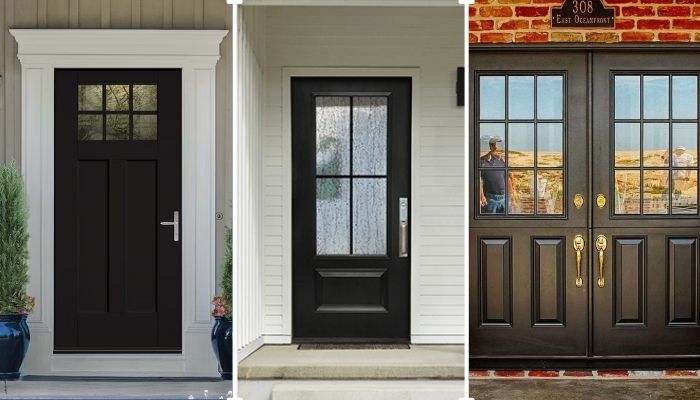
Thinking of giving your home that cozy, farmhouse charm? Let’s talk doors. Specifically, the fiberglass front doors in farmhouse style. You get the rustic look, without the rot, warping, or constant upkeep that comes with wood.
Read More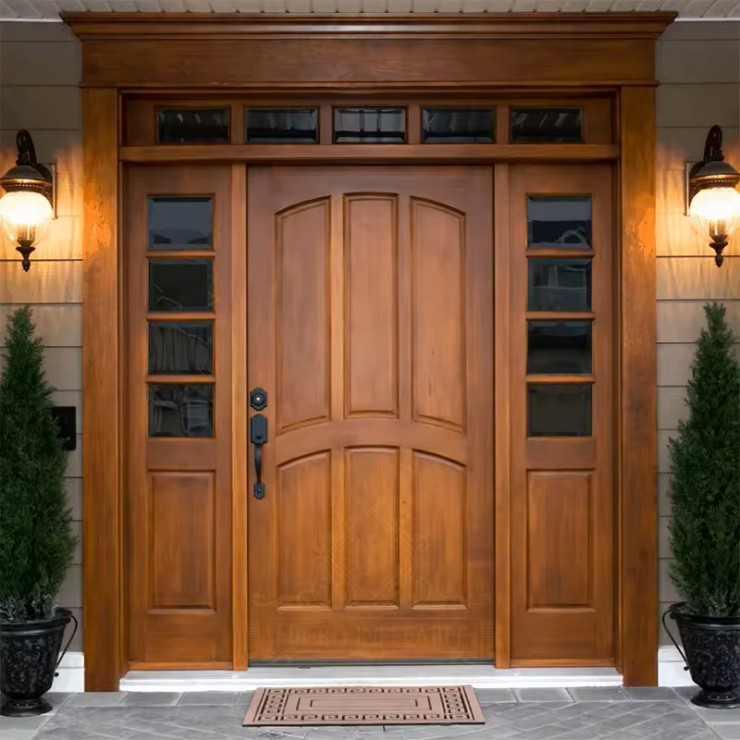
You want something that looks great, lasts long, and doesn’t stress you out with maintenance. You’re not alone. That’s exactly why more and more Toronto homeowners are choosing...
Read More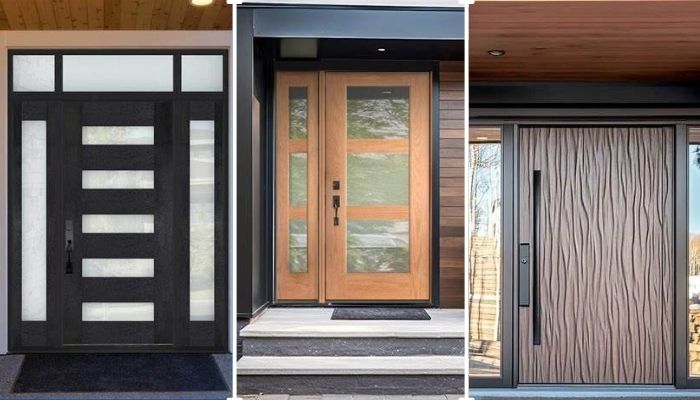
Thinking about replacing your front door? Let’s talk fiberglass. It's one of the smartest upgrades you can make, especially if you're living in Toronto. Whether your current door is drafty, outdated, or just plain boring.
Read More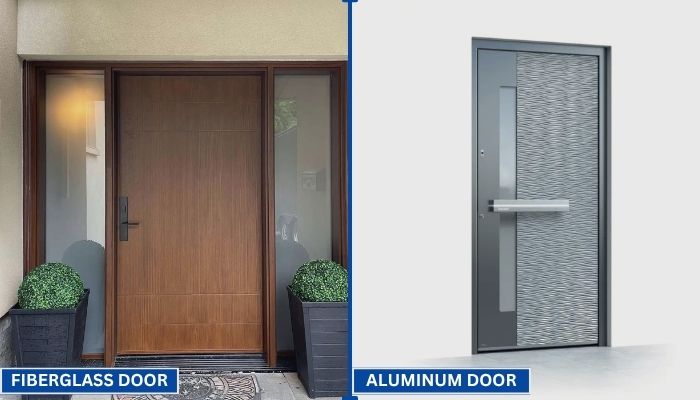
Your front door does more than just open and close. It protects your home, adds curb appeal, and helps control indoor temperature. That’s why picking the right door material matters.
Read More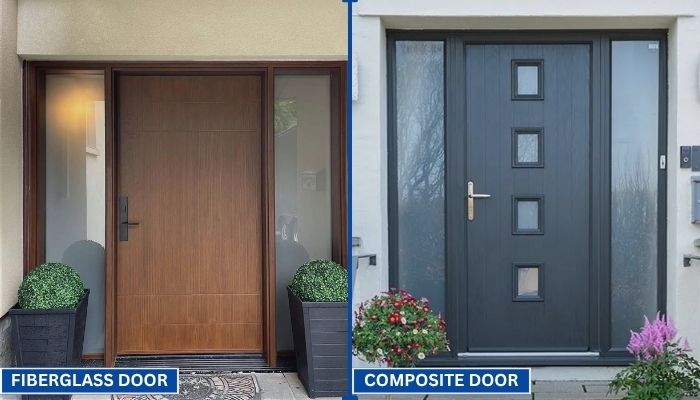
Choosing the right door can be confusing. You want something that looks good, lasts long, and keeps your home secure. Two of the most popular options today are fiberglass and composite doors.
Read More
Replacing your front door is a big decision. Wood and fiberglass are two of the most popular materials for entry doors. Each has its own strengths in terms of style, durability, and maintenance. To help you choose the right one for your home, we have to go through a clear comparison.
Read MoreChoosing a kitchen faucet is rarely as simple as selecting a polished finish. Global buyers must consider water pressure, sink design, installation space, maintenance, and local plumbing requirements. A Kitchen Faucet Tap that performs well in one home may struggle in another. Country-specific connections and certification expectations can also affect purchasing decisions.
This guide explores the top 10 types of kitchen faucet taps, from pull-out and pull-down models to bridge, wall-mounted, touchless, and pot-filler designs. Each type offers practical advantages, but each has limitations. A high-arc tap may provide useful clearance for large cookware, while a compact single-handle model may suit a narrow apartment kitchen. Sensor-operated options can reduce contact, yet they depend on reliable batteries or power systems. Small details matter.
Real installations are rarely perfect.
Our comparison focuses on user experience, construction quality, water control, cleaning convenience, and long-term value. It also considers materials such as stainless steel, brass, and corrosion-resistant finishes. Buyers should verify hose lengths, mounting-hole measurements, cartridge quality, and replacement-part availability before ordering. Product descriptions can omit these details, which creates avoidable problems.
There is no universal best choice. A commercial-style spring faucet may impress in a showroom but feel oversized at home. A budget tap may work adequately, although its warranty support could be limited. By examining these ten designs carefully, international purchasers can make more reliable decisions and match the faucet to real kitchen conditions. Expect a few trade-offs.
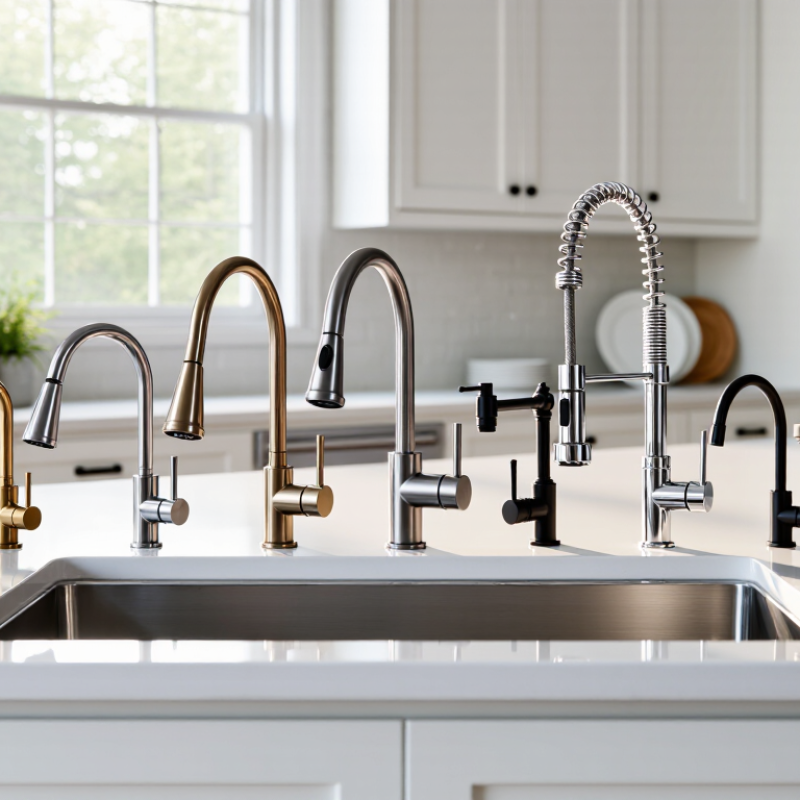
Kitchen faucet terminology becomes clearer when you separate appearance from function. Faucet and tap usually describe the same fixture, although regional usage differs. A single-handle model controls temperature with one lever, while a double-handle design uses separate hot and cold valves. That difference affects daily control, installation space, and repair work. Small details matter.
The spout is the outlet arm; its reach determines whether water lands near the sink center. An aerator mixes air into the stream, reducing splashing and often lowering flow. Inside, a cartridge or valve controls water movement and temperature. Pull-out and pull-down taps use a flexible hose, but the hose must retract smoothly beneath the counter. Check the counter thickness, mounting-hole size, supply connections, and included weight before ordering.
Deck-mounted faucets fit the sink or countertop, while wall-mounted versions require carefully positioned plumbing. Bridge designs expose more pipework and suit traditional layouts. Gooseneck spouts create clearance for tall pots. Pot fillers are convenient near cooking areas, yet they need a suitable water line and firm wall support. From practical purchasing experience, unclear terminology causes more mistakes than unusual styling. I once treated universal fittings as truly universal. They were not. Confirm thread standards, shutoff access, finish durability, and local plumbing requirements with a qualified installer. Looks can mislead.
A practical comparison of common kitchen faucet designs, installation formats, key components, and purchasing terminology.
| No. | Faucet Type | Basic Design | Typical Installation | Main Parts and Terminology | Key Advantages | Important Considerations | Common Application |
|---|---|---|---|---|---|---|---|
| 1 | Single-Handle Faucet | One lever controls both water flow and temperature. The lever may move vertically, horizontally, or in an arc. | Usually mounted through one sink or countertop hole. Some models include a deck plate for covering extra holes. | Single lever Cartridge Spout Aerator Supply lines | Easy one-handed operation, simple appearance, and generally straightforward installation. | Temperature and flow are adjusted with the same control, so precise adjustment may require practice. Hole size and mounting thickness must be checked. | Everyday residential kitchens, rental properties, and compact kitchen layouts. |
| 2 | Two-Handle Faucet | Separate hot and cold handles control water temperature and flow independently. | Commonly installed in a two-hole or three-hole sink or countertop configuration. | Hot handle Cold handle Valve Bridge or center spout Deck plate | Offers independent control and a familiar operating method. It can suit traditional or transitional kitchen designs. | Requires both hands for some adjustments and has more visible or serviceable components than a single-handle model. | Traditional kitchens, large sinks, and installations where separate hot and cold controls are preferred. |
| 3 | Pull-Down Faucet | A detachable spray head pulls downward from a tall, arched spout. | Generally installed through one mounting hole, although a deck plate may be used when compatible. | Pull-down hose Spray head Docking system Counterweight Spray selector | Provides good reach into deep sinks and is useful for rinsing dishes or washing produce. | The spout must have enough clearance above the sink. Hose retraction, docking strength, and spray-head cleaning are important quality factors. | Deep single-bowl sinks, modern kitchens, and frequent rinsing tasks. |
| 4 | Pull-Out Faucet | The spray head pulls horizontally or diagonally out from a lower-profile spout. | Usually uses one mounting hole and is suitable for many standard countertop layouts. | Pull-out hose Hand spray Hose guide Spray button Spout body | Offers flexible movement with less overhead height than many pull-down designs. | Reach may be shorter than a pull-down faucet, and the hose path should be checked for smooth extension and retraction. | Small kitchens, shallow sinks, and spaces with limited clearance above the faucet. |
| 5 | Spring-Style Commercial Faucet | Uses a high-arc exposed spring around a flexible pre-rinse hose and a separate spray wand. | Typically mounted through one hole, subject to the sink and countertop design. | Pre-rinse spray Flexible hose Open spring Spray valve Wall or deck mount | Provides strong reach, a professional appearance, and convenient control for heavy rinsing. | Requires sufficient vertical and horizontal space. The exposed spring and hose need regular cleaning, and water pressure compatibility should be verified. | Large residential kitchens, utility sinks, and light commercial food-preparation areas. |
| 6 | Pot-Filler Faucet | A long, articulated spout swings over a cooking surface to fill large pots directly. | Usually wall-mounted with a dedicated hot or cold water connection, depending on the installation design. | Articulated arms Wall mount Shutoff valve Swivel joints Reach | Reduces the need to carry heavy water-filled pots from the sink to the cooking area. | It normally does not replace the main sink faucet. Wall reinforcement, correct mounting height, and leak prevention at multiple joints are essential. | Large kitchens with a dedicated cooking wall or range area. |
| 7 | Bar or Prep Faucet | A compact faucet designed for a secondary sink, beverage station, or food-preparation area. | Usually deck-mounted through one hole, with some two-handle versions available. | Compact spout Secondary sink Low flow outlet Swivel spout Single hole | Space-efficient and convenient for food preparation, drinks, or separate washing tasks. | Its smaller size and lower reach may not be suitable for large cookware or a primary kitchen sink. | Kitchen islands, butler's pantries, beverage areas, and entertainment spaces. |
| 8 | Wall-Mount Kitchen Faucet | The faucet body is attached to the wall rather than the sink deck or countertop. | Requires in-wall water connections with a compatible hot-and-cold pipe spacing. | Wall escutcheons Pipe centers Spout reach Wall bracket In-wall plumbing | Leaves the countertop clear and can work well with farmhouse-style or deep apron-front sinks. | Installation is less flexible after the wall is finished. Connection spacing, mounting height, and spout reach must match the sink. | Renovation projects, deep sinks, utility kitchens, and designs requiring an uncluttered deck. |
| 9 | Touchless or Sensor Faucet | An infrared or proximity sensor activates water flow without requiring a handle to be touched. | Commonly deck-mounted through one hole, with an electronic control module under the sink. | Motion sensor Solenoid valve Control box Battery or AC power Manual override | Helps reduce contact with the faucet surface and can be convenient when hands are dirty or occupied. | Power supply, sensor range, battery access, and manual override operation should be assessed. Electronic parts require suitable protection from moisture. | Busy family kitchens, hygiene-focused spaces, and food-preparation areas. |
| 10 | Filtered-Water or Combination Faucet | Combines regular tap-water delivery with a separate filtered-water outlet or an integrated filtration pathway. | May use one deck hole for a combined unit or additional holes for a separate filtered-water tap and filter system. | Filter cartridge Separate waterway Filter head Diverter Replacement interval | Saves counter space and provides convenient access to treated drinking water. | Filter type, replacement cost, capacity, installation space, and local water-quality requirements should be checked. Filtration does not automatically make water safe unless the system is properly certified and maintained. | Homes that use point-of-use filtration, kitchens with limited counter space, and drinking-water stations. |
We’ll Come To You!
Quality New Windows & Doors. Competitively Priced!
Christine R.
Please, enter a valid value