
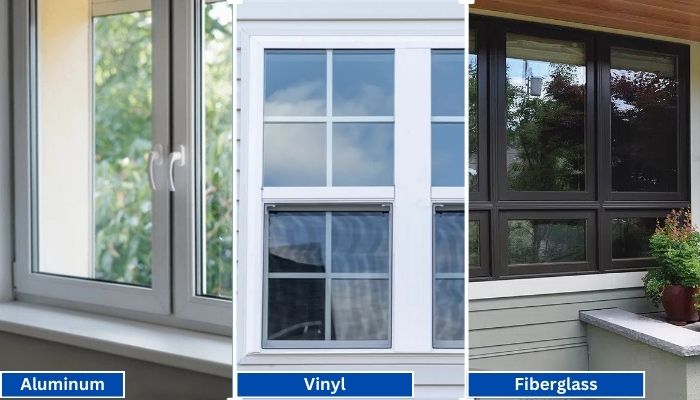
Vinyl generally has the shortest lead times because it is widely produced in standard configurations. Fiberglass is mid-range, especially for factory-painted colors.
Read More
PROUDLY CANADIAN COMPANY OWNED & OPERATED IN TORONTO SINCE 1989!
Vinyl generally has the shortest lead times because it is widely produced in standard configurations. Fiberglass is mid-range, especially for factory-painted colors.
Read More
Vinyl windows have become the go-to choice for homeowners in Toronto, thanks to their durability, energy efficiency, and low maintenance requirements. Whether you're upgrading your home for better insulation or enhancing
Read More
Thinking about changing your front door? A fiberglass Dutch door might have caught your eye. It’s not just a door. It’s part style statement, part smart functionality.
Read More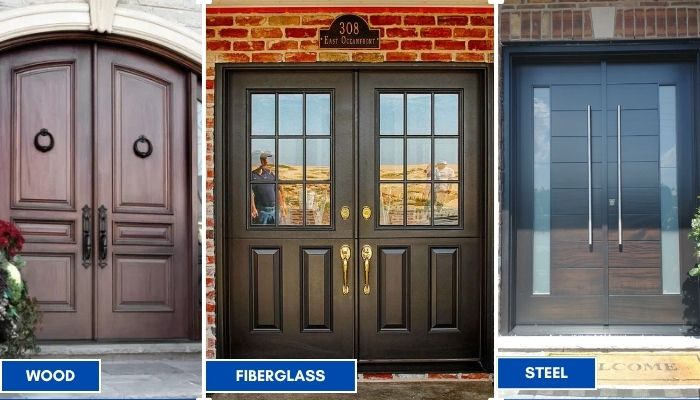
Thinking about replacing your front doors? Double doors are a bold upgrade. They look great, let in more light, and make moving big stuff easier. But the material you choose makes all the difference; especially here in Toronto.
Read More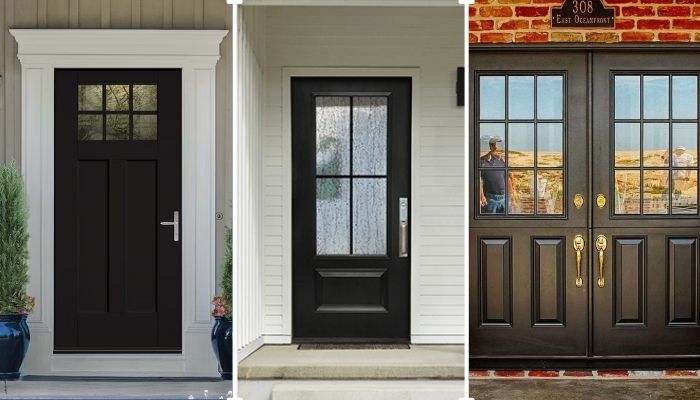
Thinking of giving your home that cozy, farmhouse charm? Let’s talk doors. Specifically, the fiberglass front doors in farmhouse style. You get the rustic look, without the rot, warping, or constant upkeep that comes with wood.
Read More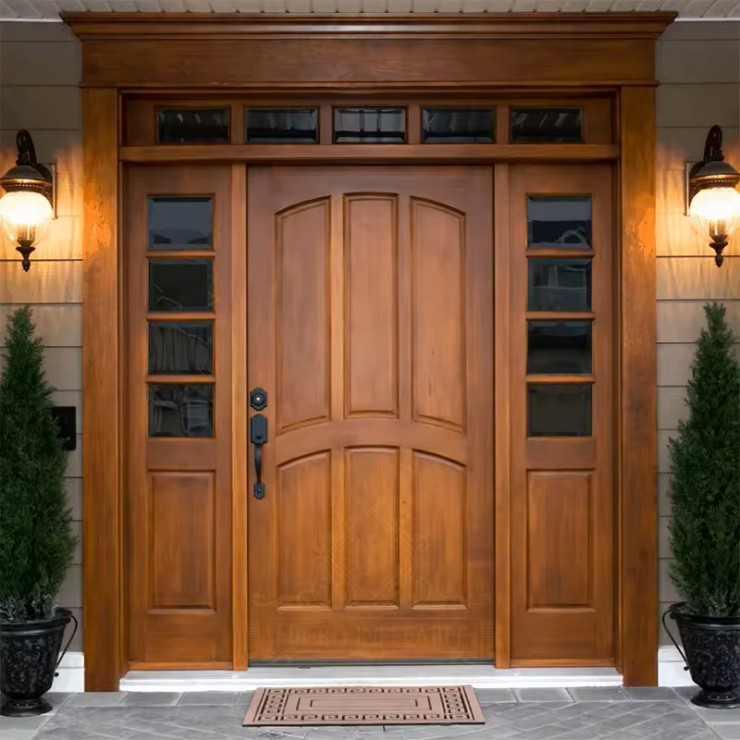
You want something that looks great, lasts long, and doesn’t stress you out with maintenance. You’re not alone. That’s exactly why more and more Toronto homeowners are choosing...
Read More
Thinking about replacing your front door? Let’s talk fiberglass. It's one of the smartest upgrades you can make, especially if you're living in Toronto. Whether your current door is drafty, outdated, or just plain boring.
Read More
Your front door does more than just open and close. It protects your home, adds curb appeal, and helps control indoor temperature. That’s why picking the right door material matters.
Read More
Choosing the right door can be confusing. You want something that looks good, lasts long, and keeps your home secure. Two of the most popular options today are fiberglass and composite doors.
Read More
Replacing your front door is a big decision. Wood and fiberglass are two of the most popular materials for entry doors. Each has its own strengths in terms of style, durability, and maintenance. To help you choose the right one for your home, we have to go through a clear comparison.
Read MoreChoosing the right Oil Tank supplier affects safety, operating continuity, inspection planning, and long-term storage costs. Global buyers must look beyond advertised capacity and attractive pricing. Steel grade, welding quality, coating systems, leak protection, fabrication tolerances, and after-sales support deserve close attention. A tank may look impressive on a brochure. The details matter more.
Petroleum specialist Dr. James G. Speight has stated, “Storage tanks are an essential part of the petroleum industry.” That practical observation still guides responsible procurement. Reliable suppliers should provide traceable materials, documented quality inspections, clear installation requirements, and maintenance guidance suited to the stored product. Certifications matter, but they should support real engineering controls rather than replace them. Site climate, foundation conditions, loading cycles, temperature changes, and transport limits can change the best choice.
This guide examines ten leading Oil Tank suppliers serving international buyers. It considers manufacturing experience, product range, customization, quality systems, delivery capability, and technical service. Some companies excel in large atmospheric tanks. Others perform better with modular systems, mobile units, or specialized industrial storage. No supplier is perfect. That is worth remembering.
A low quotation can hide engineering compromises. A famous brand may still be unsuitable for a difficult site. Buyers should compare evidence, not reputation alone. The strongest decisions usually come from verified project records, independent inspections, and clear communication between the supplier and site team. Small details, such as drain placement or ladder access, can become major operating concerns. This ranking offers a practical starting point, not a substitute for project-specific engineering review.
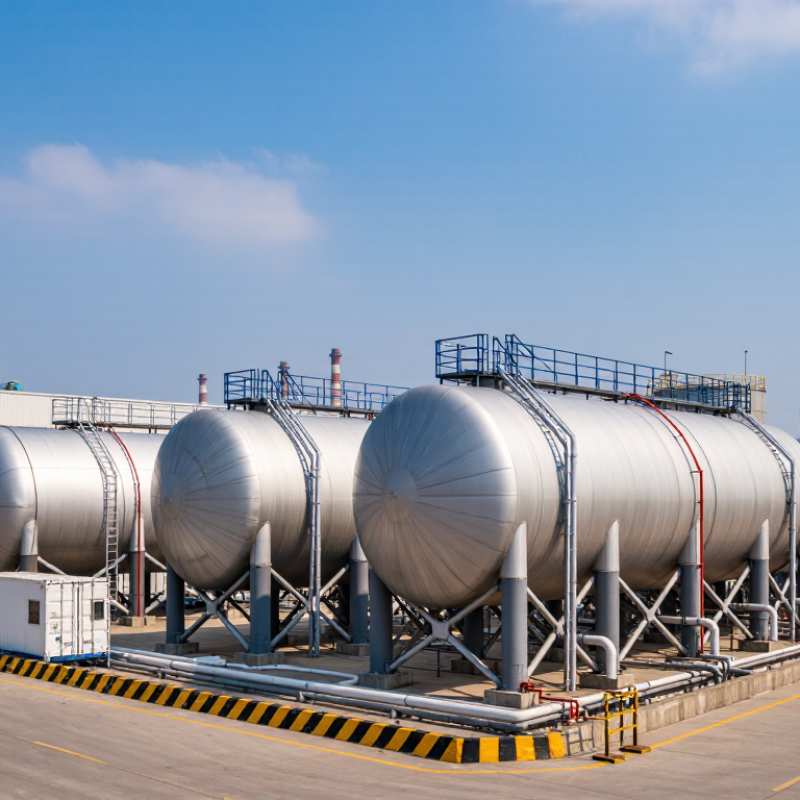
Global oil demand reached about 103 million barrels per day in 2024, creating steady pressure on storage infrastructure. Refineries, terminals, and distribution centers need tanks that support reliable handling, accurate inventory control, and safer daily operations. For global buyers comparing the top 10 oil tank suppliers, capacity alone should not decide the purchase.
Experienced suppliers should provide tanks designed for crude oil, refined products, or other approved petroleum applications. Buyers should examine material grades, welding procedures, internal coatings, floating-roof systems, and corrosion protection. API 650 or equivalent standards can help verify structural quality. Local seismic, wind, fire-safety, and environmental rules also require careful review.
A strong supplier usually offers engineering drawings, factory testing, installation guidance, and documented inspections. Useful details include tank diameter, shell thickness, foundation requirements, inspection access, and expected service life. After-sales support matters too. A damaged seal or faulty gauge can interrupt an entire loading schedule.
Price can mislead.
Some low-cost proposals exclude transport, site assembly, commissioning, or future maintenance. Buyers should request a complete ownership estimate instead of comparing only the initial quotation. No ranking is perfect. Supplier performance can change by region, project size, and technical complexity, so references from similar facilities deserve close attention. Even experienced teams may overlook climate effects, especially when a tank moves from a dry inland site to a humid coastal terminal.
We’ll Come To You!
Quality New Windows & Doors. Competitively Priced!
Christine R.
Please, enter a valid value