
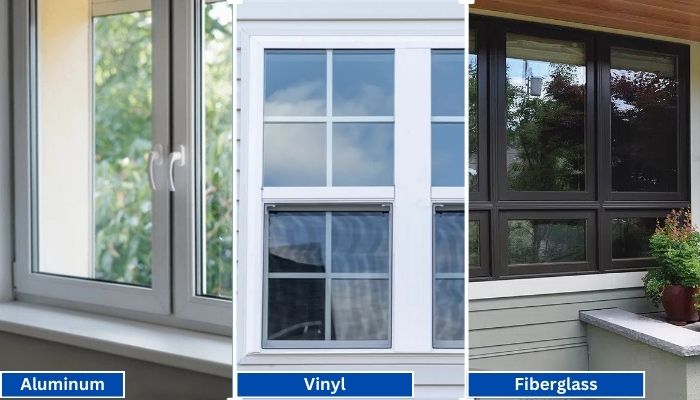
Vinyl generally has the shortest lead times because it is widely produced in standard configurations. Fiberglass is mid-range, especially for factory-painted colors.
Read More
PROUDLY CANADIAN COMPANY OWNED & OPERATED IN TORONTO SINCE 1989!
Vinyl generally has the shortest lead times because it is widely produced in standard configurations. Fiberglass is mid-range, especially for factory-painted colors.
Read More
Vinyl windows have become the go-to choice for homeowners in Toronto, thanks to their durability, energy efficiency, and low maintenance requirements. Whether you're upgrading your home for better insulation or enhancing
Read More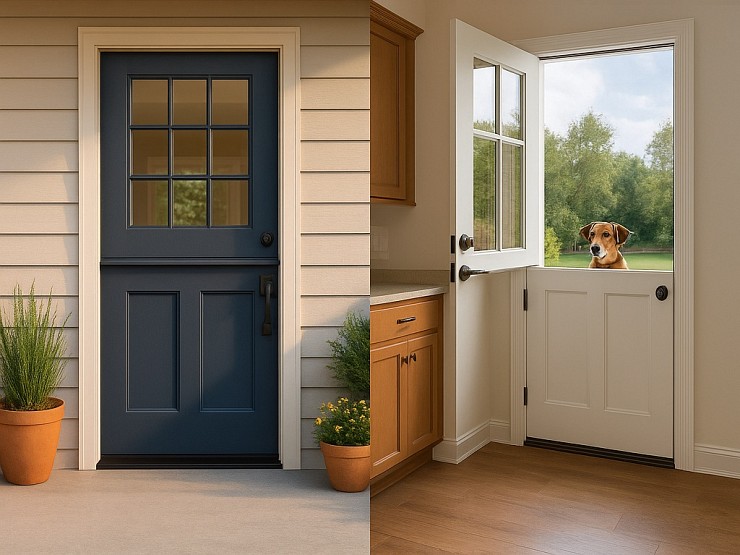
Thinking about changing your front door? A fiberglass Dutch door might have caught your eye. It’s not just a door. It’s part style statement, part smart functionality.
Read More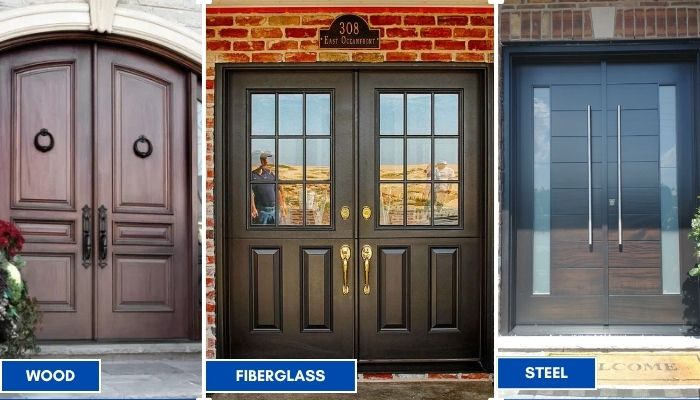
Thinking about replacing your front doors? Double doors are a bold upgrade. They look great, let in more light, and make moving big stuff easier. But the material you choose makes all the difference; especially here in Toronto.
Read More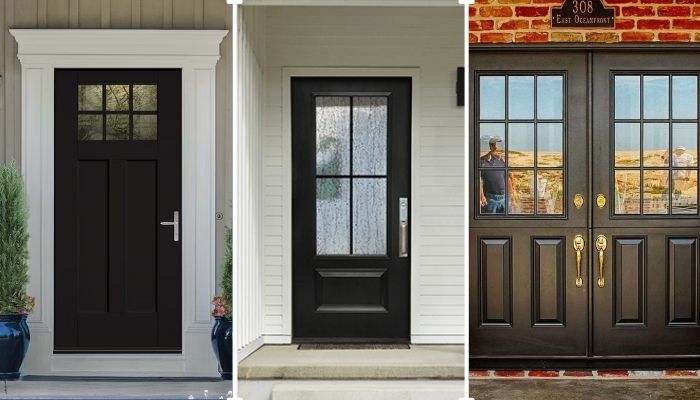
Thinking of giving your home that cozy, farmhouse charm? Let’s talk doors. Specifically, the fiberglass front doors in farmhouse style. You get the rustic look, without the rot, warping, or constant upkeep that comes with wood.
Read More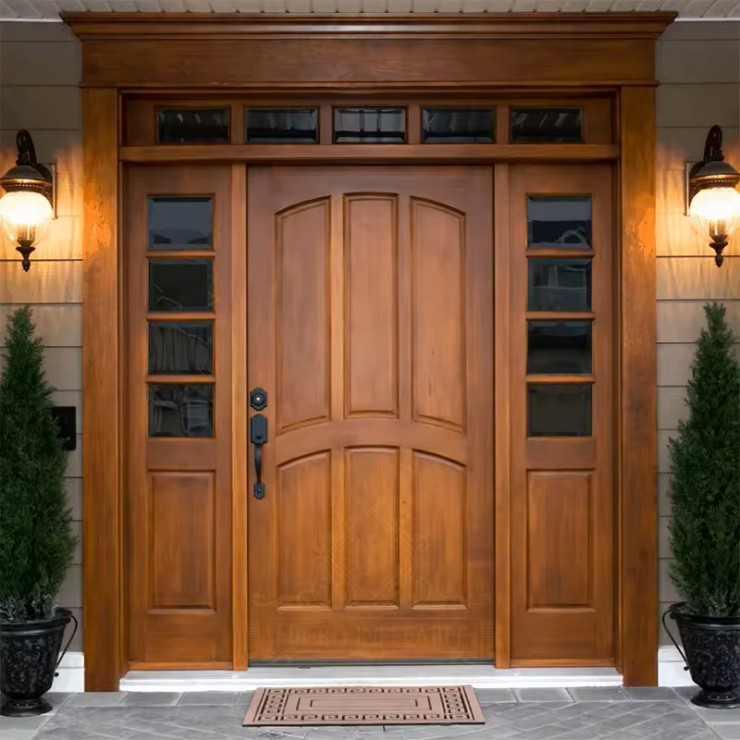
You want something that looks great, lasts long, and doesn’t stress you out with maintenance. You’re not alone. That’s exactly why more and more Toronto homeowners are choosing...
Read More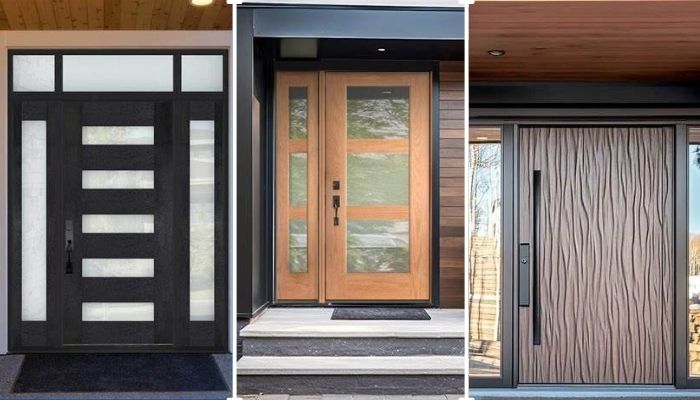
Thinking about replacing your front door? Let’s talk fiberglass. It's one of the smartest upgrades you can make, especially if you're living in Toronto. Whether your current door is drafty, outdated, or just plain boring.
Read More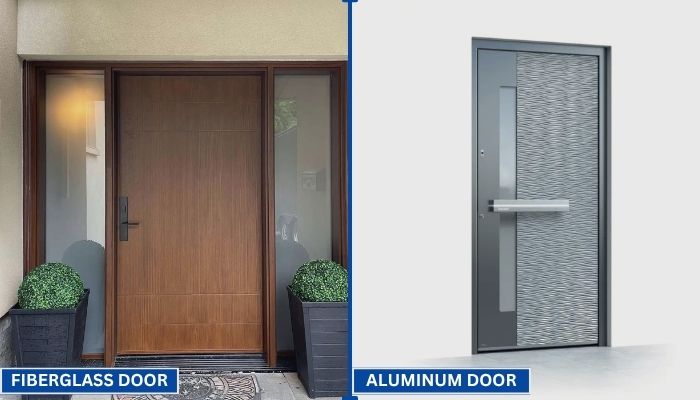
Your front door does more than just open and close. It protects your home, adds curb appeal, and helps control indoor temperature. That’s why picking the right door material matters.
Read More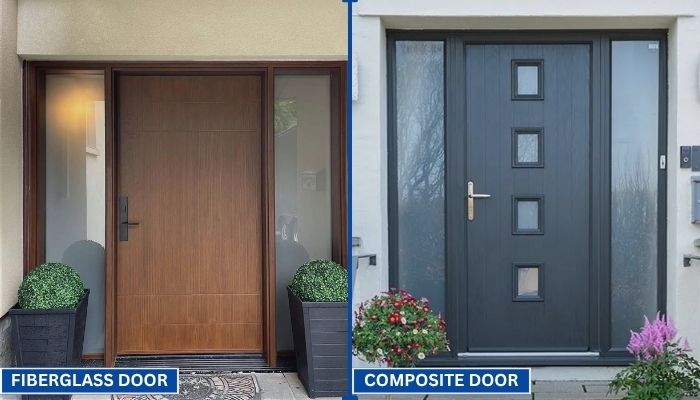
Choosing the right door can be confusing. You want something that looks good, lasts long, and keeps your home secure. Two of the most popular options today are fiberglass and composite doors.
Read More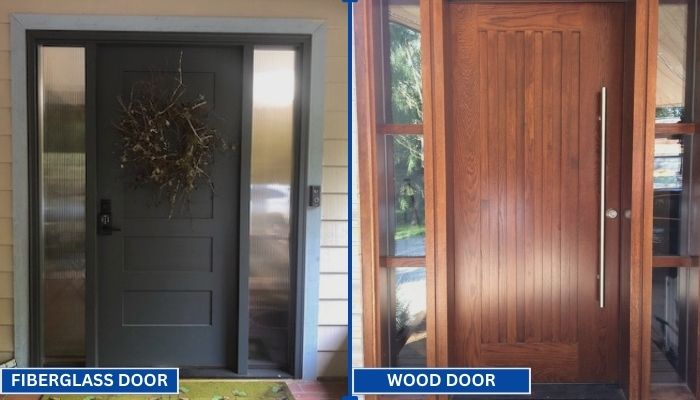
Replacing your front door is a big decision. Wood and fiberglass are two of the most popular materials for entry doors. Each has its own strengths in terms of style, durability, and maintenance. To help you choose the right one for your home, we have to go through a clear comparison.
Read MoreResin Insects are becoming practical wholesale products for gift shops, museum stores, classroom suppliers, and nature-themed retailers. They combine visual detail with compact storage, making them easy to display beside books, terrariums, and science kits. Yet this niche is not measured consistently. Major market reports usually group resin models under toys, collectibles, gifts, or educational products.
Grand View Research’s global toys market analysis highlights continued demand for collectible and educational merchandise. The Business Research Company also reports steady expansion across hobby and specialty retail categories. These findings support the opportunity, but they do not prove that every insect design will sell. Buyer judgment remains essential. A bright beetle may attract children, while a carefully finished cicada may appeal more to adult collectors.
Quality decides repeat orders. Experienced buyers should inspect clear resin, stable wings, smooth edges, accurate anatomy, and secure packaging. A magnifying glass can reveal bubbles around antennae or cloudy surfaces before shipment. Small details matter. Product samples should be tested for odor, breakage, color consistency, and labeling requirements in the target market. Depending on the product’s intended use, buyers may also review relevant ASTM, CPSIA, REACH, or other applicable safety standards. Requirements vary by country.
This guide compares ten Resin Insects with wholesale potential, considering appearance, customer appeal, production complexity, shipping risk, and merchandising value. The ranking is not absolute. A supplier’s strongest seller may still perform poorly in another region. That uncertainty deserves attention. Reliable sourcing therefore requires documented specifications, batch inspection, transparent lead times, and realistic minimum order quantities. Data helps. Direct market feedback helps more.
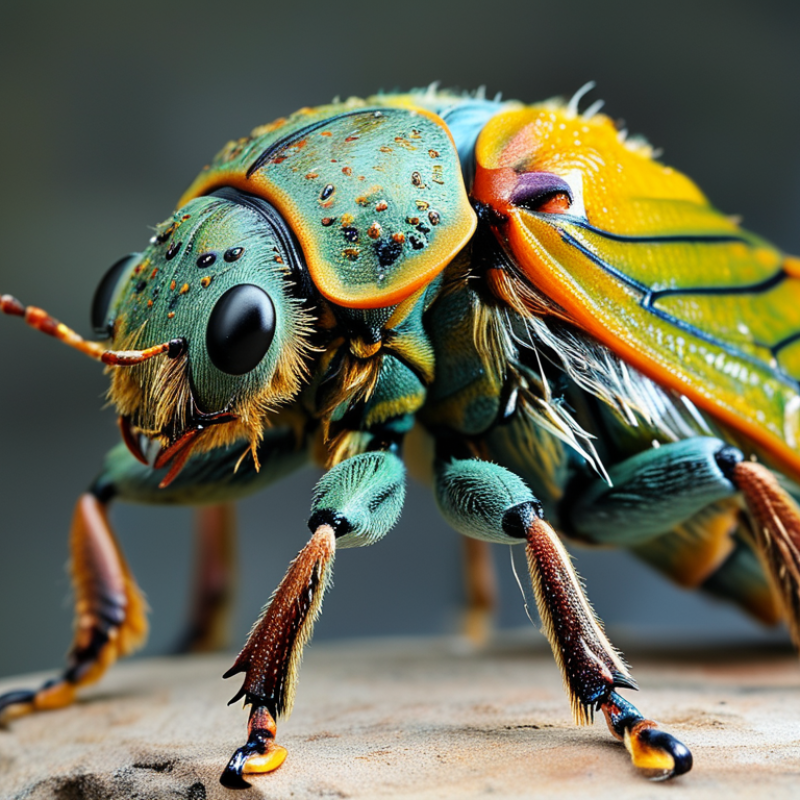
Resin insects are small specimens or detailed replicas sealed inside clear, hardened resin. Common wholesale choices include beetles, butterflies, dragonflies, bees, moths, mantises, and grasshoppers. The resin protects delicate wings, legs, and colors from handling, moisture, and dust. Buyers can display them in trays, educational kits, gift boxes, or small retail cabinets.
They are popular because one design serves several markets. Schools use them for basic insect identification. Craft shops add them to jewelry, paperweights, frames, and decorative objects. Gift retailers value their compact size and easy storage. A well-made piece should have a clear surface, centered specimen, stable color, and minimal bubbles. Check the edges, too. Sharp corners can create avoidable handling problems.
Wholesale buyers should request sample pieces before placing large orders. Catalog images may hide bubbles, uneven pouring, or faded details. I have seen this mistake in many product categories: low prices can conceal higher return costs. Ask whether the specimen is natural or a replica, and request accurate product dimensions. Ethical sourcing also matters, especially for real insects. Suppliers should provide clear origin information and follow applicable trade and environmental rules. Packaging deserves attention. Individual sleeves, padded cartons, and moisture-resistant labels reduce damage during storage and transport. Resin is durable, but it is not indestructible. Prolonged heat can cause warping or yellowing, so storage conditions should be discussed before purchase.
We’ll Come To You!
Quality New Windows & Doors. Competitively Priced!
Christine R.
Please, enter a valid value