
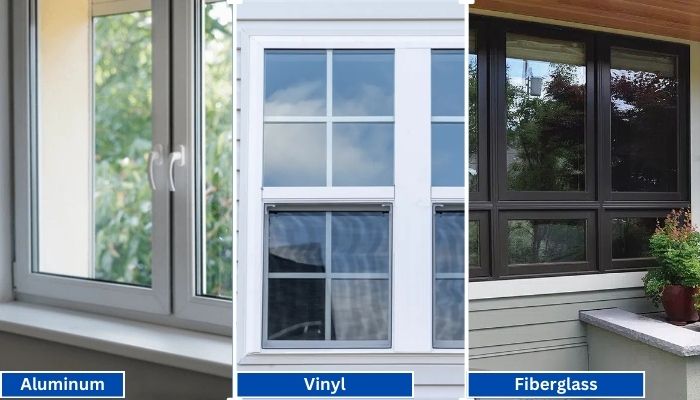
Vinyl generally has the shortest lead times because it is widely produced in standard configurations. Fiberglass is mid-range, especially for factory-painted colors.
Read More
PROUDLY CANADIAN COMPANY OWNED & OPERATED IN TORONTO SINCE 1989!
Vinyl generally has the shortest lead times because it is widely produced in standard configurations. Fiberglass is mid-range, especially for factory-painted colors.
Read More
Vinyl windows have become the go-to choice for homeowners in Toronto, thanks to their durability, energy efficiency, and low maintenance requirements. Whether you're upgrading your home for better insulation or enhancing
Read More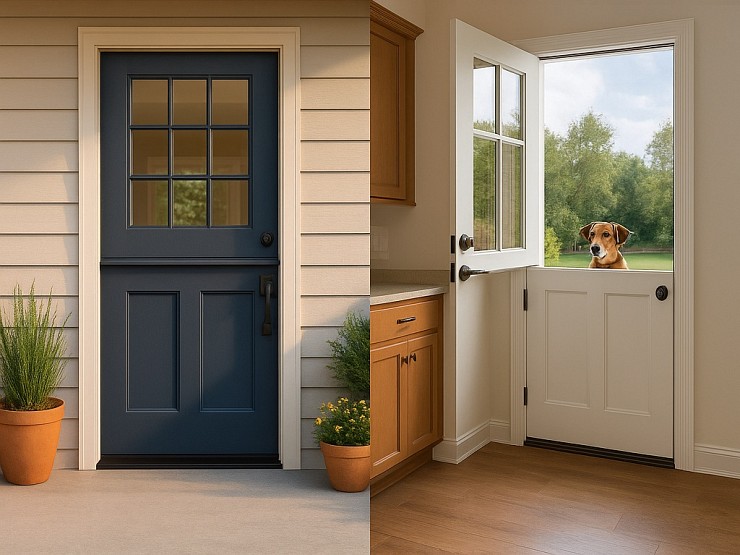
Thinking about changing your front door? A fiberglass Dutch door might have caught your eye. It’s not just a door. It’s part style statement, part smart functionality.
Read More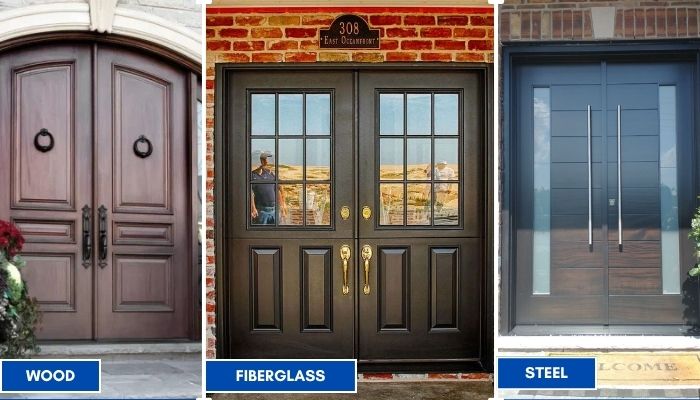
Thinking about replacing your front doors? Double doors are a bold upgrade. They look great, let in more light, and make moving big stuff easier. But the material you choose makes all the difference; especially here in Toronto.
Read More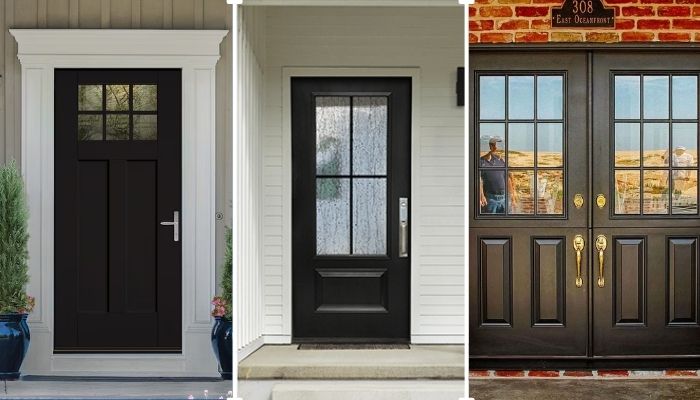
Thinking of giving your home that cozy, farmhouse charm? Let’s talk doors. Specifically, the fiberglass front doors in farmhouse style. You get the rustic look, without the rot, warping, or constant upkeep that comes with wood.
Read More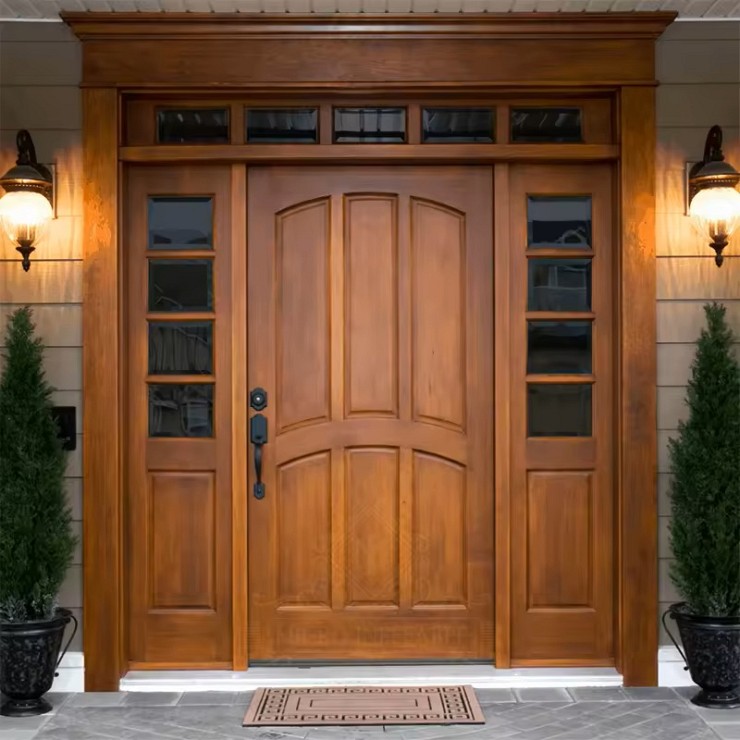
You want something that looks great, lasts long, and doesn’t stress you out with maintenance. You’re not alone. That’s exactly why more and more Toronto homeowners are choosing...
Read More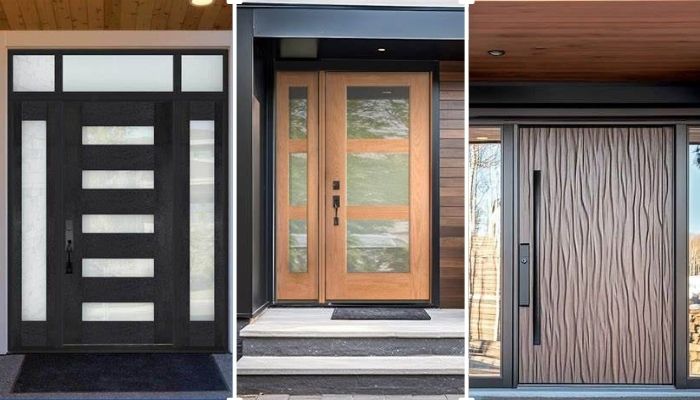
Thinking about replacing your front door? Let’s talk fiberglass. It's one of the smartest upgrades you can make, especially if you're living in Toronto. Whether your current door is drafty, outdated, or just plain boring.
Read More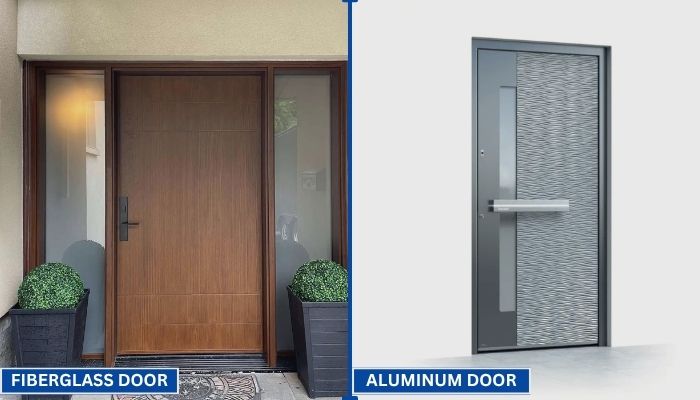
Your front door does more than just open and close. It protects your home, adds curb appeal, and helps control indoor temperature. That’s why picking the right door material matters.
Read More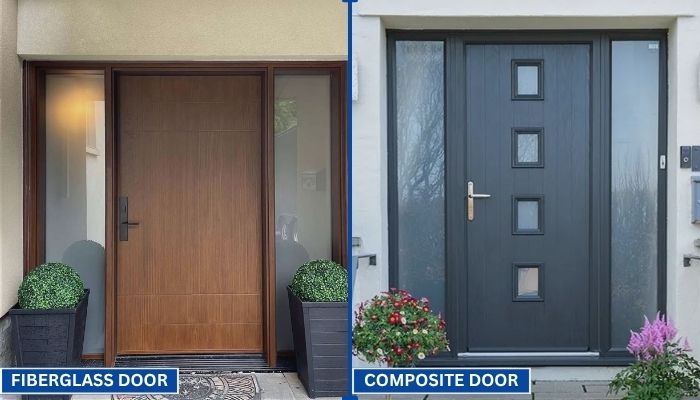
Choosing the right door can be confusing. You want something that looks good, lasts long, and keeps your home secure. Two of the most popular options today are fiberglass and composite doors.
Read More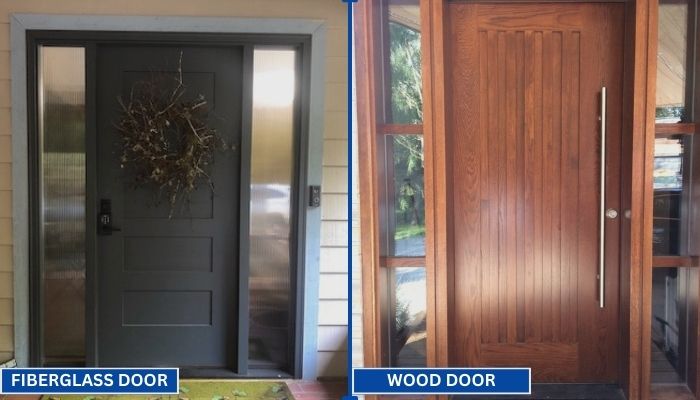
Replacing your front door is a big decision. Wood and fiberglass are two of the most popular materials for entry doors. Each has its own strengths in terms of style, durability, and maintenance. To help you choose the right one for your home, we have to go through a clear comparison.
Read MoreChoosing a reliable Short Tumbler Glass manufacturer in China takes more than comparing catalog photos. Buyers should look closely at capacity, rim thickness, base stability, clarity, and how each glass feels in the hand. A tumbler used for water may need a different balance from one designed for cocktails or hotel service. Small details matter. A heavy base can feel reassuring, while a rim that is too thick may change the drinking experience.
This guide introduces manufacturers and explains practical points to review before requesting a quotation. Check whether product dimensions and material details are clearly documented, and ask how samples are inspected for chips, bubbles, or uneven walls. Useful questions also cover customization, packaging, production capacity, and lead times. A polished website is not proof of consistent quality, and sample pieces cannot reveal every production variation. That uncertainty deserves attention. Where possible, compare samples under ordinary use and confirm specifications in writing before placing an order. Buyers should also consider whether a supplier communicates clearly when requirements change. The best fit depends on the intended market, order volume, and quality expectations—not just the lowest quoted price. No single supplier is right for every project. A careful comparison can help narrow the field, but final decisions still benefit from direct checks and realistic expectations.
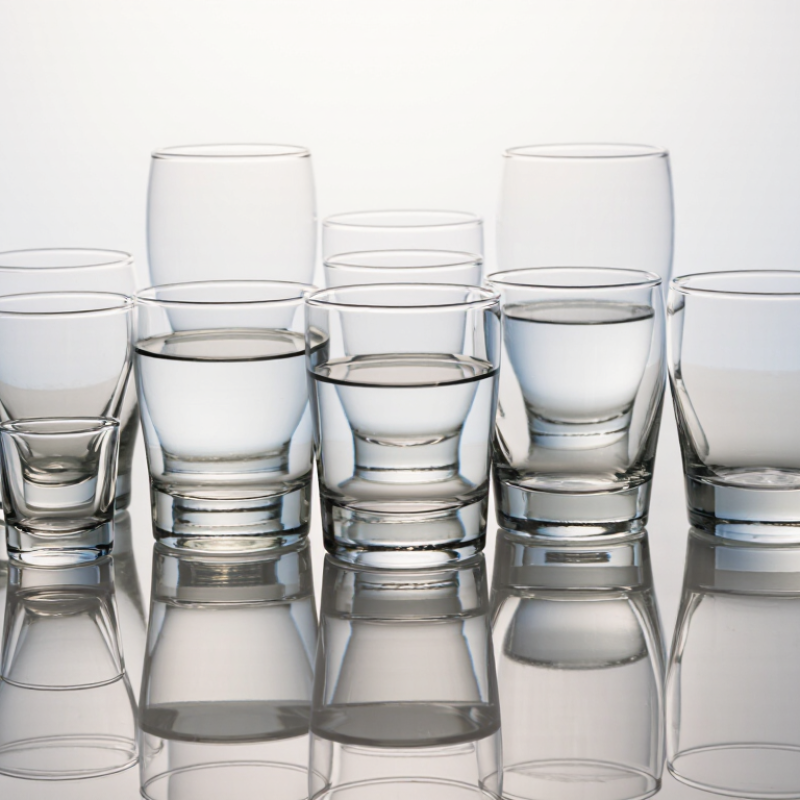
A short tumbler is better defined by its dimensions than by its name. In many product ranges, capacity falls around 180 to 300 milliliters, with heights near 75 to 100 millimeters. These are working ranges, not a fixed standard. This boundary is not perfectly tidy.
When comparing specifications, check whether capacity means usable volume or brimful volume. A glass listed at 250 milliliters may hold that amount only when filled close to the rim. For everyday use, leave room for ice and avoid relying on the catalog number alone. Measure a sample with a kitchen scale and water. It is simple, but easy to overlook.
Glass-forming method also affects a short tumbler’s feel and consistency. Pressed glass is shaped in a mold, often producing a heavier base and repeatable dimensions. Machine-blown glass can feel lighter, though wall thickness may vary by design. Ask manufacturers for rim diameter, base thickness, weight tolerance, and forming details. Inspect several samples under side lighting; small bubbles or uneven rims can be easier to spot there. Specifications help, but the sample sometimes tells a less tidy story.
| Short Tumbler Type | Typical Capacity | Typical Height | Typical Rim Diameter | Common Glass-Forming Method | Typical Design Characteristics | Useful Specification Checks |
|---|---|---|---|---|---|---|
| Compact water or juice tumbler | 150–200 mL | 75–90 mm | 60–72 mm | Machine pressing in a mold | Low profile; often has a sturdy base and straight or gently tapered sides. | Confirm brimful capacity separately from usable fill capacity; check rim finish and base stability. |
| Everyday short tumbler | 200–250 mL | 80–95 mm | 65–78 mm | Machine pressing or pressed-and-finished production | Common general-purpose proportions for serving water, juice, or soft drinks. | Specify capacity at the intended fill line, plus glass thickness and dimensional tolerances. |
| Lowball or rocks-style tumbler | 240–320 mL | 85–105 mm | 70–85 mm | Machine pressing; hand pressing may be used for small-batch designs | Usually a wide opening and a relatively heavy base; designed to accommodate ice. | Check internal width, base thickness, weight, and whether the stated capacity includes headspace. |
| Stackable short tumbler | 180–300 mL | 80–105 mm | 65–82 mm | Machine pressing with a stacking-friendly mold profile | May include a slight taper, stacking lugs, or a shaped base to reduce sticking when nested. | Test nesting and separation with the intended stack height; inspect for rim-to-base contact. |
| Blown short tumbler | 200–350 mL | 85–115 mm | 65–90 mm | Machine-blown or hand-blown forming | Can have lighter walls and more variation in profile than a comparable pressed tumbler. | Agree acceptable variation in height, diameter, wall thickness, weight, and capacity before production. |
Note: These are indicative product ranges, not fixed industry standards. Actual dimensions vary with mold design, glass composition, wall thickness, and the method used to measure capacity. “Short tumbler” is a descriptive product category rather than a formally standardized size.
We’ll Come To You!
Quality New Windows & Doors. Competitively Priced!
Christine R.
Please, enter a valid value