
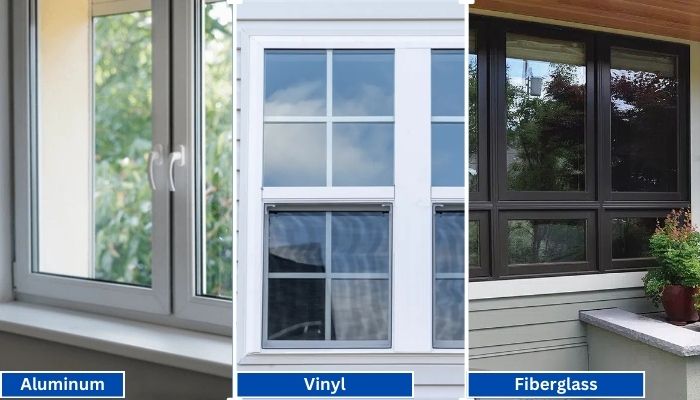
Vinyl generally has the shortest lead times because it is widely produced in standard configurations. Fiberglass is mid-range, especially for factory-painted colors.
Read More
PROUDLY CANADIAN COMPANY OWNED & OPERATED IN TORONTO SINCE 1989!
Vinyl generally has the shortest lead times because it is widely produced in standard configurations. Fiberglass is mid-range, especially for factory-painted colors.
Read More
Vinyl windows have become the go-to choice for homeowners in Toronto, thanks to their durability, energy efficiency, and low maintenance requirements. Whether you're upgrading your home for better insulation or enhancing
Read More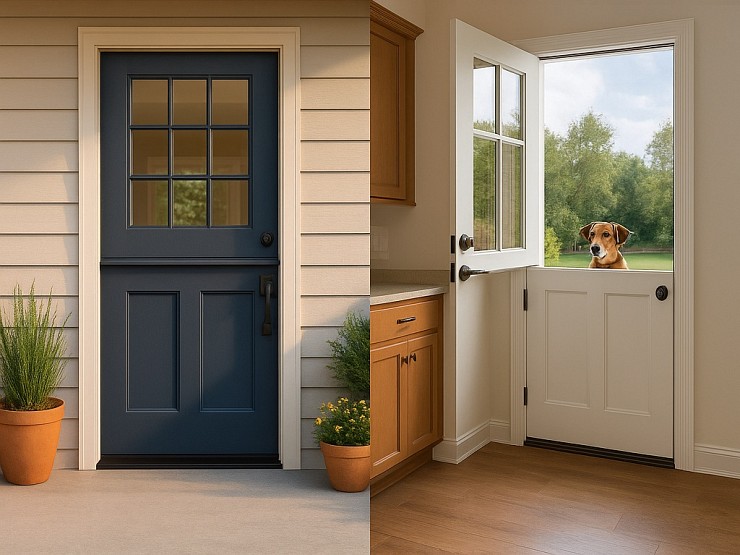
Thinking about changing your front door? A fiberglass Dutch door might have caught your eye. It’s not just a door. It’s part style statement, part smart functionality.
Read More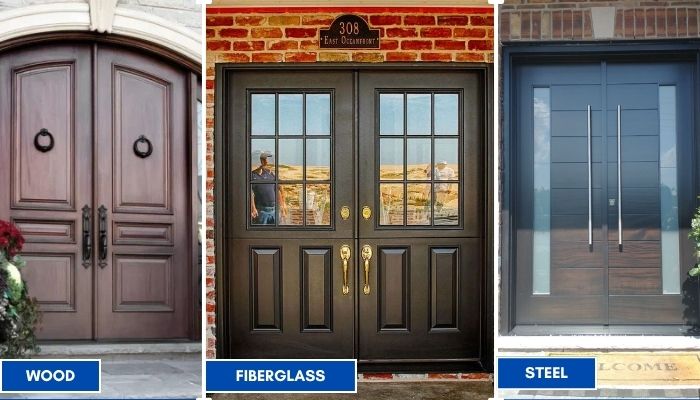
Thinking about replacing your front doors? Double doors are a bold upgrade. They look great, let in more light, and make moving big stuff easier. But the material you choose makes all the difference; especially here in Toronto.
Read More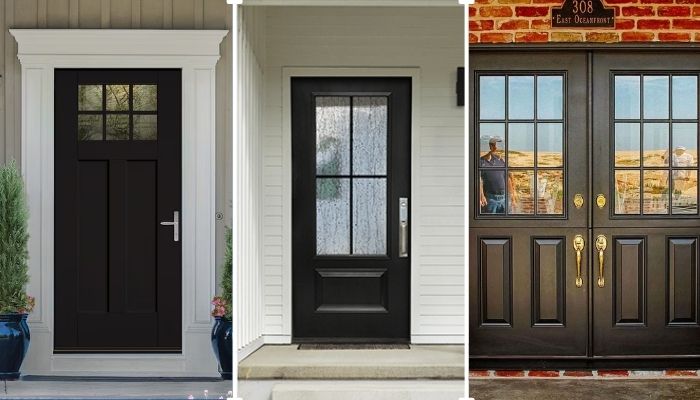
Thinking of giving your home that cozy, farmhouse charm? Let’s talk doors. Specifically, the fiberglass front doors in farmhouse style. You get the rustic look, without the rot, warping, or constant upkeep that comes with wood.
Read More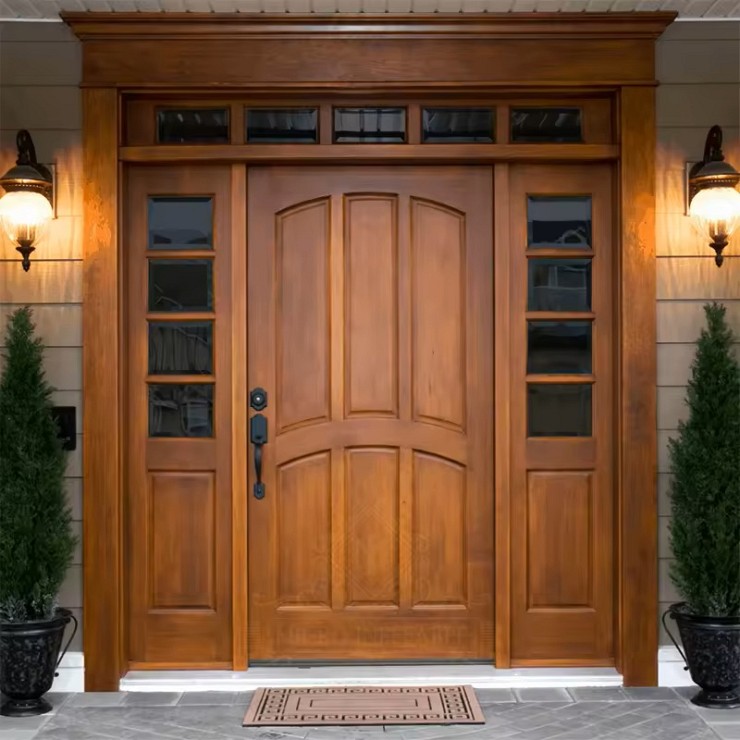
You want something that looks great, lasts long, and doesn’t stress you out with maintenance. You’re not alone. That’s exactly why more and more Toronto homeowners are choosing...
Read More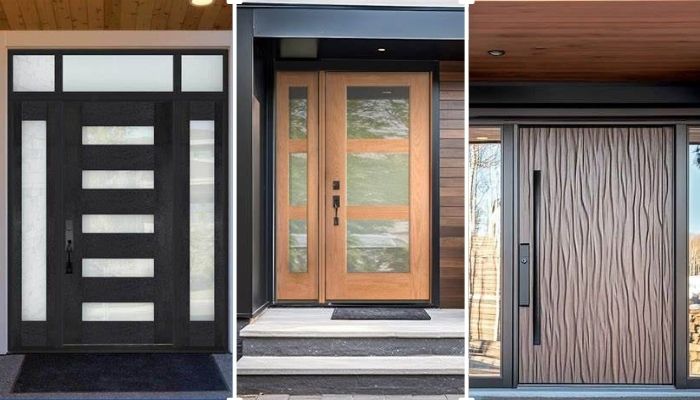
Thinking about replacing your front door? Let’s talk fiberglass. It's one of the smartest upgrades you can make, especially if you're living in Toronto. Whether your current door is drafty, outdated, or just plain boring.
Read More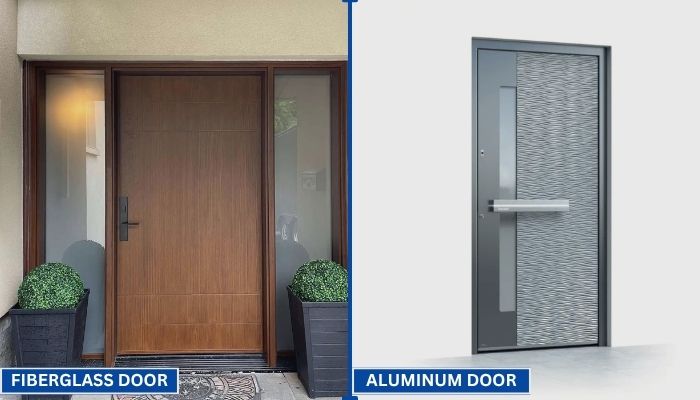
Your front door does more than just open and close. It protects your home, adds curb appeal, and helps control indoor temperature. That’s why picking the right door material matters.
Read More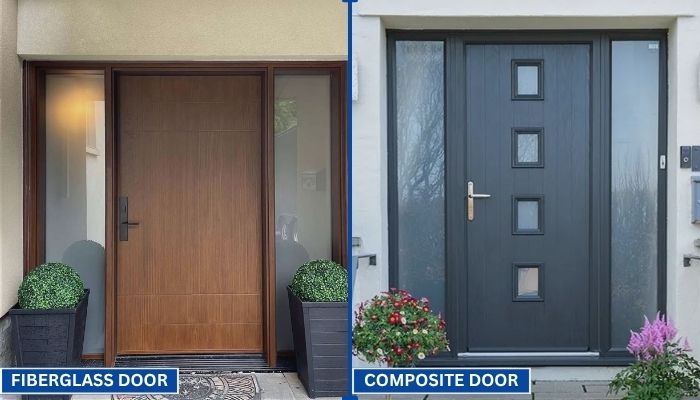
Choosing the right door can be confusing. You want something that looks good, lasts long, and keeps your home secure. Two of the most popular options today are fiberglass and composite doors.
Read More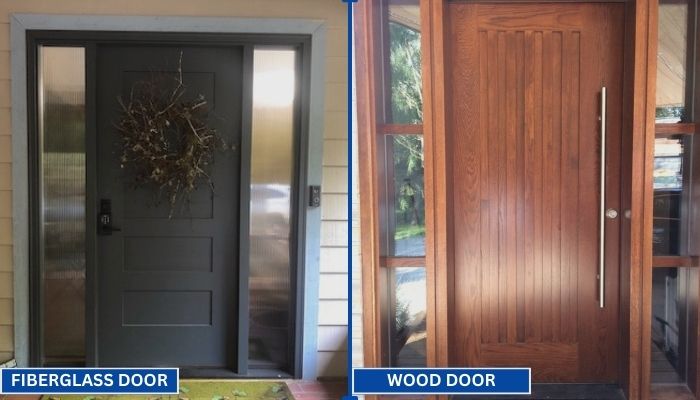
Replacing your front door is a big decision. Wood and fiberglass are two of the most popular materials for entry doors. Each has its own strengths in terms of style, durability, and maintenance. To help you choose the right one for your home, we have to go through a clear comparison.
Read MoreSpunlace Non Woven Fabric is not one material with one predictable feel. A hydroentangled sheet can be soft enough for facial wipes, strong enough for industrial cleaning, or engineered for medical and personal-care applications. The difference often lies in fiber choice, basis weight, web structure, and finishing—not simply the label on the roll.
Market context matters. Grand View Research estimated the global nonwoven fabric market at USD 54.5 billion in 2023 and projected continued growth through 2030. That broad market figure includes several technologies, so it should not be mistaken for spunlace sales alone. Smithers’ nonwovens market research offers a useful process-and-application lens: demand shifts with end uses, regional production, and product performance requirements. A supplier’s “premium” claim still needs checking against the specification.
This guide compares the leading spunlace types expected to matter in 2026, from viscose-polyester blends to cotton-rich and sustainable-fiber options. It will focus on practical details: lint on a dark surface, drape across the hand, wet strength after repeated wiping, and consistency between batches. One source limitation is important: no articles or verifiable expert quotation were supplied with the request. Rather than invent a quote or attribute words to a named specialist, this introduction keeps the evidence traceable. Some categories overlap, and that is worth remembering when comparing product claims.
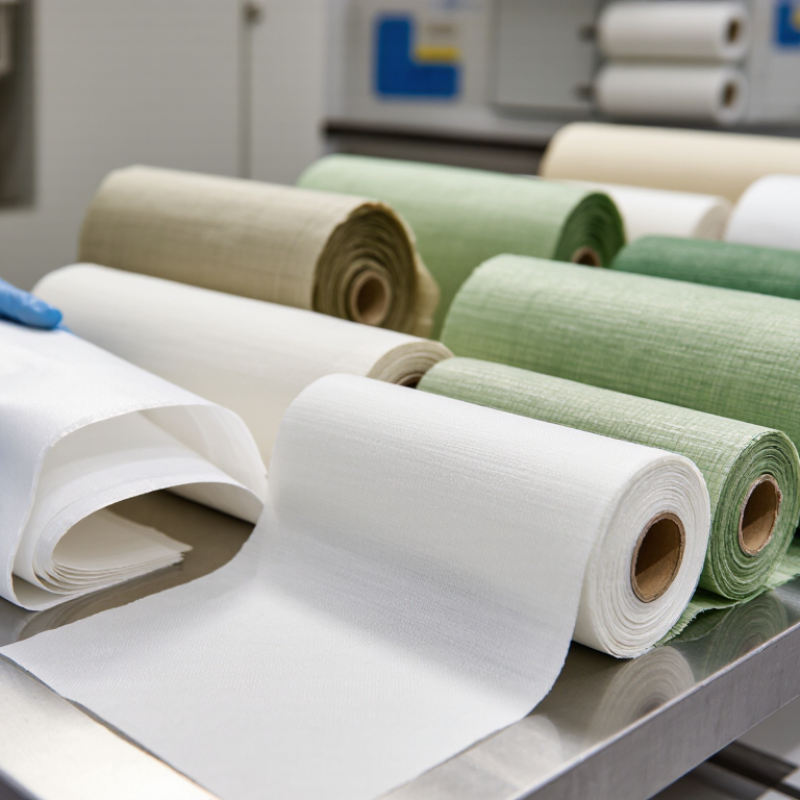
Spunlace nonwoven fabric is made by mechanically entangling loose fibers with fine, high-pressure water jets. Unlike woven cloth, it has no traditional interlaced yarns. The result can feel soft and flexible, with a surface that resembles lightweight textile. It is commonly used in wipes, medical dressings, and personal-care products.
Production begins with selected fibers, such as viscose, polyester, cotton, or blends. The fibers are opened and arranged into a loose web by carding or another web-forming process. This web moves beneath rows of tiny water jets. Their force pushes fibers through the layers, tangling them together without conventional stitching or chemical binders. The web is then drained and dried. Finishing may add texture or adjust absorbency, depending on its intended use. The details matter.
A useful quality check is to inspect both sides and gently pull the material. It should feel reasonably even, without obvious thin patches or loose fiber clumps. Still, softness alone does not prove suitability. Fiber choice, fabric weight, jet pressure, and finishing all affect strength, lint, and absorbency. These properties can vary between products, even when their surfaces look similar. I would not judge performance by appearance alone; testing under actual use conditions is more reliable.
| Fabric Type | Typical Fiber Composition | How It Is Made | Common Characteristics | Typical Applications | Selection Considerations |
|---|---|---|---|---|---|
| Polyester Spunlace | Polyester staple fibers, used alone or blended with other fibers. | A fiber web is formed and mechanically entangled with high-pressure water jets, then dried. | Generally durable, dimensionally stable, and suitable for repeated handling. Polyester is not biodegradable under ordinary environmental conditions. | Industrial wipes, cleaning cloths, automotive interiors, and some personal-care products. | Consider absorbency, softness, linting, and end-of-life requirements. Polyester itself is less absorbent than many cellulosic fibers. |
| Viscose (Rayon) Spunlace | Viscose staple fibers, commonly used alone or blended with polyester. | Carded or otherwise formed fibers are hydroentangled; water jets bind the web without conventional adhesive bonding. | Soft and absorbent, with a cellulosic feel. Performance varies with fiber quality, fabric construction, and finishing. | Personal-care wipes, facial and cosmetic wipes, and absorbent hygiene-related applications. | Check wet strength and disposal requirements. Viscose is regenerated cellulose, but its environmental profile depends on fiber sourcing and manufacturing. |
| Cotton Spunlace | Cotton fibers, sometimes blended with viscose or polyester. | Cotton fibers are formed into a web and entangled by water jets; the fabric is then dried and may receive additional finishing. | Cellulosic, absorbent, and often soft to the touch. Strength and surface characteristics depend on the fiber and web design. | Cosmetic pads, personal-care wipes, medical and hygiene products, and selected household wipes. | Specify the required absorbency, cleanliness, and fiber-origin documentation. “Cotton” alone does not establish a product’s certification or environmental impact. |
| Polyester–Viscose Blend | A blend of polyester and viscose; proportions vary by product specification. | The fibers are mixed or layered into a web and hydroentangled to combine their properties. | Can balance polyester’s durability with viscose’s absorbency and softness. Results depend on blend ratio and fabric weight. | General-purpose wipes, surface-cleaning cloths, personal-care wipes, and selected medical-use products. | Compare blend ratio, basis weight, wet and dry strength, absorbency, and any required product-specific testing. |
| Lyocell Spunlace | Lyocell staple fibers, used alone or in blends. | Lyocell fibers are formed into a web and bonded through hydroentanglement, followed by drying and any specified finishing. | Soft and absorbent, with a smooth cellulosic hand. Fabric performance depends on fiber length, web structure, and processing. | Premium personal-care wipes, cosmetic products, and selected hygiene or medical applications. | Verify the fiber content and relevant sourcing claims. Lyocell is regenerated cellulose; its production characteristics vary by process and supply chain. |
| Wood-Pulp Composite Spunlace | Cellulosic wood pulp combined with staple fibers such as polyester or viscose. | A composite web is formed from pulp and staple fibers, then consolidated by water-jet entanglement. Construction varies by product. | Designed to combine high liquid uptake from pulp with improved web integrity from staple fibers. Pulp-containing structures may have different lint and strength profiles. | Absorbent wipes, cleaning products, and selected medical or hygiene materials. | Check the pulp-to-fiber construction, wet strength, lint level, and whether the product is intended for flushing or other specific disposal routes. |
| Hydroentangled Microfiber Fabric | Fine-denier synthetic fibers, commonly polyester, polyamide, or their blends. | Fine fibers are formed into a web and entangled with high-pressure water jets; further splitting or finishing may be used where specified. | Can provide a fine surface and effective particle pickup in cleaning applications. Performance depends on fiber fineness and fabric construction. | Precision cleaning cloths, optical and electronic surface wipes, and selected reusable cleaning products. | Assess lint and abrasion requirements for the target surface. Microfiber fabrics may release synthetic fibers during use or washing. |
What spunlace means: Spunlace, also called hydroentangled nonwoven fabric, is made by directing fine, high-pressure water jets through a loose fiber web. The jets entangle the fibers to create fabric without relying on traditional weaving or knitting. Fiber type, web design, water-jet conditions, drying, and finishing all influence the final properties. The categories above are common material constructions, not a ranked sales list.
We’ll Come To You!
Quality New Windows & Doors. Competitively Priced!
Christine R.
Please, enter a valid value