
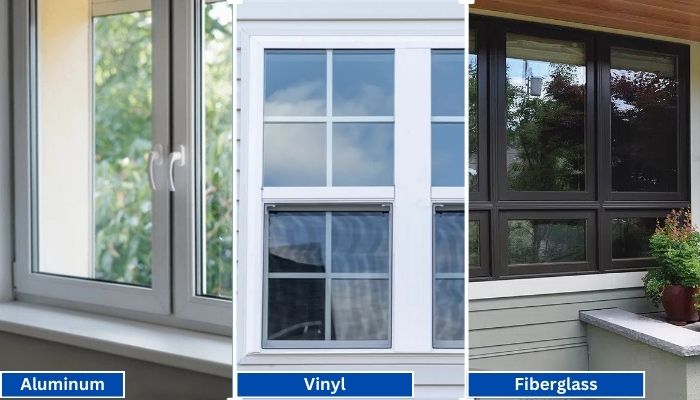
Vinyl generally has the shortest lead times because it is widely produced in standard configurations. Fiberglass is mid-range, especially for factory-painted colors.
Read More
PROUDLY CANADIAN COMPANY OWNED & OPERATED IN TORONTO SINCE 1989!
Vinyl generally has the shortest lead times because it is widely produced in standard configurations. Fiberglass is mid-range, especially for factory-painted colors.
Read More
Vinyl windows have become the go-to choice for homeowners in Toronto, thanks to their durability, energy efficiency, and low maintenance requirements. Whether you're upgrading your home for better insulation or enhancing
Read More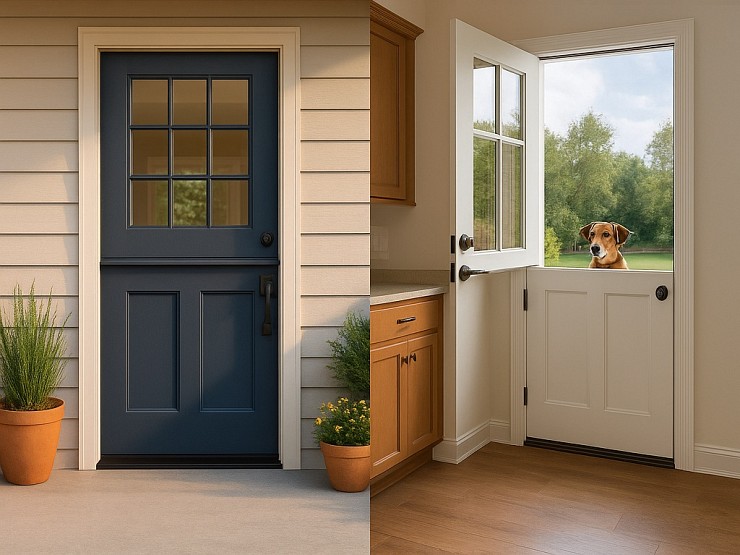
Thinking about changing your front door? A fiberglass Dutch door might have caught your eye. It’s not just a door. It’s part style statement, part smart functionality.
Read More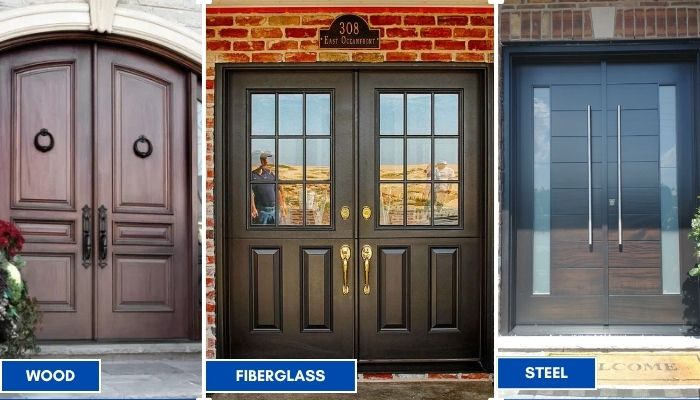
Thinking about replacing your front doors? Double doors are a bold upgrade. They look great, let in more light, and make moving big stuff easier. But the material you choose makes all the difference; especially here in Toronto.
Read More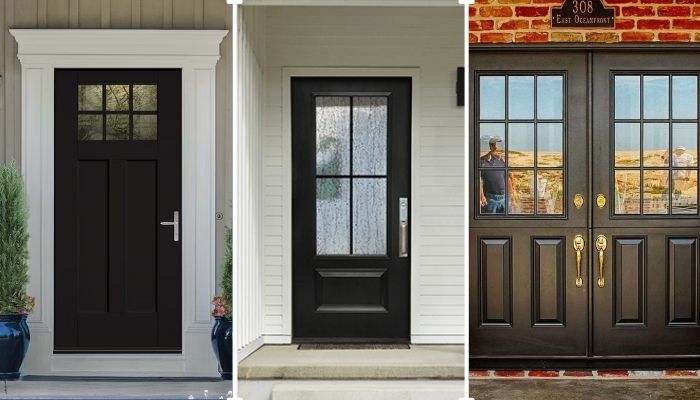
Thinking of giving your home that cozy, farmhouse charm? Let’s talk doors. Specifically, the fiberglass front doors in farmhouse style. You get the rustic look, without the rot, warping, or constant upkeep that comes with wood.
Read More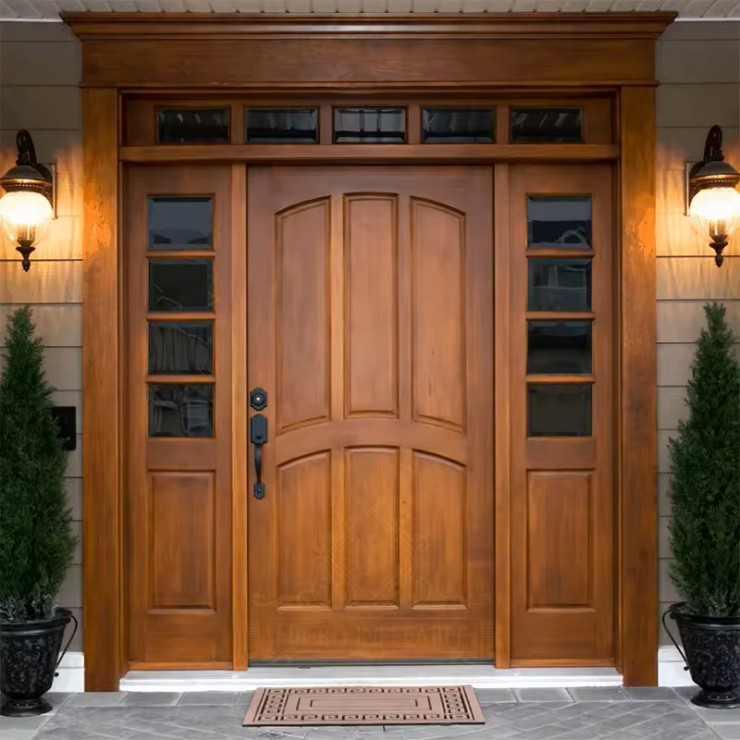
You want something that looks great, lasts long, and doesn’t stress you out with maintenance. You’re not alone. That’s exactly why more and more Toronto homeowners are choosing...
Read More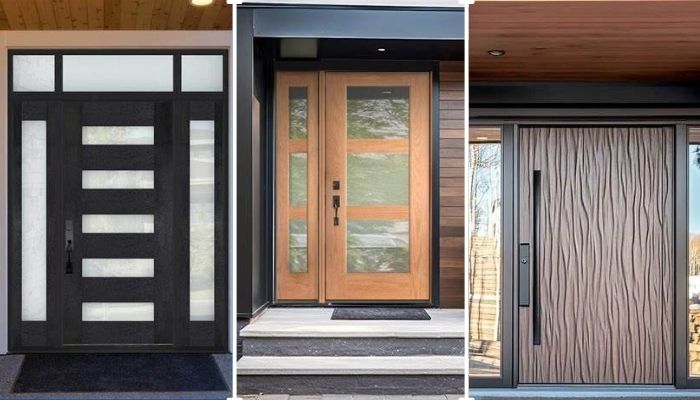
Thinking about replacing your front door? Let’s talk fiberglass. It's one of the smartest upgrades you can make, especially if you're living in Toronto. Whether your current door is drafty, outdated, or just plain boring.
Read More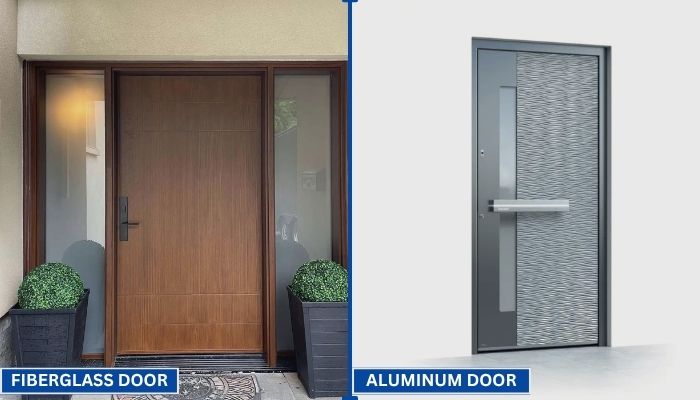
Your front door does more than just open and close. It protects your home, adds curb appeal, and helps control indoor temperature. That’s why picking the right door material matters.
Read More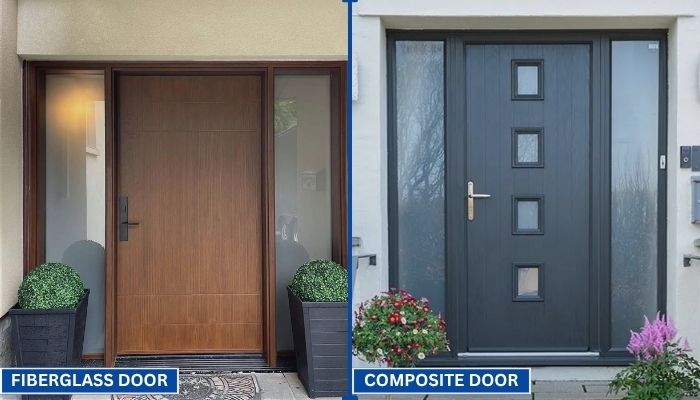
Choosing the right door can be confusing. You want something that looks good, lasts long, and keeps your home secure. Two of the most popular options today are fiberglass and composite doors.
Read More
Replacing your front door is a big decision. Wood and fiberglass are two of the most popular materials for entry doors. Each has its own strengths in terms of style, durability, and maintenance. To help you choose the right one for your home, we have to go through a clear comparison.
Read MoreA Study Desk is no longer just a flat surface with four legs. In 2026, it may need to support online classes, creative work, gaming, reading, and short periods of standing. The desk must adapt to real routines, not attractive product photos.
Industry data points in that direction. Fortune Business Insights reports continued growth in the global standing desk market, driven by workplace wellness and ergonomic awareness. Grand View Research also identifies height-adjustable and space-efficient furniture as important furniture-market segments. These reports usually examine office environments, however, rather than bedrooms or student apartments. That limitation matters.
Small spaces matter.
The 2026 leading desk types will likely include electric sit-stand desks, compact writing desks, L-shaped workstation desks, storage-integrated study desks, and modular designs. Each type solves a different problem. An electric frame can change height beside a 27-inch monitor. A narrow desk can fit a 90-centimeter wall. An L-shaped model can separate a laptop from open textbooks. A drawer unit can prevent cables, pens, and notebooks from spreading across the floor.
Ergonomics should guide the choice. OSHA and ANSI/BIFMA guidance emphasize suitable working height, stable construction, and practical user posture. Yet no desk automatically creates healthy habits. A perfect-looking desk can still encourage long, motionless sessions. That is an uncomfortable point, but a useful one. This guide compares the top Study Desk types for 2026 through space efficiency, adjustability, storage, durability, and everyday comfort. The strongest option may not be the most expensive. It may simply fit the user’s room, chair, devices, and imperfect daily schedule.
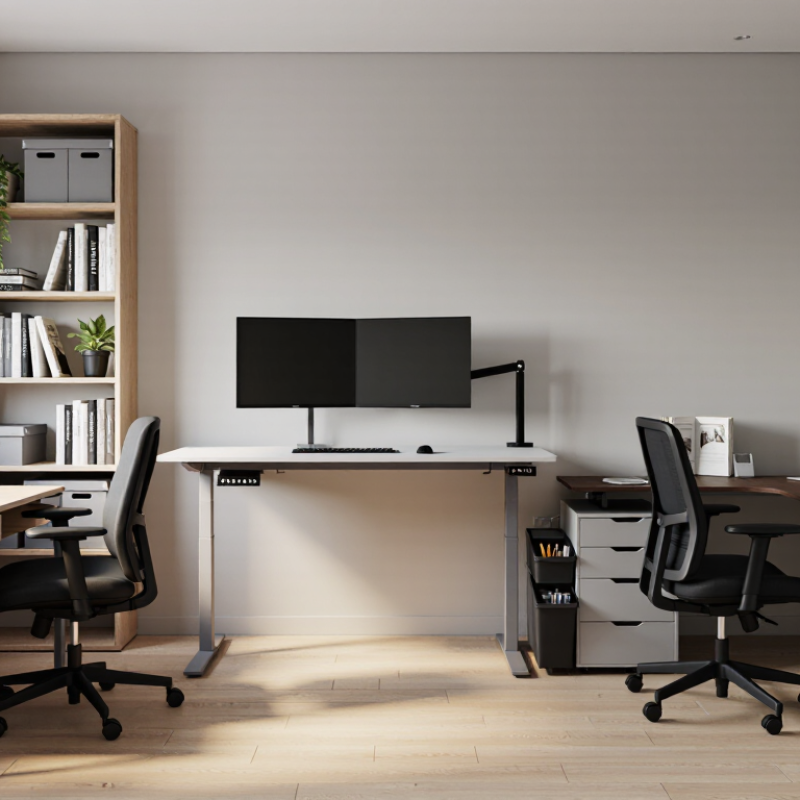
A modern study desk is no longer just a flat surface with four legs. It supports posture, changing routines, and limited living space. The leading type is the electric sit-stand desk, which allows students to alternate between seated reading and brief standing sessions. Grand View Research estimates that the global standing desk market could grow at about 7% annually through 2030. That trend reflects a practical need, not only fashionable design.
Compact modular desks are also becoming important. They may include adjustable shelves, cable channels, monitor risers, and foldable worktops. These features help a 120-centimeter desk hold a laptop, notebook, lamp, and water bottle without feeling crowded. The U.S. Occupational Safety and Health Administration recommends neutral wrist positions, suitable monitor height, and adequate legroom. A modern desk should make those adjustments easy.
Small details matter. A stable frame prevents distracting movement during writing. Rounded edges feel better after long study periods. Some “smart” desks add reminders to change position, but technology does not fix poor planning. That assumption is incomplete. In real rooms, an oversized desk can reduce movement and create clutter. The best 2026 desk type is therefore flexible, space-aware, and adjustable, though users still need to check measurements, chair height, lighting, and daily habits.
We’ll Come To You!
Quality New Windows & Doors. Competitively Priced!
Christine R.
Please, enter a valid value