
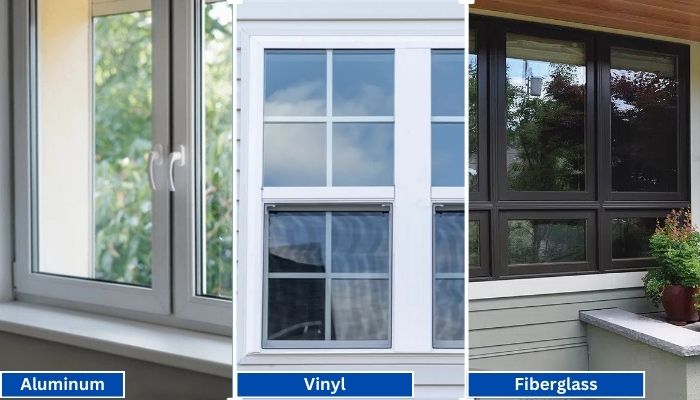
Vinyl generally has the shortest lead times because it is widely produced in standard configurations. Fiberglass is mid-range, especially for factory-painted colors.
Read More
PROUDLY CANADIAN COMPANY OWNED & OPERATED IN TORONTO SINCE 1989!
Vinyl generally has the shortest lead times because it is widely produced in standard configurations. Fiberglass is mid-range, especially for factory-painted colors.
Read More
Vinyl windows have become the go-to choice for homeowners in Toronto, thanks to their durability, energy efficiency, and low maintenance requirements. Whether you're upgrading your home for better insulation or enhancing
Read More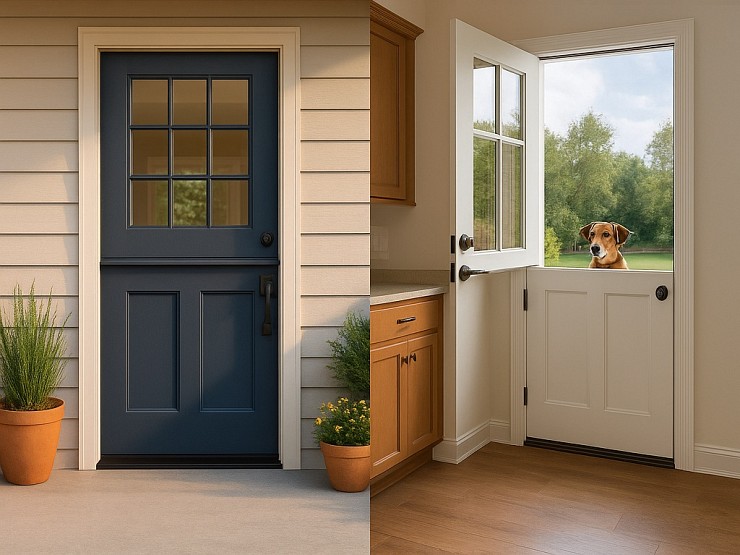
Thinking about changing your front door? A fiberglass Dutch door might have caught your eye. It’s not just a door. It’s part style statement, part smart functionality.
Read More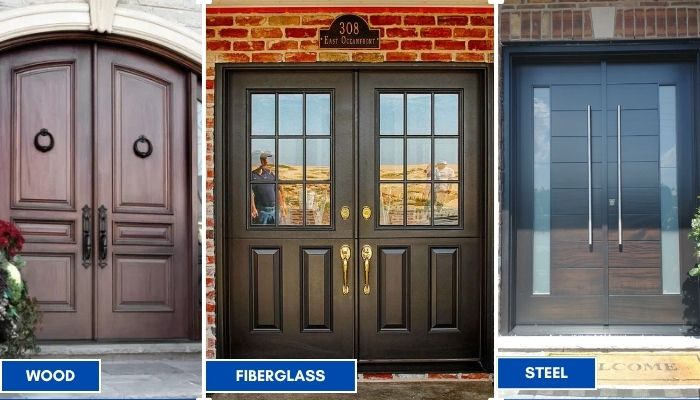
Thinking about replacing your front doors? Double doors are a bold upgrade. They look great, let in more light, and make moving big stuff easier. But the material you choose makes all the difference; especially here in Toronto.
Read More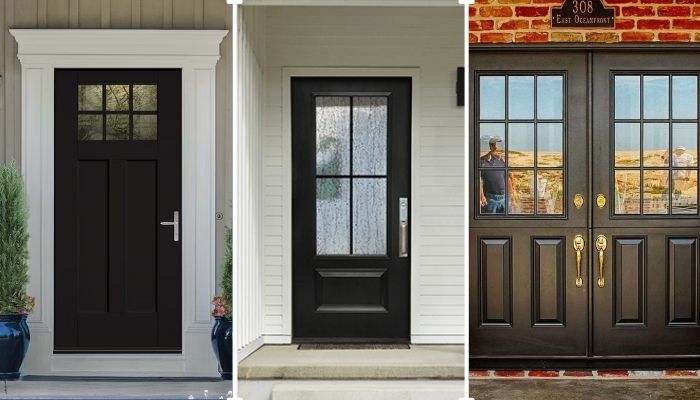
Thinking of giving your home that cozy, farmhouse charm? Let’s talk doors. Specifically, the fiberglass front doors in farmhouse style. You get the rustic look, without the rot, warping, or constant upkeep that comes with wood.
Read More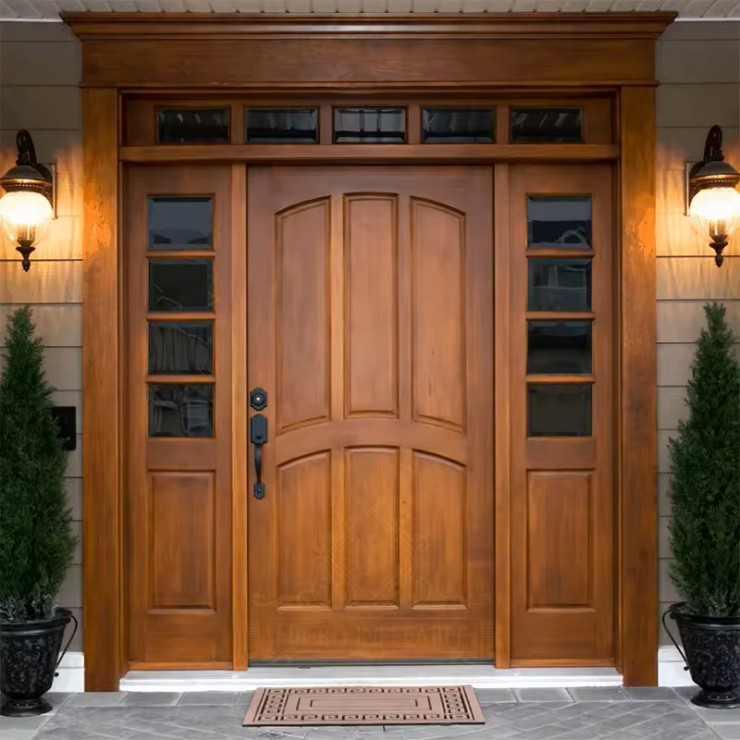
You want something that looks great, lasts long, and doesn’t stress you out with maintenance. You’re not alone. That’s exactly why more and more Toronto homeowners are choosing...
Read More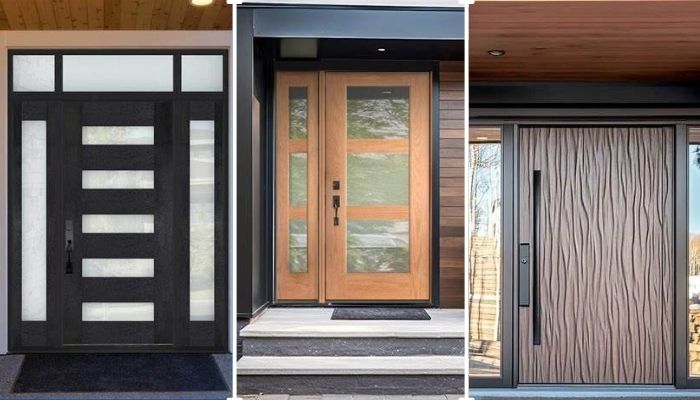
Thinking about replacing your front door? Let’s talk fiberglass. It's one of the smartest upgrades you can make, especially if you're living in Toronto. Whether your current door is drafty, outdated, or just plain boring.
Read More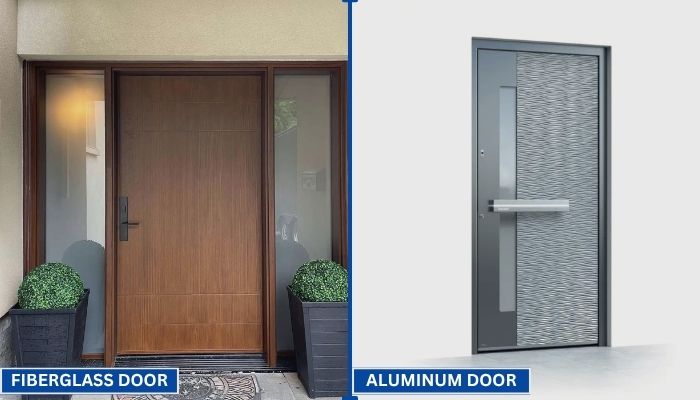
Your front door does more than just open and close. It protects your home, adds curb appeal, and helps control indoor temperature. That’s why picking the right door material matters.
Read More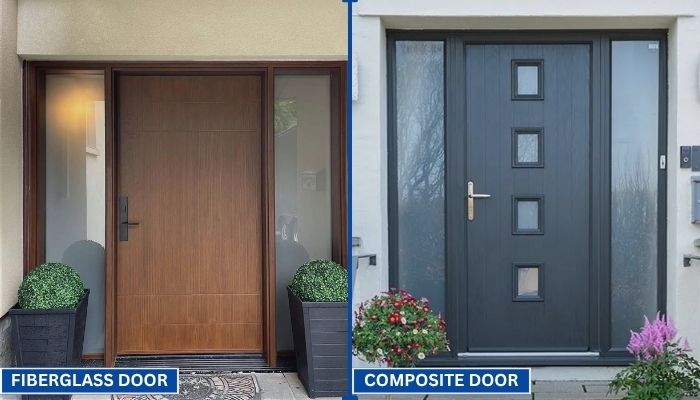
Choosing the right door can be confusing. You want something that looks good, lasts long, and keeps your home secure. Two of the most popular options today are fiberglass and composite doors.
Read More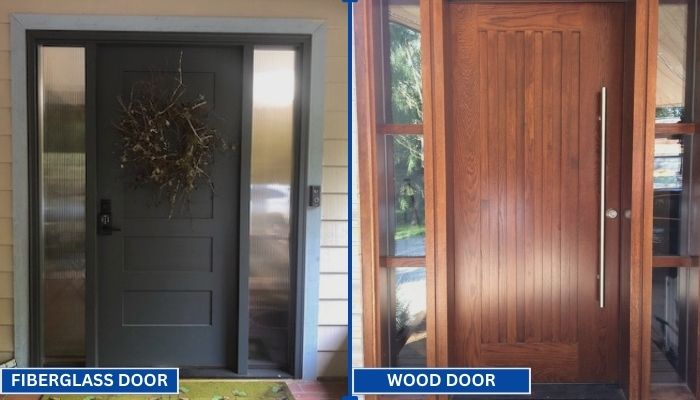
Replacing your front door is a big decision. Wood and fiberglass are two of the most popular materials for entry doors. Each has its own strengths in terms of style, durability, and maintenance. To help you choose the right one for your home, we have to go through a clear comparison.
Read MoreA Valve Actuator converts control signals into mechanical movement, allowing a valve to open, close, or regulate flow. It may use electric power, compressed air, or hydraulic pressure. In a plant, that movement can control water, steam, oil, gas, or corrosive chemicals. The mechanism sounds simple. The responsibility is not. A few degrees of incorrect travel can affect pressure, temperature, safety, and production quality.
Industry data shows why this technology remains important. MarketsandMarkets’ Industrial Valves Market report identifies automation, energy infrastructure, and process industries as major growth drivers. Grand View Research also reports continued expansion in industrial automation and control equipment, supported by smarter manufacturing systems. However, market estimates differ because companies classify actuators, control valves, and accessories differently. That inconsistency deserves attention.
This guide explains how a Valve Actuator works, from the command signal to the final stem or shaft movement. It examines electric motors, pneumatic cylinders, hydraulic systems, torque, fail-safe operation, and position feedback. Standards such as ISO 5211 and IEC 60534 help engineers match actuators with valve interfaces and control requirements. A practical example is a pneumatic actuator mounted above a butterfly valve. Air enters the cylinder, the piston moves, and the valve disc rotates inside the pipeline. Sensors then confirm its position. Small movement. Large consequence. No actuator is perfect, especially when sizing ignores temperature, friction, cycling frequency, or emergency requirements. Reliable selection depends on verified data, field experience, and careful maintenance records.
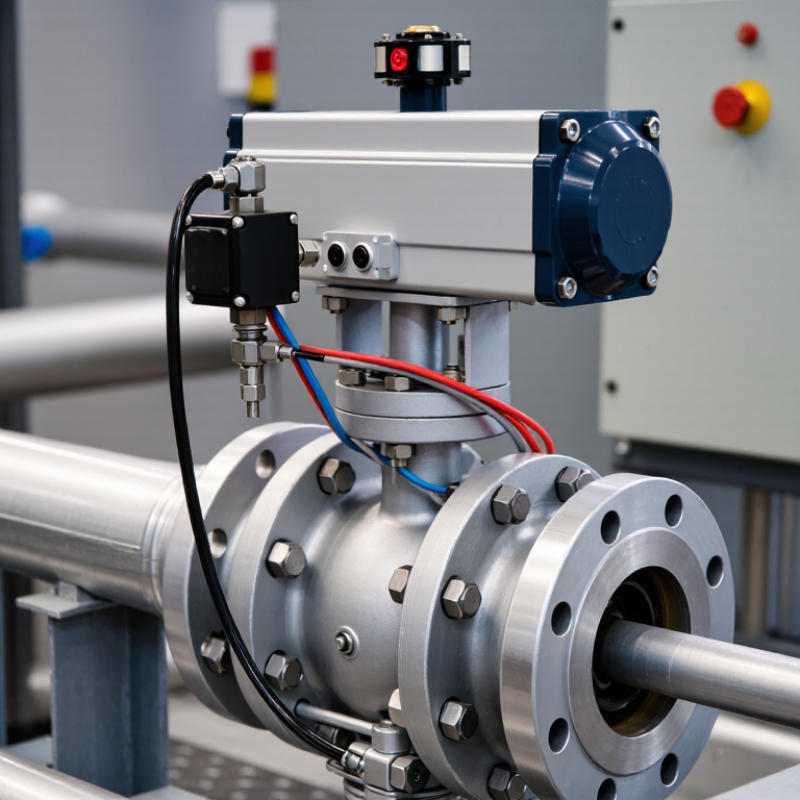
A valve actuator is the mechanism that opens, closes, or positions a valve. Its main purpose is to control fluid or gas flow without constant manual effort. In a processing line, it can respond to a control signal within seconds. The actuator may use electric power, compressed air, or hydraulic pressure. Each option suits different operating conditions. Electric models support precise positioning and easy system integration. Pneumatic models often provide fast movement in demanding industrial areas. Hydraulic units deliver high force for large, tightly sealed valves. The choice depends on valve size, torque, speed, and available energy.
Inside the actuator, a motor, piston, or drive mechanism produces movement. A gearbox may increase torque and reduce operating speed. The actuator then transfers this force to the valve stem or shaft. Sensors can confirm whether the valve is open, closed, or partly positioned. This feedback helps prevent unsafe flow changes and reduces manual inspection. However, an actuator is not automatically reliable after installation. Incorrect sizing can cause weak movement, overheating, or premature wear. Moisture, dirt, and unstable pressure can also affect performance. I have found that simple commissioning checks often reveal overlooked alignment problems. Maintenance teams should inspect connections, travel limits, seals, and response time regularly. A small adjustment can prevent a costly process interruption.
| Actuator Type | Energy Source | Output Motion | Commonly Used With | How It Works | Main Advantages | Typical Limitations | Common Fail-Safe Arrangement |
|---|---|---|---|---|---|---|---|
| Manual Actuator | Human effort | Rotary or linear |
| A handwheel, lever, or gearbox transfers operator input to the valve stem or shaft. |
|
| Normally remains in its last manually selected position. |
| Pneumatic Actuator | Compressed air or gas | Rotary or linear |
| Air pressure acts on a piston or diaphragm to produce force and move the valve. Springs may return the valve when air pressure is removed. |
|
| Spring-return designs can be configured to fail open or fail closed when air pressure is lost. |
| Electric Actuator | Electrical power | Rotary or linear |
| An electric motor drives a gearbox, screw, or stem mechanism. Limit switches, torque protection, and position sensors control movement. |
|
| May remain in position, move to a defined position, or use a backup spring or battery system, depending on the design. |
| Hydraulic Actuator | Pressurized hydraulic fluid | Rotary or linear |
| Hydraulic pressure acts on a piston or vane to create high force or torque for moving the valve. |
|
| Spring-return or stored-energy systems can provide fail-open or fail-closed action when hydraulic pressure is lost. |
| Quarter-Turn Actuator | Manual, pneumatic, electric, or hydraulic power | Approximately 90-degree rotation |
| The actuator rotates the valve shaft through a limited angle to move the closure element between open and closed positions. |
| Not suitable for valves that require multiple turns or long linear stem travel. | Can use a spring-return mechanism or other stored energy to reach a safe position. |
| Multi-Turn Actuator | Manual, electric, or hydraulic power | Multiple rotations |
| The actuator rotates the stem or stem nut through several turns, producing linear movement and seating force. |
| Usually requires more space and takes longer to operate than quarter-turn equipment. | Fail position depends on the actuator design, valve load, and any installed backup or spring mechanism. |
| Modulating Actuator | Electrical, pneumatic, or hydraulic power with a control signal | Continuous rotary or linear adjustment |
| A controller compares the desired process value with feedback and adjusts the valve position to regulate flow, pressure, temperature, or level. |
|
| Often configured to fail open, fail closed, or fail in place according to process safety requirements. |
| On/Off Actuator | Manual, pneumatic, electric, or hydraulic power | Movement between defined end positions |
| The actuator drives the valve fully open or fully closed in response to a local or remote command. |
| Does not normally provide precise flow regulation and may cause process shock if operated too quickly. | The selected safe position depends on whether continued flow or stopped flow is safer for the process. |
| Key Selection Factors | Process requirements and available utilities | Quarter-turn or multi-turn; rotary or linear | Valve type, size, pressure rating, and service conditions | Selection involves matching required torque or thrust, operating speed, control method, duty cycle, environmental conditions, and valve travel. |
| Incorrect sizing or unsuitable materials can cause slow operation, incomplete travel, leakage, or premature failure. | Choose the fail position based on the hazards and consequences of loss of power, air, hydraulic pressure, or control signal. |
We’ll Come To You!
Quality New Windows & Doors. Competitively Priced!
Christine R.
Please, enter a valid value