
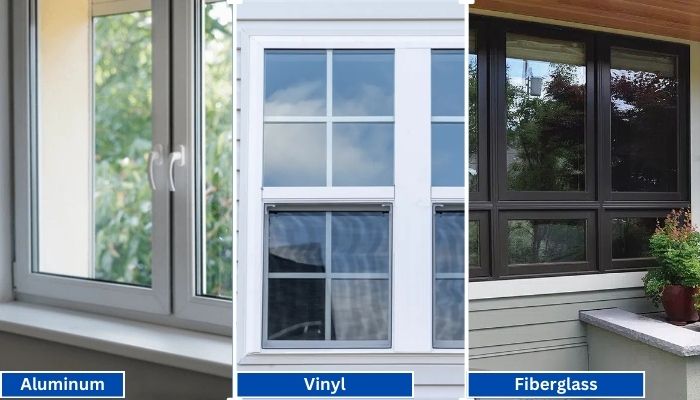
Vinyl generally has the shortest lead times because it is widely produced in standard configurations. Fiberglass is mid-range, especially for factory-painted colors.
Read More
PROUDLY CANADIAN COMPANY OWNED & OPERATED IN TORONTO SINCE 1989!
Vinyl generally has the shortest lead times because it is widely produced in standard configurations. Fiberglass is mid-range, especially for factory-painted colors.
Read More
Vinyl windows have become the go-to choice for homeowners in Toronto, thanks to their durability, energy efficiency, and low maintenance requirements. Whether you're upgrading your home for better insulation or enhancing
Read More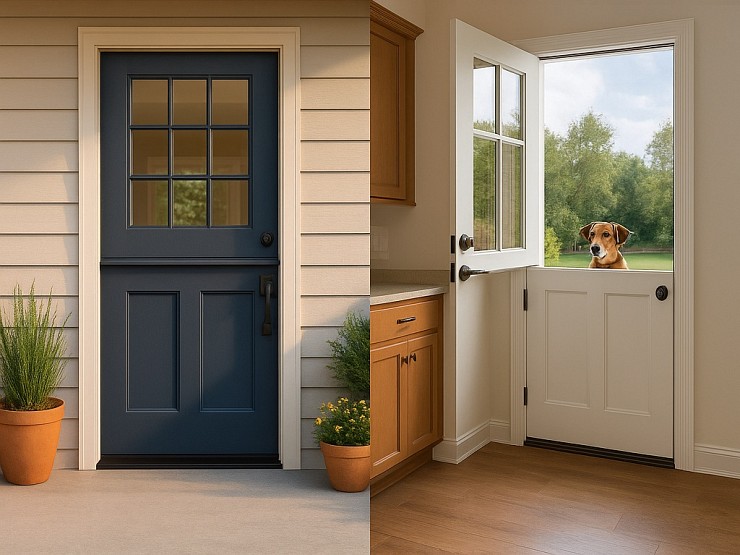
Thinking about changing your front door? A fiberglass Dutch door might have caught your eye. It’s not just a door. It’s part style statement, part smart functionality.
Read More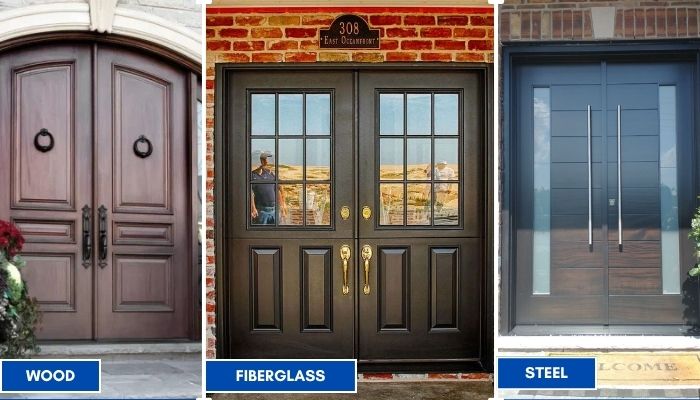
Thinking about replacing your front doors? Double doors are a bold upgrade. They look great, let in more light, and make moving big stuff easier. But the material you choose makes all the difference; especially here in Toronto.
Read More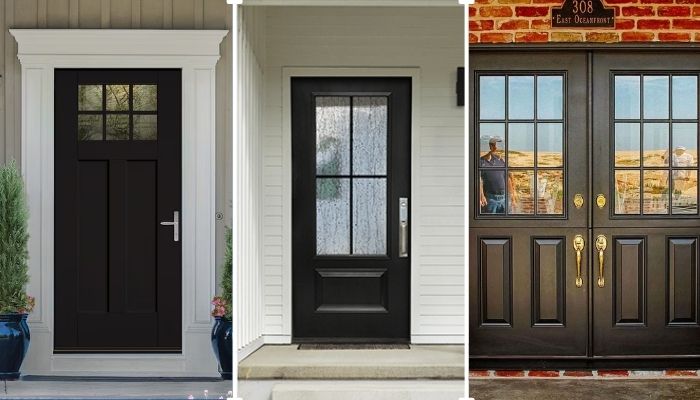
Thinking of giving your home that cozy, farmhouse charm? Let’s talk doors. Specifically, the fiberglass front doors in farmhouse style. You get the rustic look, without the rot, warping, or constant upkeep that comes with wood.
Read More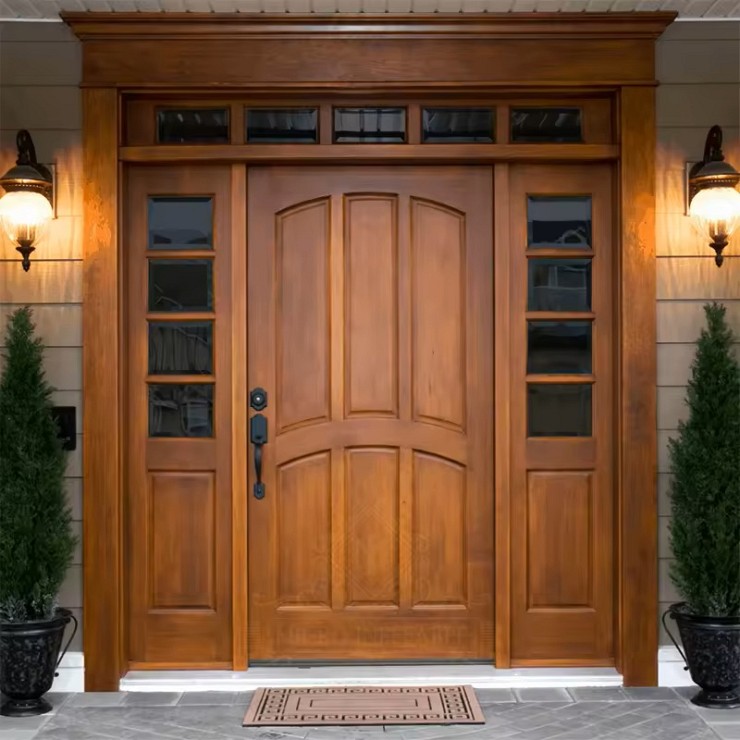
You want something that looks great, lasts long, and doesn’t stress you out with maintenance. You’re not alone. That’s exactly why more and more Toronto homeowners are choosing...
Read More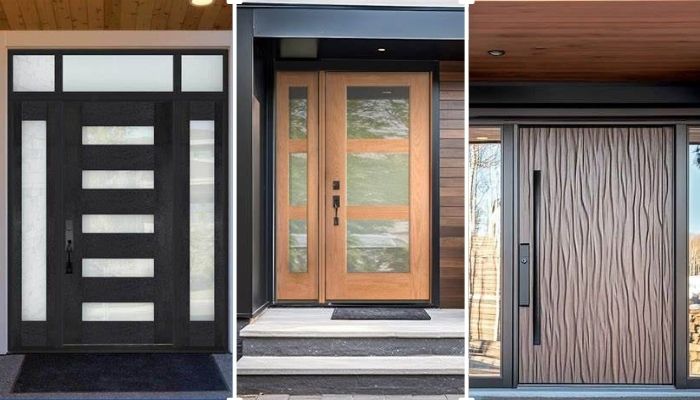
Thinking about replacing your front door? Let’s talk fiberglass. It's one of the smartest upgrades you can make, especially if you're living in Toronto. Whether your current door is drafty, outdated, or just plain boring.
Read More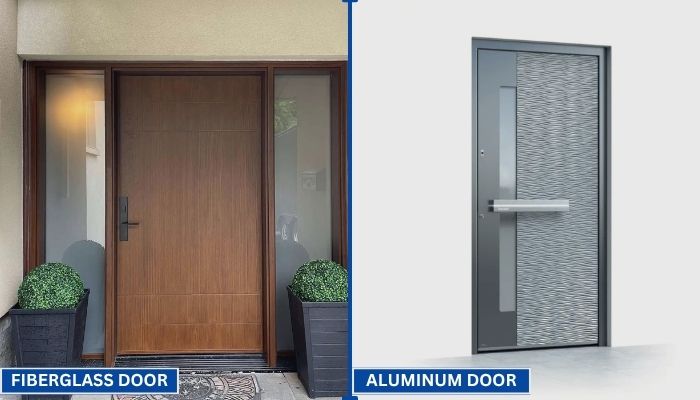
Your front door does more than just open and close. It protects your home, adds curb appeal, and helps control indoor temperature. That’s why picking the right door material matters.
Read More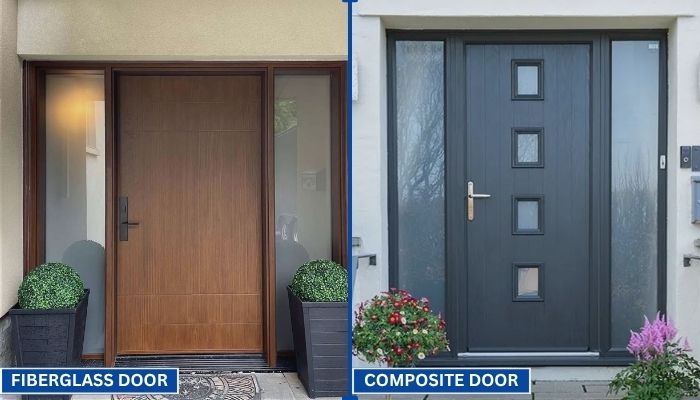
Choosing the right door can be confusing. You want something that looks good, lasts long, and keeps your home secure. Two of the most popular options today are fiberglass and composite doors.
Read More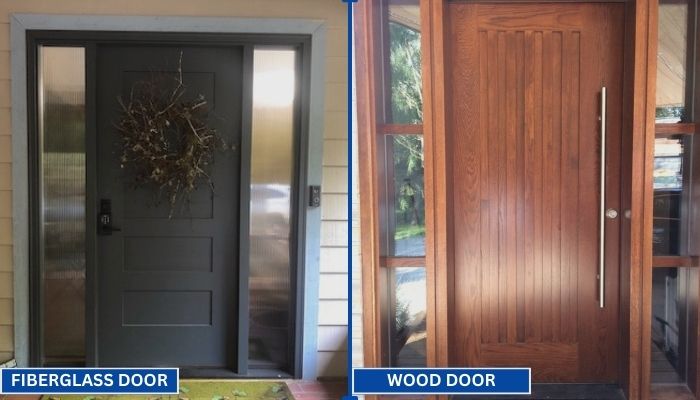
Replacing your front door is a big decision. Wood and fiberglass are two of the most popular materials for entry doors. Each has its own strengths in terms of style, durability, and maintenance. To help you choose the right one for your home, we have to go through a clear comparison.
Read MoreFinding the best Azul Macaubas Quartzite in China requires more than comparing online prices. Buyers need verified suppliers, consistent quality, and practical knowledge of natural stone. This guide examines where to source premium slabs and how to judge a trustworthy Chinese exporter.
Karin Kirk, a geologist and natural-stone educator, offers a useful reminder: “Natural stone is a product of nature, so no two slabs are exactly alike.” That principle matters when evaluating Azul Macaubas Quartzite. Each block may display different blue movement, white veining, and golden mineral accents. A polished sample can look impressive under showroom lights. It may appear different beside a kitchen window.
Experienced buyers should request recent slab photographs and full-resolution videos. Ask for the block number, quarry origin, thickness, finish, and available dimensions. Reliable suppliers should also provide water-absorption data, flexural-strength results, and inspection records. Independent testing is worth considering for large commercial projects.
Do not trust the word “best” too quickly. It is a marketing claim, not a technical grade. Some suppliers offer beautiful material but weak packaging or unclear replacement policies. Others communicate well but have limited stock. I have found that small details often expose larger risks. Check crate construction, edge protection, loading photos, and shipping terms before payment.
This introduction will compare Chinese stone manufacturers, wholesale markets, and direct-export suppliers. It will also explain how to compare quotations fairly. Freight, crating, polishing, taxes, and port charges can change the final cost significantly. The goal is simple: help buyers choose authentic Azul Macaubas Quartzite with clearer evidence and fewer expensive surprises.
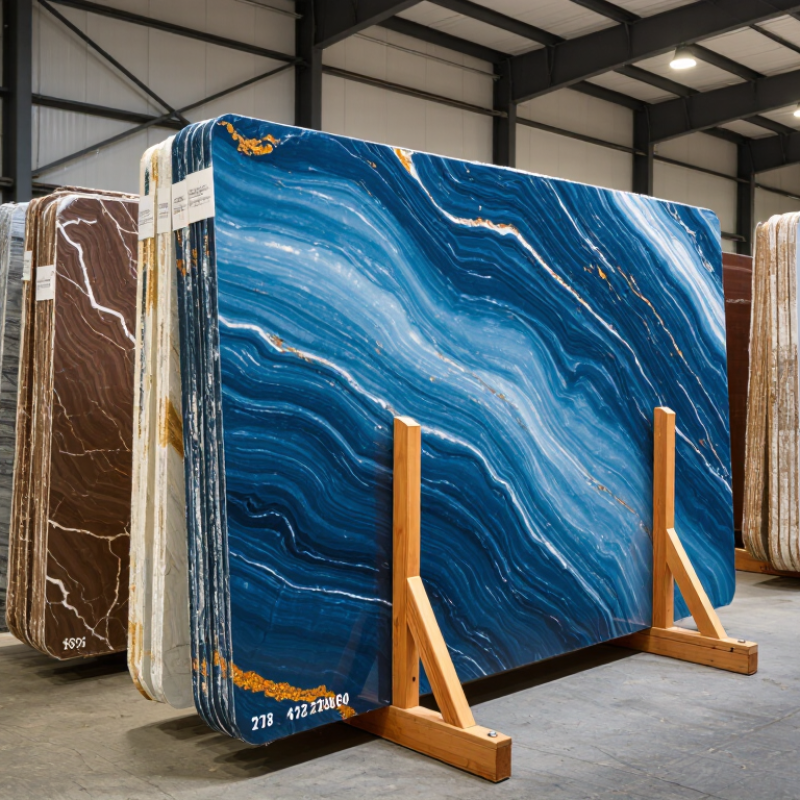
Azul Macaubas quartzite is a natural stone known for blue backgrounds, white movement, and occasional gray mineral clouds. Its color usually comes from mineral inclusions, often associated with dumortierite, but each quarry block can differ. That variation creates genuine character. It also makes online photographs unreliable.
Quartzite forms under intense heat and pressure, so it is generally harder than marble. However, it is not stain-proof or maintenance-free. Surface finish, resin treatment, and slab quality affect performance. The U.S. Geological Survey’s 2024 Dimension Stone summary confirms that imported stone remains important in the American market. This helps explain why buyers should request quarry origin and technical documentation before purchasing.
Market interest is also measurable. Grand View Research estimated the global natural stone market at about 50 billion dollars in 2023, with annual growth near 4.9% through 2030. Azul Macaubas benefits from this wider demand for distinctive natural surfaces. Still, popularity can encourage rushed buying. Inspect full slabs at a professional stone warehouse, not only small samples. Ask for water absorption, flexural strength, and abrasion data. Check repaired fissures under direct light. Slight color differences are normal. Dramatic defects are not. A qualified fabricator should also review vein direction, edge details, and support requirements before cutting.
We’ll Come To You!
Quality New Windows & Doors. Competitively Priced!
Christine R.
Please, enter a valid value