
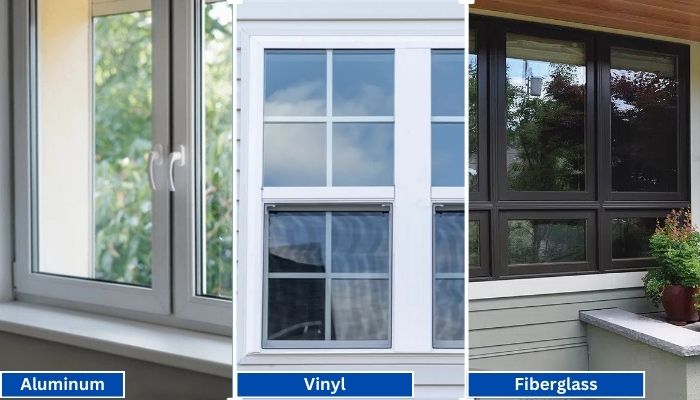
Vinyl generally has the shortest lead times because it is widely produced in standard configurations. Fiberglass is mid-range, especially for factory-painted colors.
Read More
PROUDLY CANADIAN COMPANY OWNED & OPERATED IN TORONTO SINCE 1989!
Vinyl generally has the shortest lead times because it is widely produced in standard configurations. Fiberglass is mid-range, especially for factory-painted colors.
Read More
Vinyl windows have become the go-to choice for homeowners in Toronto, thanks to their durability, energy efficiency, and low maintenance requirements. Whether you're upgrading your home for better insulation or enhancing
Read More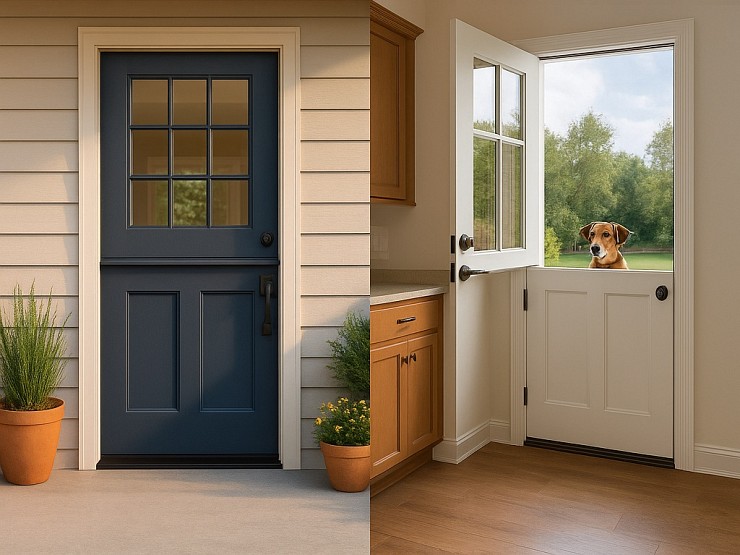
Thinking about changing your front door? A fiberglass Dutch door might have caught your eye. It’s not just a door. It’s part style statement, part smart functionality.
Read More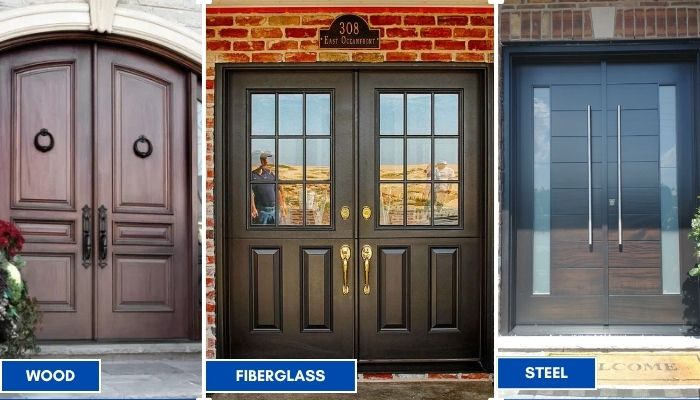
Thinking about replacing your front doors? Double doors are a bold upgrade. They look great, let in more light, and make moving big stuff easier. But the material you choose makes all the difference; especially here in Toronto.
Read More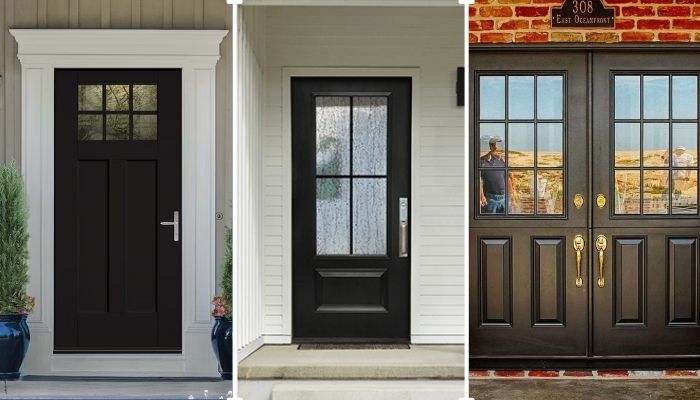
Thinking of giving your home that cozy, farmhouse charm? Let’s talk doors. Specifically, the fiberglass front doors in farmhouse style. You get the rustic look, without the rot, warping, or constant upkeep that comes with wood.
Read More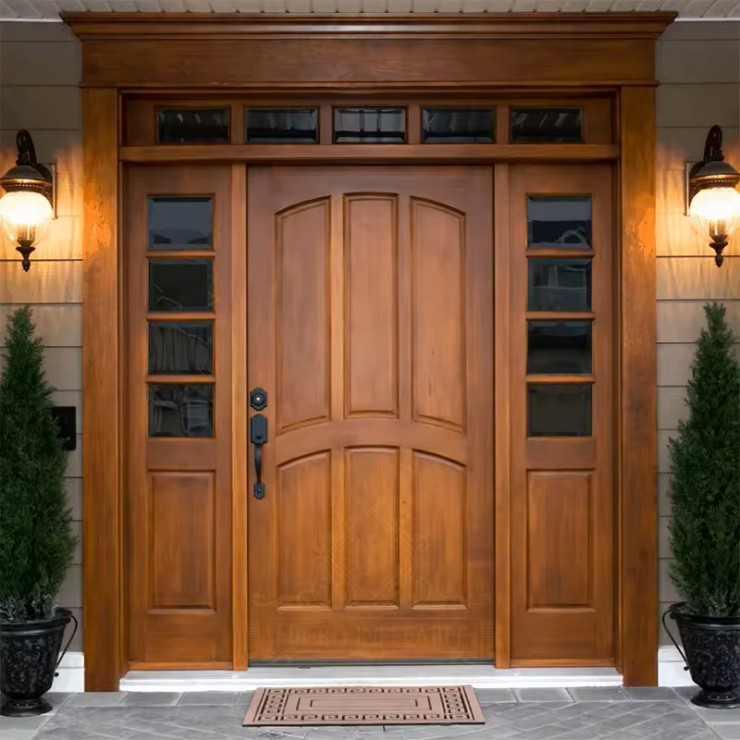
You want something that looks great, lasts long, and doesn’t stress you out with maintenance. You’re not alone. That’s exactly why more and more Toronto homeowners are choosing...
Read More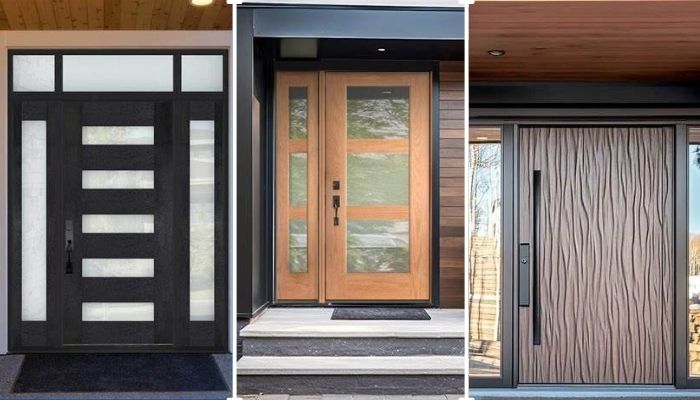
Thinking about replacing your front door? Let’s talk fiberglass. It's one of the smartest upgrades you can make, especially if you're living in Toronto. Whether your current door is drafty, outdated, or just plain boring.
Read More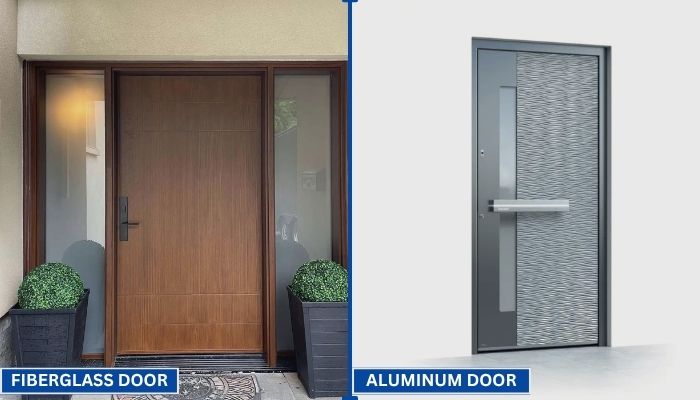
Your front door does more than just open and close. It protects your home, adds curb appeal, and helps control indoor temperature. That’s why picking the right door material matters.
Read More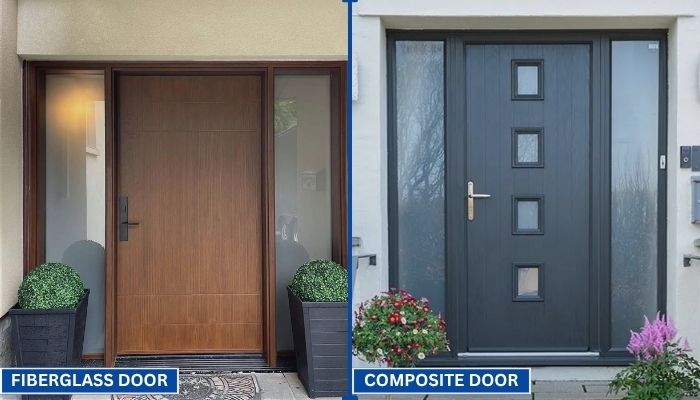
Choosing the right door can be confusing. You want something that looks good, lasts long, and keeps your home secure. Two of the most popular options today are fiberglass and composite doors.
Read More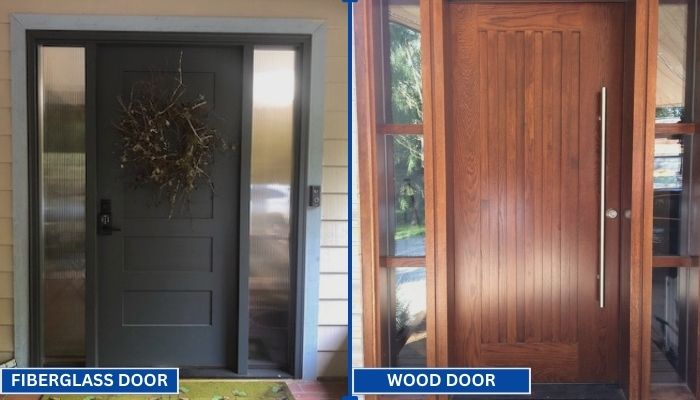
Replacing your front door is a big decision. Wood and fiberglass are two of the most popular materials for entry doors. Each has its own strengths in terms of style, durability, and maintenance. To help you choose the right one for your home, we have to go through a clear comparison.
Read MoreA Heavy Duty Storage Cabinet offers more than extra space. It creates a stable home for tools, components, documents, and maintenance supplies. In busy workshops, loose items quickly become damaged, misplaced, or unsafe. A strong cabinet reduces that daily disorder.
Look closely at the construction. Thick steel panels, reinforced doors, adjustable shelves, and quality hinges support demanding work environments. A reliable locking system also helps control access without complicating routine use. Shelf capacity matters too. A cabinet may look powerful, yet perform poorly under uneven loads. Check its stated weight rating carefully.
Small details matter.
Experienced facility managers often consider floor space, cabinet depth, ventilation, and workflow before purchasing. A cabinet placed beside a workbench can shorten movement and reduce repeated lifting. Smooth drawers and clearly labeled shelves also improve efficiency. These practical benefits can save time across many ordinary tasks.
However, “heavy duty” is not a universal measurement. Manufacturers may describe strength differently. Buyers should compare materials, load ratings, warranty terms, and installation guidance. I have seen storage decisions focus too heavily on appearance. That is an easy mistake. A glossy finish cannot replace strong welds or dependable hardware.
The right cabinet should match the environment, stored materials, and expected use. It should remain accessible without blocking walkways. Regular inspections still matter, especially when shelves carry dense equipment. No cabinet removes every risk. Good organization requires continued attention. With careful selection, this investment can improve safety, durability, and workplace control for years.
Why Choose a Heavy Duty Storage Cabinet?
What Defines a Heavy-Duty Storage Cabinet?
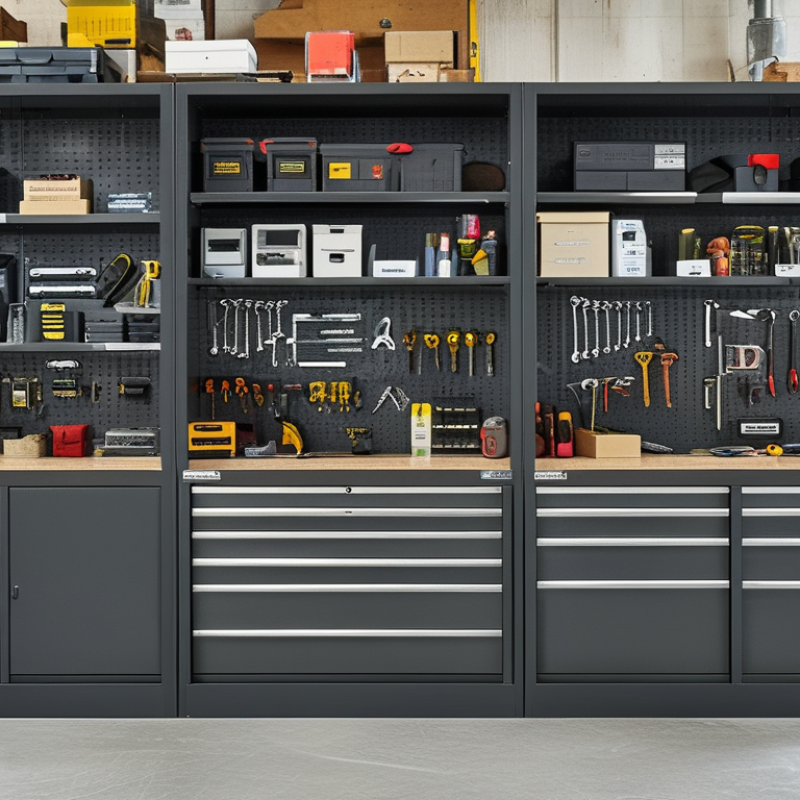
A heavy-duty storage cabinet is more than a thick metal box. It is engineered for demanding loads, frequent access, and long service. Key features include reinforced doors, welded frames, adjustable shelves, secure locking points, and a stable base. However, there is no universal definition of “heavy-duty.” Load ratings vary by cabinet design, shelf spacing, and installation conditions. Always check the tested capacity, not only the steel thickness.
Professional safety data shows why this matters. The 2023 Liberty Mutual Workplace Safety Index estimated that serious workplace injuries cost employers 58.5 billion dollars in direct workers’ compensation expenses during 2021. Poor storage can increase handling risks, falling-object hazards, and aisle congestion. A reliable cabinet keeps tools, components, and maintenance supplies contained. Its shelves should remain level under working loads, while doors should open smoothly without striking nearby equipment. Small details matter.
Tips: Measure the available floor area first. Then calculate the heaviest shelf load, including uneven weight. Keep dense items low. Anchor tall cabinets where site conditions require it. Review guidance from OSHA and applicable ANSI standards before installation. A cabinet may look robust, yet its weakest shelf connection can decide real performance. That is easy to overlook.
We’ll Come To You!
Quality New Windows & Doors. Competitively Priced!
Christine R.
Please, enter a valid value