
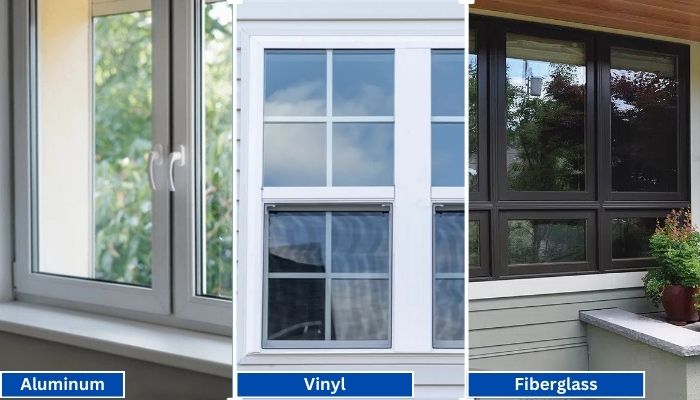
Vinyl generally has the shortest lead times because it is widely produced in standard configurations. Fiberglass is mid-range, especially for factory-painted colors.
Read More
PROUDLY CANADIAN COMPANY OWNED & OPERATED IN TORONTO SINCE 1989!
Vinyl generally has the shortest lead times because it is widely produced in standard configurations. Fiberglass is mid-range, especially for factory-painted colors.
Read More
Vinyl windows have become the go-to choice for homeowners in Toronto, thanks to their durability, energy efficiency, and low maintenance requirements. Whether you're upgrading your home for better insulation or enhancing
Read More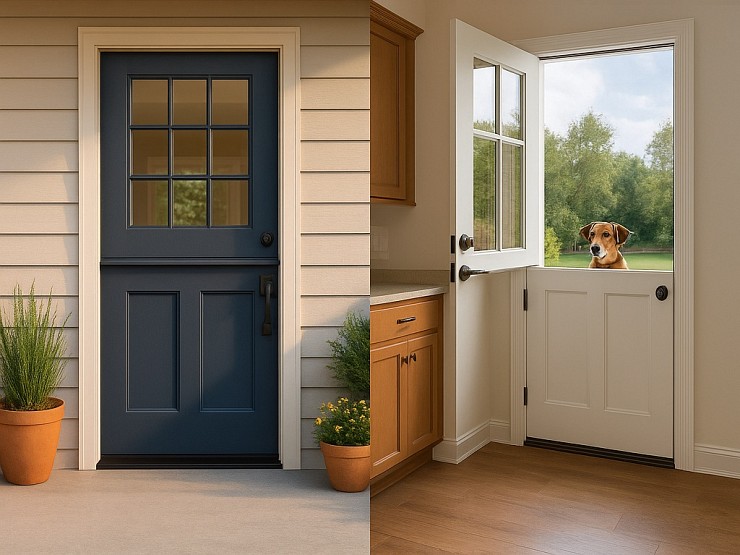
Thinking about changing your front door? A fiberglass Dutch door might have caught your eye. It’s not just a door. It’s part style statement, part smart functionality.
Read More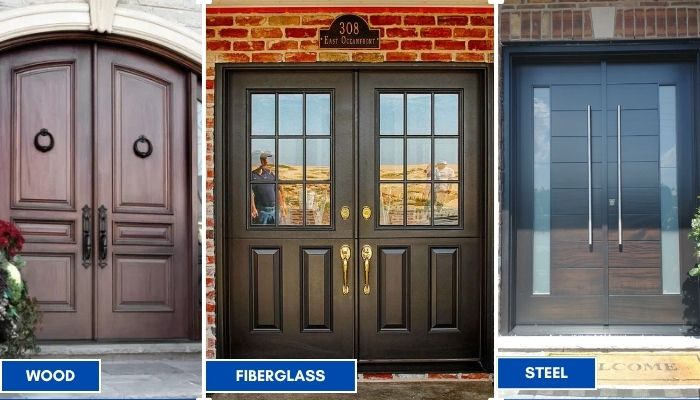
Thinking about replacing your front doors? Double doors are a bold upgrade. They look great, let in more light, and make moving big stuff easier. But the material you choose makes all the difference; especially here in Toronto.
Read More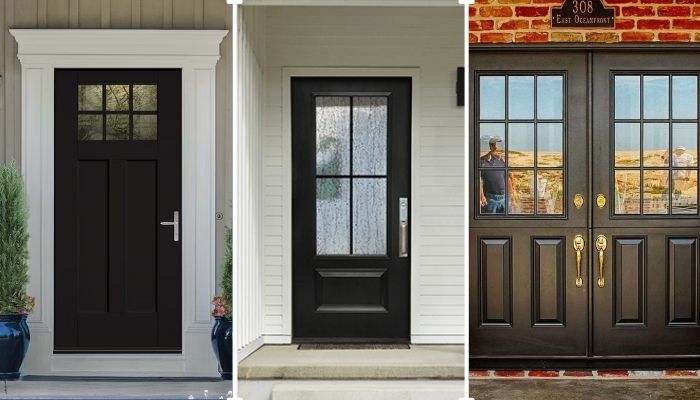
Thinking of giving your home that cozy, farmhouse charm? Let’s talk doors. Specifically, the fiberglass front doors in farmhouse style. You get the rustic look, without the rot, warping, or constant upkeep that comes with wood.
Read More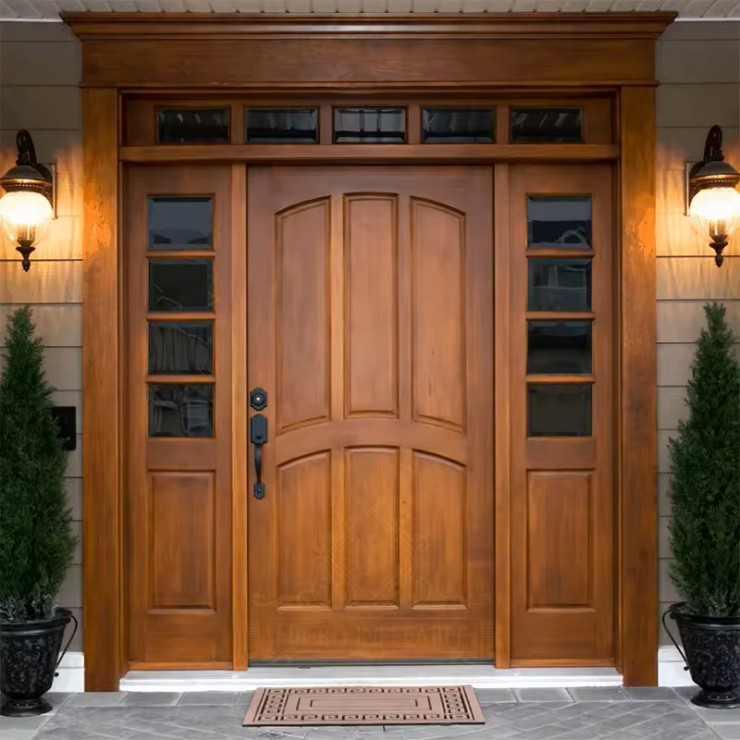
You want something that looks great, lasts long, and doesn’t stress you out with maintenance. You’re not alone. That’s exactly why more and more Toronto homeowners are choosing...
Read More
Thinking about replacing your front door? Let’s talk fiberglass. It's one of the smartest upgrades you can make, especially if you're living in Toronto. Whether your current door is drafty, outdated, or just plain boring.
Read More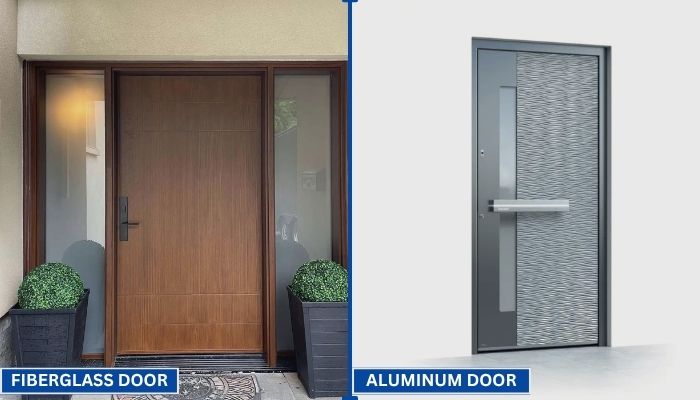
Your front door does more than just open and close. It protects your home, adds curb appeal, and helps control indoor temperature. That’s why picking the right door material matters.
Read More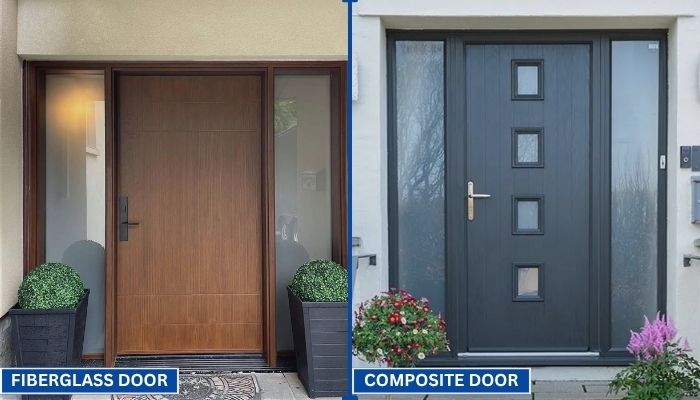
Choosing the right door can be confusing. You want something that looks good, lasts long, and keeps your home secure. Two of the most popular options today are fiberglass and composite doors.
Read More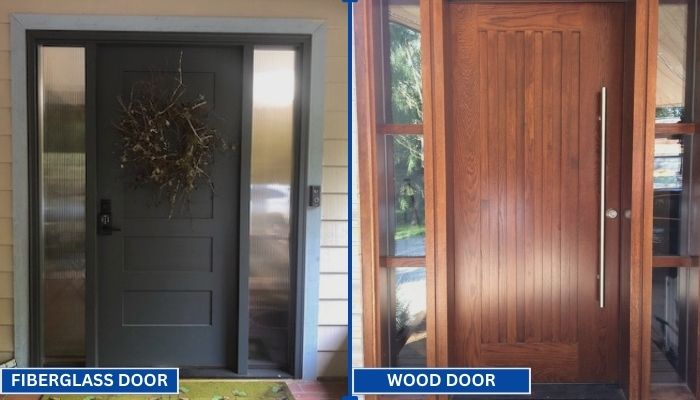
Replacing your front door is a big decision. Wood and fiberglass are two of the most popular materials for entry doors. Each has its own strengths in terms of style, durability, and maintenance. To help you choose the right one for your home, we have to go through a clear comparison.
Read MoreWhy Choose Laikeman for Global Sourcing?
Global sourcing looks efficient from a distance. In practice, it involves samples, supplier checks, production schedules, inspections, and shipping documents. Laikeman helps connect these moving parts through a structured sourcing process. The work begins with clear specifications, realistic budgets, and responsible supplier selection. Small details matter. A wrong material can delay an entire shipment.
At a sample table, experienced sourcing teams compare color, texture, dimensions, packaging, and finish. Laikeman can support this practical review before larger production begins. Its approach focuses on communication, quality control, and traceable decisions. As Laikeman sourcing expert Michael Lee explains, “Reliable sourcing is built through visible processes, not confident promises.” That principle reflects a professional standard. Suppliers should be evaluated through documentation, production capability, responsiveness, and compliance records.
Risk still exists. No sourcing program is flawless. A supplier may pass an initial review, then struggle with capacity during peak season. That possibility deserves honest attention. Laikeman’s value lies in monitoring changes, checking production progress, and addressing issues before they become expensive surprises. Careful planning can also improve delivery coordination and reduce avoidable misunderstandings.
Trust takes time.
For companies entering unfamiliar markets, Laikeman offers practical guidance rather than shortcuts. Teams can make better decisions when costs, quality expectations, timelines, and responsibilities are visible. This creates a stronger foundation for long-term partnerships. The process may not always feel fast, but dependable sourcing rarely comes from rushing.

Global sourcing is not only about finding a lower quotation. It requires careful coordination between suppliers, buyers, logistics teams, and compliance specialists. Our role begins with understanding the product, target market, required materials, and expected production volume. We then compare qualified suppliers through documented checks, sample reviews, factory communication, and cost analysis.
A reliable sourcing partner keeps information visible. We clarify specifications, confirm packaging details, and track production milestones through practical records. A sample may look excellent under showroom lights, yet fail during transport. For this reason, we examine dimensions, surface quality, labeling, and carton strength before larger orders move forward. Small details matter.
We also help manage risks across different time zones and business cultures. When a supplier changes material availability, we explain the impact instead of hiding it. Sometimes our first recommendation needs revision. A factory may pass an initial review but perform poorly during a trial order. That experience reminds us to keep testing assumptions. No sourcing process is perfect, and honest corrections protect long-term value. Our work combines field experience, technical judgment, supplier verification, and clear documentation, helping buyers make informed decisions with fewer unpleasant surprises.
We’ll Come To You!
Quality New Windows & Doors. Competitively Priced!
Christine R.
Please, enter a valid value