
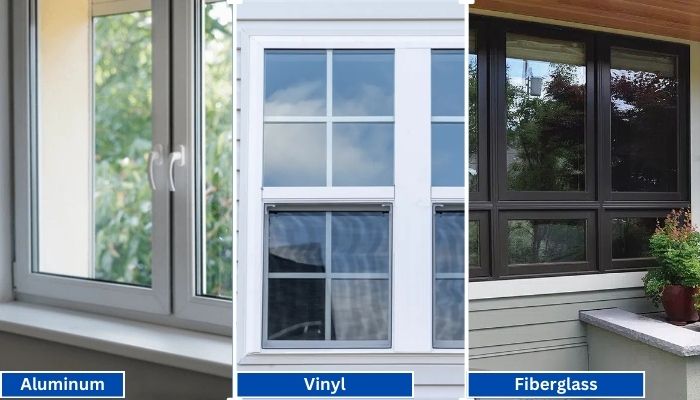
Vinyl generally has the shortest lead times because it is widely produced in standard configurations. Fiberglass is mid-range, especially for factory-painted colors.
Read More
PROUDLY CANADIAN COMPANY OWNED & OPERATED IN TORONTO SINCE 1989!
Vinyl generally has the shortest lead times because it is widely produced in standard configurations. Fiberglass is mid-range, especially for factory-painted colors.
Read More
Vinyl windows have become the go-to choice for homeowners in Toronto, thanks to their durability, energy efficiency, and low maintenance requirements. Whether you're upgrading your home for better insulation or enhancing
Read More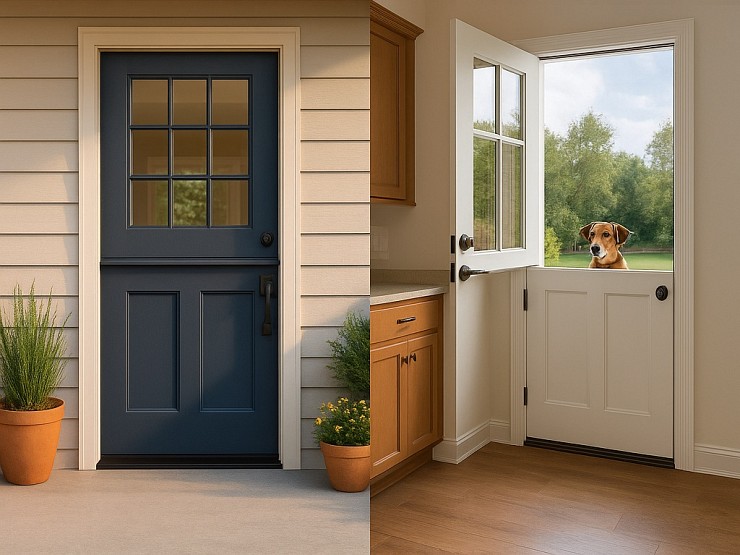
Thinking about changing your front door? A fiberglass Dutch door might have caught your eye. It’s not just a door. It’s part style statement, part smart functionality.
Read More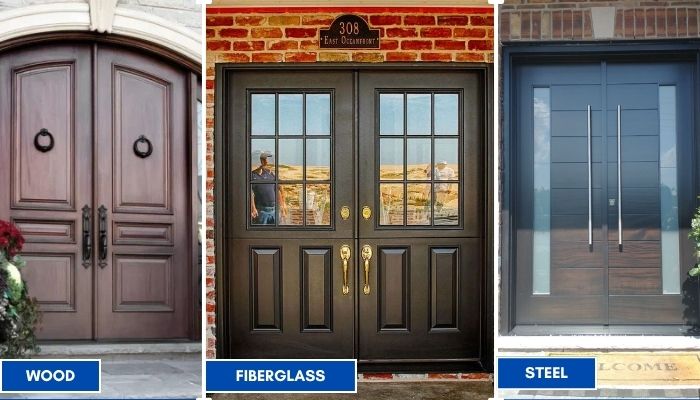
Thinking about replacing your front doors? Double doors are a bold upgrade. They look great, let in more light, and make moving big stuff easier. But the material you choose makes all the difference; especially here in Toronto.
Read More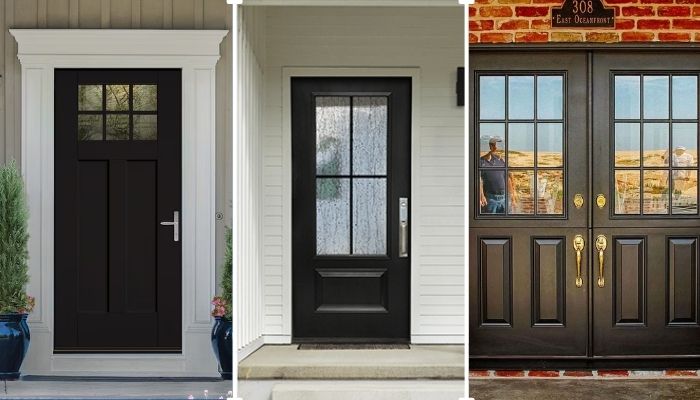
Thinking of giving your home that cozy, farmhouse charm? Let’s talk doors. Specifically, the fiberglass front doors in farmhouse style. You get the rustic look, without the rot, warping, or constant upkeep that comes with wood.
Read More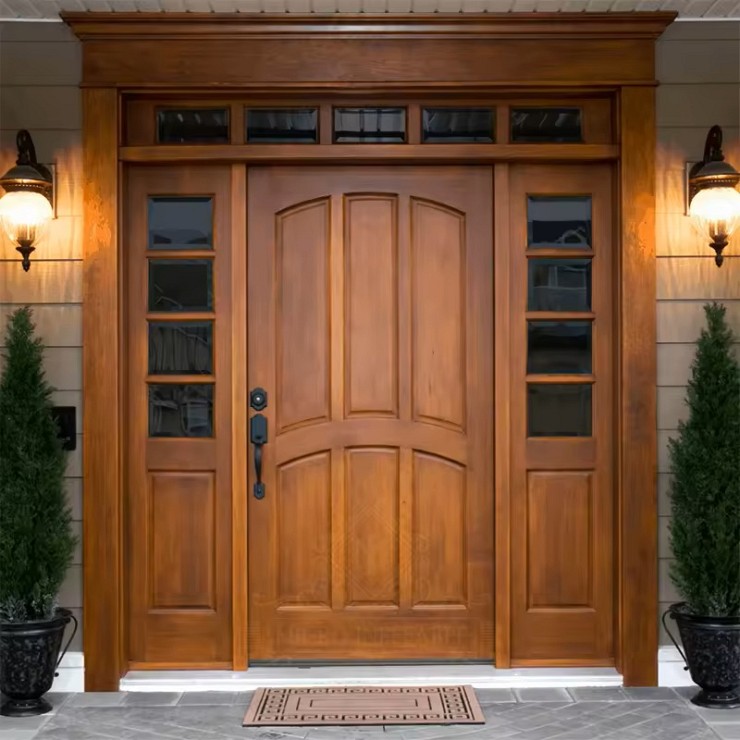
You want something that looks great, lasts long, and doesn’t stress you out with maintenance. You’re not alone. That’s exactly why more and more Toronto homeowners are choosing...
Read More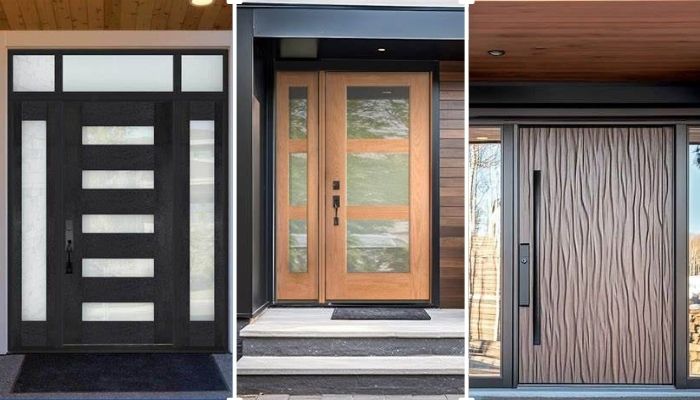
Thinking about replacing your front door? Let’s talk fiberglass. It's one of the smartest upgrades you can make, especially if you're living in Toronto. Whether your current door is drafty, outdated, or just plain boring.
Read More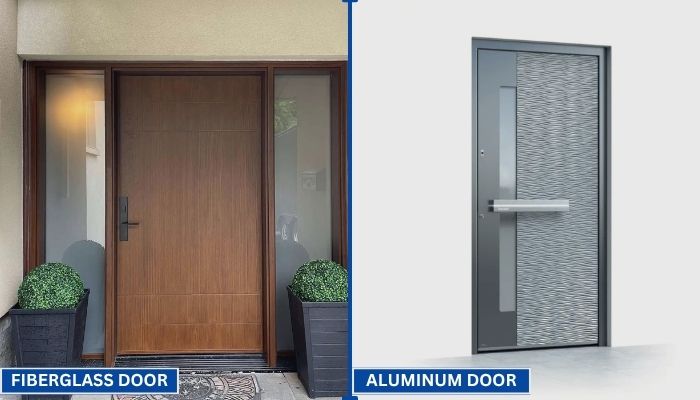
Your front door does more than just open and close. It protects your home, adds curb appeal, and helps control indoor temperature. That’s why picking the right door material matters.
Read More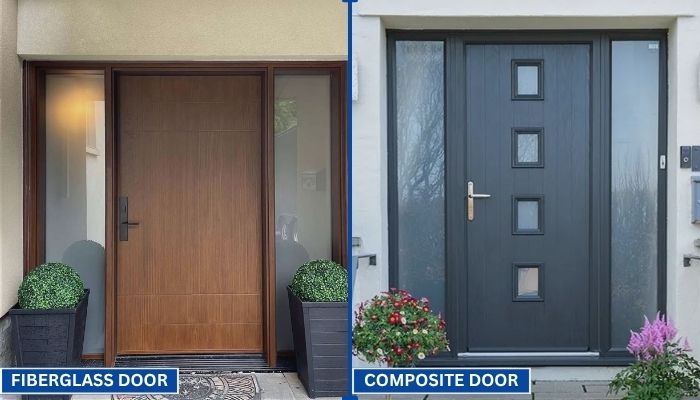
Choosing the right door can be confusing. You want something that looks good, lasts long, and keeps your home secure. Two of the most popular options today are fiberglass and composite doors.
Read More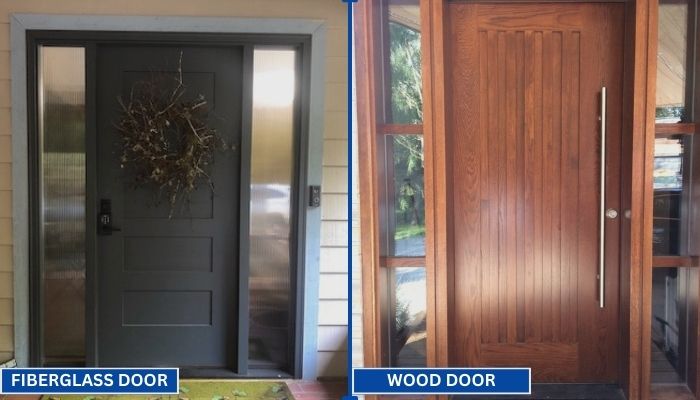
Replacing your front door is a big decision. Wood and fiberglass are two of the most popular materials for entry doors. Each has its own strengths in terms of style, durability, and maintenance. To help you choose the right one for your home, we have to go through a clear comparison.
Read MoreGlobal sourcing can make a Natural Specimen collection more diverse, credible, and visually compelling. Buyers may discover mineral formations, responsibly collected shells, botanical samples, or geological materials unavailable locally. Each piece carries evidence of its origin, condition, and handling history. That evidence matters.
Experienced sourcing teams inspect specimens through clear photographs, weight records, dimensions, and condition reports. A small crack around a fossil edge can change its value significantly. So can unclear labeling. Reliable suppliers provide collection details, invoices, export documents, and permissions required by applicable laws. When protected species or regulated materials are involved, professional buyers verify current CITES requirements and national regulations before purchase. Compliance cannot be assumed.
It starts with questions.
A responsible process also considers community benefits and environmental impact. Suppliers should explain who collected the material, where it was found, and whether collection disturbed a protected site. Independent verification, supplier references, and consistent documentation strengthen trust. However, no checklist removes every risk. Photographs can hide restoration, and historical records may be incomplete. This is where careful judgment remains essential. Buyers should pause when a price seems unusually low or an origin story sounds too perfect. Natural Specimen sourcing is not merely a purchasing task. It is a long-term practice built on expertise, traceability, ethical decisions, and honest communication. Mistakes may still happen. The goal is to identify them early, correct them openly, and improve every future sourcing decision.
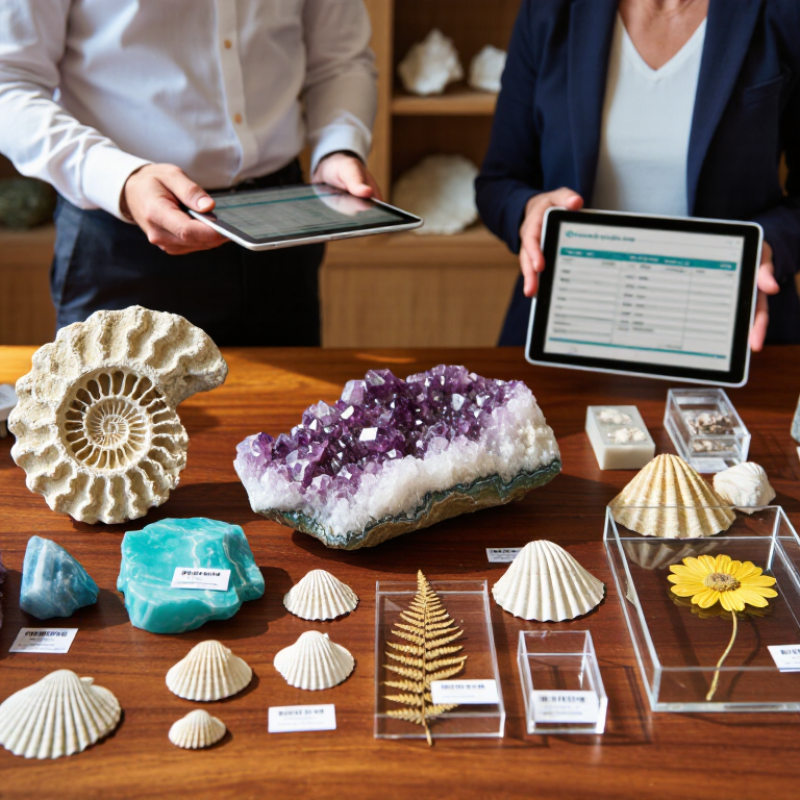
Natural specimens are materials collected from nature and preserved for study, education, design, or reference. They may be biological, geological, or ecological. Biological specimens include pressed leaves, shells, bones, and preserved insects. Geological specimens include rocks, minerals, and fossils. Each category needs different identification and handling methods.
Classification should begin with origin. Is the specimen wild-collected, cultivated, or commercially recovered? Preservation matters too: dried, mounted, embedded, or stored in liquid. Risk classification is equally important. Some species require permits, phytosanitary documents, or CITES-related checks. The IUCN Red List reported more than 46,000 threatened species in 2024, showing why species-level verification cannot be optional. Small errors can create serious sourcing problems.
Reliable suppliers should provide a scientific name, collection date, country of origin, and chain-of-custody records. A clear label helps. For geological items, records should describe location, material type, and recovery method. GBIF’s public biodiversity data network has passed three billion occurrence records, supporting stronger comparison and taxonomic review. Yet databases are not perfect. Names change. Local records may be incomplete. Buyers should request photographs, examine physical condition, and consult qualified specialists when identification remains uncertain. That extra step often costs less than correcting an inaccurate shipment.
| Classification | Representative Examples | Common Physical Form | Key Identification Features | Typical Preservation Method | Global Sourcing Considerations |
|---|---|---|---|---|---|
| Botanical Specimens | Pressed leaves, flowers, seeds, fruits, wood sections, and plant fibers | Dried, pressed, mounted, or preserved in a container | Leaf arrangement, venation, flower structure, seed shape, surface texture, and botanical name | Air drying, pressing, desiccation, or controlled storage away from moisture and direct light | Verify lawful collection, plant-protection requirements, quarantine rules, and any restrictions on protected species or seeds |
| Entomological Specimens | Butterflies, moths, beetles, dragonflies, and other preserved insects | Pinned, spread, dried, or stored in resin or alcohol | Wing pattern, body segmentation, antennae, leg structure, scale arrangement, and specimen label | Dry preservation in insect drawers, sealed display cases, or liquid preservation for selected specimens | Check collection permits, species identification, export documentation, pest control, and restrictions applying to protected insects |
| Zoological Specimens | Feathers, shells, bones, teeth, antlers, eggshells, and naturally shed materials | Cleaned, dried, articulated, mounted, or individually packaged | Morphology, surface pattern, anatomical structure, dimensions, weight, and documented origin | Dry cleaning, dehydration, stabilization, sealed storage, or temperature-controlled preservation | Wildlife-trade laws may restrict many animal parts; confirm species status, legal acquisition, permits, and import requirements before purchase |
| Geological Specimens | Minerals, rocks, crystals, ores, volcanic materials, and polished geological sections | Hand samples, cut slabs, polished pieces, crystal clusters, or thin sections | Color, luster, hardness, crystal form, cleavage, grain, density, and geological locality | Dry storage, protective wrapping, vibration control, and humidity management for moisture-sensitive minerals | Review extraction permissions, local heritage rules, customs classification, weight limits, and safe packaging for fragile materials |
| Paleontological Specimens | Fossilized shells, plant fossils, trace fossils, fossil bones, and amber containing inclusions | Rock matrix, prepared slabs, casts, fragments, or stabilized display pieces | Fossil morphology, geological formation, stratigraphic context, matrix type, and locality records | Dry, vibration-resistant storage; fragile pieces may require reversible conservation materials | Ownership and export rules vary widely by country; request provenance, legal title, excavation records, and relevant permits |
| Marine Specimens | Seashells, coral fragments, echinoderm tests, marine sediment, and dried algae | Cleaned, dried, bleached only when appropriate, mounted, or stored in sealed containers | Shell architecture, radial symmetry, growth lines, spines, surface texture, and collection locality | Rinsing, gradual drying, dry storage, and protection from salt residue and excessive humidity | Coral, shells, and other marine materials can be regulated; verify species identity, collection method, protected-area rules, and export permits |
| Mycological Specimens | Dried mushrooms, bracket fungi, lichens, and fungal growth on wood | Dried, pressed, mounted, or stored with a representative substrate | Cap and pore structure, spore-bearing surface, substrate, color, texture, and collection date | Rapid drying, low-humidity storage, and sealed packaging to reduce mold and insect damage | Confirm accurate identification, absence of hazardous contamination, packaging requirements, and any plant-health restrictions on attached wood |
| Anthropological or Cultural Natural Materials | Naturally sourced fibers, shells, seeds, feathers, bones, and other materials incorporated into cultural objects | Raw material, fragment, tool component, or part of a documented cultural object | Material composition, manufacturing traces, cultural context, age, provenance, and documented ownership history | Conservation depends on the material; stable temperature, low light, and careful handling are generally recommended | Cultural-heritage laws, ethical acquisition standards, repatriation requirements, and community permissions may apply |
| Minimum Documentation for International Sourcing | Scientific or common name; specimen category; country and locality of origin; collection or acquisition date; legal source statement; permit or certificate details where required; material composition; dimensions and weight; preservation method; photographs; packaging requirements; and any applicable customs, quarantine, wildlife, plant-health, mineral, fossil, or cultural-heritage documentation. | ||||
Note: Import, export, collection, and ownership requirements vary by country, species, locality, and material type. Legal and conservation checks should be completed before international shipment.
We’ll Come To You!
Quality New Windows & Doors. Competitively Priced!
Christine R.
Please, enter a valid value