
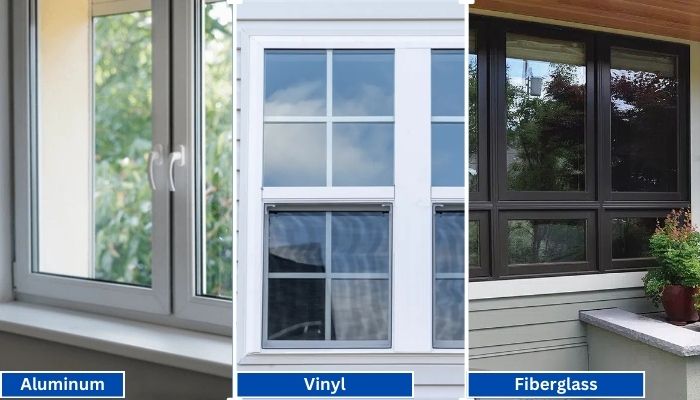
Vinyl generally has the shortest lead times because it is widely produced in standard configurations. Fiberglass is mid-range, especially for factory-painted colors.
Read More
PROUDLY CANADIAN COMPANY OWNED & OPERATED IN TORONTO SINCE 1989!
Vinyl generally has the shortest lead times because it is widely produced in standard configurations. Fiberglass is mid-range, especially for factory-painted colors.
Read More
Vinyl windows have become the go-to choice for homeowners in Toronto, thanks to their durability, energy efficiency, and low maintenance requirements. Whether you're upgrading your home for better insulation or enhancing
Read More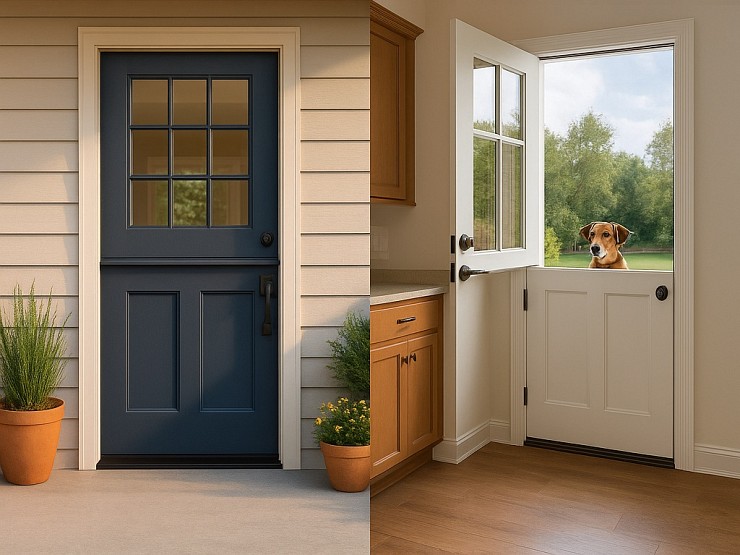
Thinking about changing your front door? A fiberglass Dutch door might have caught your eye. It’s not just a door. It’s part style statement, part smart functionality.
Read More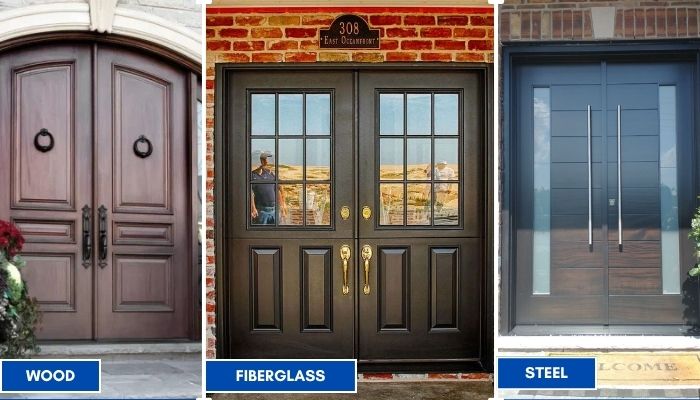
Thinking about replacing your front doors? Double doors are a bold upgrade. They look great, let in more light, and make moving big stuff easier. But the material you choose makes all the difference; especially here in Toronto.
Read More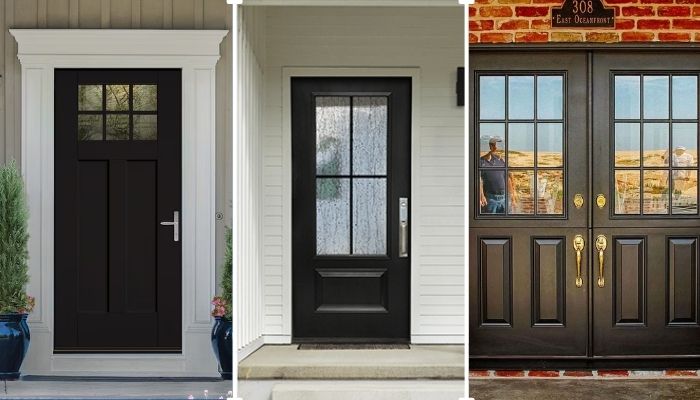
Thinking of giving your home that cozy, farmhouse charm? Let’s talk doors. Specifically, the fiberglass front doors in farmhouse style. You get the rustic look, without the rot, warping, or constant upkeep that comes with wood.
Read More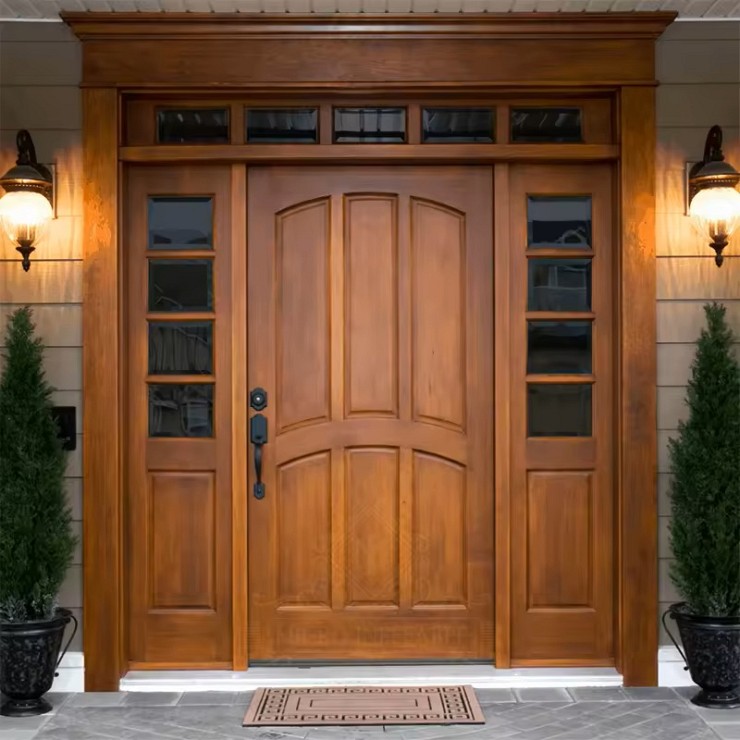
You want something that looks great, lasts long, and doesn’t stress you out with maintenance. You’re not alone. That’s exactly why more and more Toronto homeowners are choosing...
Read More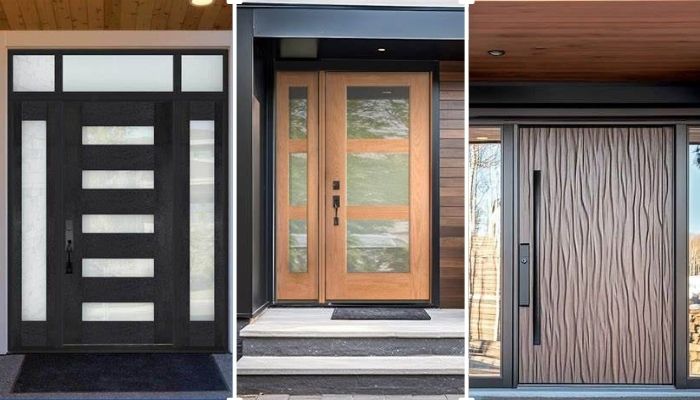
Thinking about replacing your front door? Let’s talk fiberglass. It's one of the smartest upgrades you can make, especially if you're living in Toronto. Whether your current door is drafty, outdated, or just plain boring.
Read More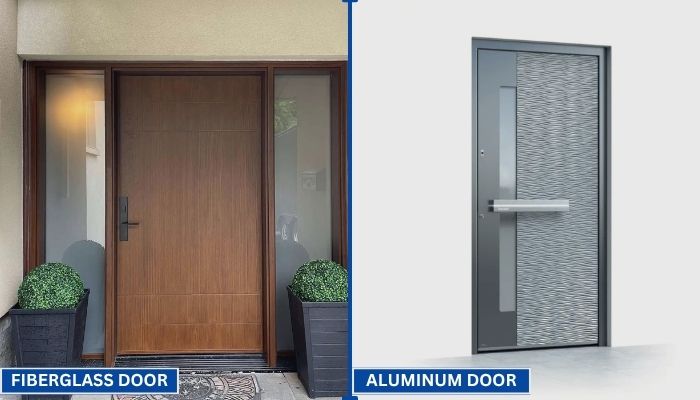
Your front door does more than just open and close. It protects your home, adds curb appeal, and helps control indoor temperature. That’s why picking the right door material matters.
Read More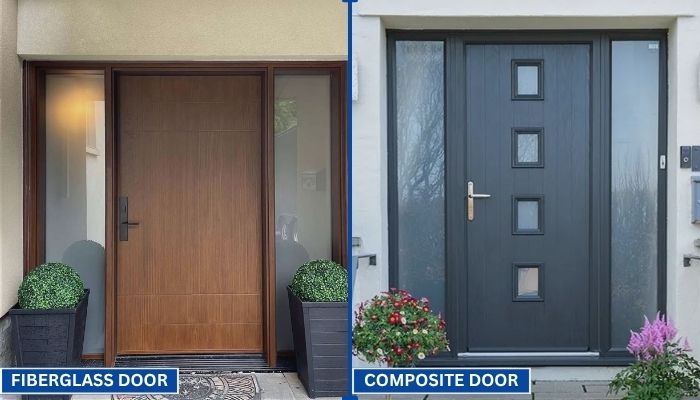
Choosing the right door can be confusing. You want something that looks good, lasts long, and keeps your home secure. Two of the most popular options today are fiberglass and composite doors.
Read More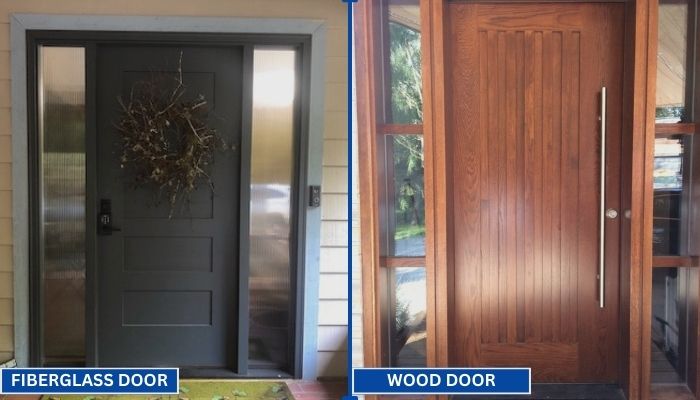
Replacing your front door is a big decision. Wood and fiberglass are two of the most popular materials for entry doors. Each has its own strengths in terms of style, durability, and maintenance. To help you choose the right one for your home, we have to go through a clear comparison.
Read MoreWhy Use a Scaffold Jack Base for Safe Construction?
A Scaffold Jack Base is a small component with a major structural responsibility. It transfers scaffold loads into the supporting surface. It also helps workers level frames on uneven ground. Without proper adjustment, one leg may carry excessive pressure. That imbalance can create movement, tilting, or progressive instability.
OSHA reports that approximately 2.3 million construction workers use scaffolds regularly. Its scaffold safety guidance also identifies about 4,500 injuries and 50 deaths each year in the United States. These figures show why base stability deserves careful attention. A correctly selected jack base supports safer erection, inspection, and daily use.
David E. MacCollum, a recognized construction-safety engineer and scaffold author, stated, “A scaffold is only as safe as its foundation.” The wording is simple. The responsibility is not. A jack base must sit on a sound sole board, not loose soil, broken concrete, or stacked materials. Its adjustment screw should remain within the manufacturer’s permitted range. Locking devices must engage fully.
The UK Health and Safety Executive also emphasizes competent assembly, inspection, and suitable ground conditions for temporary work platforms. Those principles apply across many construction environments. Still, a jack base cannot repair poor design or careless loading. That point is easy to overlook.
Before each shift, workers should check settlement, bent threads, missing pins, damaged plates, and visible movement. A short inspection can reveal a serious problem. Safer scaffolding begins at ground level. Sometimes, the smallest component deserves the closest attention.
Why Use a Scaffold Jack Base for Safe Construction?
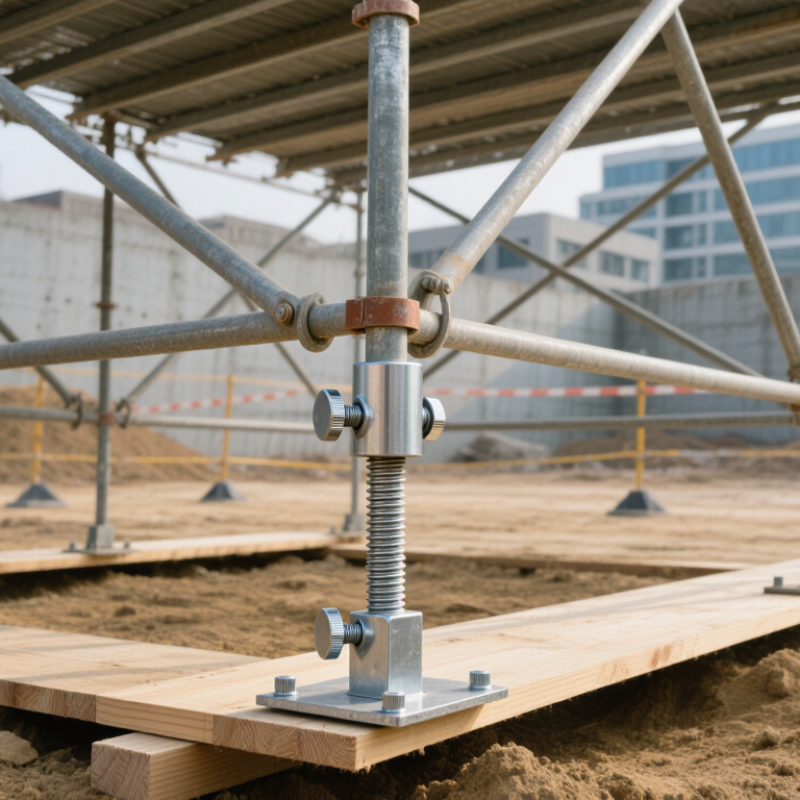
A scaffold jack base is an adjustable steel component installed beneath a scaffold standard. Its threaded stem raises or lowers the support point. This helps workers level the scaffold on uneven ground. The base plate spreads the load across a sole board or firm surface. The result is better contact, improved stability, and fewer rocking movements underfoot.
The adjustment is practical but limited. Workers turn the jack nut, check the level, and confirm every standard remains plumb. A small error at ground level can become a noticeable tilt several lifts above. OSHA reports that scaffold-related incidents cause about 4,500 injuries and 50 deaths annually in the United States. That figure makes basic setup details difficult to dismiss. A jack base cannot correct weak soil, missing bracing, or overloaded platforms. It only supports a properly designed scaffold system.
On active sites, threads often collect mud, mortar, and metal dust. Cleaning them matters. The base should be inspected for bent plates, damaged threads, corrosion, and uneven loading. OSHA guidance also requires scaffold components to support their own weight and at least four times the maximum intended load. Crews should follow the scaffold designer’s limits, not guess from available adjustment space. The part we still get wrong is simple: more height is not always more safety. A level platform can still be unstable when its foundation is poor.
We’ll Come To You!
Quality New Windows & Doors. Competitively Priced!
Christine R.
Please, enter a valid value