
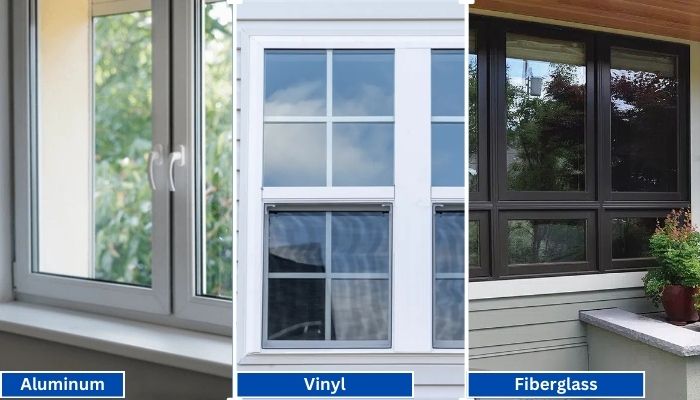
Vinyl generally has the shortest lead times because it is widely produced in standard configurations. Fiberglass is mid-range, especially for factory-painted colors.
Read More
PROUDLY CANADIAN COMPANY OWNED & OPERATED IN TORONTO SINCE 1989!
Vinyl generally has the shortest lead times because it is widely produced in standard configurations. Fiberglass is mid-range, especially for factory-painted colors.
Read More
Vinyl windows have become the go-to choice for homeowners in Toronto, thanks to their durability, energy efficiency, and low maintenance requirements. Whether you're upgrading your home for better insulation or enhancing
Read More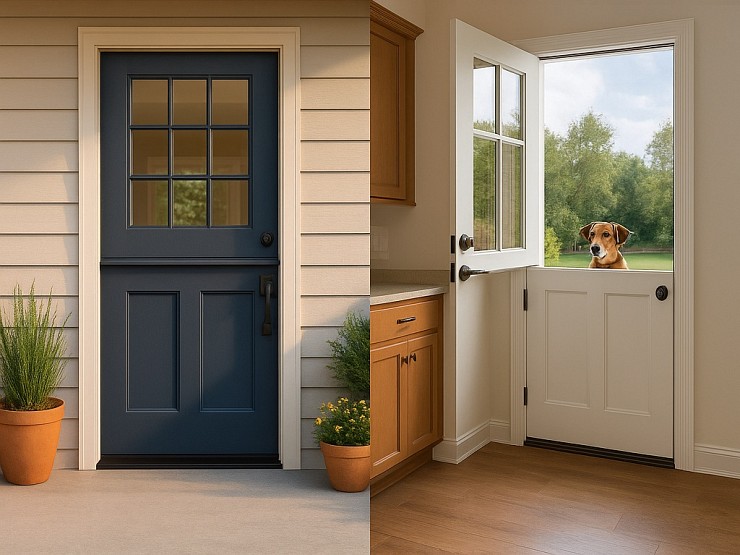
Thinking about changing your front door? A fiberglass Dutch door might have caught your eye. It’s not just a door. It’s part style statement, part smart functionality.
Read More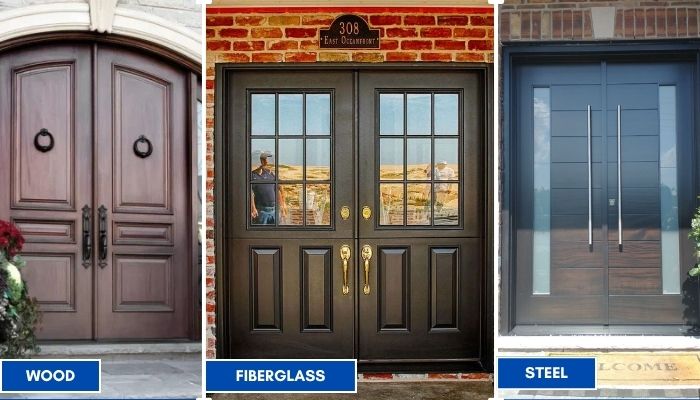
Thinking about replacing your front doors? Double doors are a bold upgrade. They look great, let in more light, and make moving big stuff easier. But the material you choose makes all the difference; especially here in Toronto.
Read More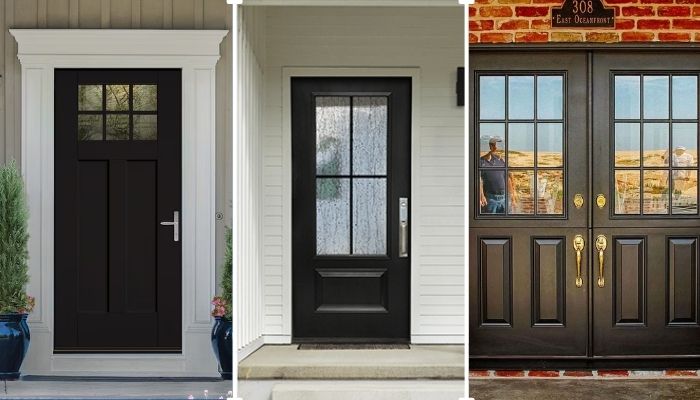
Thinking of giving your home that cozy, farmhouse charm? Let’s talk doors. Specifically, the fiberglass front doors in farmhouse style. You get the rustic look, without the rot, warping, or constant upkeep that comes with wood.
Read More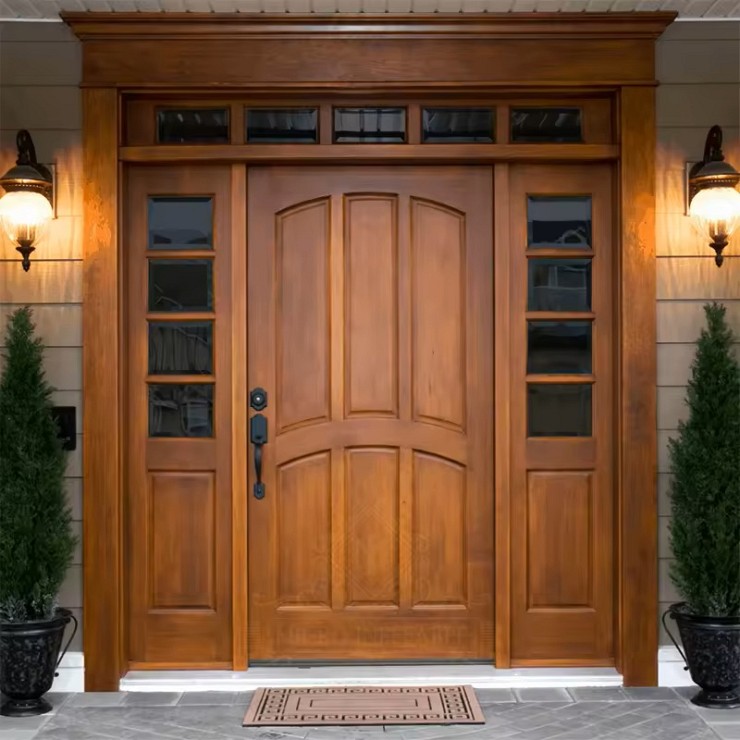
You want something that looks great, lasts long, and doesn’t stress you out with maintenance. You’re not alone. That’s exactly why more and more Toronto homeowners are choosing...
Read More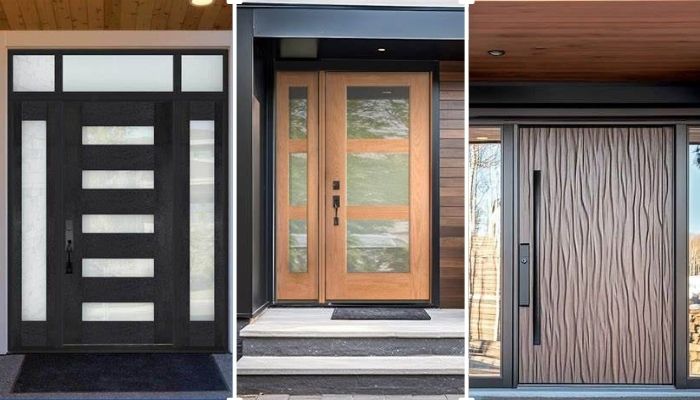
Thinking about replacing your front door? Let’s talk fiberglass. It's one of the smartest upgrades you can make, especially if you're living in Toronto. Whether your current door is drafty, outdated, or just plain boring.
Read More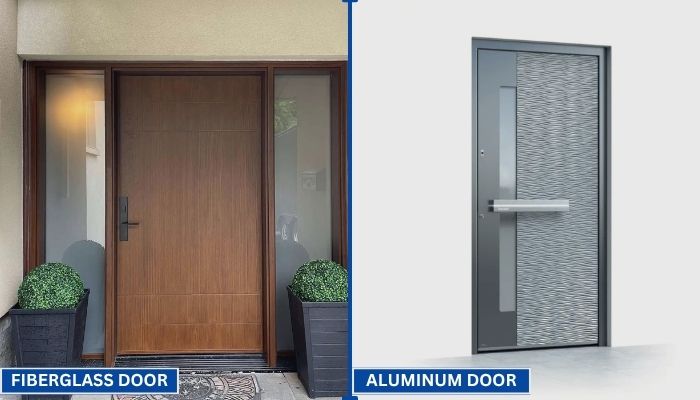
Your front door does more than just open and close. It protects your home, adds curb appeal, and helps control indoor temperature. That’s why picking the right door material matters.
Read More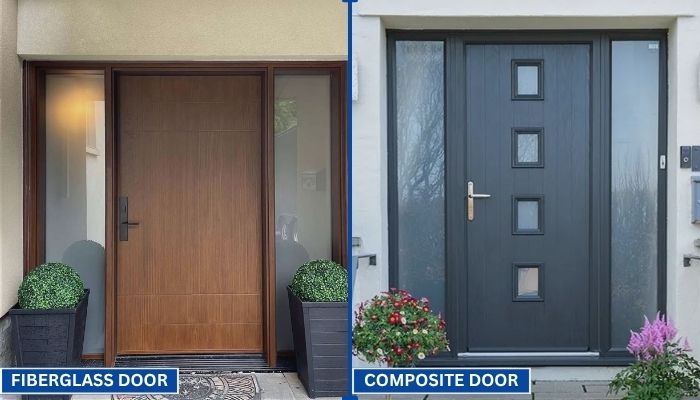
Choosing the right door can be confusing. You want something that looks good, lasts long, and keeps your home secure. Two of the most popular options today are fiberglass and composite doors.
Read More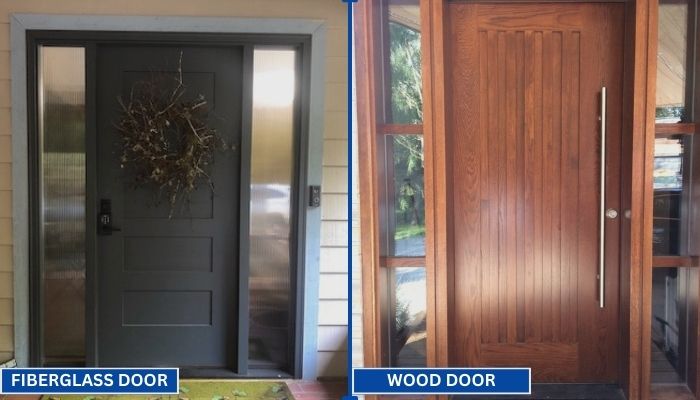
Replacing your front door is a big decision. Wood and fiberglass are two of the most popular materials for entry doors. Each has its own strengths in terms of style, durability, and maintenance. To help you choose the right one for your home, we have to go through a clear comparison.
Read MoreChina has become a major source of affordable windows for residential, commercial, and renovation projects. Yet the best window deals are not always the cheapest quotations. A low unit price can hide weak seals, thin frames, uncertain glass performance, or expensive shipping delays. Buyers need to compare the complete purchase.
Dr. Joseph Lstiburek, a respected building-science expert, puts the issue plainly: “Windows are holes in walls.” That simple observation matters. A window must control heat, rain, air movement, noise, and daylight. When reviewing window deals from China, examine the frame material, glazing specification, U-value, solar heat-gain coefficient, hardware, drainage design, and warranty terms. Ask for test reports and product samples. Touch the frame. Open the sash. Check whether the locking points feel firm.
Reliable suppliers should explain production tolerances, packaging methods, replacement policies, and export experience. Factory videos can help, but they do not replace independent inspection. Certification requirements also vary by destination. Verify them before placing a deposit.
The strongest deals balance price with performance, communication, and predictable delivery. Still, no supplier is perfect. Even a well-reviewed factory may make an error on color, dimensions, or labeling. That is why written drawings, approved samples, and staged quality checks are essential.
This guide explores how to compare window deals from China with practical judgment. The goal is not simply to spend less. It is to buy windows that arrive safely, fit correctly, and perform reliably for years. Mistakes can happen. Careful preparation reduces them.

What Are the Best Window Deals from China?
The best window deal is not the lowest quoted price. It is a verified performance package. For energy efficiency, specify a U-factor of 0.30 or lower and an SHGC between 0.25 and 0.40. U-factor measures heat transfer through the complete window. A lower value usually means better insulation. SHGC shows how much solar heat enters through the glass.
Ask suppliers for whole-window test results, not center-of-glass figures. The frame, spacer, sash, and installation details can change real performance. A practical specification might include insulated glazing, low-emissivity coatings, warm-edge spacers, and thermally improved frames. Request reports from an independent, qualified laboratory. Check the tested size, glass build-up, air leakage, and exact U-factor units.
Details matter. A window with U-factor 0.28 and SHGC 0.38 may suit a heating-dominated room with winter sunlight. In a hot climate, that SHGC could increase cooling demand without exterior shading. I once treated a strong laboratory value as enough evidence. It was not. The delivered frame differed from the tested sample, creating a costly question. Ask for production drawings, sample approval, packaging photos, and pre-shipment inspection records. Confirm whether performance applies to every configuration or only one model. Price remains important, but replacement glass, damaged corners, and delayed installation can quietly erase the original saving.
Comparison of commonly available window configurations that meet the stated thermal-performance criteria. Lower U-factor indicates better insulation; SHGC indicates the fraction of solar heat admitted through the glazing.
| Window Configuration | Frame & Glazing Specification | U-Factor (Btu/h·ft²·°F) |
SHGC | Typical Air Leakage (cfm/ft²) |
Indicative FOB Range (USD/m²) |
Typical Minimum Order | Best Use Case | Deal Assessment |
|---|---|---|---|---|---|---|---|---|
| uPVC Double-Glazed Tilt & Turn | Multi-chamber uPVC frame; 24 mm insulating glass unit; low-emissivity coating; argon fill; warm-edge or stainless-steel spacer. | 0.24–0.29 | 0.28–0.38 | ≤0.10 | $75–$120 | 20–50 m² | Residential projects seeking a low purchase price and strong insulation. | Best budget-value option |
| Thermally Broken Aluminum Double-Glazed Casement | Polyamide thermal break; powder-coated aluminum frame; 24–28 mm low-e insulating glass unit; argon fill. | 0.28–0.30 | 0.25–0.38 | ≤0.10 | $95–$145 | 20–50 m² | Modern residential and light-commercial façades requiring slim, durable frames. | Strong balance of cost and durability |
| uPVC Triple-Glazed Tilt & Turn | Multi-chamber uPVC frame; 36–44 mm triple insulating glass unit; two low-e coatings; argon-filled cavities. | 0.16–0.22 | 0.25–0.35 | ≤0.08 | $110–$175 | 20–50 m² | Cold climates, high-efficiency homes, and projects prioritizing low heating demand. | Best thermal performance per dollar |
| Thermally Broken Aluminum Triple-Glazed Casement | Enhanced polyamide thermal break; 36–44 mm triple low-e insulating glass unit; argon fill; warm-edge spacer. | 0.18–0.24 | 0.25–0.36 | ≤0.08 | $145–$230 | 30–80 m² | High-end façades where narrow sightlines, structural strength, and efficiency are important. | Best premium aluminum value |
| Fiberglass Double-Glazed Casement | Low-conductivity fiberglass frame; 28–32 mm low-e insulating glass unit; argon fill; insulated spacer. | 0.25–0.30 | 0.27–0.38 | ≤0.08 | $130–$190 | 20–50 m² | Projects requiring low frame expansion, dimensional stability, and durable performance. | Best long-term stability option |
| Thermally Broken Aluminum Lift-and-Slide | Heavy-duty thermally broken aluminum frame; 28–44 mm double or triple insulating glass; low-e coating; argon fill. | 0.22–0.30 | 0.25–0.40 | ≤0.12 | $180–$320 | 30–100 m² | Large openings, balconies, patios, and premium residential applications. | Best large-opening deal |
Notes: Prices are indicative China-origin FOB benchmark ranges for standard rectangular units and generally exclude packaging upgrades, special colors, hardware upgrades, laminated or tempered glass premiums, taxes, freight, installation, and certification fees. Actual performance depends on the complete window assembly, including frame, spacer, glass composition, hardware, and installation. U-factor values are expressed in imperial units; final values should be verified through project-specific laboratory testing or recognized certification before purchase.



We’ll Come To You!
Quality New Windows & Doors. Competitively Priced!
Christine R.
Please, enter a valid value