
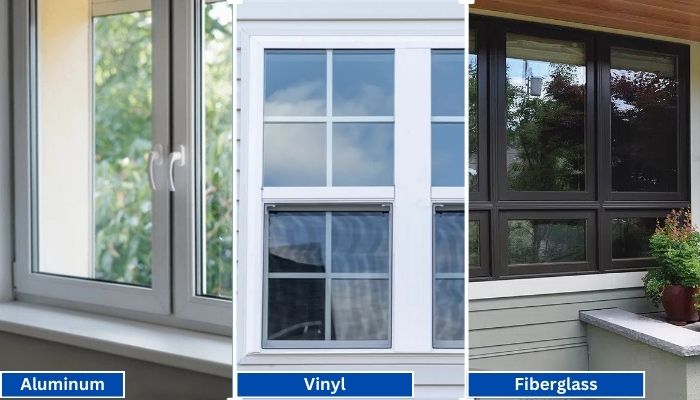
Vinyl generally has the shortest lead times because it is widely produced in standard configurations. Fiberglass is mid-range, especially for factory-painted colors.
Read More
PROUDLY CANADIAN COMPANY OWNED & OPERATED IN TORONTO SINCE 1989!
Vinyl generally has the shortest lead times because it is widely produced in standard configurations. Fiberglass is mid-range, especially for factory-painted colors.
Read More
Vinyl windows have become the go-to choice for homeowners in Toronto, thanks to their durability, energy efficiency, and low maintenance requirements. Whether you're upgrading your home for better insulation or enhancing
Read More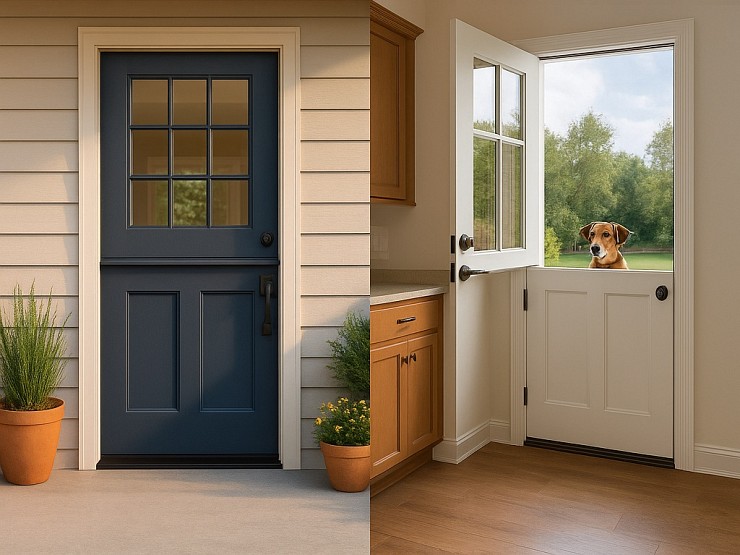
Thinking about changing your front door? A fiberglass Dutch door might have caught your eye. It’s not just a door. It’s part style statement, part smart functionality.
Read More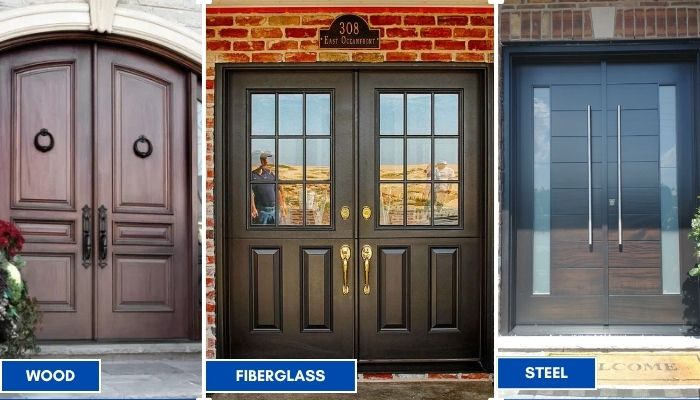
Thinking about replacing your front doors? Double doors are a bold upgrade. They look great, let in more light, and make moving big stuff easier. But the material you choose makes all the difference; especially here in Toronto.
Read More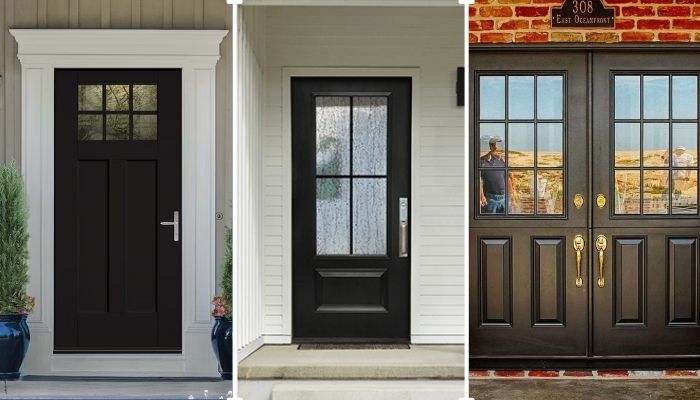
Thinking of giving your home that cozy, farmhouse charm? Let’s talk doors. Specifically, the fiberglass front doors in farmhouse style. You get the rustic look, without the rot, warping, or constant upkeep that comes with wood.
Read More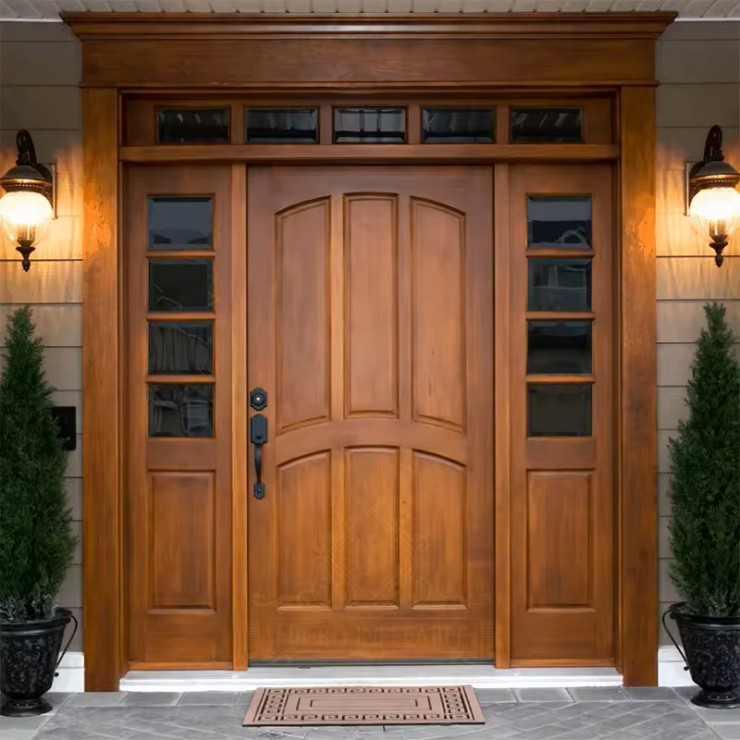
You want something that looks great, lasts long, and doesn’t stress you out with maintenance. You’re not alone. That’s exactly why more and more Toronto homeowners are choosing...
Read More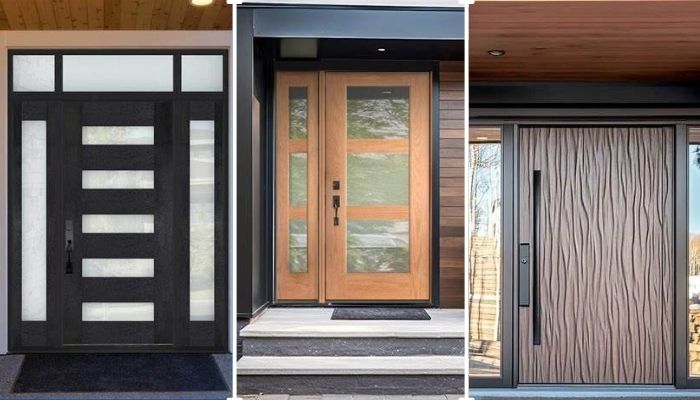
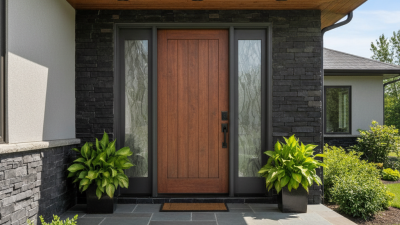
Thinking about replacing your front door? Let’s talk fiberglass. It's one of the smartest upgrades you can make, especially if you're living in Toronto. Whether your current door is drafty, outdated, or just plain boring.
Read More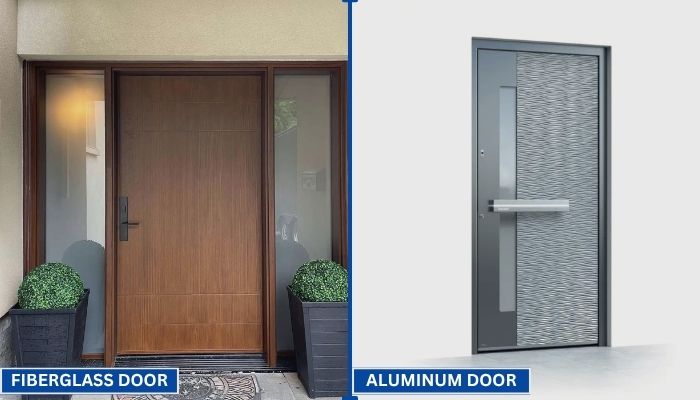
Your front door does more than just open and close. It protects your home, adds curb appeal, and helps control indoor temperature. That’s why picking the right door material matters.
Read More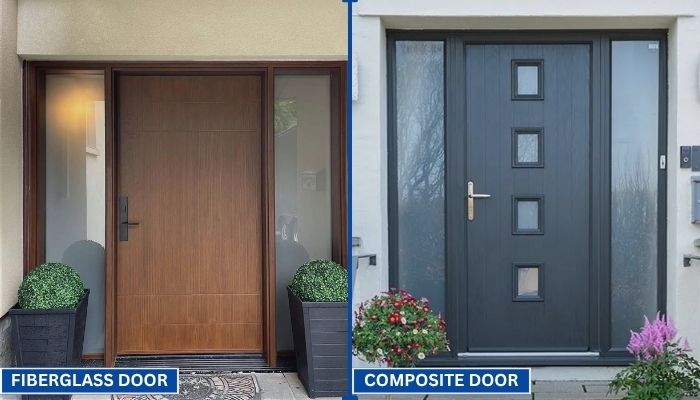
Choosing the right door can be confusing. You want something that looks good, lasts long, and keeps your home secure. Two of the most popular options today are fiberglass and composite doors.
Read More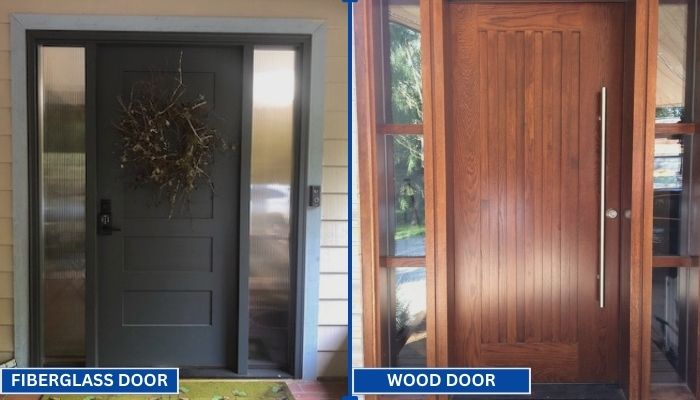
Replacing your front door is a big decision. Wood and fiberglass are two of the most popular materials for entry doors. Each has its own strengths in terms of style, durability, and maintenance. To help you choose the right one for your home, we have to go through a clear comparison.
Read MoreFinding the best window deals online requires more than chasing the lowest advertised price. A convincing discount may exclude installation, delivery, disposal, or essential hardware. Before comparing offers, measure each opening carefully, note the frame material, and identify the required glass type. A simple worksheet can prevent expensive mistakes. Record dimensions, energy ratings, warranty terms, and the final delivered price.
Building scientist Dr. Joseph Lstiburek is widely associated with the practical reminder, “Windows are holes in walls.” That short observation matters. A window affects comfort, noise, daylight, moisture control, and heating costs. Therefore, a cheap product may not be a genuine bargain if it leaks air or needs early replacement. Look for verified performance information, clear return policies, and installation guidance from established retailers or manufacturers. Customer reviews can reveal packaging damage, delayed deliveries, or confusing instructions. They are useful, but not perfect evidence.
Compare like with like.
An experienced buyer should request a written quote before paying. Ask whether the listed price includes trim, screens, flashing, taxes, and professional fitting. Check the warranty’s exclusions, especially for seal failure and installation errors. Online shopping is convenient, yet a browser cannot reveal every condition around your home. I would also admit one weakness in this approach: prices and promotions change quickly, while product pages may remain unclear. Recheck the details before ordering. The strongest window deals balance price, durability, energy performance, and dependable support—not simply the boldest percentage reduction.
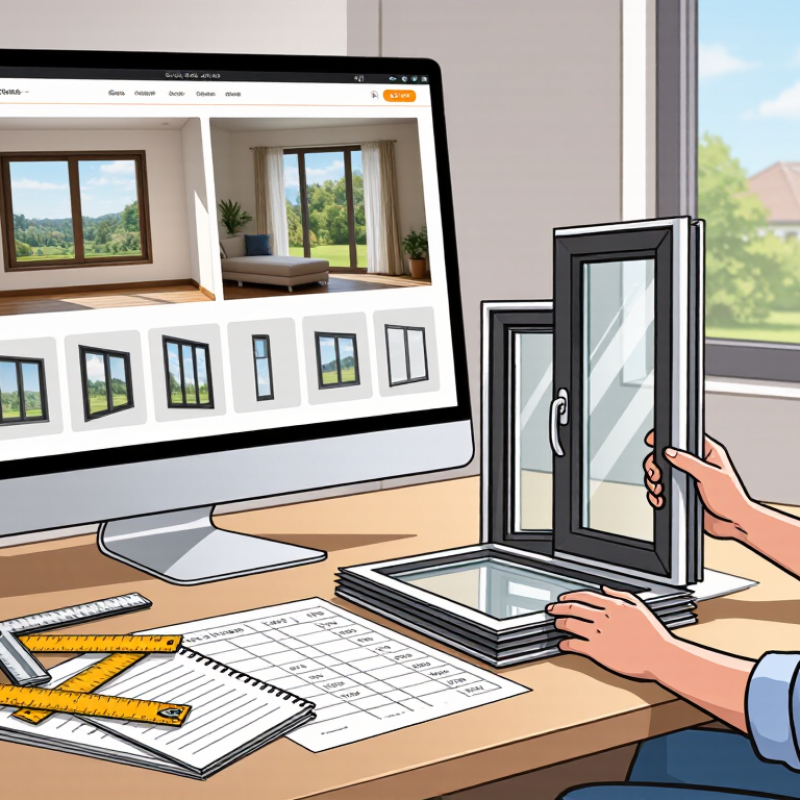
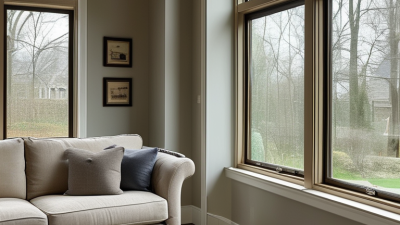
How to Find the Best Window Deals Online
Before opening shopping tabs, define what each room actually needs. A shaded north-facing bedroom may prioritize insulation, while a sunny west-facing room needs stronger solar control. The U.S. Department of Energy estimates that windows can cause 25% to 30% of residential heating and cooling energy use. That figure makes performance more important than a dramatic discount. Record rough opening dimensions, window style, frame material, and installation location. Measure twice. Online listings often show product prices without labor, delivery, disposal, or trim repairs. I once focused too heavily on the lowest quote. That was a mistake.
Set priorities using measurable labels. Compare U-factor for insulation, solar heat gain coefficient for sunlight control, and air leakage for draft resistance. The National Fenestration Rating Council explains these ratings through standardized certification, helping shoppers compare products consistently. Look for an independent label, not vague phrases like “maximum efficiency.” The U.S. Environmental Protection Agency’s ENERGY STAR guidance also recommends selecting products suited to local climate conditions. Ask for the complete installed price and written warranty terms. Check whether installation includes flashing and sealing around the frame. Small gaps can defeat expensive glass. Some online deals look excellent until these details appear. Allow room for doubt, and compare at least three detailed estimates before paying a deposit.


We’ll Come To You!
Quality New Windows & Doors. Competitively Priced!
Christine R.
Please, enter a valid value