
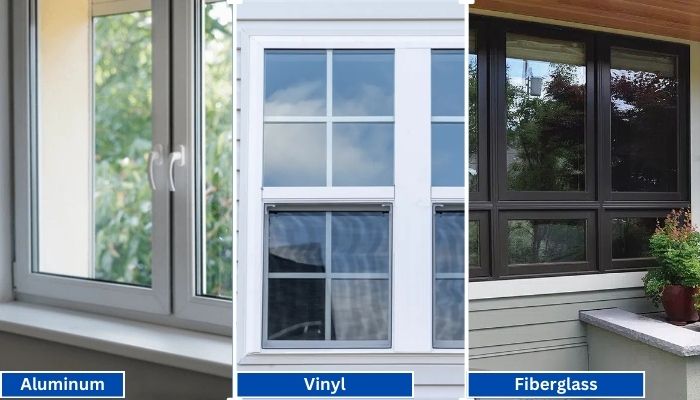
Vinyl generally has the shortest lead times because it is widely produced in standard configurations. Fiberglass is mid-range, especially for factory-painted colors.
Read More
PROUDLY CANADIAN COMPANY OWNED & OPERATED IN TORONTO SINCE 1989!
Vinyl generally has the shortest lead times because it is widely produced in standard configurations. Fiberglass is mid-range, especially for factory-painted colors.
Read More
Vinyl windows have become the go-to choice for homeowners in Toronto, thanks to their durability, energy efficiency, and low maintenance requirements. Whether you're upgrading your home for better insulation or enhancing
Read More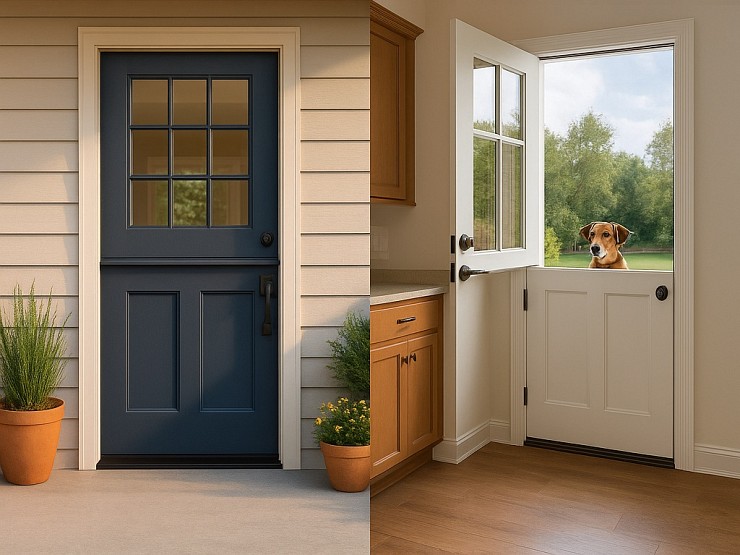
Thinking about changing your front door? A fiberglass Dutch door might have caught your eye. It’s not just a door. It’s part style statement, part smart functionality.
Read More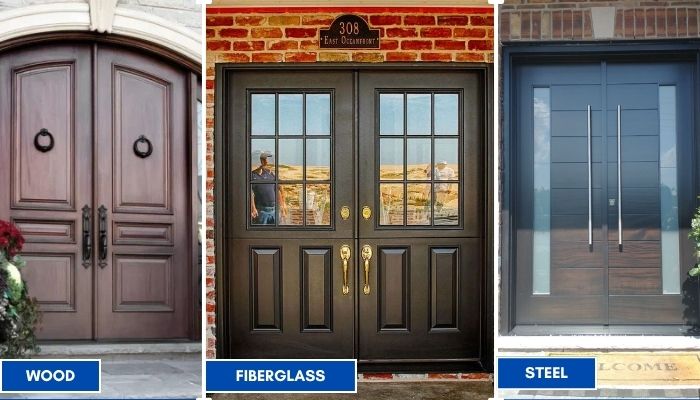
Thinking about replacing your front doors? Double doors are a bold upgrade. They look great, let in more light, and make moving big stuff easier. But the material you choose makes all the difference; especially here in Toronto.
Read More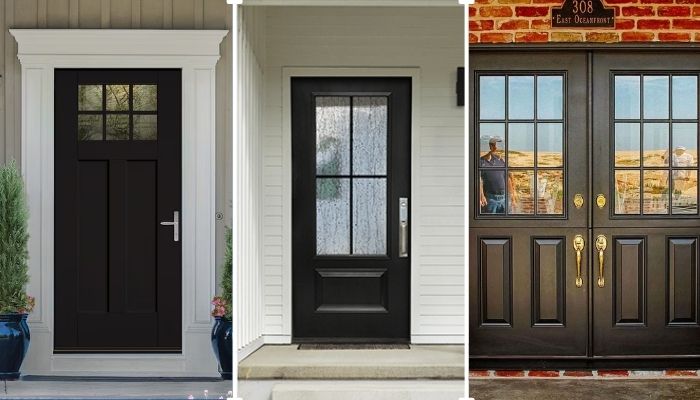
Thinking of giving your home that cozy, farmhouse charm? Let’s talk doors. Specifically, the fiberglass front doors in farmhouse style. You get the rustic look, without the rot, warping, or constant upkeep that comes with wood.
Read More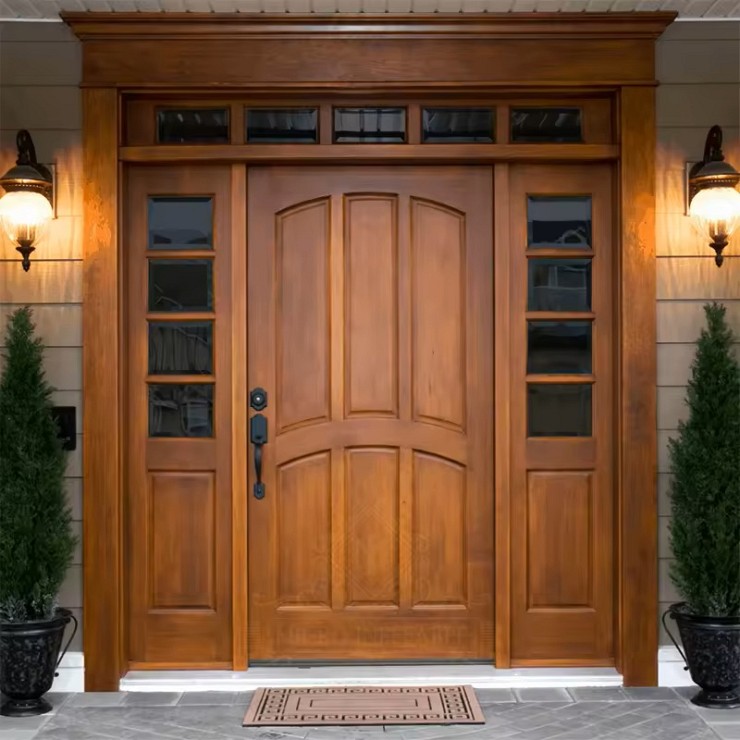
You want something that looks great, lasts long, and doesn’t stress you out with maintenance. You’re not alone. That’s exactly why more and more Toronto homeowners are choosing...
Read More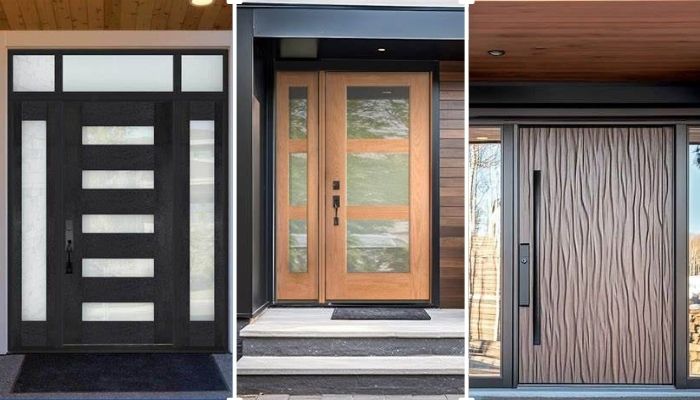
Thinking about replacing your front door? Let’s talk fiberglass. It's one of the smartest upgrades you can make, especially if you're living in Toronto. Whether your current door is drafty, outdated, or just plain boring.
Read More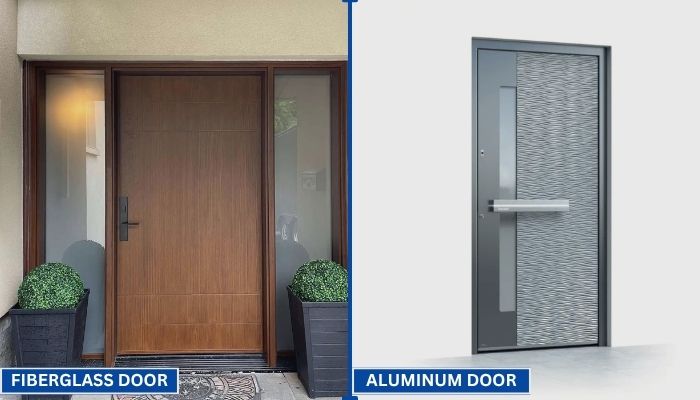
Your front door does more than just open and close. It protects your home, adds curb appeal, and helps control indoor temperature. That’s why picking the right door material matters.
Read More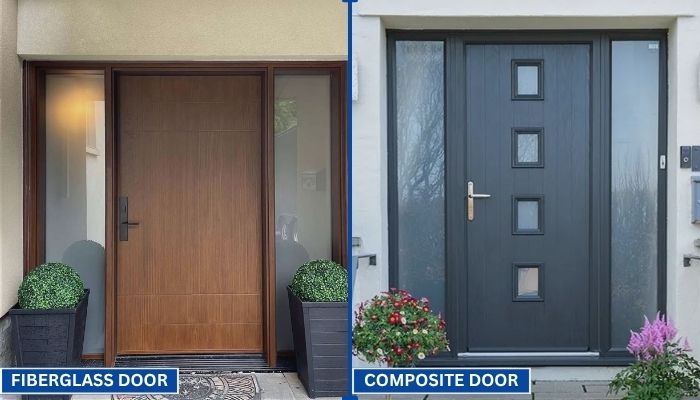
Choosing the right door can be confusing. You want something that looks good, lasts long, and keeps your home secure. Two of the most popular options today are fiberglass and composite doors.
Read More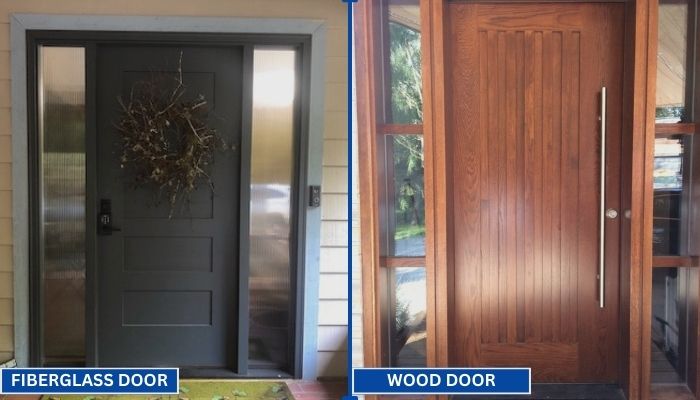
Replacing your front door is a big decision. Wood and fiberglass are two of the most popular materials for entry doors. Each has its own strengths in terms of style, durability, and maintenance. To help you choose the right one for your home, we have to go through a clear comparison.
Read MoreChoosing fiberglass exterior doors in 2026 requires more than comparing colors and showroom prices. A door should resist weather, reduce air leakage, and suit the building’s entrance conditions. The U.S. Department of Energy explains that poorly sealed openings can increase heating and cooling demand. That makes the frame, weatherstripping, glass, and installation as important as the door slab. The door is only one part.
Industry reports also show why this category deserves careful attention. Freedonia’s U.S. Windows and Doors research identifies remodeling and replacement activity as major demand drivers. Grand View Research likewise highlights durability, energy performance, and residential renovation as important factors in the fiberglass doors market. These reports describe broad market patterns, not guarantees for every home. Local climate still matters more than a generic sales claim.
Look for published U-factor, solar heat gain coefficient, and air-leakage information. The National Fenestration Rating Council provides standardized performance labels for comparing tested products. ENERGY STAR guidance can also help identify efficient door assemblies, although certification requirements may change in 2026. Check the current label.
A coastal entrance may need corrosion-resistant hardware and strict water-management details. A shaded northern doorway may benefit more from insulation and airtight installation. Measure the rough opening carefully. A beautiful slab cannot correct a poorly prepared frame. I have to admit that product brochures often simplify real performance; installation quality, maintenance, and exposure can overturn laboratory results. This guide examines materials, ratings, security features, maintenance needs, and lifecycle value before recommending fiberglass exterior doors for different homes.
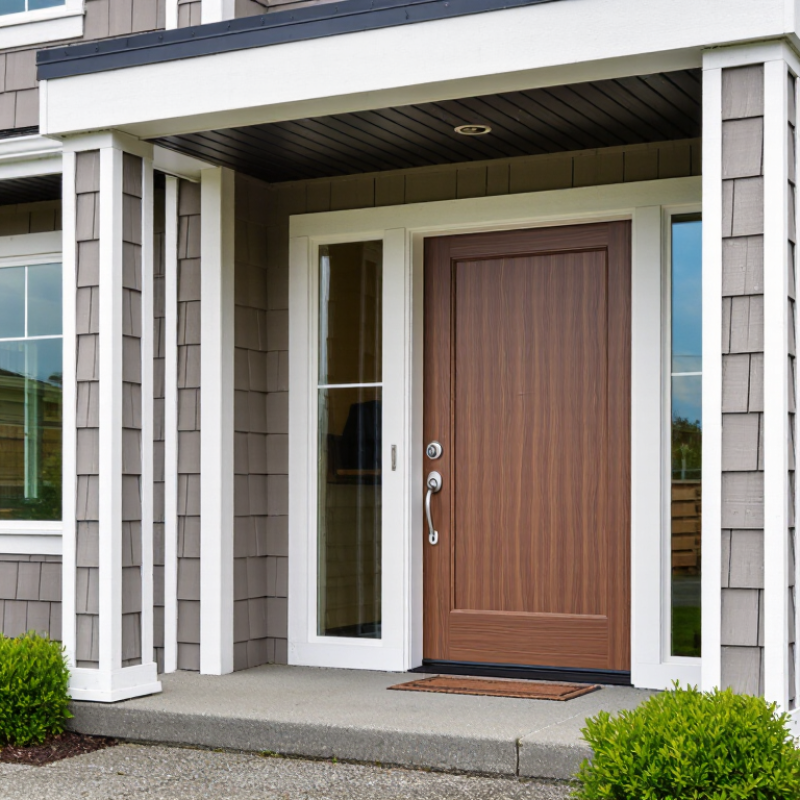
Then check the NFRC label. Its U-factor measures heat transfer through the complete door assembly. A lower number usually means better insulation. Compare doors with similar glass areas, sizes, and configurations. A solid fiberglass slab may show a better rating than a door with large decorative glazing. Glass changes the result quickly.
Look beyond the slab. Inspect the insulated core, frame, sill, weatherstripping, and glass package. Poor installation can weaken an excellent rating. I have seen doors with impressive specifications leak air because the threshold was uneven. That shortcut was expensive. Measure twice. Ask for the tested whole-unit rating, not a marketing claim.
Your climate zone should guide the target U-factor, but local exposure matters too. A shaded northern entry may perform differently from a sunny western entrance. Use the NFRC label as reliable evidence, then review manufacturer documentation and installation instructions. I would also check the door after one winter. Numbers help, but real comfort can reveal overlooked problems.


We’ll Come To You!
Quality New Windows & Doors. Competitively Priced!
Christine R.
Please, enter a valid value