
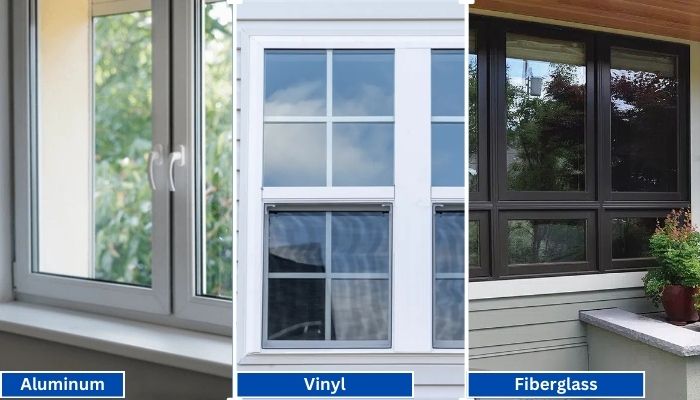
Vinyl generally has the shortest lead times because it is widely produced in standard configurations. Fiberglass is mid-range, especially for factory-painted colors.
Read More
PROUDLY CANADIAN COMPANY OWNED & OPERATED IN TORONTO SINCE 1989!
Vinyl generally has the shortest lead times because it is widely produced in standard configurations. Fiberglass is mid-range, especially for factory-painted colors.
Read More
Vinyl windows have become the go-to choice for homeowners in Toronto, thanks to their durability, energy efficiency, and low maintenance requirements. Whether you're upgrading your home for better insulation or enhancing
Read More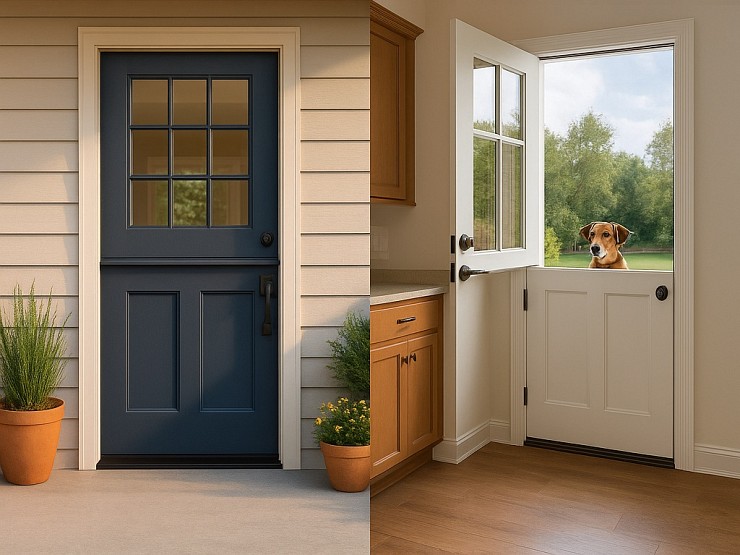
Thinking about changing your front door? A fiberglass Dutch door might have caught your eye. It’s not just a door. It’s part style statement, part smart functionality.
Read More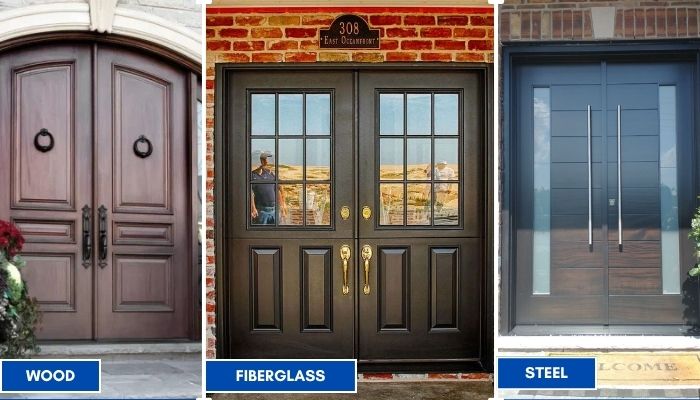
Thinking about replacing your front doors? Double doors are a bold upgrade. They look great, let in more light, and make moving big stuff easier. But the material you choose makes all the difference; especially here in Toronto.
Read More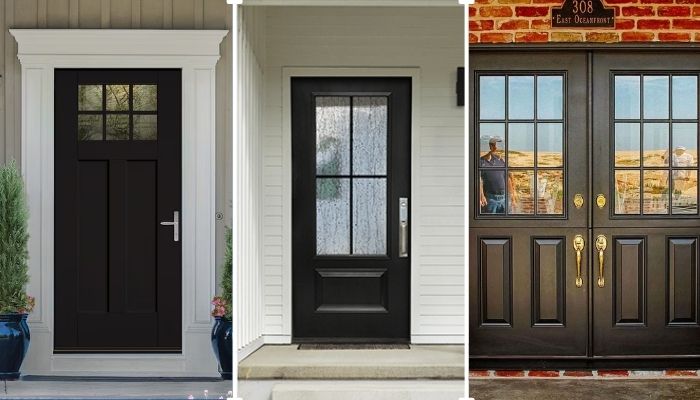
Thinking of giving your home that cozy, farmhouse charm? Let’s talk doors. Specifically, the fiberglass front doors in farmhouse style. You get the rustic look, without the rot, warping, or constant upkeep that comes with wood.
Read More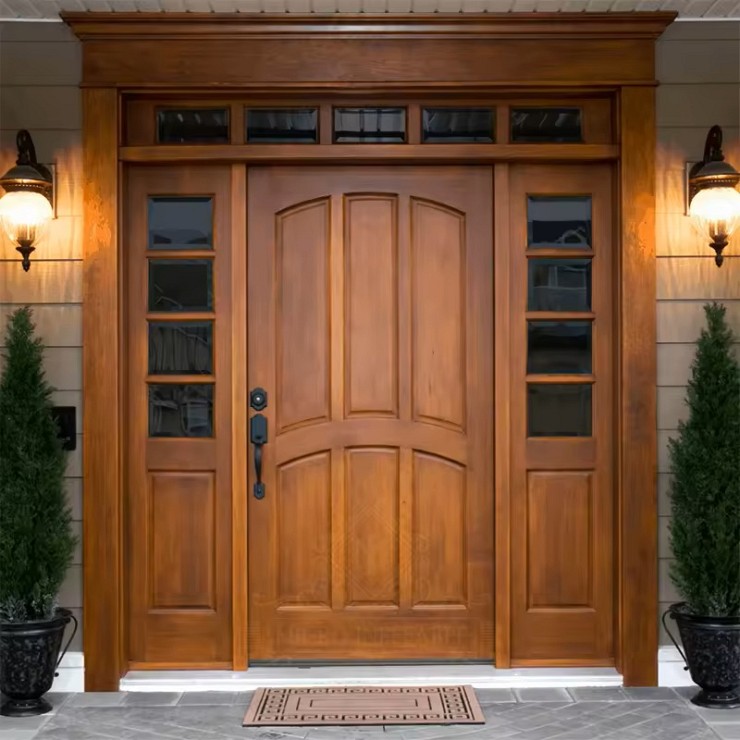
You want something that looks great, lasts long, and doesn’t stress you out with maintenance. You’re not alone. That’s exactly why more and more Toronto homeowners are choosing...
Read More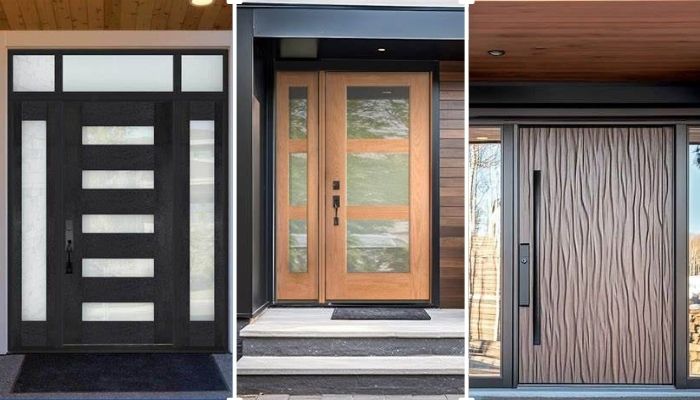
Thinking about replacing your front door? Let’s talk fiberglass. It's one of the smartest upgrades you can make, especially if you're living in Toronto. Whether your current door is drafty, outdated, or just plain boring.
Read More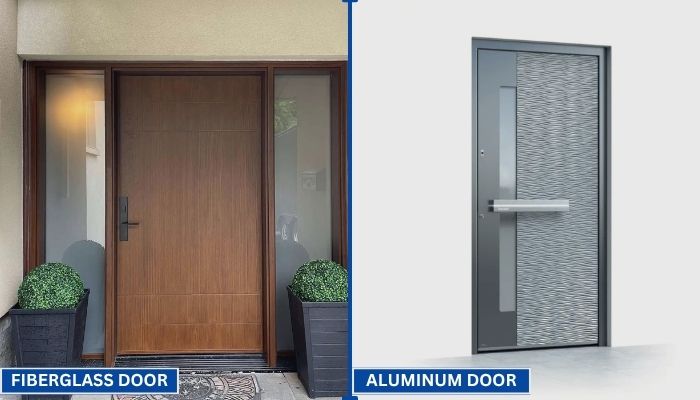
Your front door does more than just open and close. It protects your home, adds curb appeal, and helps control indoor temperature. That’s why picking the right door material matters.
Read More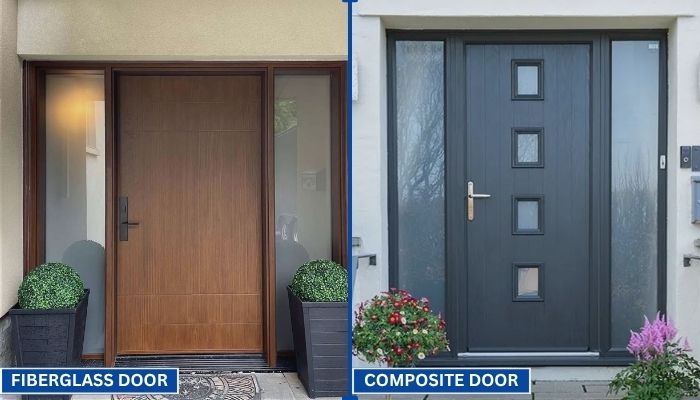
Choosing the right door can be confusing. You want something that looks good, lasts long, and keeps your home secure. Two of the most popular options today are fiberglass and composite doors.
Read More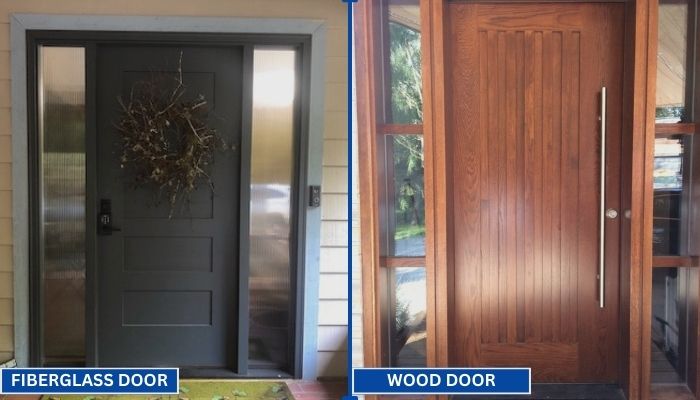
Replacing your front door is a big decision. Wood and fiberglass are two of the most popular materials for entry doors. Each has its own strengths in terms of style, durability, and maintenance. To help you choose the right one for your home, we have to go through a clear comparison.
Read MoreChoosing steel entry doors in 2026 means weighing security, insulation, durability, and appearance together. A thick steel skin may look reassuring, but the complete door system matters more. The frame, hinges, weatherstripping, lock preparation, and installation all affect everyday performance. Details count.
This guide follows practical advice from “Evan Brooks,” a fictional composite representing common field experience; his words are illustrative, not a verified interview. “A steel door is only as dependable as its frame, fit, and finish.” Treat that as a useful reminder, not a guarantee. A poorly fitted door can admit drafts, rub against the threshold, or leave uneven gaps around the latch. And even a quality finish needs care, especially where rain, salt, or frequent contact can wear it down.
The sections ahead will help you compare core construction, insulation values, finishes, hardware, and installation needs. You’ll learn which specifications deserve attention and which sales claims need a closer look. For example, a smooth-closing door should meet the frame evenly, while its weatherstripping compresses without making the latch difficult to operate. Small checks. Real consequences. Product labels can help, but they cannot replace accurate measurements or sound installation. This outline also leaves room for a less convenient truth: no single model suits every home. Climate, exposure, budget, and daily use change the right choice. Before buying, compare documented specifications and ask a qualified installer to assess your existing frame.
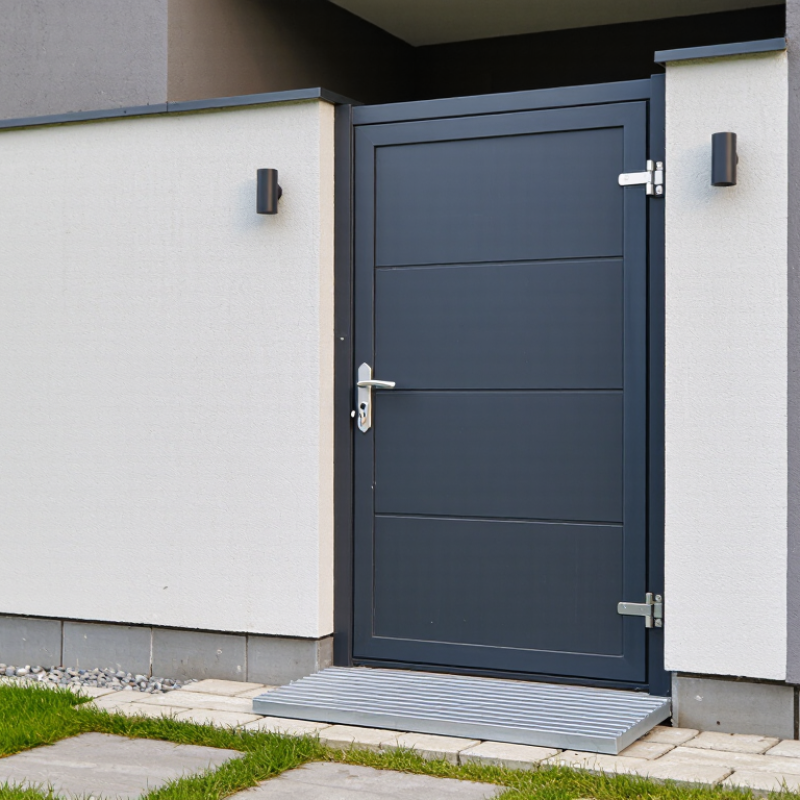
Before comparing steel entry doors, observe how your doorway works on an ordinary day. Measure the opening at several points, along with jamb depth, threshold height, and swing clearance. A tape measure may reveal an opening that is slightly out of square. It happens.
Consider the entrance’s exposure. A sheltered porch and a wind-facing doorway place different demands on seals and finishes. If drafts are common, compare insulated core construction, thermal breaks, and adjustable weatherstripping. Ask for documented performance figures, such as U-factor, rather than relying only on broad energy-efficiency claims. These figures help, but installation quality matters too. A well-insulated door can still perform poorly in a leaky frame.
Match the door to daily routines and the home’s layout. A busy household may prioritize a durable finish, while a narrow hall makes swing direction and handle placement especially important. Decide how much daylight and privacy you want before choosing glass. Check hinge side, lock preparation, and measurements before ordering, and confirm any local requirements that apply to the opening. Appearance can dominate the decision, though that is not always wise. A door that catches on the entry mat becomes a daily frustration.

We’ll Come To You!
Quality New Windows & Doors. Competitively Priced!
Christine R.
Please, enter a valid value