
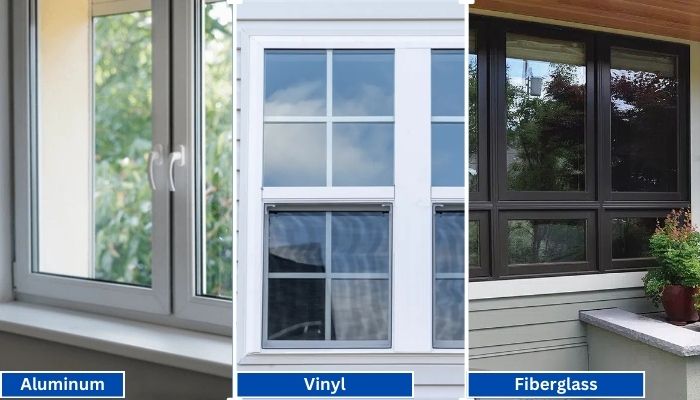
Vinyl generally has the shortest lead times because it is widely produced in standard configurations. Fiberglass is mid-range, especially for factory-painted colors.
Read More
PROUDLY CANADIAN COMPANY OWNED & OPERATED IN TORONTO SINCE 1989!
Vinyl generally has the shortest lead times because it is widely produced in standard configurations. Fiberglass is mid-range, especially for factory-painted colors.
Read More
Vinyl windows have become the go-to choice for homeowners in Toronto, thanks to their durability, energy efficiency, and low maintenance requirements. Whether you're upgrading your home for better insulation or enhancing
Read More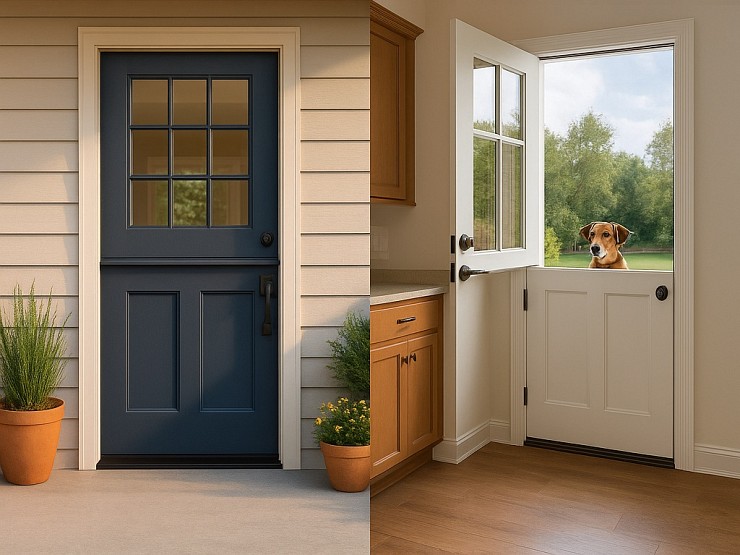
Thinking about changing your front door? A fiberglass Dutch door might have caught your eye. It’s not just a door. It’s part style statement, part smart functionality.
Read More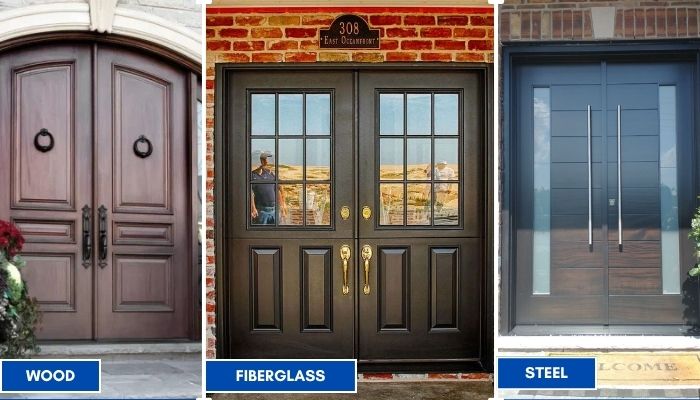
Thinking about replacing your front doors? Double doors are a bold upgrade. They look great, let in more light, and make moving big stuff easier. But the material you choose makes all the difference; especially here in Toronto.
Read More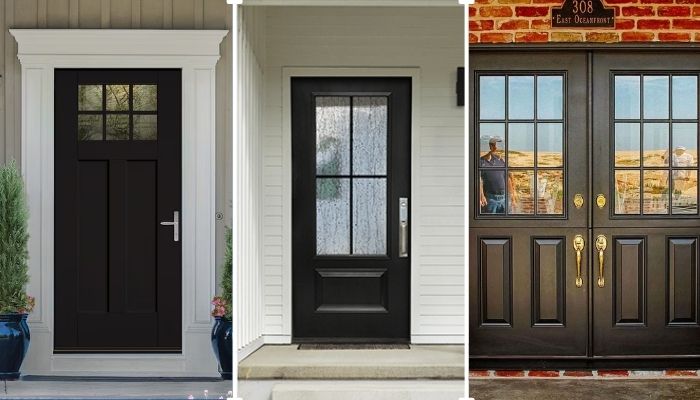
Thinking of giving your home that cozy, farmhouse charm? Let’s talk doors. Specifically, the fiberglass front doors in farmhouse style. You get the rustic look, without the rot, warping, or constant upkeep that comes with wood.
Read More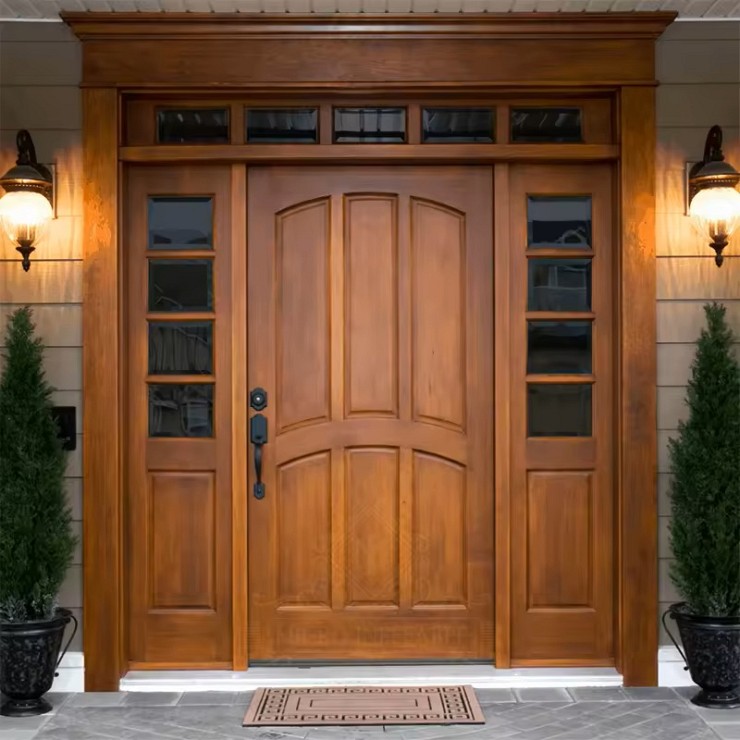
You want something that looks great, lasts long, and doesn’t stress you out with maintenance. You’re not alone. That’s exactly why more and more Toronto homeowners are choosing...
Read More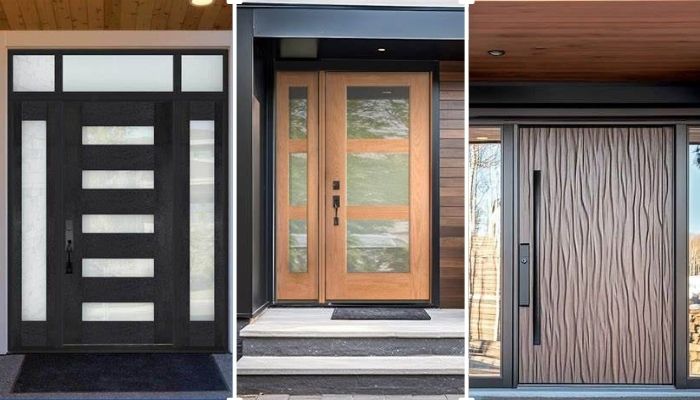
Thinking about replacing your front door? Let’s talk fiberglass. It's one of the smartest upgrades you can make, especially if you're living in Toronto. Whether your current door is drafty, outdated, or just plain boring.
Read More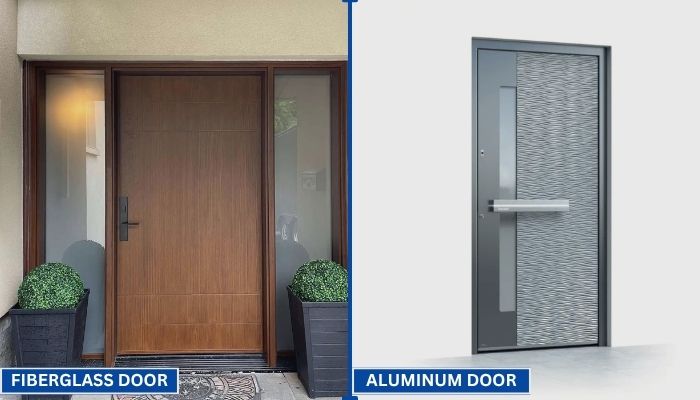
Your front door does more than just open and close. It protects your home, adds curb appeal, and helps control indoor temperature. That’s why picking the right door material matters.
Read More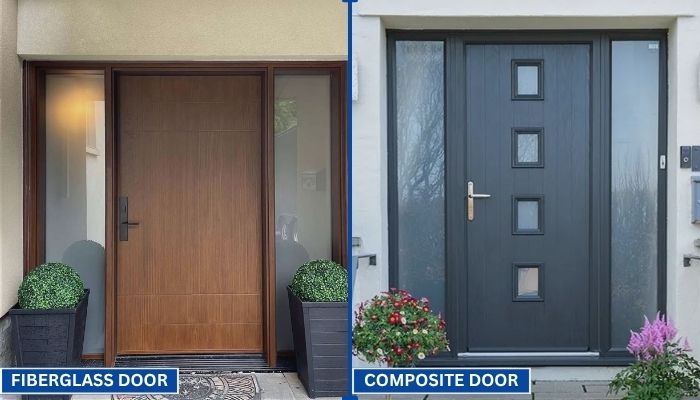
Choosing the right door can be confusing. You want something that looks good, lasts long, and keeps your home secure. Two of the most popular options today are fiberglass and composite doors.
Read More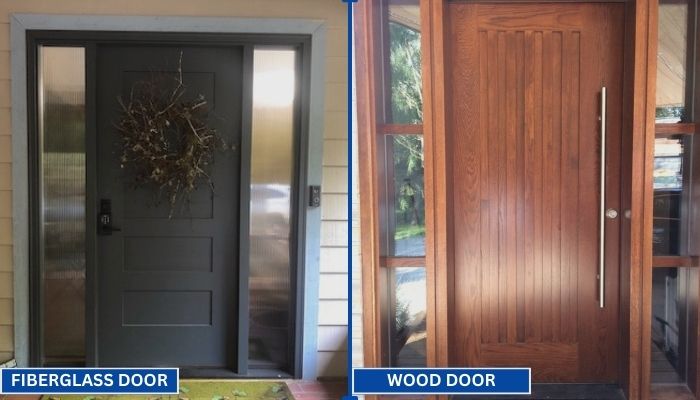
Replacing your front door is a big decision. Wood and fiberglass are two of the most popular materials for entry doors. Each has its own strengths in terms of style, durability, and maintenance. To help you choose the right one for your home, we have to go through a clear comparison.
Read MoreChoosing an exterior front door manufacturer in China requires more than comparing catalog prices. The right partner must balance security, weather resistance, finish quality, and dependable production. Steel, aluminum, and engineered wood each suit different climates and building styles. A heavy door is not automatically a better door.
Details matter. Frame depth, hinge placement, seals, and hardware can affect installation and daily use. Glass inserts may brighten an entry, but they also change privacy and thermal performance. These choices deserve careful discussion before a specification is approved.
This guide examines Chinese manufacturers through practical criteria, including product range, material options, customization, quality controls, and export support. It does not assume that one company suits every project. A reliable comparison looks at documented specifications, sample consistency, and clear communication—not polished product photos alone. Buyers should request current certificates where relevant, confirm what each document covers, and check references for similar projects. Factory visits or independent inspections may also help, depending on order size and risk.
Ask for precise details. A factory’s ability to explain tolerances, packaging, lead times, and after-sales procedures can reveal more than a broad promise of quality. Not every claim holds up under scrutiny. That hesitation is useful. The strongest manufacturer for a residential renovation may differ from the best fit for a large commercial order. The sections ahead offer a grounded way to identify potential suppliers and ask better questions before committing.
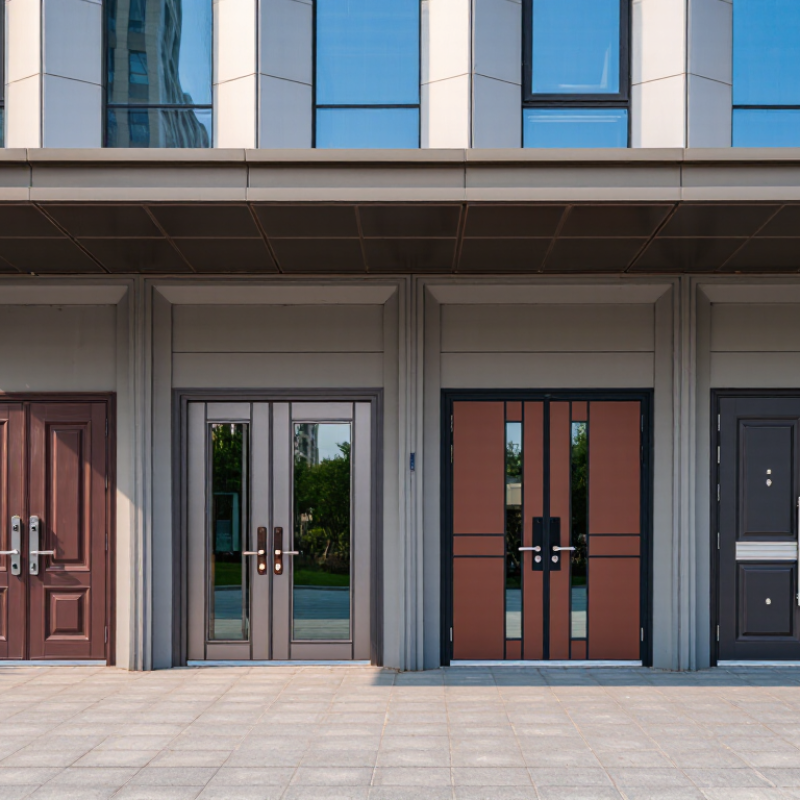
GB 17565-2007 helped give China’s anti-theft security door sector a shared technical reference. It sets requirements for door construction and resistance to forced entry. In practical terms, evaluation can involve the door leaf, frame, locking points, hinges, and testing methods. A thick-looking steel panel alone does not prove performance. Details matter.
GB 17565-2007 also offers a way to compare products beyond finish and price. Yet it is an older edition, so purchasers and importers should verify which current requirements apply to a specific product. Installation matters, too: a strong door fitted into a weak opening may underperform. That part is easy to overlook. Chinese manufacturers differ in materials, testing practices, and quality control, so one standard cannot tell the whole story. I would still inspect the frame, lock operation, and installation records before making a decision.
We’ll Come To You!
Quality New Windows & Doors. Competitively Priced!
Christine R.
Please, enter a valid value