
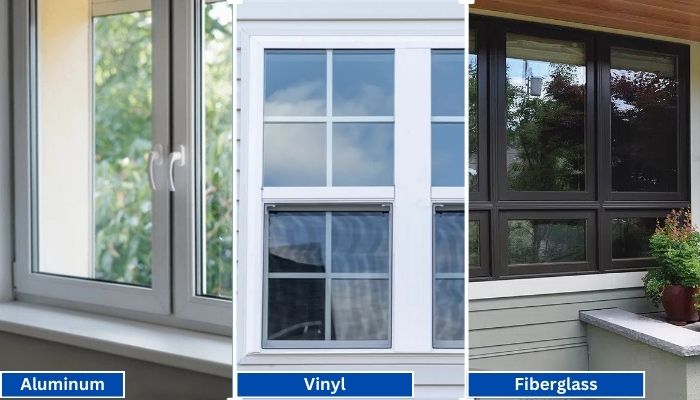
Vinyl generally has the shortest lead times because it is widely produced in standard configurations. Fiberglass is mid-range, especially for factory-painted colors.
Read More
PROUDLY CANADIAN COMPANY OWNED & OPERATED IN TORONTO SINCE 1989!
Vinyl generally has the shortest lead times because it is widely produced in standard configurations. Fiberglass is mid-range, especially for factory-painted colors.
Read More
Vinyl windows have become the go-to choice for homeowners in Toronto, thanks to their durability, energy efficiency, and low maintenance requirements. Whether you're upgrading your home for better insulation or enhancing
Read More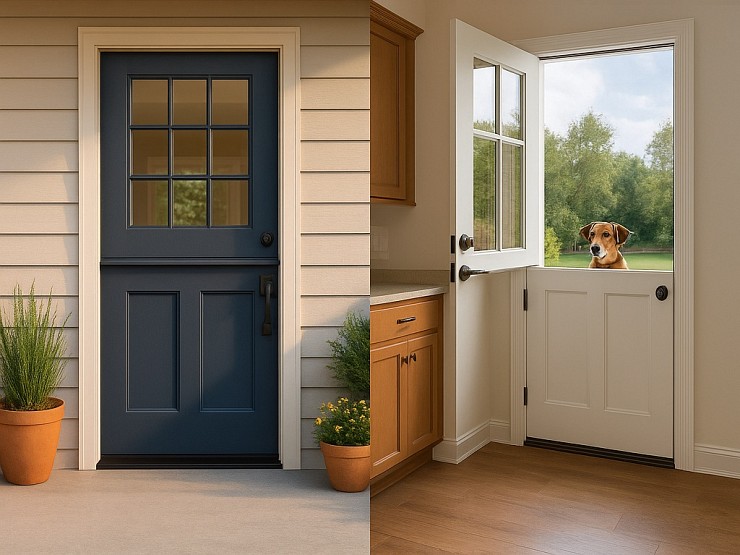
Thinking about changing your front door? A fiberglass Dutch door might have caught your eye. It’s not just a door. It’s part style statement, part smart functionality.
Read More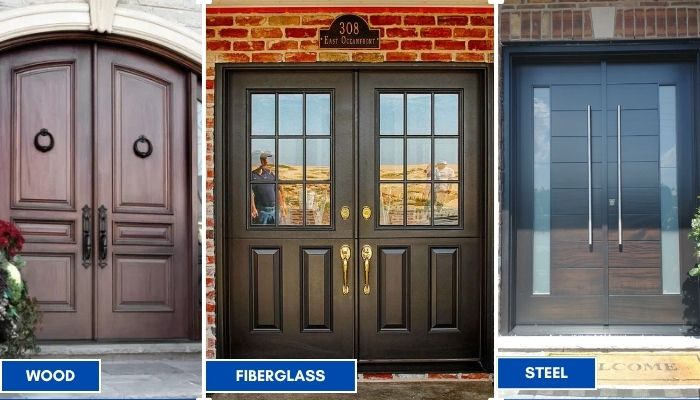
Thinking about replacing your front doors? Double doors are a bold upgrade. They look great, let in more light, and make moving big stuff easier. But the material you choose makes all the difference; especially here in Toronto.
Read More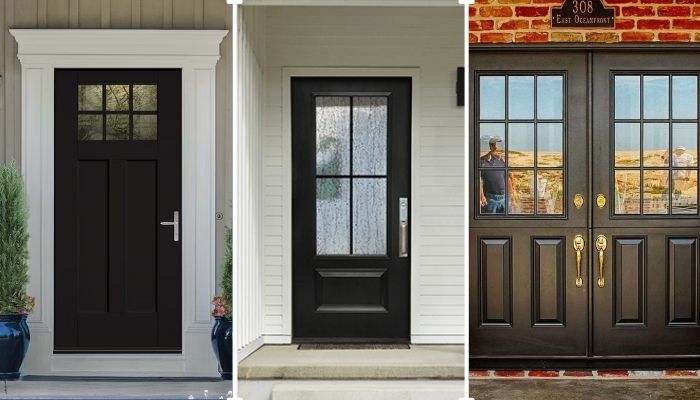
Thinking of giving your home that cozy, farmhouse charm? Let’s talk doors. Specifically, the fiberglass front doors in farmhouse style. You get the rustic look, without the rot, warping, or constant upkeep that comes with wood.
Read More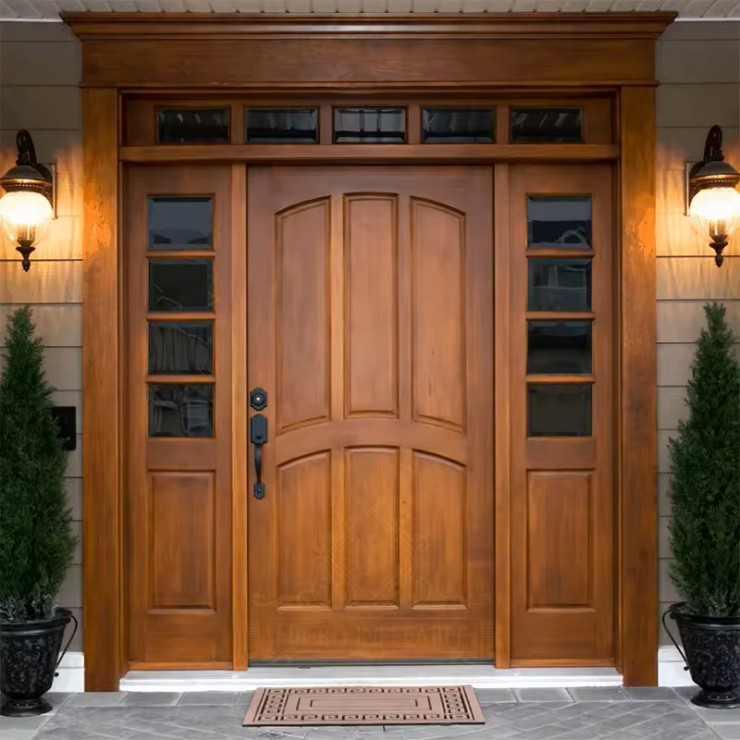
You want something that looks great, lasts long, and doesn’t stress you out with maintenance. You’re not alone. That’s exactly why more and more Toronto homeowners are choosing...
Read More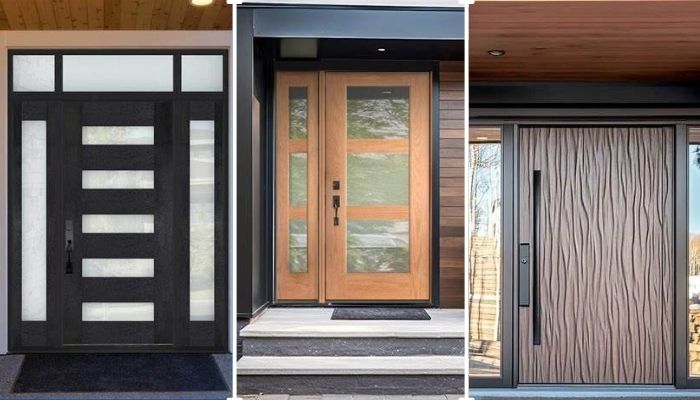
Thinking about replacing your front door? Let’s talk fiberglass. It's one of the smartest upgrades you can make, especially if you're living in Toronto. Whether your current door is drafty, outdated, or just plain boring.
Read More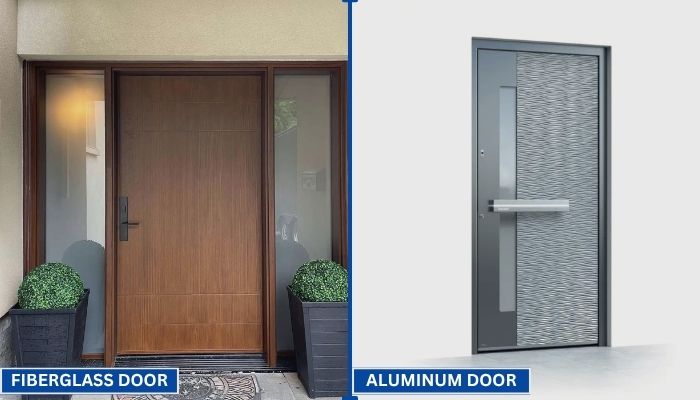
Your front door does more than just open and close. It protects your home, adds curb appeal, and helps control indoor temperature. That’s why picking the right door material matters.
Read More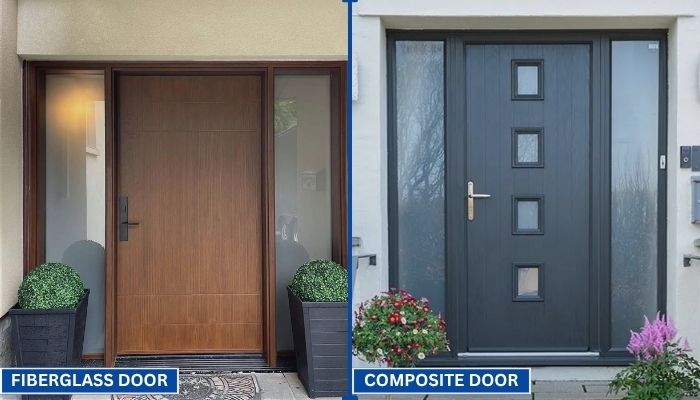
Choosing the right door can be confusing. You want something that looks good, lasts long, and keeps your home secure. Two of the most popular options today are fiberglass and composite doors.
Read More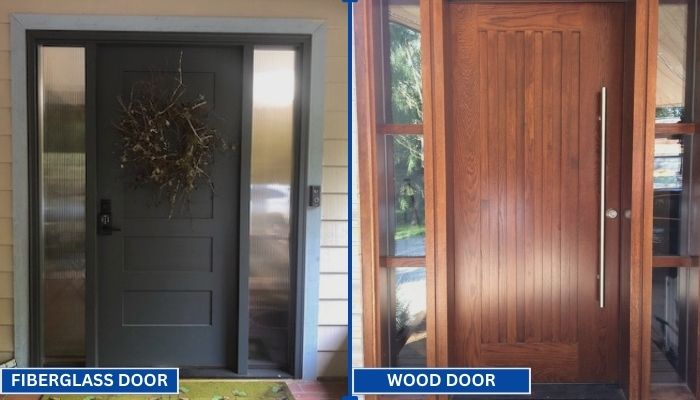
Replacing your front door is a big decision. Wood and fiberglass are two of the most popular materials for entry doors. Each has its own strengths in terms of style, durability, and maintenance. To help you choose the right one for your home, we have to go through a clear comparison.
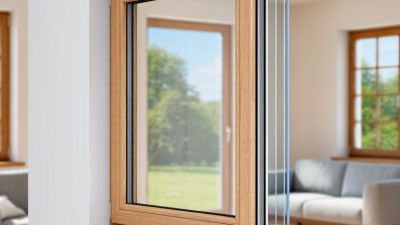
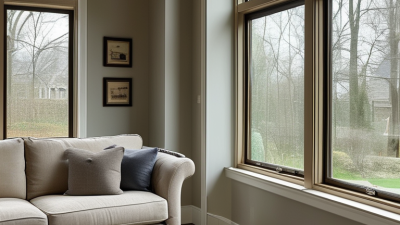
Read MoreChoosing the best picture window from China requires more than comparing frame prices. It requires evidence, accurate measurements, and practical judgment. A large fixed glass unit can brighten a living room, frame a garden, and reduce visual barriers. Yet its performance depends on glass configuration, frame material, installation quality, and local climate.
The U.S. Department of Energy reports that windows can represent 25%–30% of residential heating and cooling energy use. That figure makes U-factor and solar heat gain coefficient important selection points. The National Fenestration Rating Council explains these values through standardized product labels. A lower U-factor generally improves insulation, while suitable SHGC can manage unwanted summer heat. For a picture window, low-e glass, warm-edge spacers, and insulated frames deserve close attention. They are not decorative details.
Chinese manufacturers should also provide test evidence, factory quality records, and clear warranty terms. GB/T 8478-2020, China’s standard for building exterior windows, offers a useful technical reference. However, a certificate alone does not guarantee a successful project. Site dimensions, drainage details, wall conditions, and packaging protection still matter. I have seen attractive samples fail because the opening was measured too quickly. That mistake is expensive.
This guide will examine glass options, thermal ratings, wind resistance, customization, supplier verification, and installation support. It will also compare factory claims with recognized testing requirements. Some recommendations may need adjustment. Coastal air, cold winters, strong sunlight, and high-rise exposure create different priorities. The best picture window is not always the largest or cheapest. It is the one that performs reliably in its actual building, climate, and daily use.
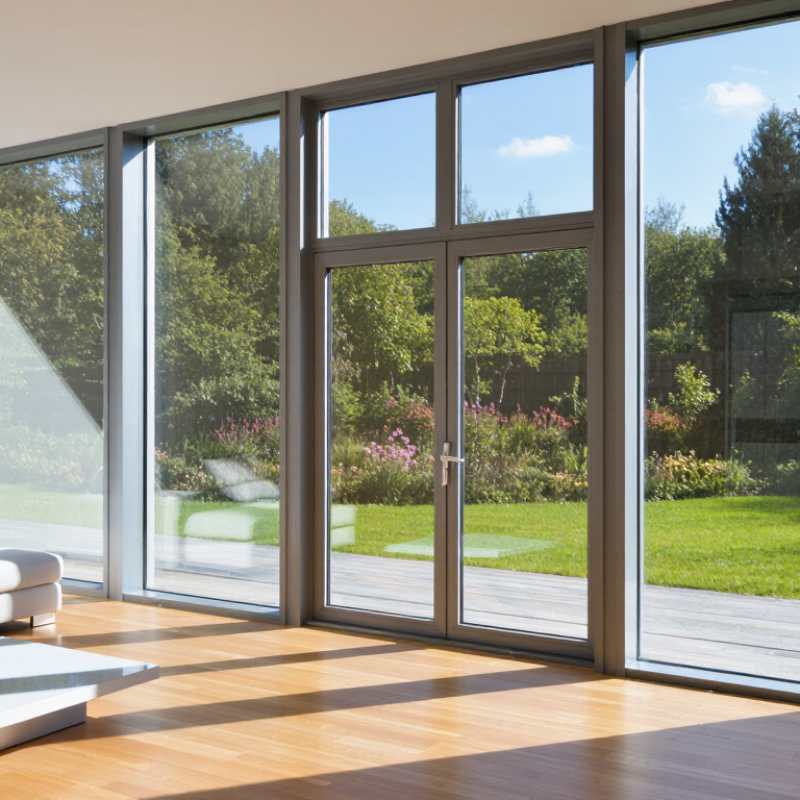
A picture window is a large, fixed window designed for clear outdoor views. It has no opening sash, so its frame contains fewer moving parts. This design can improve daylight, sightlines, and air tightness. According to the U.S. Department of Energy, windows may cause 25% to 30% of residential heating and cooling energy use. Glass selection therefore matters, especially in large openings.
Chinese manufacturers can offer flexible sizes, laminated glass, insulated units, and several frame materials. Their advantage is often production scale and customization. Yet price alone should never guide the decision. Request thermal-performance data, including U-value, solar heat gain coefficient, and visible transmittance. The National Fenestration Rating Council identifies these values as essential for comparing window performance. Ask for test reports from accredited laboratories, not only factory statements.
A reliable supplier should explain glass thickness, spacer type, drainage design, and installation tolerances. Check whether the window follows recognized standards, such as those referenced by ISO or local building codes. Review sample corners and hardware before approving bulk production. Small defects become obvious on a wide glass surface. A low quote can look attractive. It may hide thinner frames or weaker seals. No checklist is perfect, and I would still arrange independent inspection before shipment. Good sourcing also includes packaging tests, replacement terms, and clear drawings. Picture windows look simple, but their performance depends on many details.

We’ll Come To You!
Quality New Windows & Doors. Competitively Priced!
Christine R.
Please, enter a valid value