
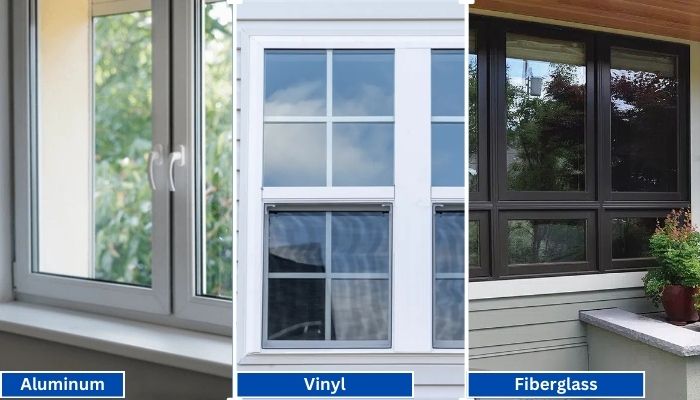
Vinyl generally has the shortest lead times because it is widely produced in standard configurations. Fiberglass is mid-range, especially for factory-painted colors.
Read More
PROUDLY CANADIAN COMPANY OWNED & OPERATED IN TORONTO SINCE 1989!
Vinyl generally has the shortest lead times because it is widely produced in standard configurations. Fiberglass is mid-range, especially for factory-painted colors.
Read More
Vinyl windows have become the go-to choice for homeowners in Toronto, thanks to their durability, energy efficiency, and low maintenance requirements. Whether you're upgrading your home for better insulation or enhancing
Read More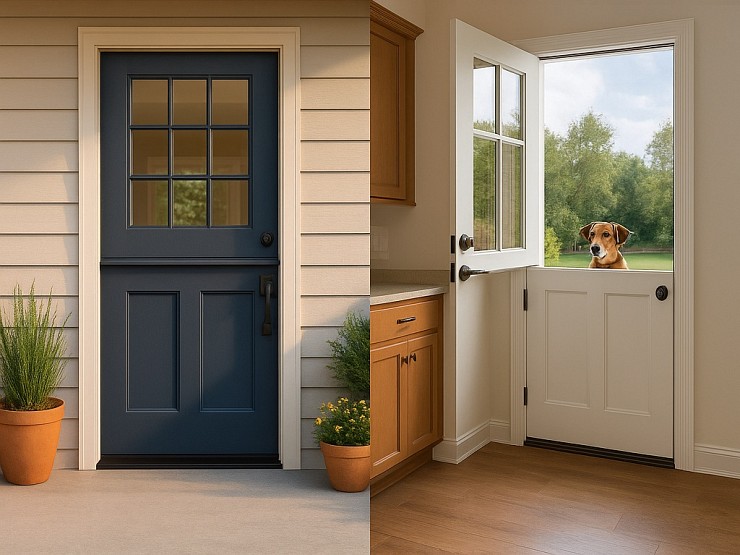
Thinking about changing your front door? A fiberglass Dutch door might have caught your eye. It’s not just a door. It’s part style statement, part smart functionality.
Read More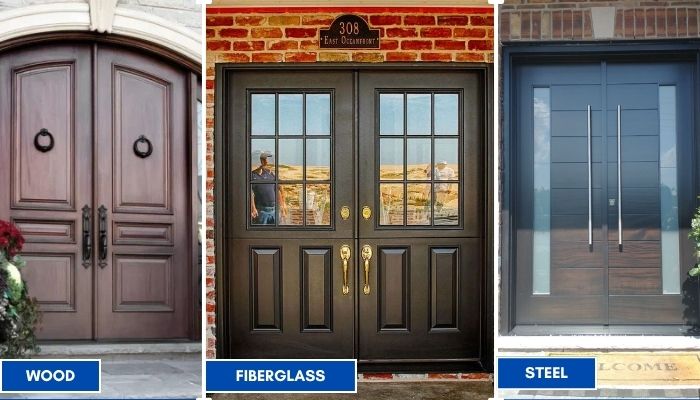
Thinking about replacing your front doors? Double doors are a bold upgrade. They look great, let in more light, and make moving big stuff easier. But the material you choose makes all the difference; especially here in Toronto.
Read More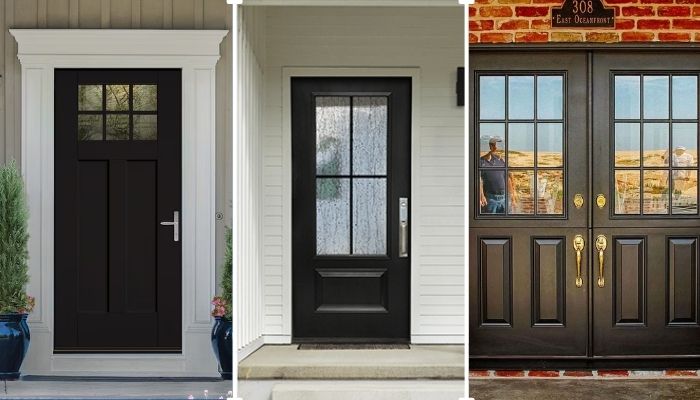
Thinking of giving your home that cozy, farmhouse charm? Let’s talk doors. Specifically, the fiberglass front doors in farmhouse style. You get the rustic look, without the rot, warping, or constant upkeep that comes with wood.
Read More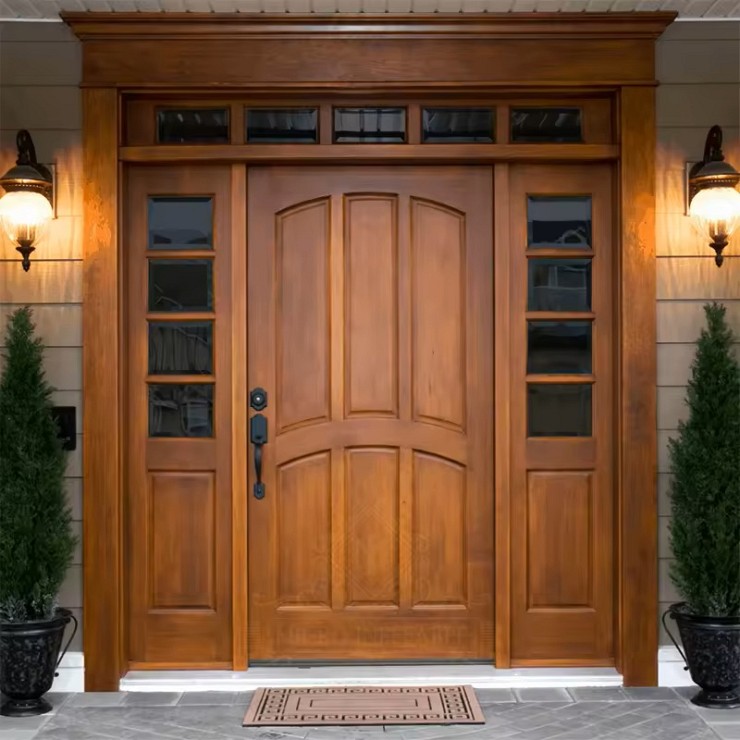
You want something that looks great, lasts long, and doesn’t stress you out with maintenance. You’re not alone. That’s exactly why more and more Toronto homeowners are choosing...
Read More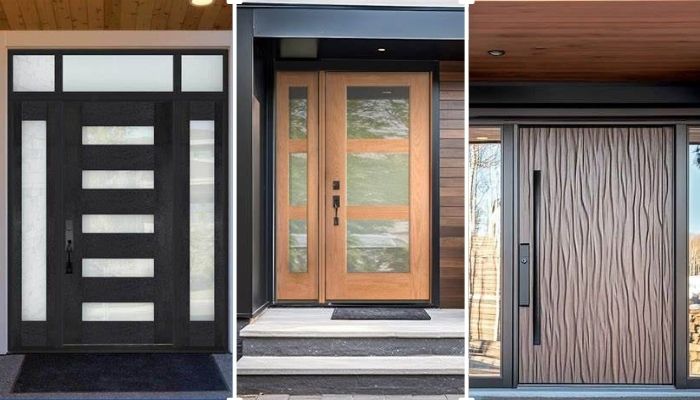
Thinking about replacing your front door? Let’s talk fiberglass. It's one of the smartest upgrades you can make, especially if you're living in Toronto. Whether your current door is drafty, outdated, or just plain boring.
Read More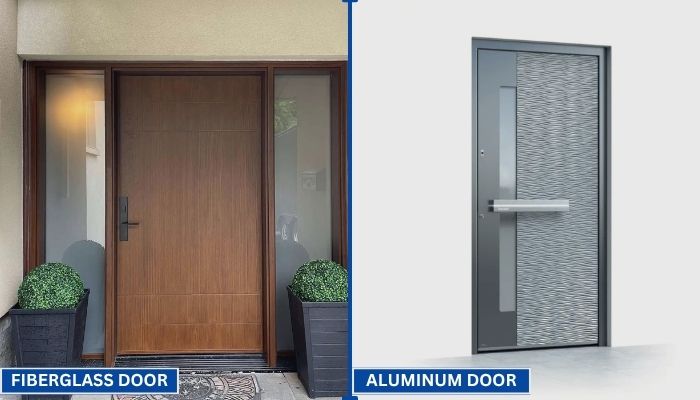
Your front door does more than just open and close. It protects your home, adds curb appeal, and helps control indoor temperature. That’s why picking the right door material matters.
Read More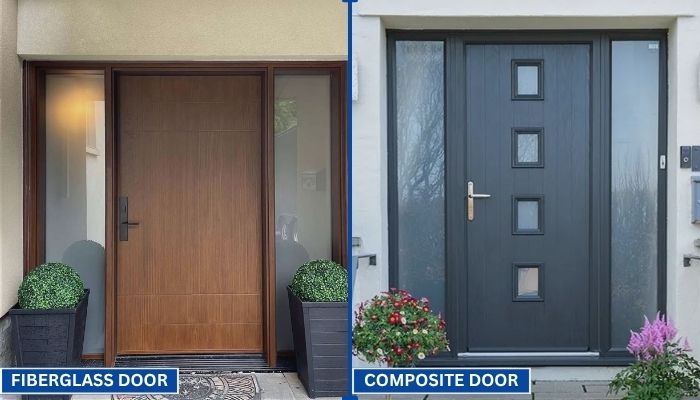
Choosing the right door can be confusing. You want something that looks good, lasts long, and keeps your home secure. Two of the most popular options today are fiberglass and composite doors.
Read More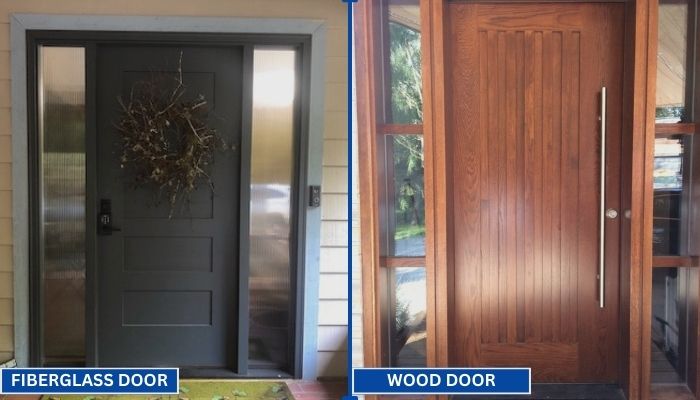
Replacing your front door is a big decision. Wood and fiberglass are two of the most popular materials for entry doors. Each has its own strengths in terms of style, durability, and maintenance. To help you choose the right one for your home, we have to go through a clear comparison.
Read MoreChoosing the right windows and doors supplier is more than comparing prices. The supplier affects comfort, energy performance, security, and the details you see every day: a smooth latch, a tight seal, and a frame that sits square. A low quote may look attractive. It may also omit delivery, installation, or after-sales support. Ask what is included.
Building scientist Joseph Lstiburek’s guidance can be paraphrased this way: window performance depends on the whole building enclosure, not just the product. That is a useful test when assessing suppliers. Ask about product specifications, weather ratings, warranty terms, installation methods, and who handles service if something fails. Request written answers. Check recent projects, too. A showroom sample can feel solid, but a completed installation tells you more.
Small details matter. Look for clear measurements, realistic lead times, and consistent communication. Notice whether staff explain trade-offs or simply push one option. That difference can be telling. No supplier is perfect, and reviews may miss context; verify important claims yourself. This guide outlines practical ways to compare windows and doors suppliers, spot gaps in their proposals, and choose a partner whose products and support suit your project—not just your budget.
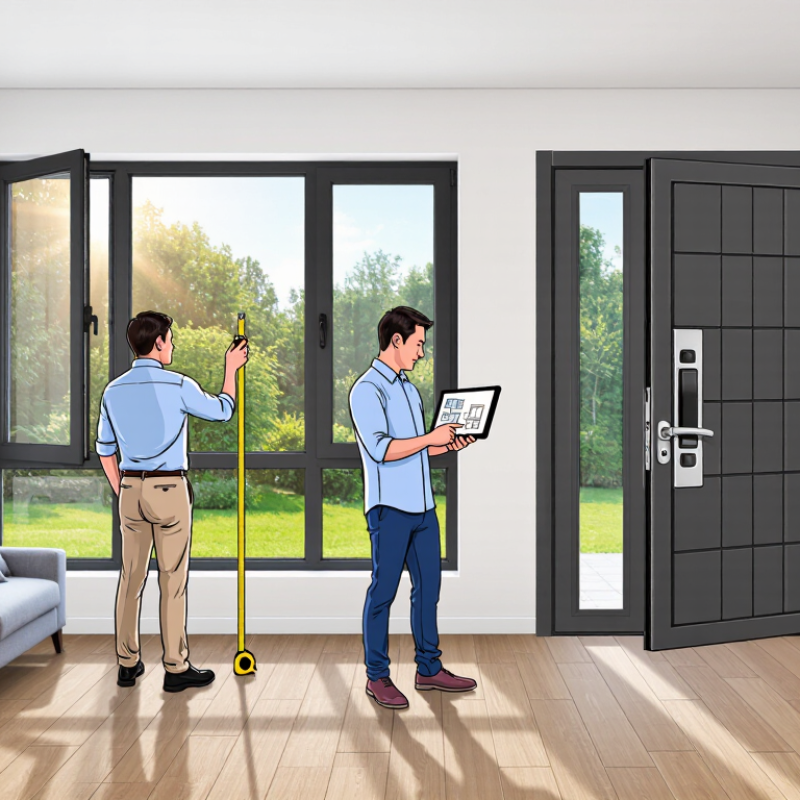
Before contacting suppliers, list each opening’s size, room, orientation, and purpose. Note whether you need a casement, sliding, or fixed window, and whether a door must accommodate frequent deliveries, pets, or step-free access. Measure twice. Record your climate, noise concerns, and preferred frame material. These details make quotes easier to compare and reduce the risk of paying for features you do not need.
Energy performance deserves specific attention. The U.S. Department of Energy’s Energy Saver guidance estimates that heat gain and loss through windows account for 25%–30% of residential heating and cooling energy use. Ask suppliers for U-factor and solar heat gain coefficient ratings, then compare them with your local climate and room exposure. ENERGY STAR reports that certified windows can lower household energy bills by an average of 12% nationwide compared with non-certified products; actual savings vary by home and replacement conditions. Small details matter. Include installation, trim, hardware, and disposal in your budget, not just the unit price. One honest caveat: measurements taken before old frames are exposed may miss hidden damage. I would leave room in the budget for surprises, rather than assume every opening is perfectly square.


We’ll Come To You!
Quality New Windows & Doors. Competitively Priced!
Christine R.
Please, enter a valid value