
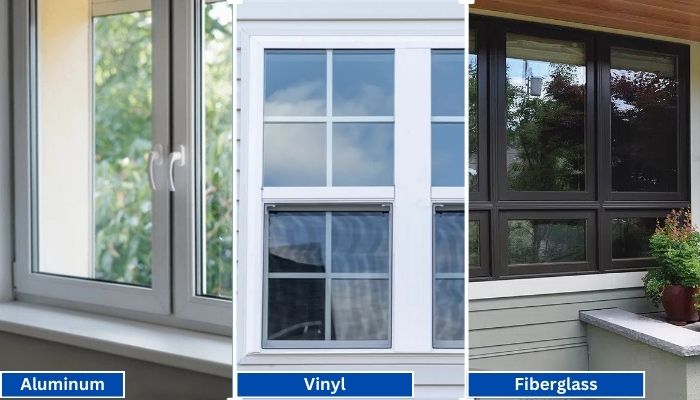
Vinyl generally has the shortest lead times because it is widely produced in standard configurations. Fiberglass is mid-range, especially for factory-painted colors.
Read More
PROUDLY CANADIAN COMPANY OWNED & OPERATED IN TORONTO SINCE 1989!
Vinyl generally has the shortest lead times because it is widely produced in standard configurations. Fiberglass is mid-range, especially for factory-painted colors.
Read More
Vinyl windows have become the go-to choice for homeowners in Toronto, thanks to their durability, energy efficiency, and low maintenance requirements. Whether you're upgrading your home for better insulation or enhancing
Read More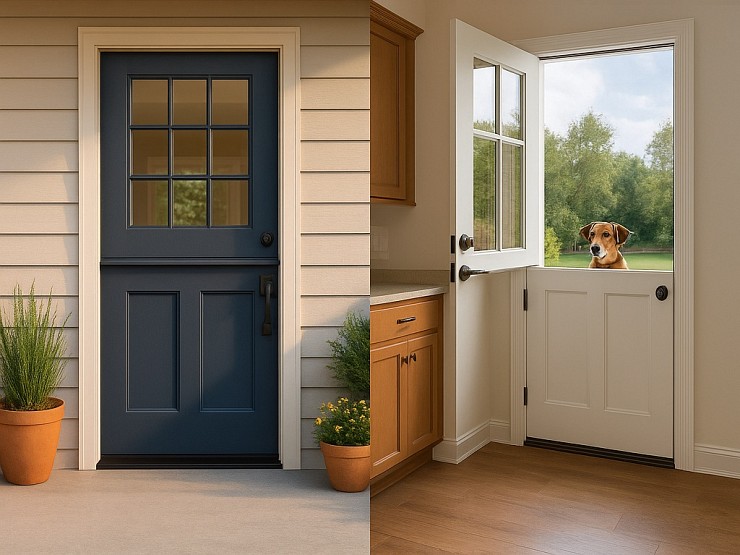
Thinking about changing your front door? A fiberglass Dutch door might have caught your eye. It’s not just a door. It’s part style statement, part smart functionality.
Read More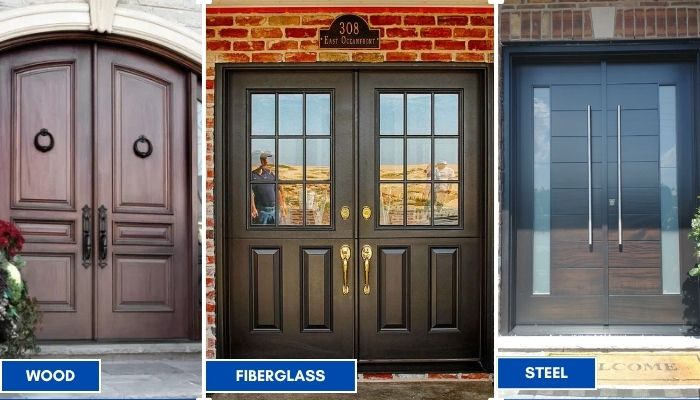
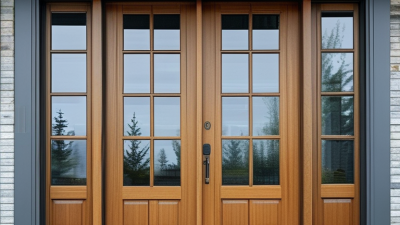
Thinking about replacing your front doors? Double doors are a bold upgrade. They look great, let in more light, and make moving big stuff easier. But the material you choose makes all the difference; especially here in Toronto.
Read More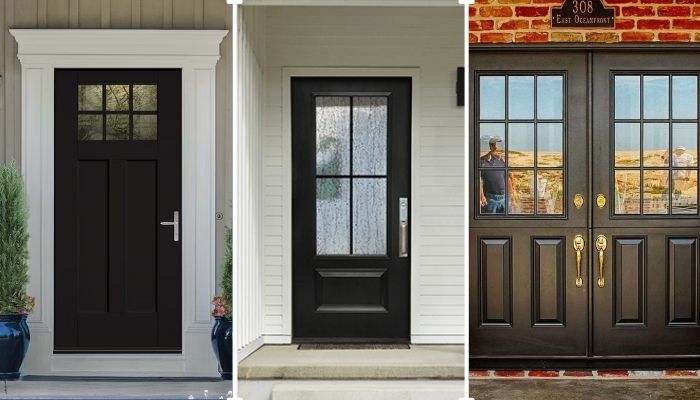
Thinking of giving your home that cozy, farmhouse charm? Let’s talk doors. Specifically, the fiberglass front doors in farmhouse style. You get the rustic look, without the rot, warping, or constant upkeep that comes with wood.
Read More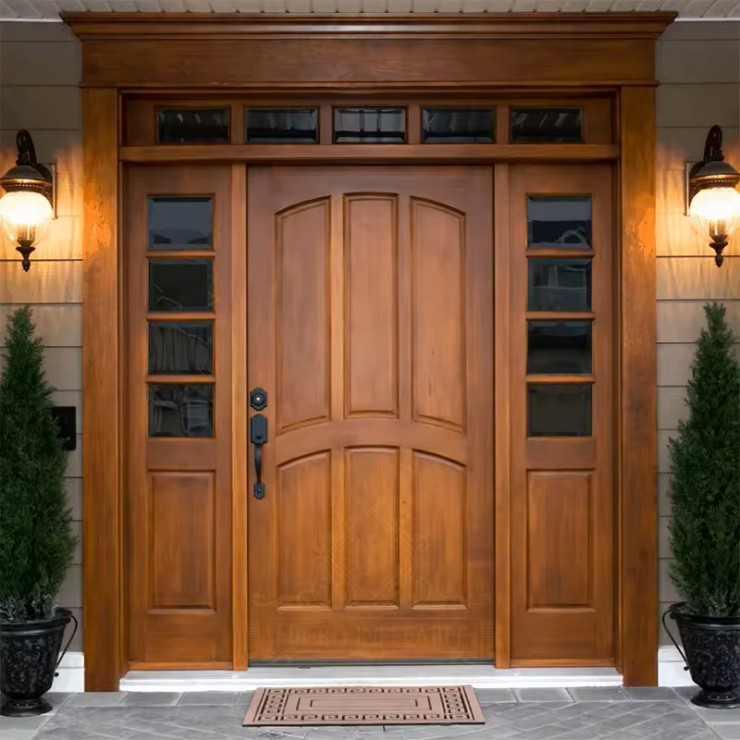
You want something that looks great, lasts long, and doesn’t stress you out with maintenance. You’re not alone. That’s exactly why more and more Toronto homeowners are choosing...
Read More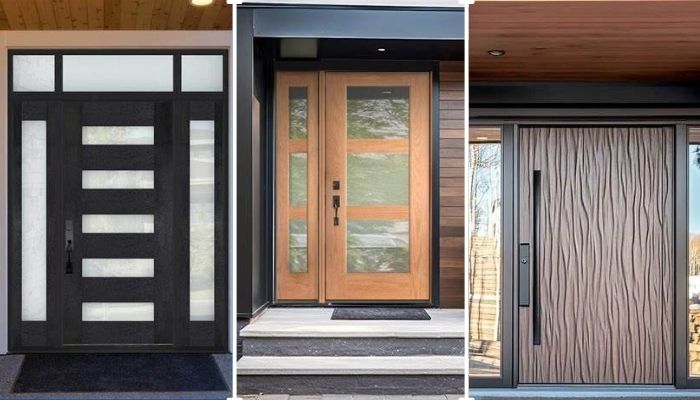
Thinking about replacing your front door? Let’s talk fiberglass. It's one of the smartest upgrades you can make, especially if you're living in Toronto. Whether your current door is drafty, outdated, or just plain boring.
Read More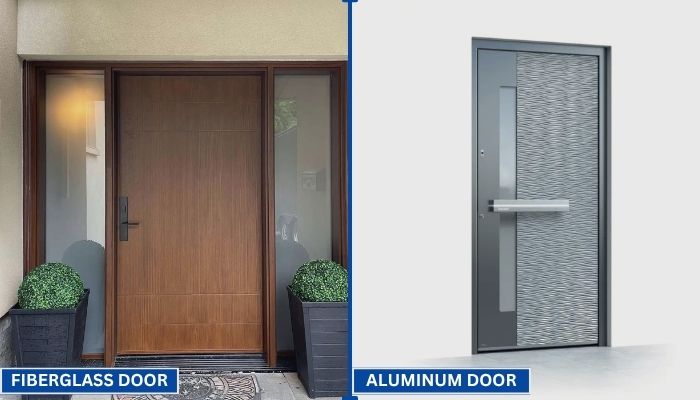
Your front door does more than just open and close. It protects your home, adds curb appeal, and helps control indoor temperature. That’s why picking the right door material matters.
Read More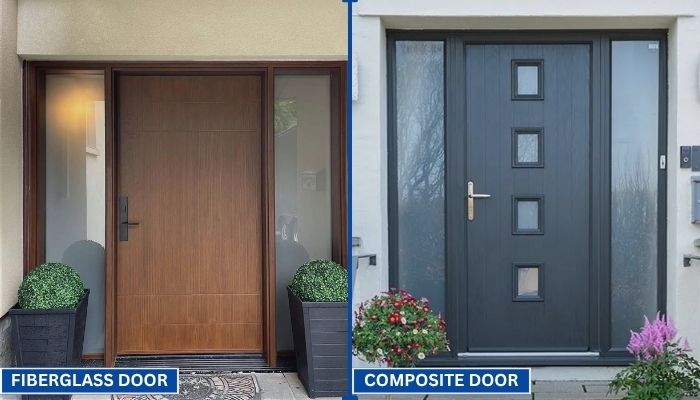
Choosing the right door can be confusing. You want something that looks good, lasts long, and keeps your home secure. Two of the most popular options today are fiberglass and composite doors.
Read More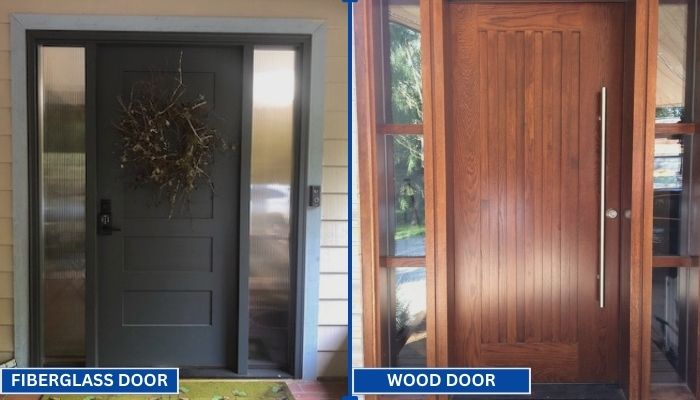
Replacing your front door is a big decision. Wood and fiberglass are two of the most popular materials for entry doors. Each has its own strengths in terms of style, durability, and maintenance. To help you choose the right one for your home, we have to go through a clear comparison.
Read MoreChoosing among China’s top 10 bay windows manufacturers requires more than comparing photographs and factory prices. It requires evidence. Grand View Research valued the global windows and doors market at approximately USD 207 billion in 2023. The firm also projects continued growth through 2030. Meanwhile, ENERGY STAR reports that windows can account for 25% to 30% of residential heating and cooling energy use. Performance matters.
Bay windows combine structure, glazing, ventilation, and weather protection. A poor installation can create condensation around the frame. It can also produce drafts, water stains, or difficult sash movement. Building-science consultant Steve Easley offers a practical warning: “A window is only as good as its installation.” That sentence deserves attention.
This guide evaluates leading Chinese manufacturers through measurable details. These include U-factor, solar heat gain coefficient, air leakage, water resistance, glass configuration, hardware quality, and documented project experience. It also considers factory testing, export standards, customization control, warranty terms, and after-sales support. CE, NFRC, ISO, and regional compliance records can strengthen credibility, but certificates alone do not guarantee dependable workmanship.
A ranking is never permanent. Product lines change. Suppliers change. Even a strong factory may deliver uneven results through an inexperienced dealer. That is the uncomfortable part. Buyers should request recent test reports, corner samples, installation drawings, and references from comparable climates before signing a contract. The best bay windows manufacturer is not always the cheapest or most famous. It is the partner that can prove consistent performance, clear communication, and accountable service.
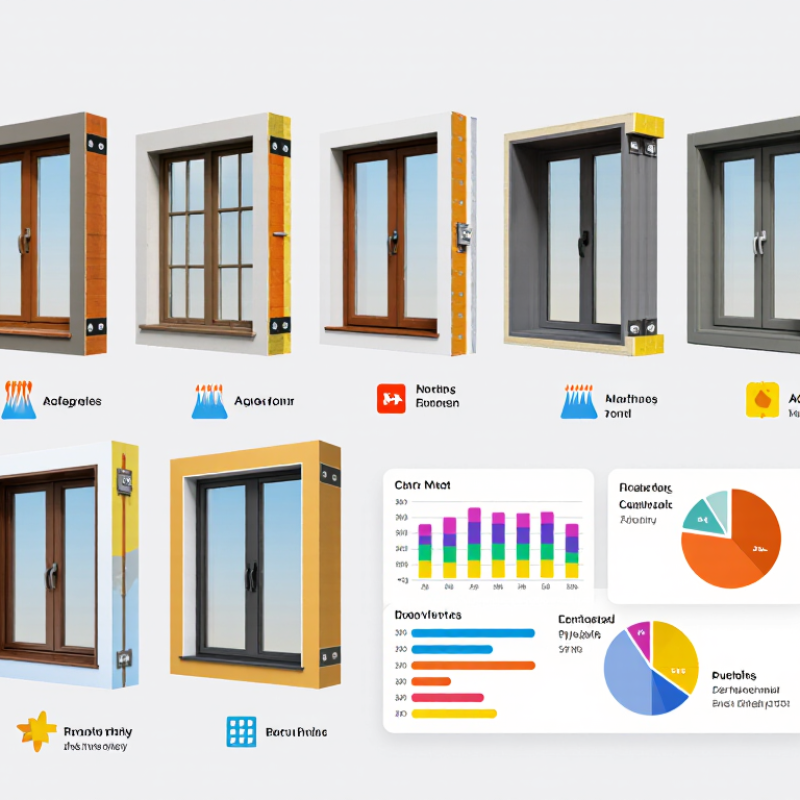
Choosing among China’s top 10 bay window manufacturers requires more than comparing catalog photos. A high-quality supplier shows practical experience with different climates, building structures, and installation conditions. Ask for completed project records, not only digital renderings. Factory staff should explain profile thickness, thermal-break design, glass composition, and drainage routes in clear language. If answers remain vague, pause.
Reliable manufacturers use controlled production procedures. They inspect aluminum profiles, corner joints, seals, hardware, and glass before assembly. Look for documented tests covering air leakage, water resistance, wind pressure, and thermal performance. A suitable bay window should open smoothly and drain rainwater without staining the interior wall. Small details matter. Poor drainage becomes expensive.
Technical knowledge also appears in customization. The manufacturer should review opening sizes, local wind loads, glass safety requirements, and fixing methods before quoting. Ask whether shop drawings, samples, installation guidance, and replacement parts are available. A transparent warranty should identify covered components and response times. Some low prices look attractive. They may exclude reinforcement, packaging, or site support. That assumption can create trouble later.
Request a sample corner joint and inspect it closely. Uneven gaps, weak seals, or rough finishing deserve attention. Communication is another reliability test. Accurate measurements and consistent documents often predict smoother delivery. No supplier is perfect, and even experienced teams can miss a detail. What matters is whether they record problems, correct them, and improve the process.

We’ll Come To You!
Quality New Windows & Doors. Competitively Priced!
Christine R.
Please, enter a valid value